
I learned everything I know about gardening from my Grandad, who learned from his father, and so on. He had an allotment where everything he grew seemed to work, and he was known to have green fingers among the other allotment owners.
When I saw weeds, he saw a plant that helped with ailments; nettles were for soup and comfrey was for fertilizer. Everything in his garden had a purpose, and he took great pains to point this out to me.
I recently reignited my passion for nurturing everything in the garden after watching a few episodes of the TV show Outlander. I loved the focus on how Claire, one of the main characters, used all sorts of plants to make poultices and remedies. It made me reevaluate my garden and watch what I was pulling up a little more carefully.
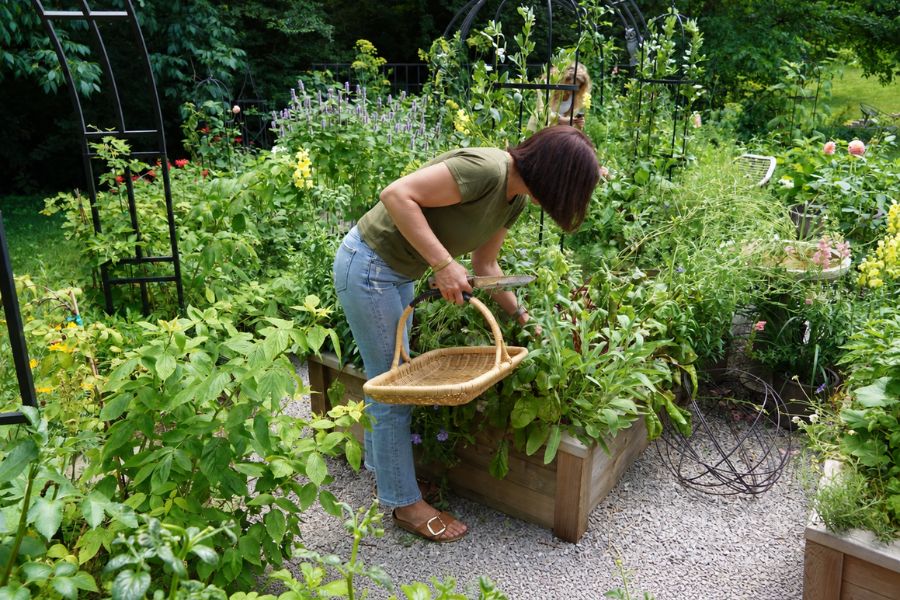
The plants I’m about to run through are ones I now leave in on purpose, in a corner where they can do their thing without taking over the whole yard.
Comfrey: The Free Fertilizer
Comfrey (Symphytum officinale, or better still the sterile cultivar ‘Bocking 14’) sends its roots down 6 to 10 feet, pulls up potassium and other minerals from deep in the subsoil, and stores them in its leaves.
Those leaves grow back so fast you can cut a mature plant three or four times between May and September, and it won’t do any harm.
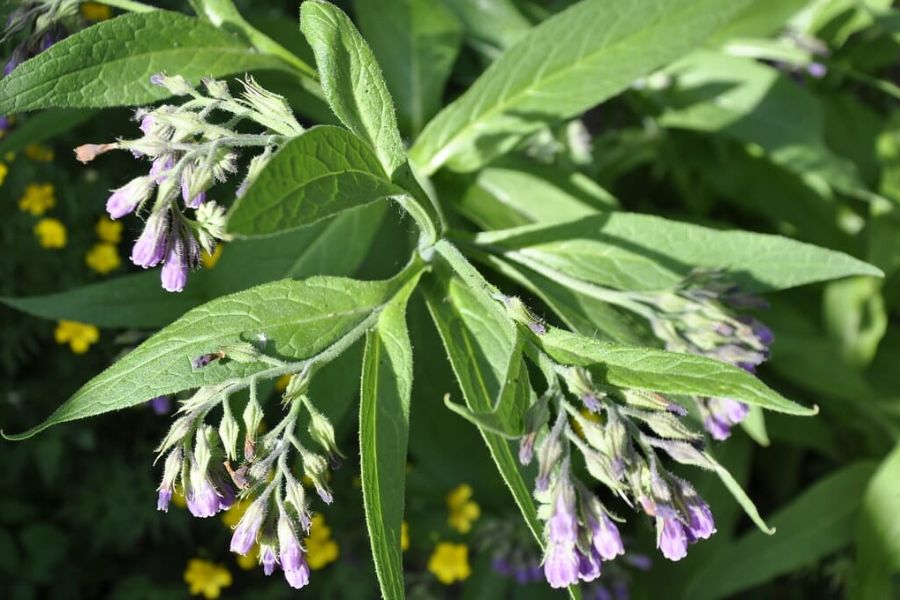
It’s the leaves where you’ll find the value. Put them in a bucket and weigh them down with a brick, put a lid on, and leave it for three or four weeks.
What comes out is a black, rather disgusting-looking, sludgy liquid you dilute about 1 part to 10 with water. It’s a high-potassium feed that tomatoes, peppers, and squash will drink all summer.
A bag of tomato feed at the garden center can cost up to $12, so it’s a rather nice little saving for relatively little effort.
Nettles: Soup, Compost Activator, and a Nursery for Butterflies
I’ve been stung enough times by nettles to not be a fan; however, my grandad point-blank refused to clear them from the back of his allotment. He kept a patch about the size of a bathmat, tucked behind the shed.
Young nettle tops, picked in spring before they flower, cook down like spinach and make a soup which is really good for you, although I don’t love the taste.
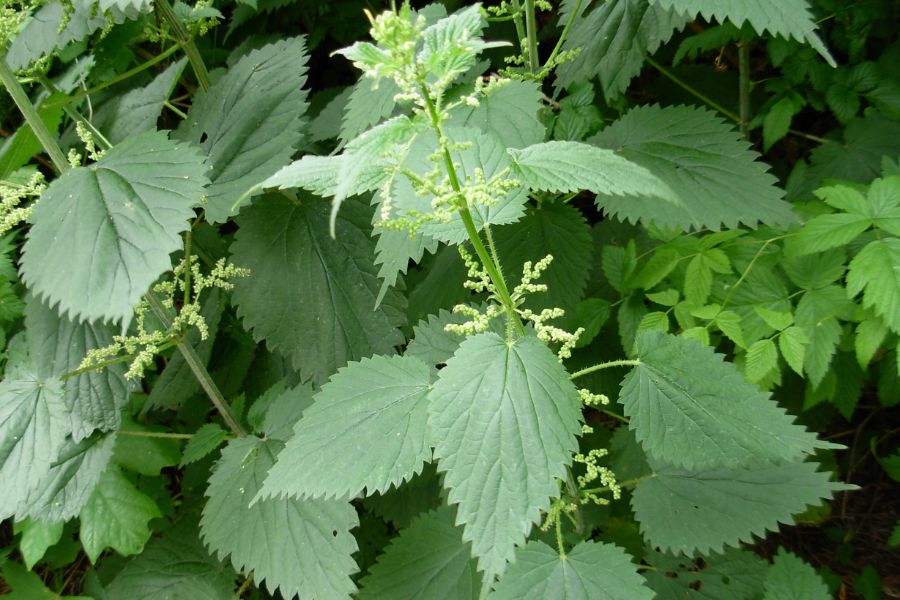
And don’t worry, the sting disappears the moment they hit hot water. They’re loaded with iron and vitamin C and were a standard hungry-gap food for centuries when nothing else was ready to eat.
Later in the year, the same leaves make a nitrogen-rich liquid feed the same way comfrey does, only faster (two weeks in a bucket does it), and a fistful of chopped nettle leaves thrown into a slow compost pile will get it heating up again within days.
The other reason to keep a patch is the butterflies. Small tortoiseshell, red admiral, comma, and peacock caterpillars all feed on nettles and only on nettles. If you clear every last one from your yard, you’ve cleared the nursery for four of the prettiest garden butterflies you’re going to see all summer.
Cut half of it back in June, so there’s fresh young growth for the second brood, and leave the rest standing.
Borage, Dandelions, and the Other Useful Volunteers
Borage (Borago officinalis) is the blue-flowered self-seeder that turns up in vegetable beds and gets pulled out for being in the way. It’s one of the best bee plants you can grow. The flowers refill with nectar every couple of minutes, which is why a borage plant in flower is usually vibrating with bumblebees from morning to dusk.
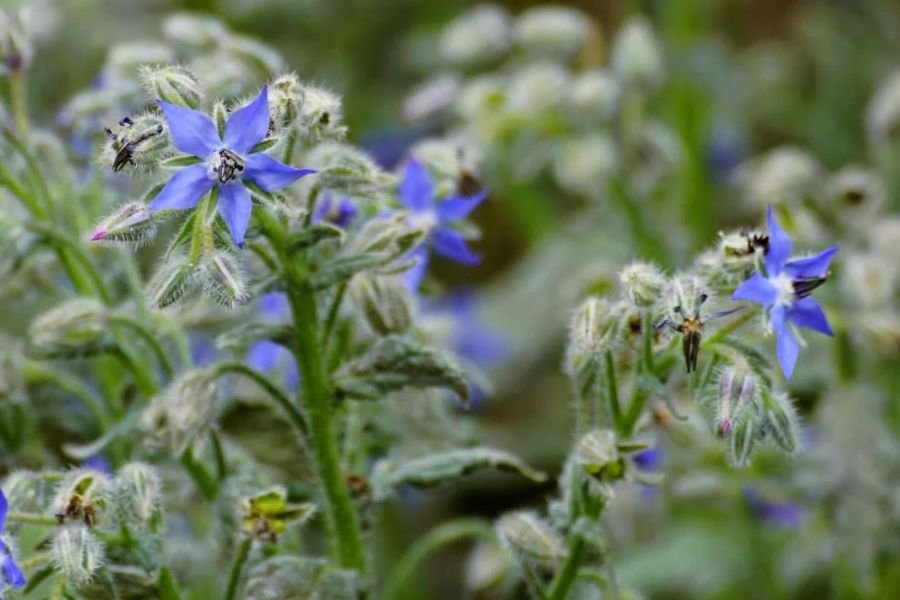
Plant it near your beans, squash, or strawberries, and you’ll notice the difference in the crop. The flowers are also edible, taste faintly of cucumber, and look wonderful frozen into ice cubes if you’re making cocktails.
Dandelions pull calcium and other minerals up from deep in the soil and break up compacted ground where grass roots can’t reach. The flowers are one of the earliest nectar sources in the year, opening in March when very little else is out.
The young leaves are a bitter salad green (French markets sell them as pissenlit and charge a fair whack), and the roots, roasted, make a coffee substitute.
A few others worth leaving alone: yarrow (Achillea millefolium), which brings in hoverflies and lacewings that eat aphids for you; chickweed, which is edible, tastes like corn silk, and covers bare soil so it doesn’t dry out; and self-heal (Prunella vulgaris), a low-growing purple-flowered thing that you’ll find in lawns and feeds pollinators if you let a patch of grass grow long.
The good news is that none of these need planting, watering, feeding, or thinking about. They arrive on their own, and they do a job.
How to Keep a Useful ‘Weed’ Patch Without It Taking Over the Yard
The trick is deciding where the patch goes and then keeping it there, which is less work than weeding the whole yard.
Pick the worst corner you’ve got. The strip behind the shed, the bit down the side of the compost, the awkward triangle where the fence meets the wall. Somewhere you don’t go, and you can’t see. Out of sight, out of mind.
Start with about a square yard, edge it with something solid (a plank sunk 6 inches into the soil, a row of bricks, or the wall of the shed itself), and cut it back hard once a year in late fall or early spring. Comfrey and nettles both regrow from the roots, so cutting the tops off doesn’t kill them; it just keeps them where you put them.
With comfrey, plant the sterile ‘Bocking 14’ cultivar rather than the wild form, because it doesn’t set seed and can only spread if you dig up the roots and move them.
With nettles, cut them back before they set seed in late summer and you’ll stop the patch getting bigger.
With borage, one or two plants will seed around gently, and any seedlings you don’t want come out with a light tug when they’re small. Dandelions in a wild corner will look after themselves; the ones in the middle of the lawn are a different conversation.
Disclaimer: This article is for general information only and is not professional advice. It may contain affiliate links. Please see our full Editorial Policy for details.

Kylie Lang is a nationally syndicated travel journalist with bylines on the Associated Press Wire & more, a lifestyle writer, and the founder and editor of Your Lifestyle Library (yourlifestylelibrary.com). She holds a BA (Honours) in History from the University of Kent and is a member of the British Guild of Travel Writers.