
Be honest, how many times have you walked into, let’s say, the kitchen, and within seconds of getting there, you’ve completely forgotten what you went in there for? Or you’re mid-sentence, and then poof. The word, the name, the thought is gone. This happens to me with startling regularity.
For years, I chalked this up to being a woman of a certain age. Just something I had to put up with, like creaky knees and reading glasses. But the research tells a different story. One I think you’ll like, and it all comes down to some simple food swaps.
No lotions or potions or expensive pills, but everyday foods that you’ll no doubt have in your cupboards or fridge.
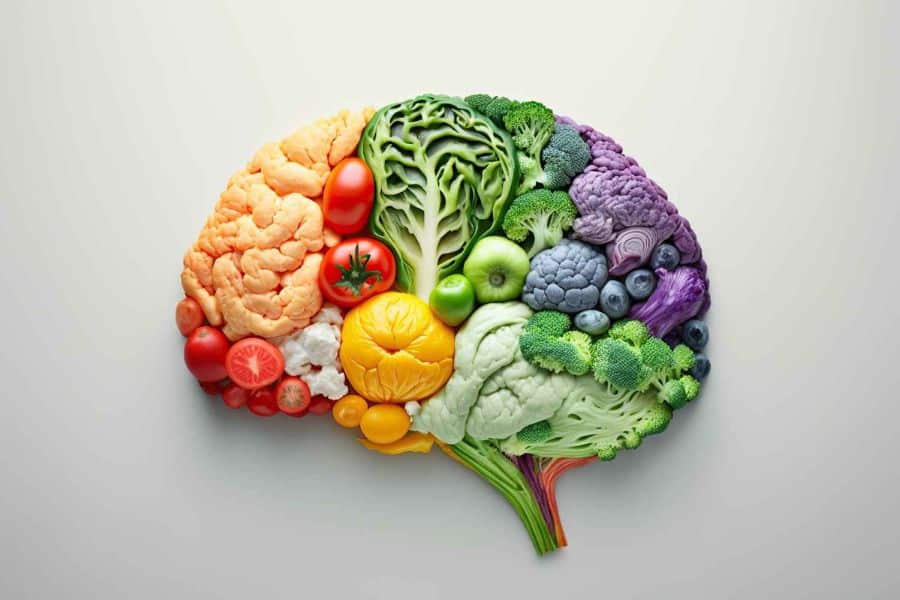
12 Foods That Make Your Memory Sharper Over 50
Scientists at Rush University in Chicago, working alongside researchers at the Harvard School of Public Health, have spent decades following thousands of people to figure out what actually keeps the brain sharp as we age.
They created something called the MIND diet, and the findings are remarkable. People who followed it closely had a 53 percent lower risk of Alzheimer’s. Even those who only moderately followed it cut their risk by 35 percent.
Those sorts of odds are enough to make me listen and take action. If you’re the same, you’ll want to start stocking your pantry with these 12 food items.
Leafy Greens
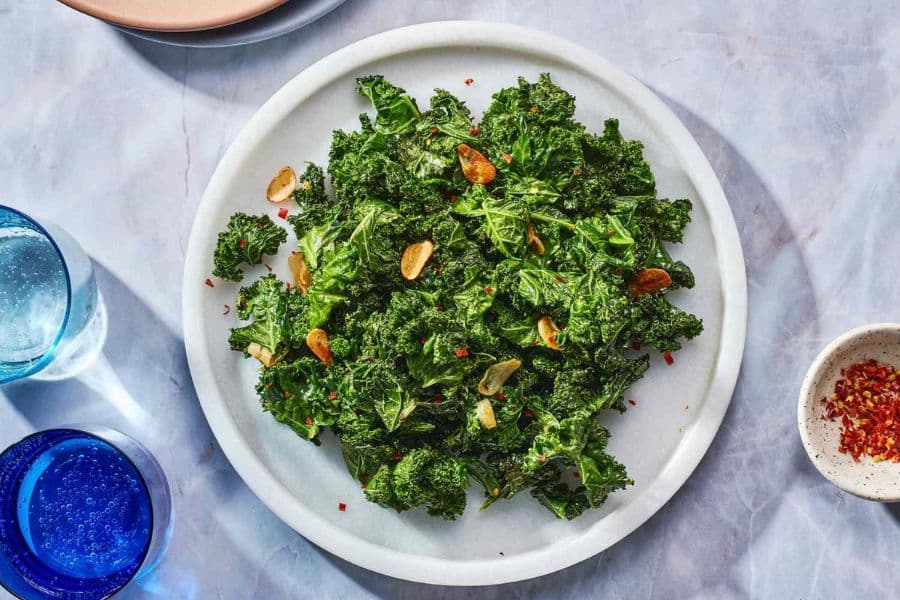
If there’s one food the Rush research keeps coming back to, it’s leafy greens. Spinach, kale, collards, romaine, arugula. The whole green family.
A Rush study of 960 older adults found that people who ate just one serving of leafy greens a day had brains that were 11 years younger than those of people who skipped them. Eleven years. From a salad.
The magic comes from vitamin K, lutein, folate, and beta-carotene, which all team up to protect brain cells. A handful of spinach in your morning smoothie or a side of sautéed kale at dinner is all it takes.
Berries
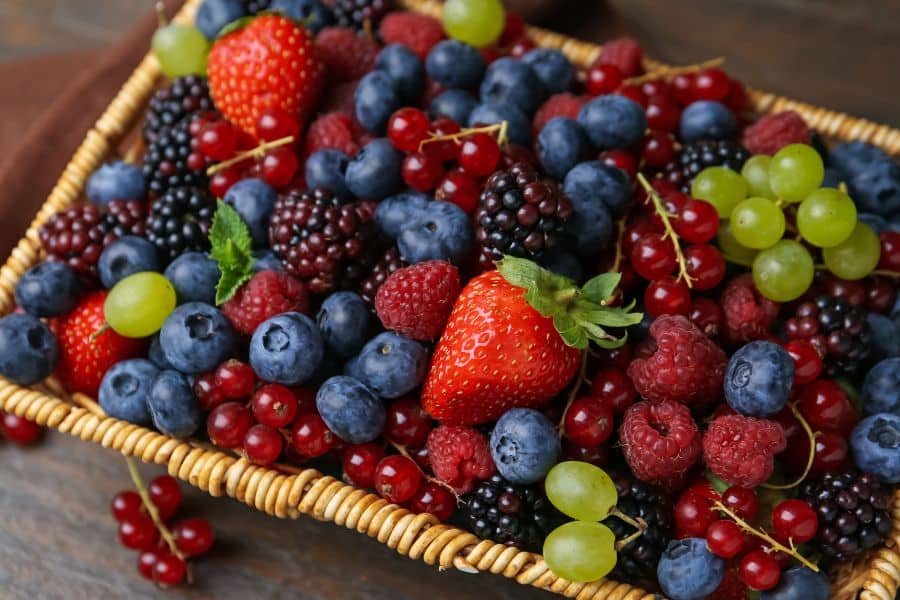
Berries are the only fruit specifically called out by the MIND diet researchers, and there’s a good reason. They’re loaded with flavonoids, which are plant compounds that seem to have a real effect on memory.
A Harvard study of more than 16,000 women in the Nurses’ Health Study found that those who ate two or more servings of strawberries or blueberries per week delayed memory decline by up to 2.5 years.
Rush researchers also looked specifically at strawberries and found that people who ate them more than once a week were 32 percent less likely to develop Alzheimer’s dementia. A bowl of berries on your yogurt or oatmeal.
I’m a smoothie gal, so I have a mix of strawberries, raspberries, and blueberries in my morning smoothie along with a dollop of mascarpone, milk, and a spoonful of whey protein. It’s seriously good, so there’s a tick for me for berries.
Nuts

Walnuts, almonds, pecans, pistachios. Whichever ones you like. The MIND diet recommends a small handful most days of the week.
Nuts are packed with vitamin E, healthy fats, and antioxidants that help protect brain cells from oxidative damage. Walnuts in particular contain omega-3 fatty acids, which the brain depends on to function well.
A small handful is about an ounce. Not a giant bowl while watching TV as you’d do with popcorn. Nuts are calorie-dense, so the focus is on the word small if you don’t want to blow your diet.
Beans
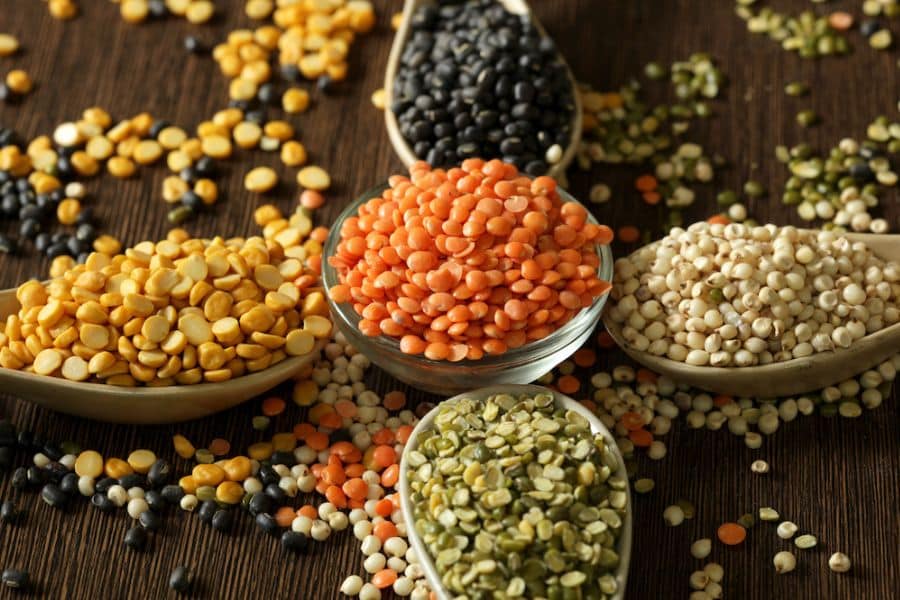
Beans are so versatile, and you can use them in so many things. Plus, they’re vegan-friendly, which is great as I have quite a few vegan friends. Black beans, kidney beans, lentils, chickpeas. All of them count.
They deliver plant protein, fiber, and B vitamins, including folate, which supports brain health and helps prevent the kind of cognitive slip that creeps up with age.
The MIND diet suggests eating beans at least every other day. Add them to soups, salads, or a quick chili. They’re cheap, filling, and last forever in the pantry. Chickpeas are my favorites, and they’re perfect in curries, and chickpea salad is really good in the summer months.
Whole Grains
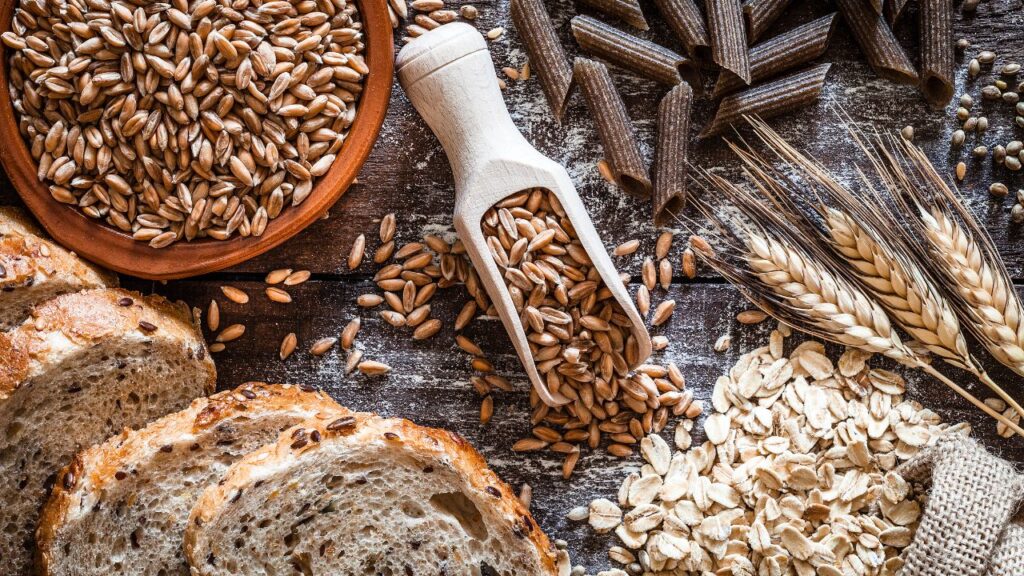
Three servings a day. That’s what the MIND diet asks of you. Oatmeal at breakfast, a sandwich on whole grain bread at lunch, brown rice or quinoa with dinner.
Whole grains deliver steady glucose to the brain, which is essentially the fuel your brain runs on. Refined grains spike your blood sugar and then leave you crashing. Whole grains keep things even.
They also contain B vitamins and fiber, which support overall heart health. And what’s good for the heart tends to be good for the brain.
Fish

The MIND diet calls for fish at least once a week. Not the breaded, fried fish from the freezer aisle, or the fish and chip shop for the Brits. The good, healthy stuff. Salmon, sardines, mackerel, trout.
Fatty fish is packed with omega-3 fatty acids, which support brain cell structure and may reduce inflammation linked to cognitive decline. Salmon and sardines are particularly rich in DHA, an omega-3 that the brain uses to build cell membranes.
Sardines on toast or a salmon fillet baked with lemon take about 15 minutes to cook. Less time than waiting for takeout.
Olive Oil
Forget sunflower or vegetable oil; olive oil is the recommended primary cooking oil. The Rush researchers specifically awarded participants a point on the diet score if they used olive oil as their main fat source.
Extra virgin olive oil contains polyphenols and monounsaturated fats that fight inflammation and protect blood vessels, including the tiny ones feeding your brain.
Use it for cooking, drizzle it over salads, and dip your bread in it. It’s so good if you add a little balsamic vinegar and then dip your baguette in it. Yum. Just make sure it’s actually extra virgin and not a blended oil.
Poultry
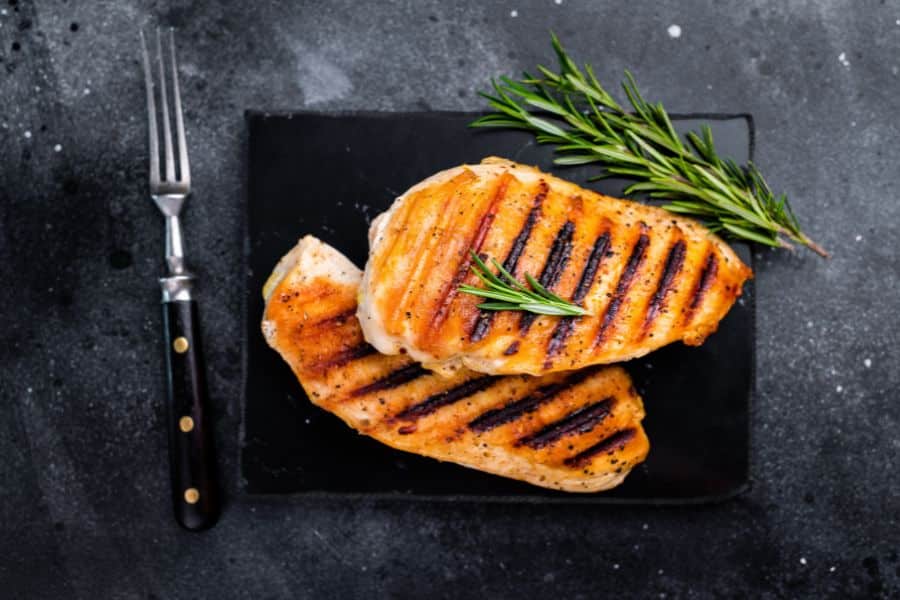
Chicken and turkey both made the MIND diet list. The recommendation is at least two servings a week, baked or grilled rather than fried.
Poultry is a lean source of protein and B vitamins, including B6 and B12, which the brain needs to make neurotransmitters. Low B12 in older adults has been linked to memory problems, so getting enough from your diet matters more after 50.
A simple roast chicken on Sunday gives you leftovers for sandwiches, salads, or a quick stir-fry during the week.
Other Vegetables

Beyond leafy greens, the MIND diet recommends at least one other vegetable every day. Carrots, broccoli, peppers, tomatoes, zucchini, and cauliflower.
Different colored vegetables provide different antioxidants. Orange and red ones bring beta-carotene. Cruciferous vegetables like broccoli contain sulforaphane, which has been studied for its protective effects on the brain.
The simple rule? Make half your plate vegetables.
Coffee

Good news for the morning coffee drinkers, of which I’m definitely one. Modest coffee consumption has been linked in research to a lower risk of cognitive decline, likely due to its antioxidants and the protective effects of caffeine on brain cells.
The keyword is modest. One or two cups in the morning. Not five, and not loaded with sugar and flavored syrups that undo any benefit. Try to stop the caffeine fix after Midday so you’re not up all night.
If coffee makes you jittery, green tea offers similar antioxidant benefits with less caffeine.
Dark Chocolate

I’ve got to be honest, I’m not a fan of dark chocolate. Growing up in the UK, I’m a Cadbury’s Dairymilk fan, but sadly, that doesn’t count. However, dark chocolate, specifically the kind with at least 70 percent cocoa, contains flavonoids similar to those found in berries.
Research has shown that the flavanols in cocoa can improve blood flow to the brain and may support memory in older adults.
A square or two of dark chocolate after dinner is a small pleasure that happens to be doing your brain a favor.
Wine (in Moderation)

Hallelujah! I knew wine was good for me. The MIND diet includes a glass of wine. Sadly, just one, but beggars can’t be choosers, so I’ll take it. Red wine in particular, my tipple of choice, contains resveratrol, an antioxidant that has been studied for its potential to protect brain cells.
The research is clear though; more is not better. A second glass starts to undo the benefits, and several glasses do real harm to brain cells over time. If you don’t drink, this isn’t a reason to start. Plenty of other foods on this list deliver similar antioxidants.
Disclaimer: The health and wellness content in this article is for informational purposes only and is not a substitute for professional medical advice, diagnosis, or treatment. Always consult your healthcare provider before making changes to your diet, supplement routine, or lifestyle, particularly if you have an existing health condition or are taking medication.