
Why is it that people living in Sardinia, Crete, and coastal Sicily are living well into their 90s? What is it that sees them outliving so many Americans and Brits? Well, it’s not just their genetics or all the lovely sunshine they enjoy, but what’s on their dinner plate.
The Mediterranean diet is consistently ranked among the healthiest and best for living to a grand old age. However, it isn’t all about the olive oil and fresh veggies. There are other items in their diet that pack a powerful punch in the aging stakes.
While there isn’t a single magic ingredient that provides the secret elixir to a longer life, there are several foods that work wonders when eaten regularly as part of your normal diet.

Why the Mediterranean Diet Works So Well for Longevity
The short answer is that it attacks aging from several directions at once.
Chronic inflammation is one of the biggest drivers of age-related disease, from heart disease to type 2 diabetes to cognitive decline. The Mediterranean diet is rich in polyphenols, omega-3 fatty acids, fiber, and antioxidants, all of which reduce inflammation at the cellular level.
The 2024 Harvard Study
A study followed more than 25,000 women for 25 years and found that those who closely followed a Mediterranean diet had up to a 23% lower risk of dying from any cause. The risk of dying from cancer dropped by 17%. Cardiovascular disease mortality fell by 20%.
What the researchers found particularly interesting was why this was the case. The diet appeared to reduce inflammation, lower insulin resistance, and improve how the body handles blood fats. All of which points to the same root cause that eating this way tackles so well: chronic low-grade inflammation.
Chronic inflammation is one of the biggest drivers of age-related disease, from heart disease to type 2 diabetes to cognitive decline. The Mediterranean way of eating attacks it from multiple directions at once, through polyphenols, omega-3 fatty acids, fiber, antioxidants, and fermented foods that support a healthy gut microbiome and a sharp immune system.
7 Mediterranean Foods that Help You Live Longer
So as summer is on its way, these seven foods should be easy to add to your weekly menu plan, and you’ll find most of them at your local grocery store.
Capers

Capers are the pickled flower buds of the Capparis spinosa shrub, and they’ve been used in Mediterranean cooking for thousands of years. What makes them stand out nutritionally are two powerful flavonoids called quercetin and rutin. These compounds have been shown to reduce inflammation, support heart health by helping to keep blood vessels functioning properly, and protect cells from oxidative damage.
The easiest way to use them is to rinse them well to reduce sodium, then scatter them wherever you’d normally use a salty, tangy ingredient. Toss them into pasta with olive oil and garlic, add them to a tuna salad, stir them through scrambled eggs, or add them onto a piece of smoked salmon with cream cheese.
Sardines
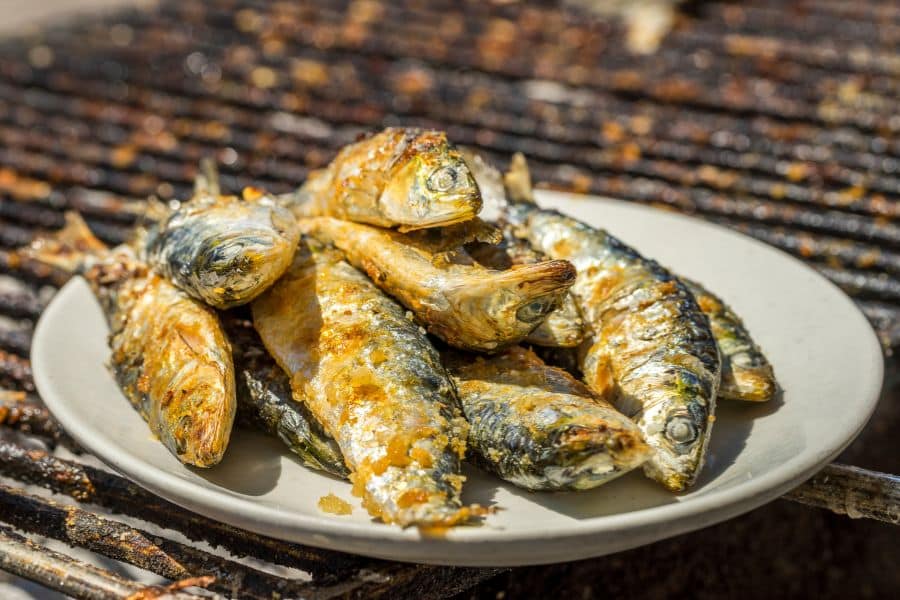
If there’s one food that nutritionists tend to agree on almost universally, it’s this one. Sardines are one of the most nutrient-dense foods available, particularly for women in midlife. A single can gives you roughly 50% of your daily calcium needs through the soft, edible bones. They’re one of the few foods that naturally contain vitamin D.
They deliver a significant hit of omega-3 fatty acids, specifically EPA and DHA, which research consistently links to lower rates of heart disease, reduced inflammation, improved brain function, and better mood. Because sardines are small, short-lived fish low on the food chain, they accumulate very little mercury compared to larger fish like tuna or swordfish, which makes them one of the safest seafood choices going.
I usually have them on toast with a drizzle of extra virgin olive oil, a squeeze of lemon, and a few capers on top, and they taste so good. Or stir them through pasta with garlic, chili flakes, and wilted greens. Choose sardines packed in extra virgin olive oil for the best flavor and an added boost of healthy fat.
Sun-Dried Tomatoes in Olive Oil
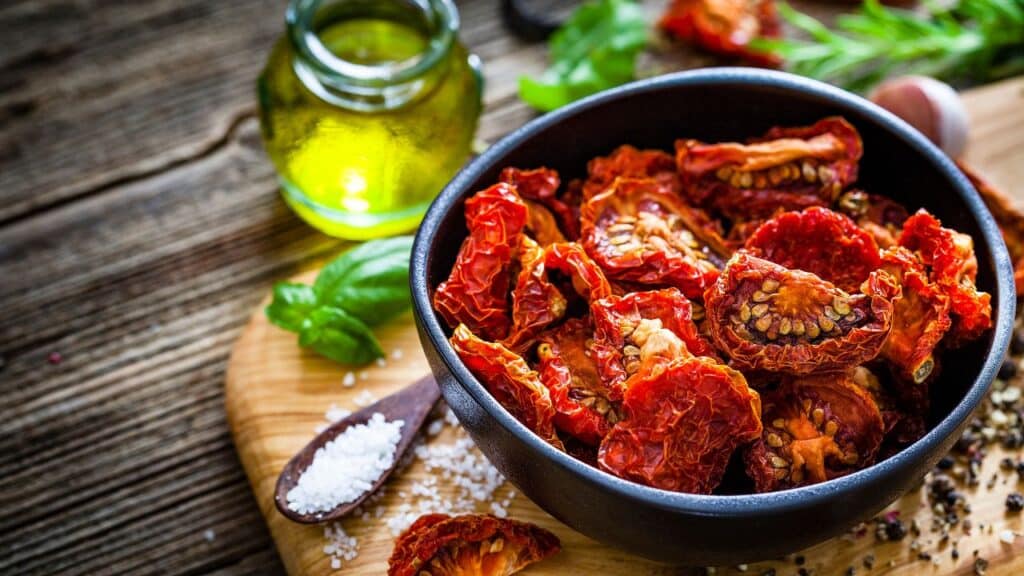
Dried tomatoes contain significantly more lycopene than fresh ones. The drying process concentrates this powerful carotenoid, and sun-dried tomatoes packed in olive oil are among the highest dietary sources of lycopene available. Eating tomatoes with olive oil increases lycopene absorption by up to 82%.
Lycopene is an antioxidant that has been linked to lower rates of heart disease, reduced LDL cholesterol oxidation, and a lower risk of certain cancers. Sun-dried tomatoes also provide vitamin C, vitamin A, potassium, and fiber, all concentrated into that small, intensely flavorful package.
Keep a jar in your refrigerator and use them throughout the week. Chop them into grain bowls, layer them into sandwiches, stir them through pasta sauce, or blend them into a dressing with olive oil and lemon. They go particularly well with roasted vegetables, white beans, and anything involving mozzarella. The oil they’re packed in is also excellent for drizzling or using as a base for cooking.
Carob

Carob comes from the pods of the carob tree, which has been growing across the Mediterranean basin since ancient times. In taste, roasted carob has a natural sweetness and a warm, slightly chocolatey flavor, which is why it’s often used as a caffeine-free alternative to cocoa.
Carob pods are rich in insoluble fiber, polyphenols, and a compound called D-pinitol, which helps slow carbohydrate absorption and support more stable blood sugar levels. It’s naturally caffeine-free, which makes it a good choice if you’re sensitive to stimulants.
Carob powder is the most practical form to use at home. You can swap it for cocoa powder in baking, usually at a one-to-one ratio. Stir it into smoothies, mix it into oatmeal, or blend it with hot milk for a naturally sweet warm drink.
Carob syrup, which is available in Mediterranean specialty stores and online, is wonderful drizzled over yogurt, labneh, or fruit. Because it has a natural sweetness, you’ll often find you need less added sugar in whatever you’re making.
Pomegranate Molasses
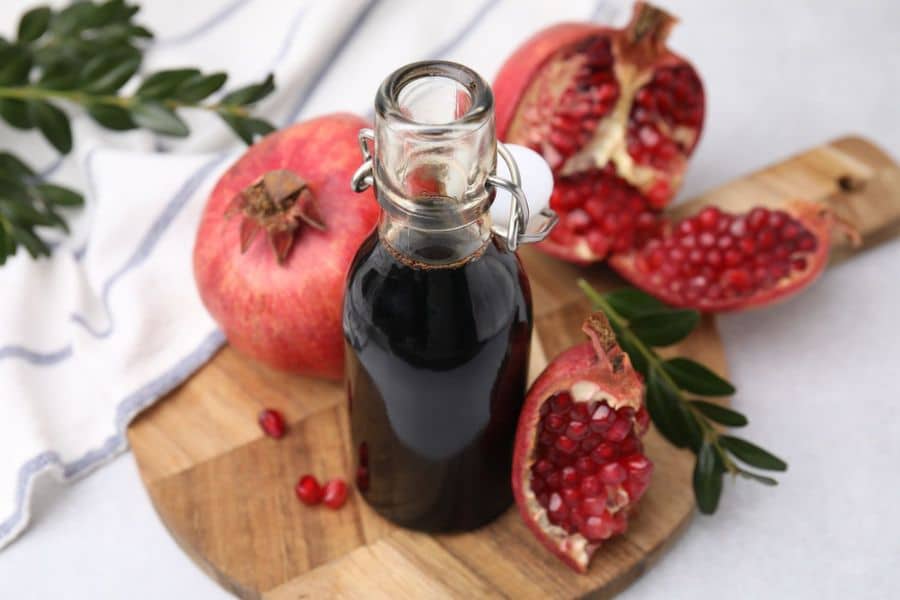
Pomegranate molasses is made by reducing pomegranate juice down into a thick, intensely concentrated syrup with a sweet-tart flavor that sits somewhere between fruity and earthy. The reduction process concentrates the polyphenols and antioxidants found in pomegranate juice, making pomegranate molasses significantly more potent.
It can help reduce LDL cholesterol oxidation, which lowers the risk of arterial plaque buildup. Its anti-inflammatory properties are well documented, and it contains compounds that may help support more stable blood sugar levels over time.
You don’t need to use much of it. A tablespoon of pomegranate molasses stirred into a salad dressing with olive oil, lemon, and a little garlic makes something genuinely special. Drizzle it over roasted butternut squash or carrots, to marinate chicken before grilling, or swirl it through plain yogurt for a quick dessert.
Preserved Lemons
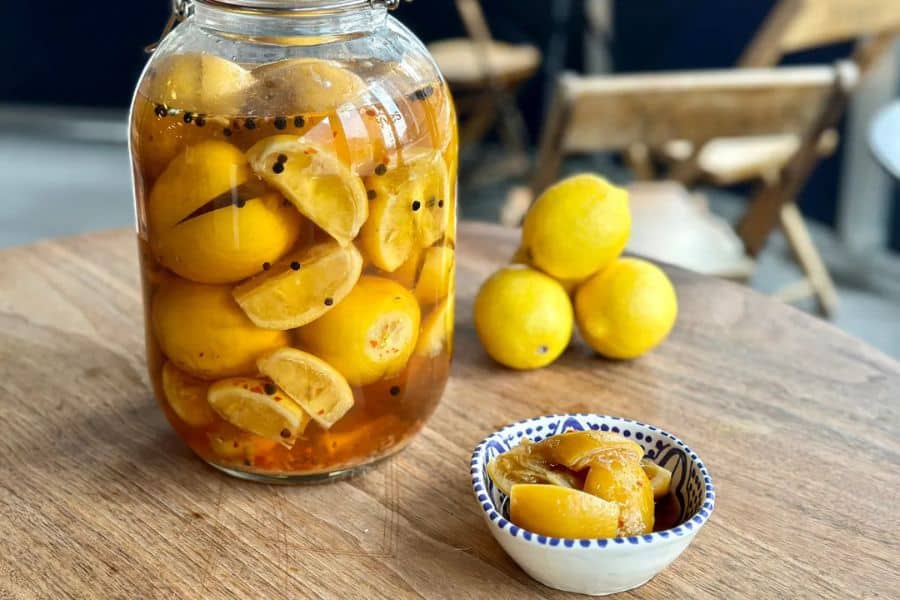
Preserved lemons are cured in salt over several weeks until the rind becomes tender, deeply fragrant, and packed with intense lemon flavor. When you’re using them, you’re eating the whole fruit, which means you’re getting the benefits of the peel as well as the flesh.
Lemon peel is loaded with limonene, a plant compound that research suggests may have anti-inflammatory and cancer-protective properties. The white pith contains pectin, a soluble fiber that supports healthy cholesterol levels and feeds beneficial gut bacteria. Preserved lemons also deliver vitamin C, citrus flavonoids, and the gentle probiotic benefits that come from the fermentation process that takes place during curing.
A small amount goes a long way. Rinse a quarter of a preserved lemon under cold water, remove and discard the pulp, and finely chop the rind. Add it to grain salads, roasted chicken, fish dishes, or dips like hummus. Stir it into salad dressings for a flavor that’s deeper and more complex than fresh lemon juice.
Mix chopped preserved lemon rind into butter with herbs for a finishing sauce for fish or vegetables. You can find preserved lemons in most grocery stores.
Labneh
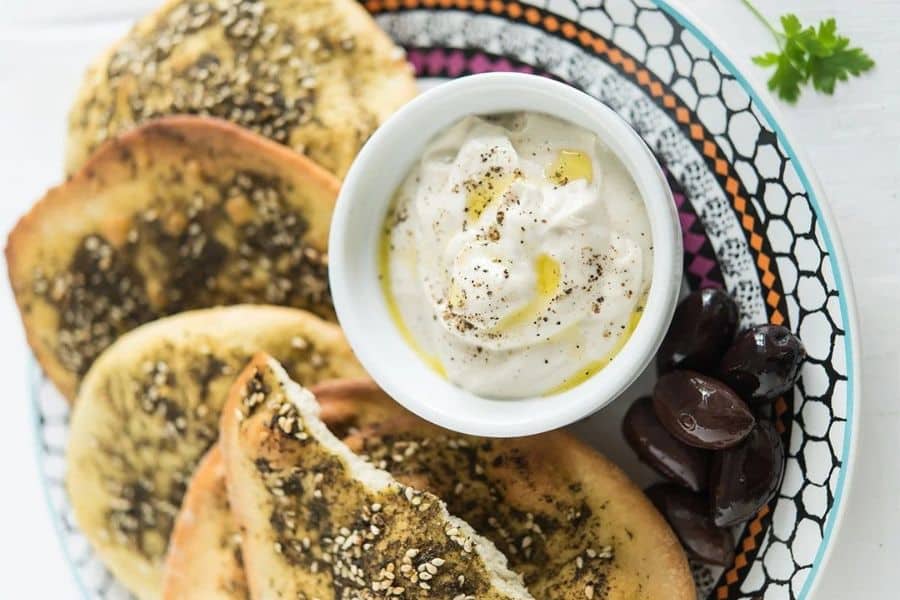
Labneh is made by straining yogurt until the whey drains away, and has a thick, creamy texture similar to soft cheese and a tangy flavor that pairs beautifully with both savory and sweet ingredients. It’s a fermented food, which means it’s rich in live probiotic cultures, specifically Lactobacillus bulgaricus and Streptococcus thermophilus, among others.
These beneficial bacteria have been linked to better digestive health, stronger immune function, improved cholesterol balance, and even better mood. Because the straining and fermentation processes remove much of the lactose, labneh is often easier to tolerate for people sensitive to dairy. It’s also a concentrated source of protein and calcium.
Keep a tub in the refrigerator and use it like you’d use cream cheese or sour cream. Spread it on toast with olive oil for a simple Mediterranean breakfast, or add it to a bowl as a base for roasted vegetables or grilled meat. It’s also good as an appetizer if you roll it into small balls and coat them with herbs and olive oil.
Disclaimer: The information in this article is intended for general informational purposes only and is not a substitute for professional medical advice. Always consult a qualified healthcare provider before making changes to your diet, particularly if you have any existing health conditions.
Disclaimer: This article is for general information only and is not professional advice. It may contain affiliate links. Please see our full Editorial Policy for details.

Kylie Lang is a nationally syndicated travel journalist with bylines on the Associated Press Wire & more, a lifestyle writer, and the founder and editor of Your Lifestyle Library (yourlifestylelibrary.com). She holds a BA (Honours) in History from the University of Kent and is a member of the British Guild of Travel Writers.