
Breakfast is one of those meals where you really need it to be quick and easy, and if possible, healthy. So many of us eat breakfast on the go, grabbing one of those so-called healthy breakfast options at one of our favorite coffee haunts. I’ve been guilty of it myself enough times when I worked in an office.
It’s so easy to do, especially if you’ve slept through the alarm and you’re running late. And even if you’re not, and you work from home as I do now, you still don’t want breakfast prep taking forever and a day. Work calls.
So how can you have a healthy breakfast that’s easy to make and done in under five minutes? It’s not impossible; it just takes a little weekend organization to make your weekday brekkie so much easier.

What’s the 3-Minute Mediterranean Breakfast?
The 3-minute Mediterranean breakfast has been doing the rounds on TikTok and Instagram, and I can see why it’s so popular.
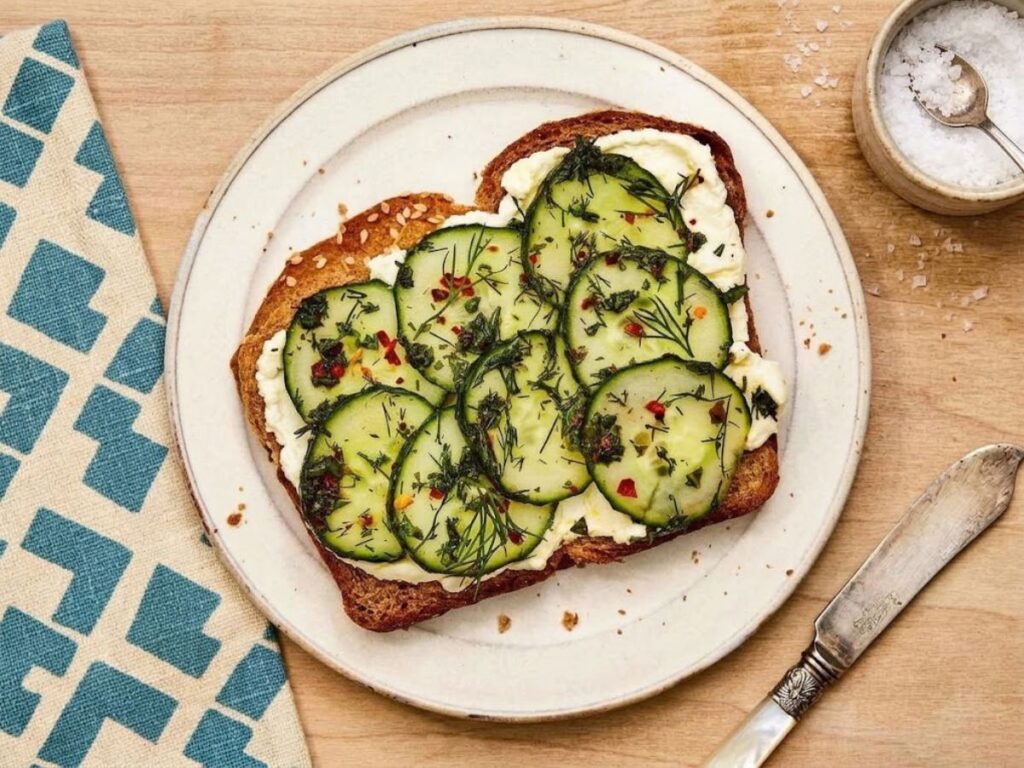
It’s deceptively simple. Take a slice of good whole-grain bread or a pita, drizzle it with extra virgin olive oil, pile on fresh tomatoes and cucumber, add a bit of feta or a boiled egg, and finish with a pinch of oregano or za’atar. That’s it.
It’s modeled on a Mediterranean diet and is how people actually eat in Greece, southern Italy, Spain, and Lebanon, where breakfast is usually a small plate of bread, cheese, olives, tomatoes, and oil. Pan con tomate in Spain, labneh with za’atar in Lebanon, bruschetta-style tomato and basil in Italy.
It’s super simple and packed with everything you need for a healthy breakfast, and it swaps out the sugar-heavy, refined-carb brekkie many Americans tend to have.
You’ve got complex carbs from the bread, healthy monounsaturated fats from the olive oil, fiber and water from the vegetables, and protein from the cheese or egg.
That keeps your blood sugar steady for a few hours, which helps stop the mid-morning energy crash and the 11 am raid on the cookie jar.
Found this useful? Get more like it in your inbox as a Lifestyle Library Insider.
The Weekend Prep That Makes It a 3-Minute Job
The key to keeping this quick and easy is doing the prep over the weekend. If you’re washing cucumbers and slicing tomatoes at 7 am, already running late for work, you’ll give up and eat cereal.
So the trick is to prep everything and pop it in the fridge on a Sunday afternoon or the night before.
What I’d suggest keeping ready: a container of cherry tomatoes, washed and halved; a cucumber, sliced into rounds; a block of feta already in its brine so it keeps for a couple of weeks; a jar of good olives, pitted; a jar of hummus or labneh; and a few hard-boiled eggs if you want them.
Keep a loaf of good whole-grain bread or a pack of pita and a bottle of extra virgin olive oil within reach, so you’re ready to go.
Once the prep’s done, it’s quick to assemble: toast the bread, drizzle oil, pile on vegetables, add feta or egg, sprinkle with oregano, and you’re done.
It’s easy to wrap up and take it with you without you resorting to an unhealthy option because it’s quicker.

Five Versions to Rotate Through the Week
Nobody wants to eat the same thing for breakfast every day, as it quickly becomes boring. I found the best way to mix it up was to do a different country variation every day.
The classic Greek plate is pita, olive oil, tomato, cucumber, feta, Kalamata olives, and a shake of oregano.
The Spanish version is pan con tomate: toast a slice of bread, rub it with a cut garlic clove, then rub it with a cut tomato until the bread is soaked with juice. Drizzle with olive oil and a pinch of salt. Add a slice of manchego or a boiled egg for more protein.
The Lebanese labneh wrap: spread a flatbread with labneh, cucumber slices, a few olives, and a generous pinch of za’atar. Roll it up, cut it in half, and eat it on the go. Za’atar is a mix of thyme, sumac, and sesame seeds, so you can easily make your own if you can’t find it in the grocery store.
Another healthy option is to put cottage cheese on your toast, top it with half a sliced avocado, two slices of tomato, and a crack of black pepper for extra flavor.
The yogurt bowl version swaps the bread for a bowl of Greek yogurt topped with chopped cucumber, cherry tomato halves, a drizzle of olive oil, a pinch of salt, and some torn mint. It’s easy to add to a jar to eat on the commute or once you’re at work. For a bit more oomph, add seeds like chia, flax, or sunflower for extra omega-3s and fiber.
Can a Mediterranean Breakfast Really Help You Live Longer?
In 2024, Harvard researchers at Brigham and Women’s Hospital published a study in JAMA Network Open that followed 25,315 healthy American women for 25 years. Those who ate the most Mediterranean-style diet had a 23% lower risk of dying from any cause. Their risk of dying from heart disease dropped by 17%, and from cancer by 20%.
That’s nearly a quarter from food.
The researchers attributed it to lower inflammation, steadier blood sugar, and a healthier weight. Which is exactly what the olive oil, whole grains, and vegetables on your breakfast plate help with.
Two of the world’s five Blue Zones, places where people live unusually long lives, sit on the Mediterranean: Sardinia in Italy and the Greek island of Ikaria. On Ikaria, there are about ten times as many people over 90 as the European average.
When the University of Athens studied the island’s over-80s, they found most of them had a traditional Mediterranean diet. And what did it include? Olive oil, vegetables, beans, fish, a little cheese, and herbal tea.
About this article: Our health articles are based on published studies and advice from experts such as physiotherapists and dietitians, and the sources are linked in the article.
Disclaimer: The content in this article is for informational purposes only and is not intended to replace professional medical or nutritional advice. Always consult your doctor or a registered dietitian before making significant changes to your diet, particularly if you have a health condition, a food allergy, or take medication. This article may contain affiliate links.
Become a Lifestyle Library Insider
Health tips, money know-how, travel deals and garden ideas for life after 50, straight to your inbox.
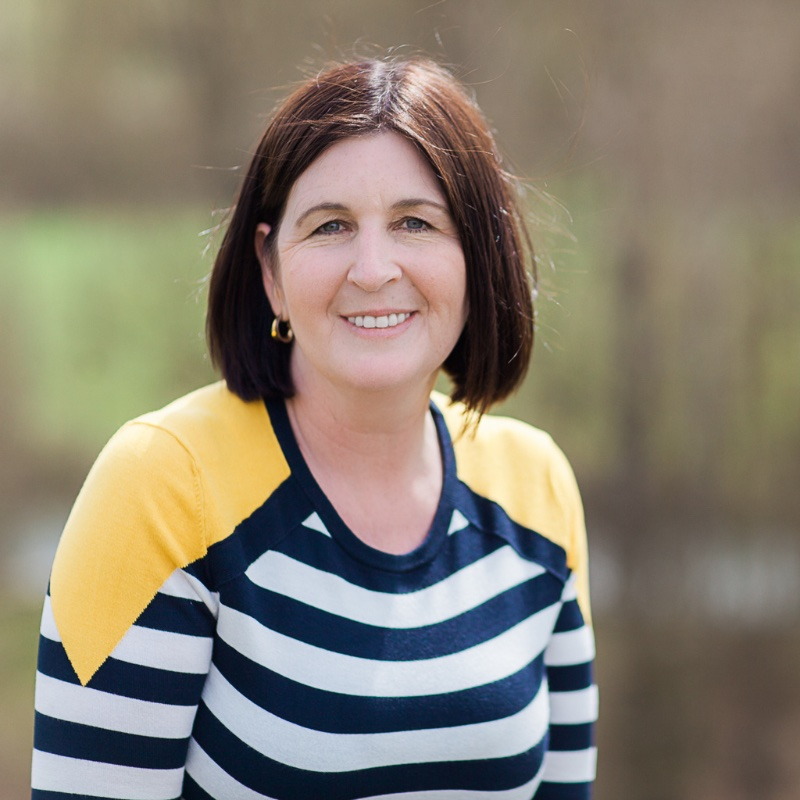
Kylie Lang is a nationally syndicated travel journalist with bylines on the Associated Press Wire & more, a lifestyle writer, and the founder and editor of Your Lifestyle Library (yourlifestylelibrary.com). She holds a BA (Honours) in History from the University of Kent and is a member of the British Guild of Travel Writers.