
Managing diabetes can be overwhelming. With so many food choices out there, it can be really hard to know what will help and what will harm.
There are numerous questions to ask, such as: will this food help to control my blood sugar, or will it send it through the roof? If this food helps, will it taste awful, or will it actually be something I enjoy? Will it be function over flavor?
The consequences of making the wrong choice can be fatal, and millions of people face these decisions daily. But there are some simple food swaps you can make that don’t sacrifice flavor and will help control your blood sugar level.
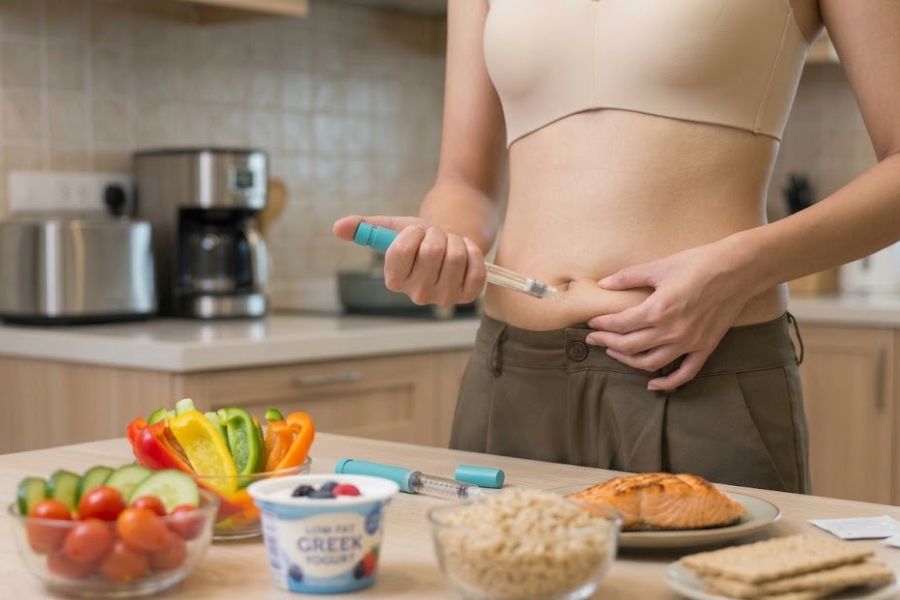
12 Diabetic Superfoods to Add to Your Diet
These 12 superfoods are doctor-approved and not only help with diabetes but also promote overall health and well-being. And there are plenty of ways to make them taste good too.
1. Fatty Fish (Salmon, Sardines, Mackerel)
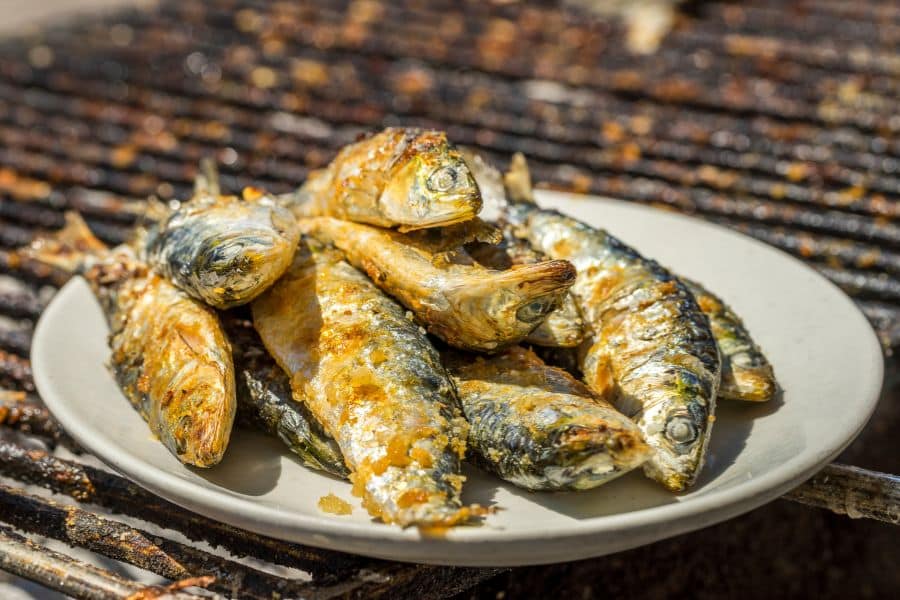
I love fish, so this isn’t a hard one for me to add to my diet, and there are so many health benefits.
Fatty fish is high in long-chain omega-3s (EPA and DHA), which support heart health, and people with type 2 diabetes carry a higher cardiovascular risk than the general population.
A study found that higher intake of oily fish was associated with lower risk of both type 2 diabetes and cardiovascular events in people who already had it.
Aim for two servings a week, around 3 to 4 ounces each. Wild salmon, sardines packed in olive oil or water, and mackerel are all affordable, and every bit as good nutritionally as the fresh stuff.
Sardines mashed onto wholegrain toast with lemon and pepper, or a tin of salmon stirred through a big salad with olive oil and capers, keep the meal low in refined carbs.
2. Leafy Greens (Spinach, Kale, Swiss Chard)
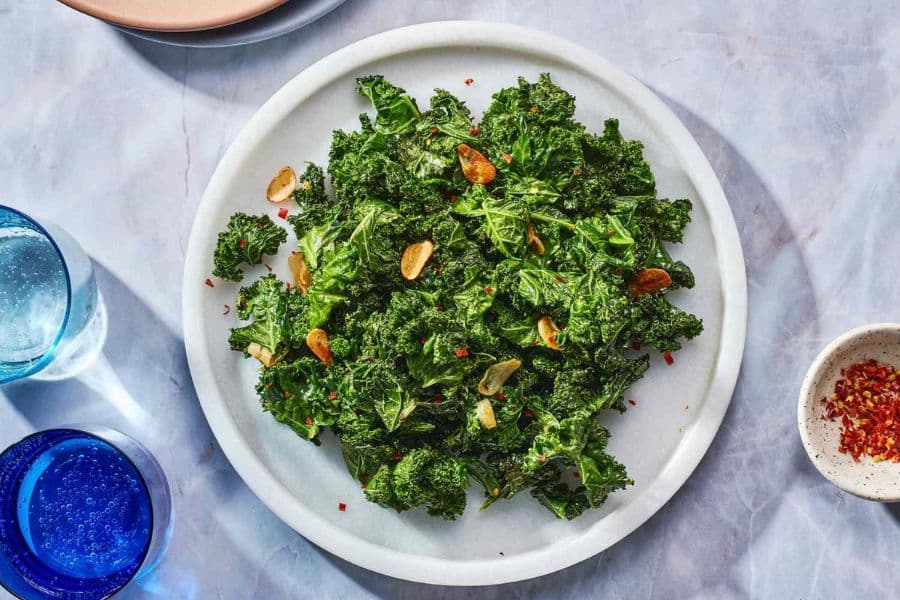
My husband turns his nose up every time I mention kale or spinach; however, there are plenty of ways to make them really tasty. Plus, leafy greens are almost calorie-free, very low in carbohydrate, and loaded with magnesium, a mineral that plays a direct role in how insulin works.
Low magnesium status is common in people with type 2 diabetes, and a study linked higher magnesium intake to lower risk of the condition.
A couple of big handfuls of spinach wilted into eggs, kale massaged with olive oil and lemon as a salad, or Swiss chard sautéed with garlic as a side are all really good. I usually add spinach to a curry just before serving, which is an easy way to incorporate it, as you barely notice it.
Frozen spinach is as nutritious as fresh and costs a fraction of the price, so keep a bag in the freezer for weeknight cooking.
Swap half your usual portion of rice or pasta for sautéed greens, and you’ve already softened the meal’s glucose response.
3. Berries (Blueberries, Strawberries, Raspberries)
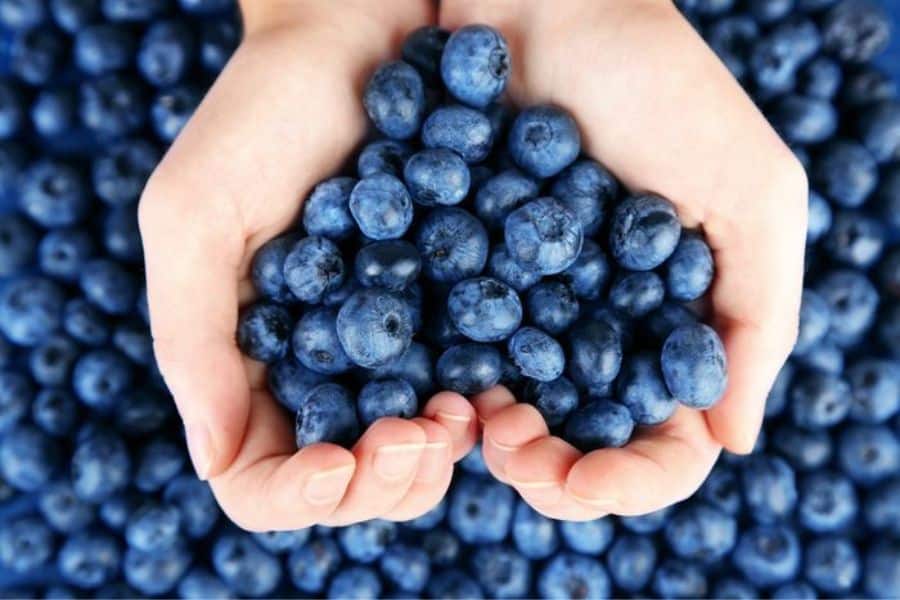
Berries are so easy to incorporate into your daily menu. I have mine as a breakfast smoothie in the summer and with porridge oats in the winter. They’re lower in sugar than most fruit and high in anthocyanins, the pigments that give them their color.
A study found that people who ate more anthocyanin-rich foods had better insulin sensitivity and lower fasting glucose levels.
A cup of blueberries, strawberries, or raspberries contains about 15 grams of carbohydrate but plenty of fiber, so the spike is less than that of the equivalent in juice or dried fruit. Frozen berries work just as well and are cheaper year-round.
A cup of berries with plain Greek yogurt makes a solid diabetes-friendly breakfast or snack, with the yogurt’s protein and fat further slowing the glucose response. Skip the flavored yogurts, which often carry more added sugar than a candy bar.
4. Extra Virgin Olive Oil
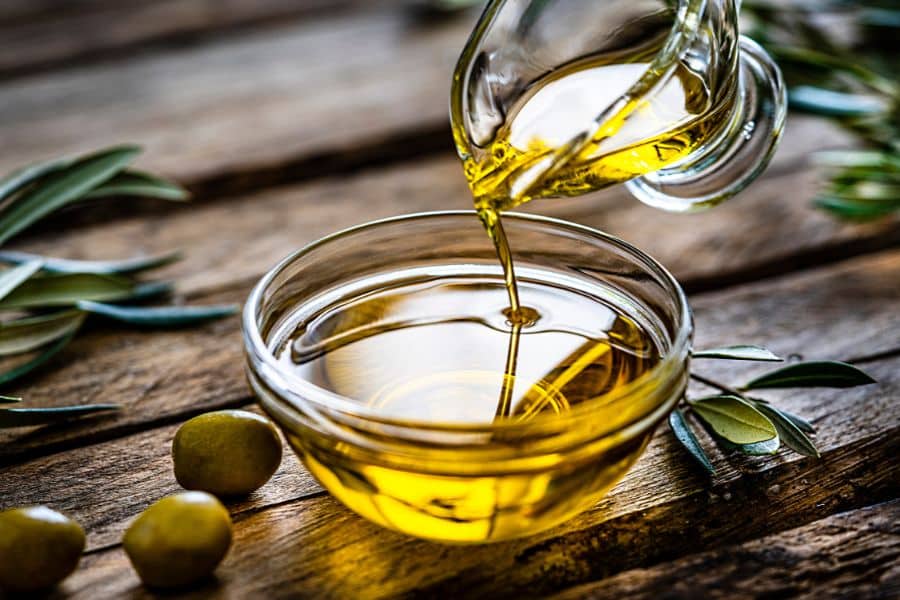
Extra virgin olive oil is the fat that most consistently shows up in blood sugar research, largely because it’s the backbone of the Mediterranean diet.
The landmark PREDIMED trial found that a Mediterranean diet supplemented with extra virgin olive oil reduced the incidence of type 2 diabetes by around 40% compared with a low-fat control diet.
Use it as your default fat for cooking and dressing. A couple of tablespoons a day, drizzled over salads, cooked vegetables, fish, or potatoes, is perfect. Look for a dark bottle, a harvest date on the label, and a peppery kick when you taste it neat.
Olive oil also slows gastric emptying, meaning carbs eaten with it hit the bloodstream more gradually.
5. Beans and Lentils
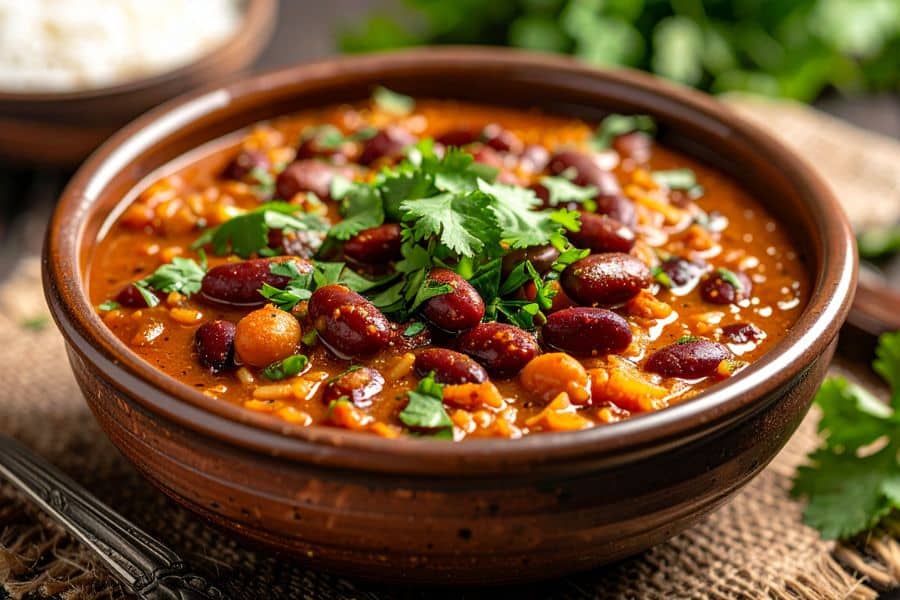
Chickpeas are my go-to when I’m making a curry, as they help make it more filling and give me an extra protein hit. I even made my own hummus this summer, and it tasted so much better than the bought stuff.
Beans, lentils, and chickpeas are among the few foods that deliver protein, fiber, and slow-digesting carbohydrates all in the same package. A randomized trial found that adding a cup of legumes a day to the diet of people with type 2 diabetes lowered HbA1c by around 0.5% over three months, an effect comparable to some medications.
Aim for at least three or four servings a week. A serving is around half a cup cooked. Lentil soup, black beans in tacos, chickpeas roasted for a crunchy snack, or a white bean stew with tomatoes and olive oil all count.
6. Nuts (Almonds, Walnuts, Pistachios)
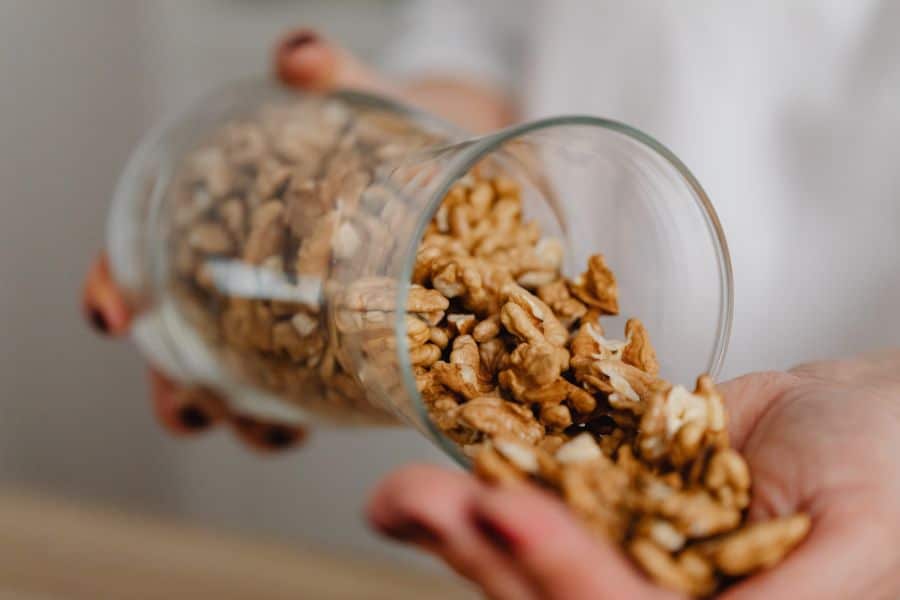
Nuts are one of the easiest ways to add fat, protein, and fiber to a meal, and they’ve been studied specifically for their effect on post-meal glucose.
A randomized trial in people with type 2 diabetes found that eating around a quarter cup of pistachios daily improved fasting glucose and insulin resistance over four months.
A small handful, roughly an ounce, is a reasonable daily serving. Walnuts bring omega-3s, almonds bring magnesium and vitamin E, and pistachios have some of the lowest glycemic impact of any nut. Buy them raw or dry-roasted and unsalted where possible.
Eat them with fruit rather than on their own. A pear with a handful of walnuts, or an apple with almond butter, blunts the glucose response of the fruit and keeps you full for hours longer than the fruit on its own.
7. Non-Starchy Vegetables (Broccoli, Cauliflower, Peppers, Zucchini)
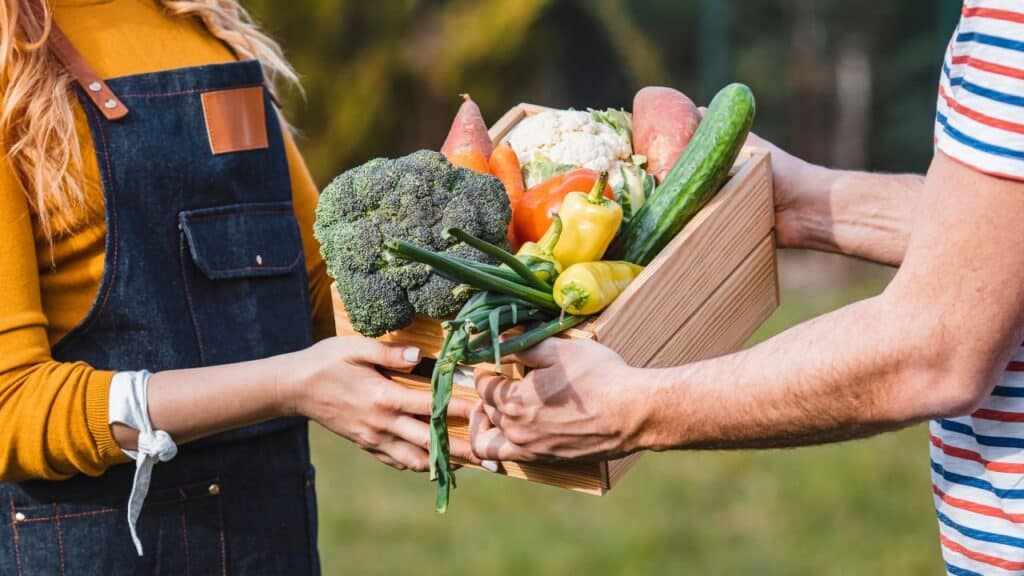
Non-starchy vegetables are the workhorse of a diabetes-friendly plate. They’re high in fiber, low in carbohydrate, and filling enough to displace higher-carb foods that spike blood glucose.
The American Diabetes Association’s “diabetes plate” recommends filling half your plate with them at every meal.
Broccoli, cauliflower, bell peppers, zucchini, green beans, mushrooms, tomatoes, asparagus, and cabbage all qualify. Try roasting them with olive oil, stir-frying them with garlic, or eating them raw with hummus.
Top tip: eat the vegetables and protein portion of your meal first, and save the carbohydrate for last. Studies on food order have shown lower post-meal glucose when carbs are consumed at the end of a meal rather than at the start.
8. Greek Yogurt and Fermented Dairy
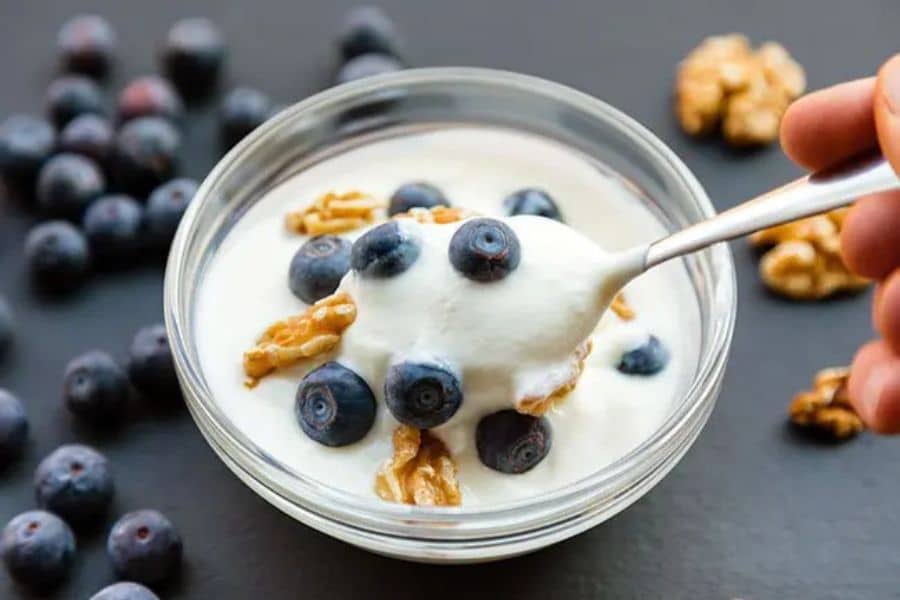
Plain full-fat Greek yogurt is high in protein, low in carbohydrate compared with regular yogurt, and contains live cultures that support gut health.
Buy plain, not flavored. A single-serving pot of flavored yogurt can carry 20 to 30 grams of added sugar, which wipes out the benefit. Add your own berries, a spoonful of chopped nuts, or a drizzle of olive oil and herbs for a savory version.
Around three-quarters of a cup makes a satisfying snack, with roughly 15 grams of protein. It’s the perfect alternative to a cookie when you get the 4 pm sugar slump.
9. Whole Oats (Steel-Cut or Rolled, Not Instant)

Oats contain beta-glucan, a soluble fiber that forms a gel in the gut and slows the absorption of glucose from a meal. A meta-analysis found that oat consumption significantly reduced fasting glucose and HbA1c in people with type 2 diabetes.
Steel-cut and rolled oats are what you want. Instant oats are pre-cooked and finely ground, which raises their glycemic impact considerably, and the flavored packets are usually sweetened. They almost taste like cardboard they’re so processed, so steer clear. A half-cup of dry rolled oats makes a filling bowl.
Cook them in water or unsweetened milk, then top with berries, nuts, seeds, and a spoonful of Greek yogurt. That combination, oats plus fat plus protein plus fiber, gives you a breakfast that keeps blood sugar steady.
10. Cinnamon
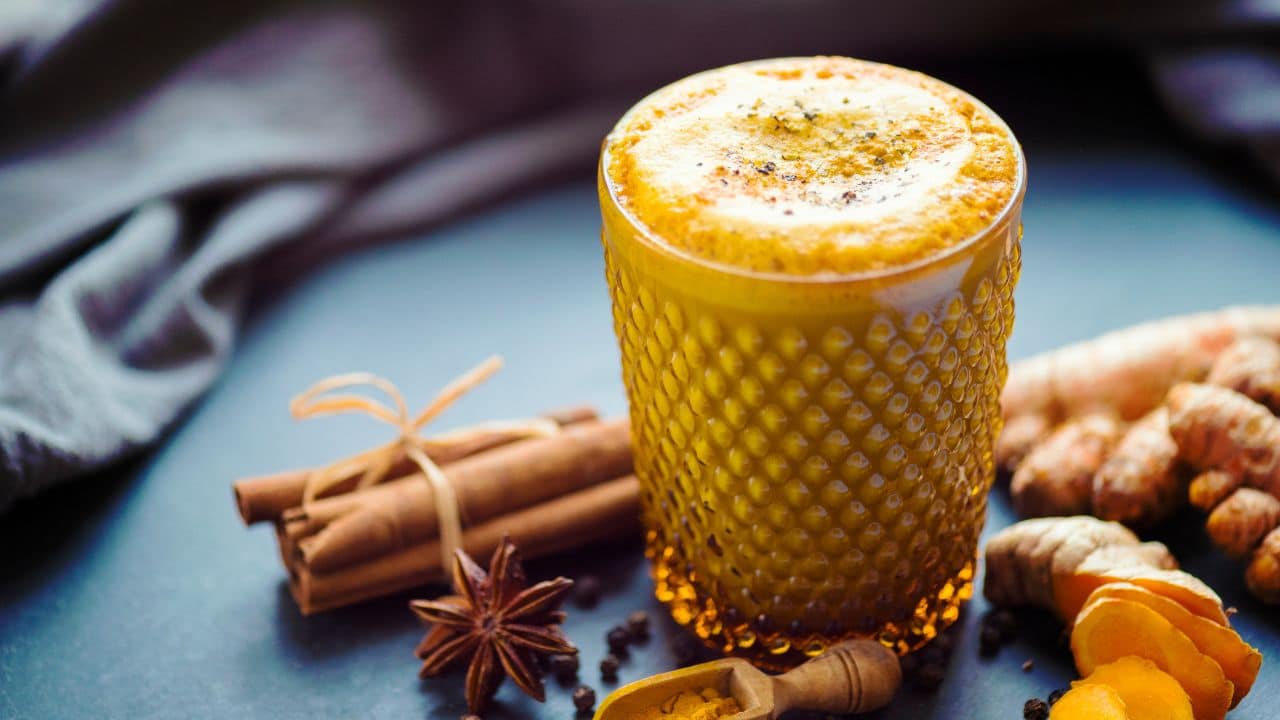
Cinnamon is one of the few kitchen spices that is great for blood sugar. A meta-analysis found that cinnamon consumption modestly reduced fasting glucose in people with type 2 diabetes, at around half a teaspoon to two teaspoons per day.
Cinnamon isn’t a substitute for medication or diet, and the effect is modest. But it helps, so sprinkle it on oatmeal, stir it into Greek yogurt, add it to coffee grounds before brewing, or blend it into a smoothie. It replaces the sweetness you might otherwise be tempted to add with sugar or honey.
Ceylon cinnamon (sometimes labeled “true” cinnamon) is preferable to cassia if you’re using it daily, since cassia is higher in coumarin, which can affect the liver in large amounts. Either works fine at culinary doses.
11. Avocado

Avocado is nearly all monounsaturated fat and fiber, with almost no impact on blood sugar. A study found that adding half an avocado to a lunch reduced post-meal insulin and increased satiety compared with the same meal without it.
Half an avocado on wholegrain toast with a poached egg is a blood-sugar-friendly breakfast, since the fat and protein slow the effect of the carbohydrate.
Sliced into salads, mashed as guacamole with vegetables to dip, or added to a grain bowl are all easy ways to add it to your diet.
Watch the portion if you’re managing weight, since a whole avocado runs to around 320 calories.
12. Chia Seeds

Chia seeds are around 40% fiber by weight, most of it soluble, and they form a thick gel when they come into contact with liquid. That gel slows digestion and reduces the glycemic impact of whatever you eat them with.
A trial found that chia seeds improved blood sugar control and cardiovascular risk markers in adults with type 2 diabetes over 12 weeks.
Two tablespoons a day is a reasonable target, giving you around 10 grams of fiber. Stir them into yogurt, sprinkle over oatmeal, or make overnight chia pudding by soaking three tablespoons in a cup of unsweetened milk in the fridge overnight, then topping with berries.
Drink water with them. All that soluble fiber pulls in liquid, and eating chia seeds dry without enough fluid can cause bloating or discomfort.
Disclaimer: This article is for general information only and is not professional advice. It may contain affiliate links. Please see our full Editorial Policy for details.

Kylie Lang is a nationally syndicated travel journalist with bylines on the Associated Press Wire & more, a lifestyle writer, and the founder and editor of Your Lifestyle Library (yourlifestylelibrary.com). She holds a BA (Honours) in History from the University of Kent and is a member of the British Guild of Travel Writers.