
I’ve always loved butterflies. When my grandma passed away, I was only eight, and that whole summer, a single pretty butterfly seemed to spend its days in our garden. My mom was convinced it was Grandma, come back to watch over us. I’ve never quite let go of that idea, and I don’t think I want to.
There’s something so calming about watching them flutter about. Some of them are just stunning, all those colors catching the light. So if I can talk a few more of them into stopping by and staying a while, I’m all for it.
It’s easier than you’d think to attract them. All you need is the right flowers, and most of the best ones are native, cheap, and almost impossible to kill.
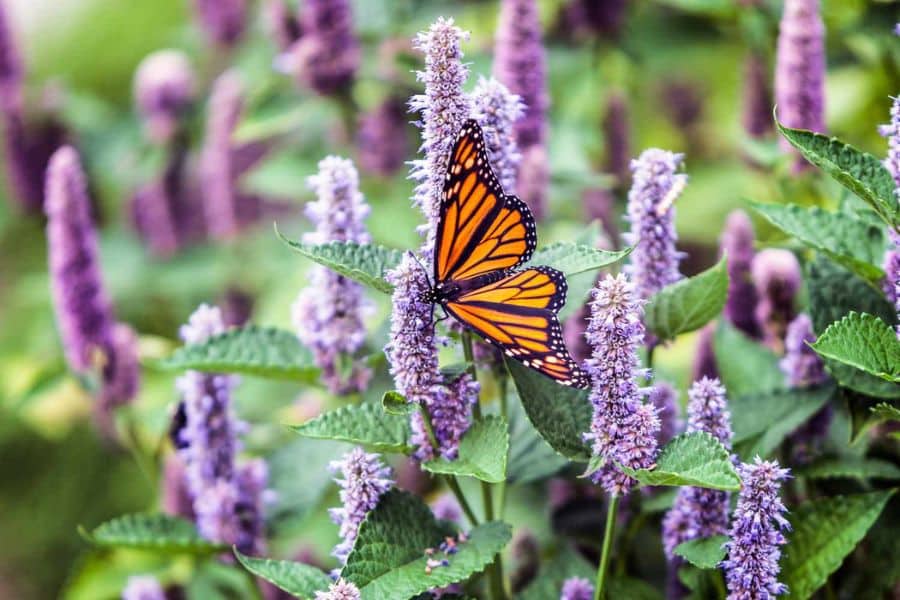
Why Native Plants Beat a Fancy Butterfly Bush
A butterfly bush isn’t native to most of the States; it spreads where it isn’t wanted, and it leaves the adults with nothing to raise their young on.
Whereas native plants do both jobs. They give grown butterflies the nectar they drink, and they give caterpillars the leaves they actually need to grow up. A butterfly garden with no caterpillar food is like a restaurant with no kitchen.
Monarch numbers have dropped by around 90 percent in the last twenty years, largely because the wild milkweed they depend on has been paved over and sprayed out of the landscape. Your borders can be a little pit stop on their long journey, and I love that idea.
The 9 Easy Native Plants That Bring the Butterflies In
Plant a few of these, and you’ll notice the difference in a single season. I’ve mixed early bloomers with late ones on purpose, so keep reading to the tips at the end.
1. Milkweed, the One You Really Can’t Skip
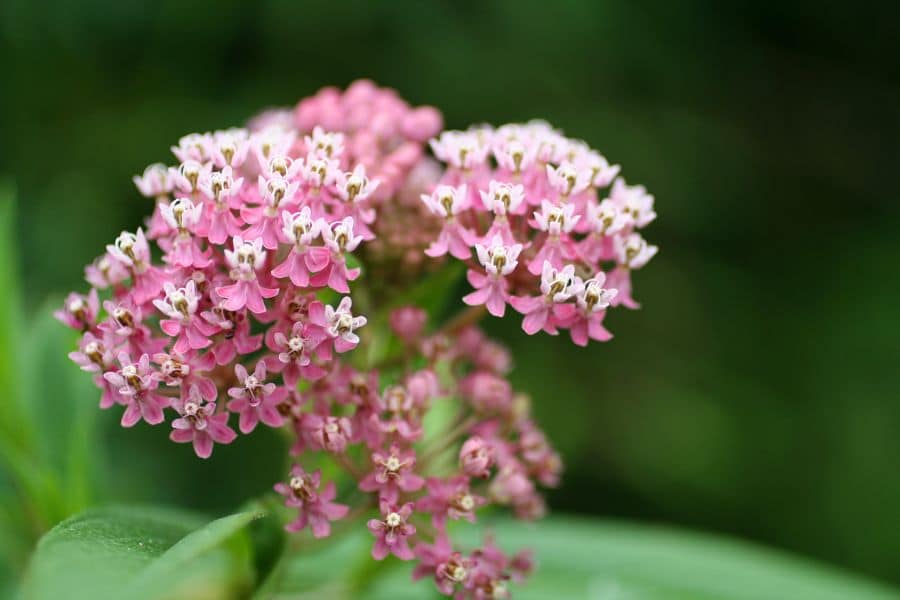
If you plant nothing else, plant this. As I mentioned above, milkweed is the only thing monarch caterpillars can eat, full stop. No milkweed, no baby monarchs.
Butterfly weed gives you bright orange blooms, and swamp milkweed a softer pink. Both love full sun and aren’t affected by drought once they’re settled. It’s a tough, cheerful plant that’s hard to kill.
2. Purple Coneflower
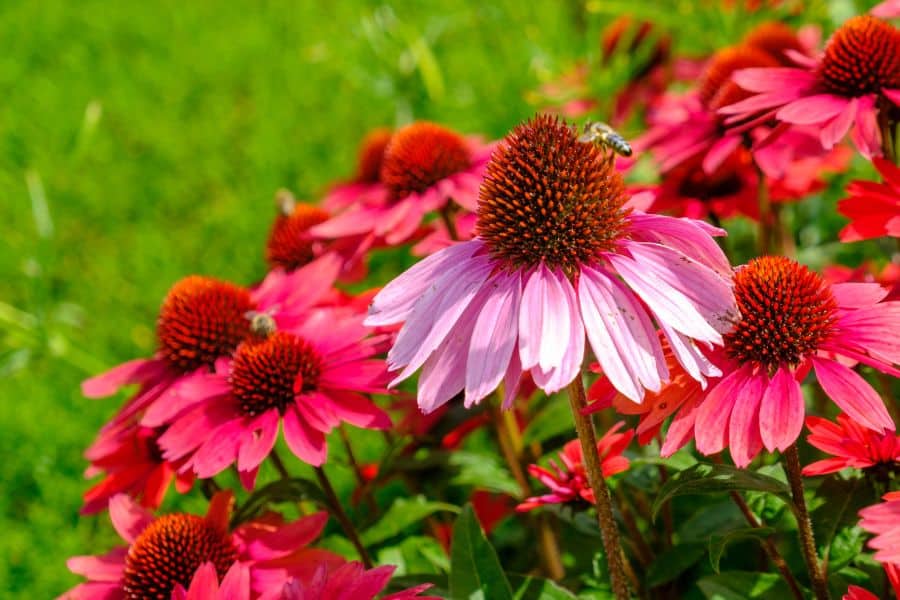
Coneflower is the workhorse of a butterfly border. Those flat purple-pink daisies are the perfect landing pad, and they pull in swallowtails, fritillaries, skippers, and more.
It flowers from summer into early fall, and if you leave the seedheads standing over winter, the goldfinches will thank you, too.
3. Black-Eyed Susan
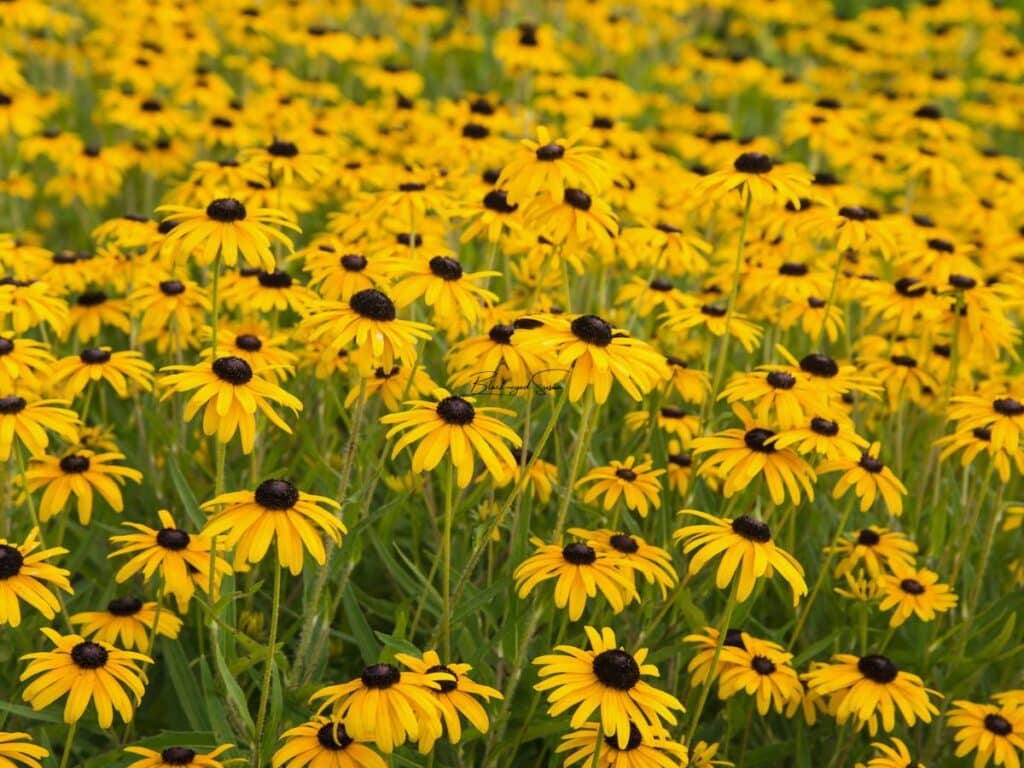
Cheery golden petals surround a dark middle, and it blooms its heart out for months. Black-eyed Susan is tough as old boots, happy in full sun, and one of the easiest plants going for a nervous beginner. If you kill this, I’ll eat my garden kneeler.
4. Bee Balm
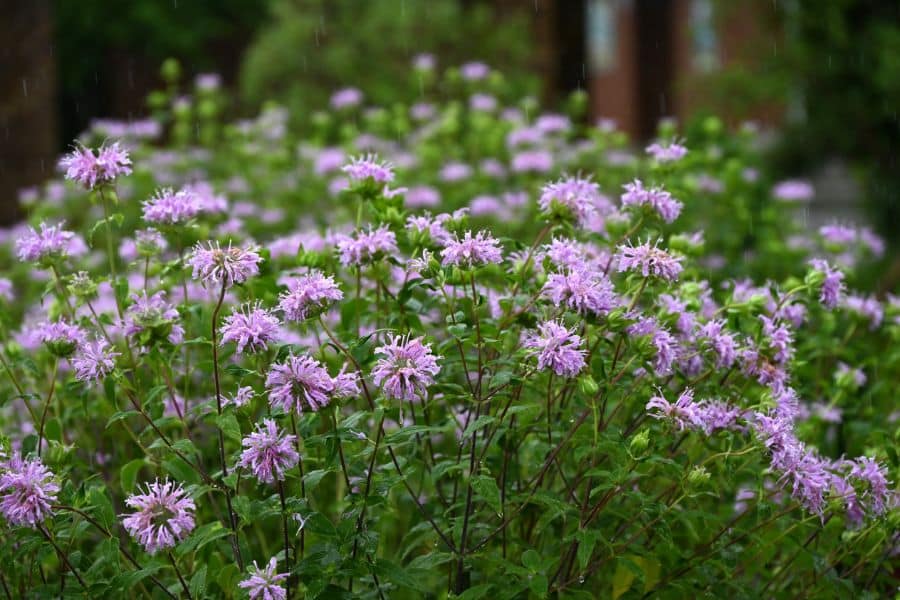
Shaggy, slightly wild-looking flowers in red, pink, or purple, and the butterflies and hummingbirds both adore the tubular blooms. It flowers in the heat of mid to late summer.
One word of warning: it likes to wander, so give it a bit of room to spread and don’t tuck it in beside anything shy.
5. Joe-Pye Weed
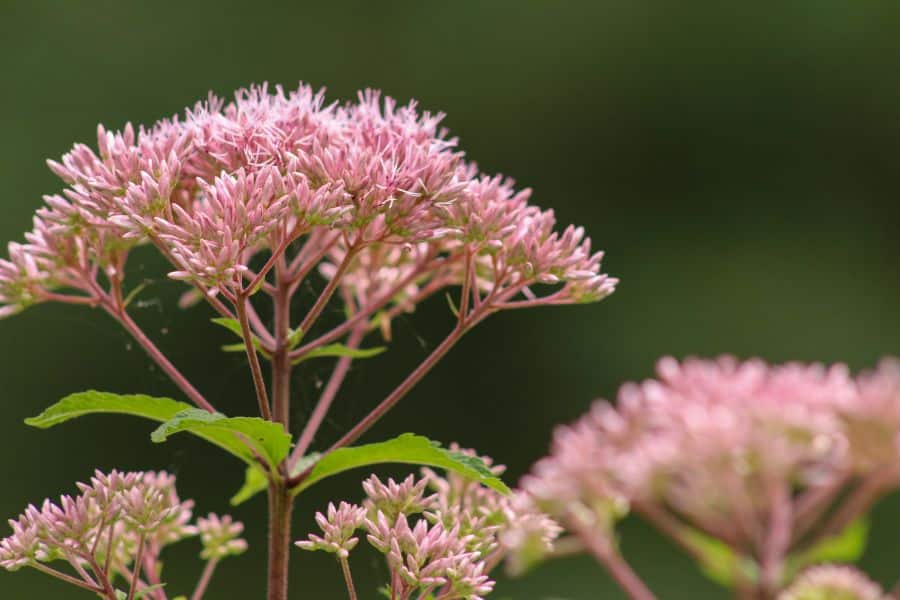
Don’t let the word “weed” put you off. This one is a proper showstopper, tall dusky-pink domes that butterflies absolutely swarm in late summer.
It likes a damp spot and a bit of height at the back of a border. Stand near it on a warm afternoon, and you’ll hear the whole thing humming.
6. New England Aster
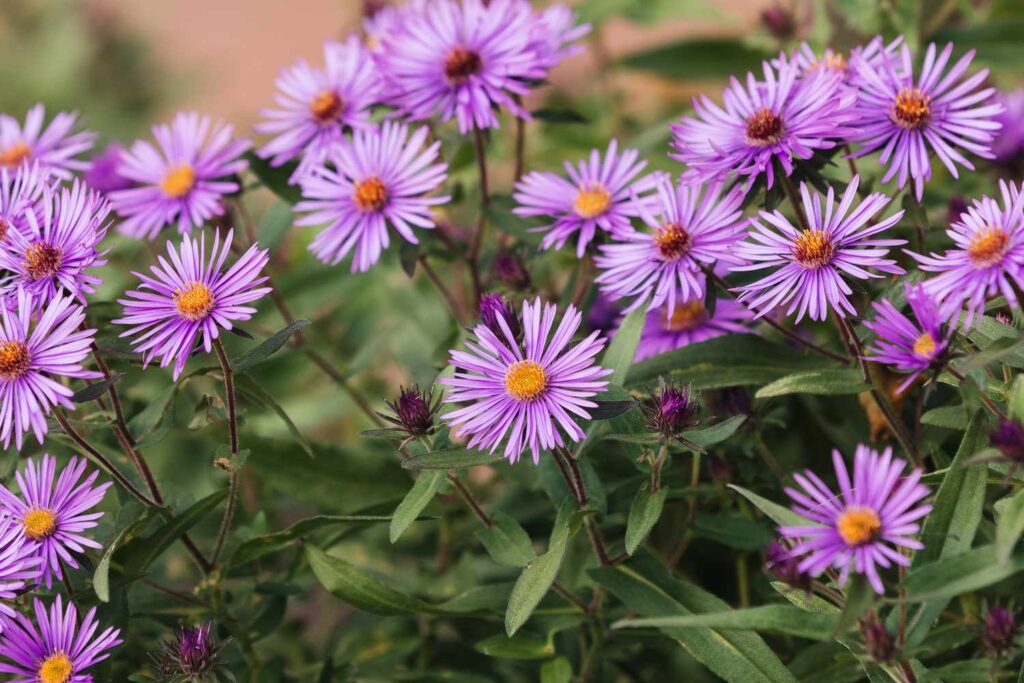
Asters are your late shift. When most of the garden is winding down, these purple daisies burst open and feed the monarchs, fuelling up for their long trip south. That late-season nectar is a lifeline, and it’s why an aster or two earns its place in every butterfly garden.
7. Blazing Star
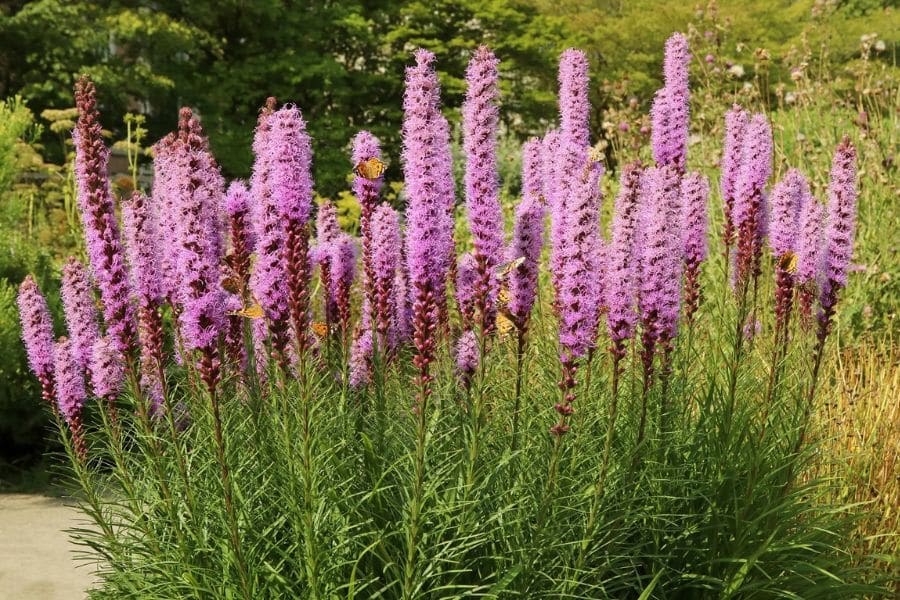
Tall purple bottlebrush spikes that butterflies pile onto them. Blazing star flowers through summer, copes happily with poor soil and full sun, and adds a lovely bit of vertical drama among all the daisies. It’s a favorite of mine for that reason.
8. Goldenrod
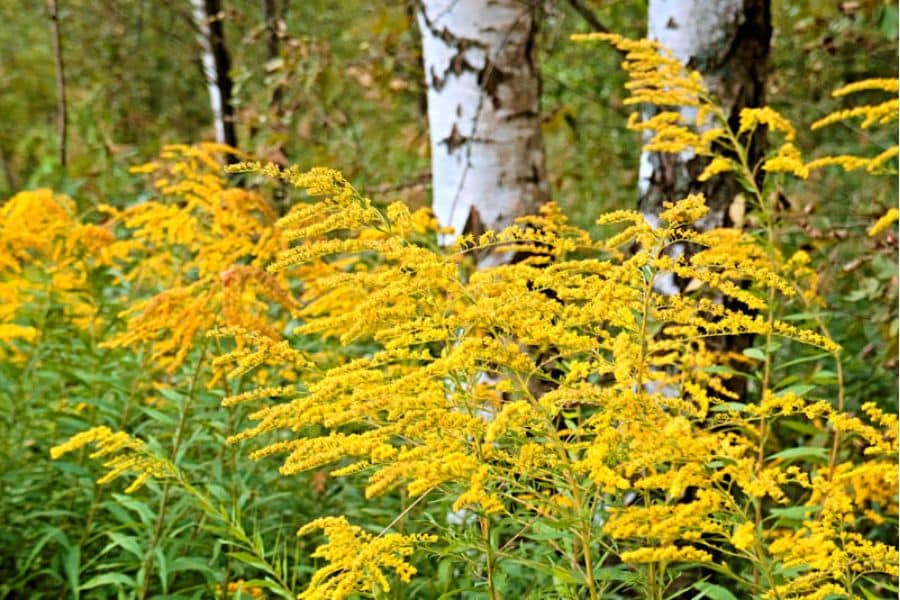
Let’s clear something up. Goldenrod does not give you hay fever. That’s ragweed, which flowers at the same time. Goldenrod is one of the best late-season nectar plants there is, a froth of gold in fall when butterflies are desperate for a last feed.
9. Coreopsis
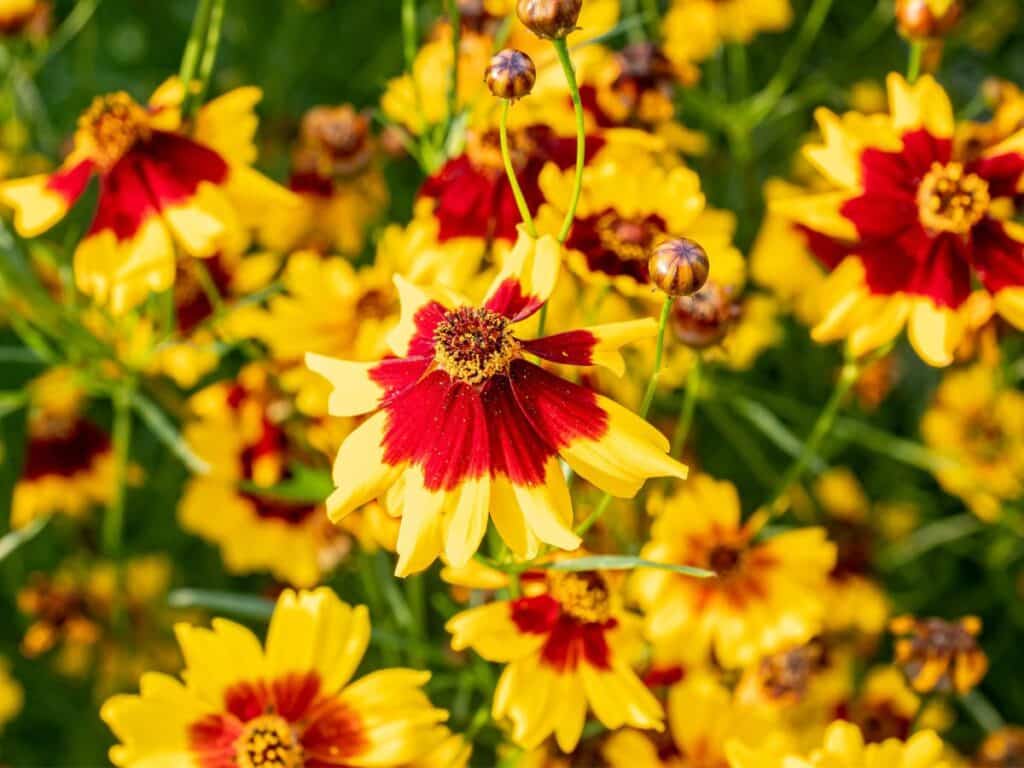
Little sunny daisies that bloom all summer long, especially if you snip off the faded ones now and then. Coreopsis is drought-tolerant, endlessly forgiving, and another brilliant one if you’ve never grown a thing in your life. It fills gaps beautifully and keeps the color coming.
A Few Simple Tips to Make Them Stay
Getting butterflies to visit is one thing. Getting them to settle in is another. A few small tricks make all the difference.
- Plant in clumps, not dribs and drabs. A large patch of a single color is far easier for a passing butterfly to spot than a single flower here and there. Group three or five of the same plant together.
- Stagger your blooms. Aim for something flowering from spring right through to the first frosts. That’s why the asters and goldenrod matter; they feed the stragglers when the summer stuff is long gone.
- Give them sun. Butterflies are cold-blooded and love to bask. Most of these plants want full sun anyway, so pick your brightest spot.
- Put out a puddling stone. Set a flat rock in the sun with a shallow dish of wet sand or mud nearby. Butterflies sip minerals from damp ground, and they’ll love you for it.
- Put the pesticides down. This is the big one. Sprays that kill aphids kill caterpillars too, and a caterpillar is just a butterfly that hasn’t got going yet. If you want the butterflies, you have to welcome the caterpillars first.
None of this is hard, and most of these plants fall firmly into the hard-to-kill camp for lazy gardeners, which suits me down to the ground. If you’re just getting going and want a wider list of easy wins, these fast flowers to plant in spring are a good companion to this lot, and plenty of them pull the butterflies in, too.
And if you’re starting with a bare patch of nothing, don’t be daunted. Even people who’ve never grown a thing in their life can get a butterfly border going in a season.
I still think of my grandma every time one drifts past me while I’m out weeding. Silly, maybe. But I plant these flowers as much for that as for the butterflies themselves.