
It’s tempting to start chopping your plants when fall comes around. After the warm summer months, many of your plants may appear dead and need to be cleared away. However, not all plants thrive when cut back in Autumn.
For some, it’s the kiss of death, and they never recover. I’ve been guilty of whipping out my secateurs and merrily clipping away, thinking I’m doing a great job. All the while mentally giving myself a “good gardener” medal.
So, how do you know which plants to chop and which to leave? If you don’t chop them, what do you do with them? These 12 common plants are ones you may well have in your garden and should go on the “don’t chop in Autumn” list.
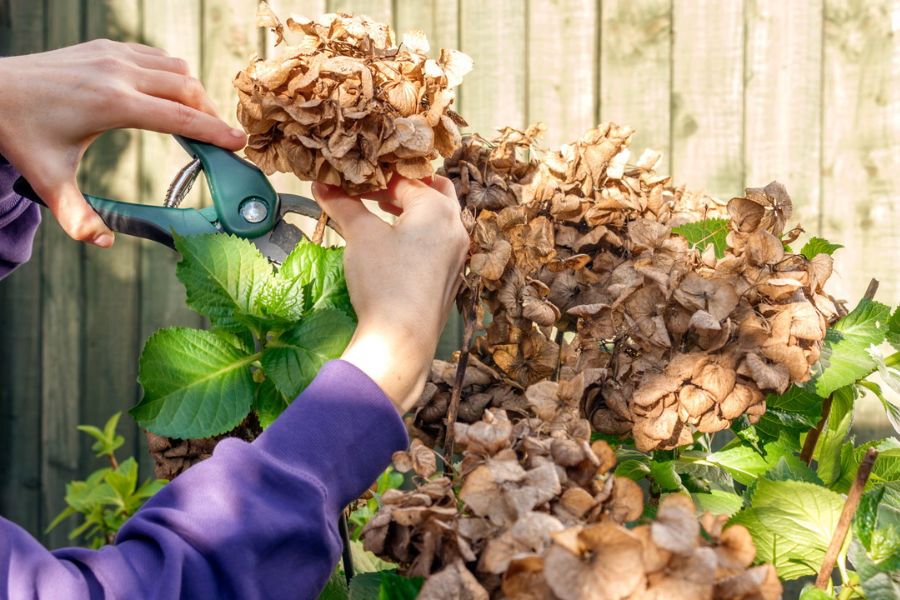
Hydrangeas
Hydrangeas typically bloom from late spring through summer, producing lovely, big flower heads from blue to pink. I have two big bushes in my garden, and they’re gorgeous, but they don’t like too much sun; otherwise, they burn, wither up, and die.
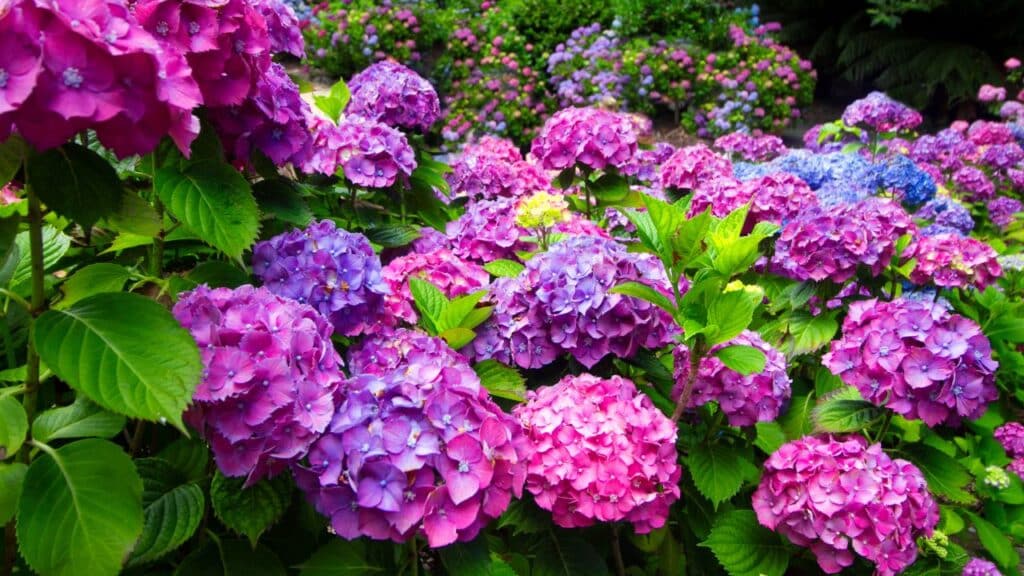
This happened to my hydrangeas last year, and it was so tempting to cut them back because they looked so sad. But cutting them back in the fall can damage next year’s growth, as many hydrangea varieties form buds on old wood. Plus, it protects the buds from frost.
Fun fact: In Japan, hydrangeas are called “ajisai.” They symbolize heartfelt emotions, making them a popular flower for expressing gratitude.
Lilacs
Lilacs flower in late spring and grow in small clusters, ranging from white to deep purple. They are great for covering ugly areas of your garden, which is how I use them. However, don’t be tempted to clip them in the fall because you’ll do more harm than good.
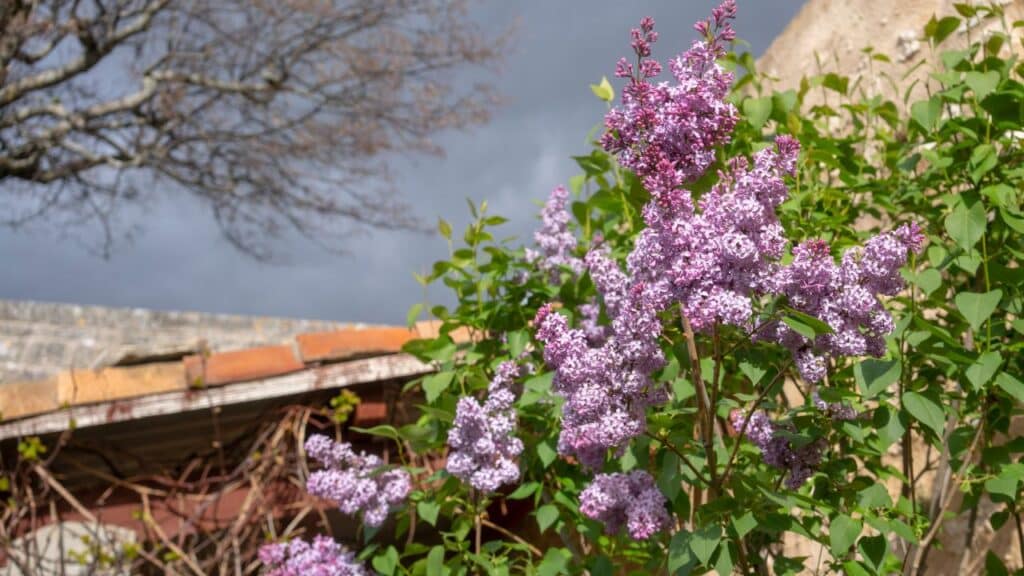
The best time to prune lilacs is immediately after they finish blooming in late spring.
Fun fact: Lilacs are also known for their medicinal properties; they have been used in traditional medicine to treat colds and respiratory issues.
Azaleas
Azaleas are part of the Rhododendron family and have gorgeous, big spring blooms ranging from red to pink to white. Pruning and fertilizing azaleas in the autumn can stimulate growth that is vulnerable to winter damage.
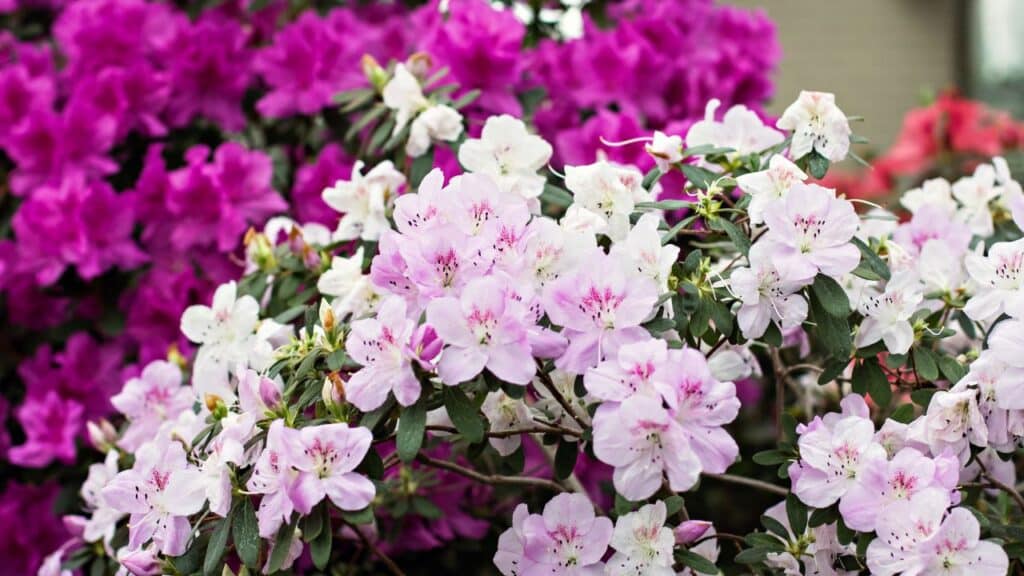
The best time to prune them is right after they finish blooming in the spring; that way, you won’t accidentally remove any buds.
Fun fact: In Chinese culture, they call azaleas “thinking of home bush,” symbolizing longing and homesickness.
Rhododendrons
Rhododendrons were one of my favorite plants as a child, but I struggled to pronounce the name. I loved their gorgeous color and bright green leaves, and now have many of them in my garden. Similar to Azaleas, they need pruning straight after their spring bloom.
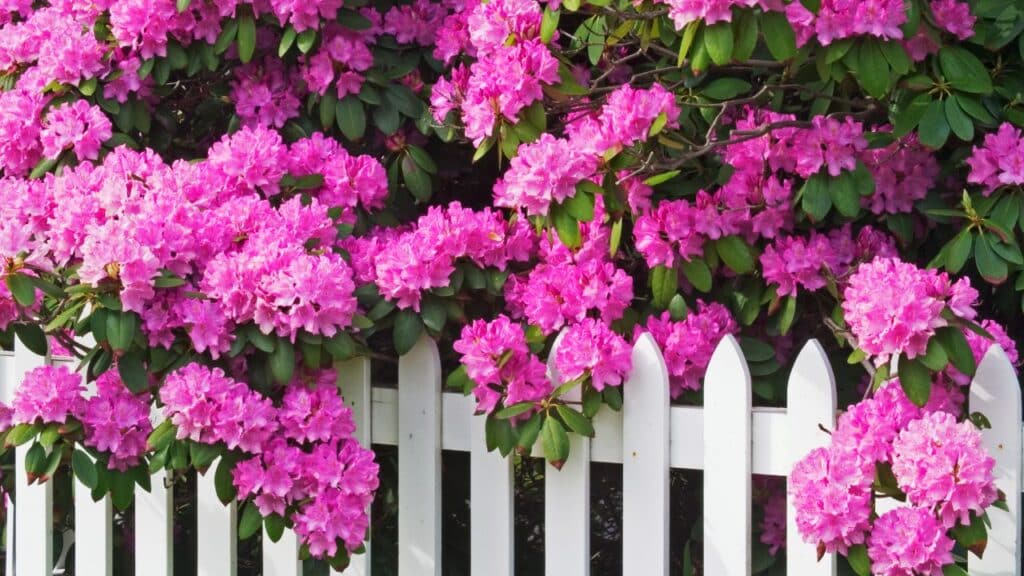
Fun fact: Rhododendrons have been used as a symbol of danger in some cultures due to their toxic properties. Consuming parts of the plant can cause illness, especially the nectar, which produces “mad honey” when bees collect it.
Spring-Blooming Clematis
Clematis loves to climb. I have a big wrought iron fence around my property here in France, and I have trained my clematis to climb it. The result is stunning, as they are so pretty, with different shades of pink, purple, and a smattering of white.
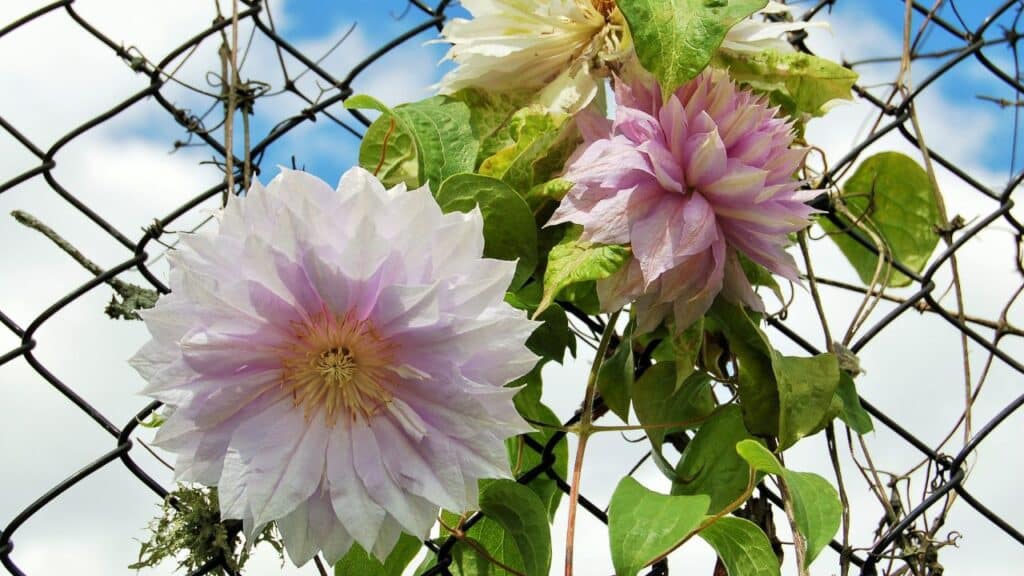
They are another flower that doesn’t like pruning in the fall. Instead, wait until after the blooming period.
Fun fact: The name “clematis” comes from the Greek word “klematis,” which means “vine,” highlighting their climbing nature.
Peonies
Peonies are a favorite at weddings. I used to work in the wedding industry as an event designer, and my florist always stressed about the availability of peonies for her brides. They smell beautiful and come in various colors, from white to deep red.
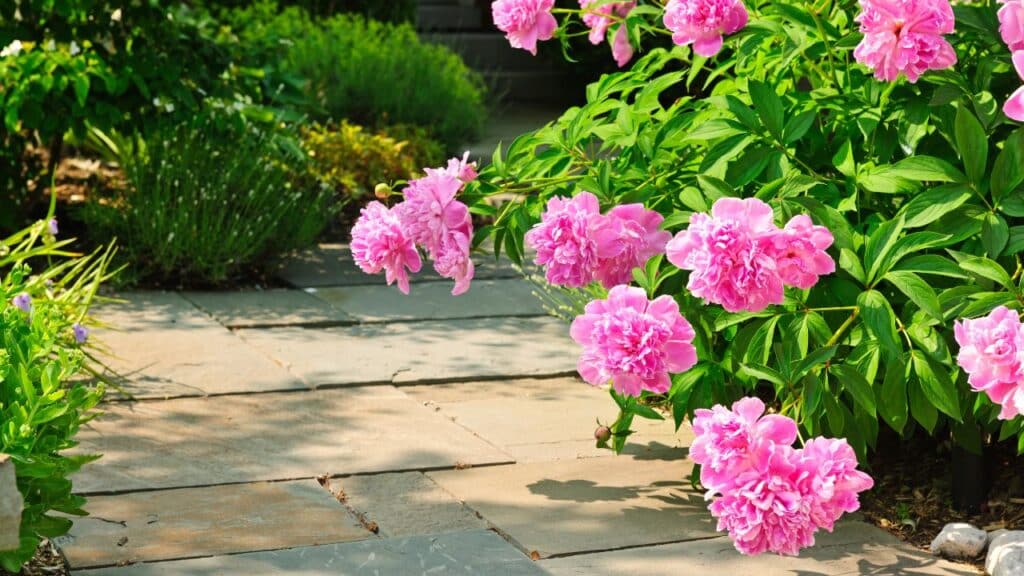
They are perennials and typically bloom in late spring to early summer. The best time to prune them is in late autumn after the first frost has blackened the foliage. At this point, you can cut back the stems to ground level.
Fun fact: Peonies have been used in traditional medicine for centuries to treat various ailments, including digestive issues and inflammation.
Forsythia
Forsythia are bright yellow flowers that signal the start of spring as they are early bloomers. Often, their flowers come out before the leaves have fully emerged. If you’ve ever seen the floral arches in the gardens they feature in gardening TV shows, you’ll probably have seen forsythia.
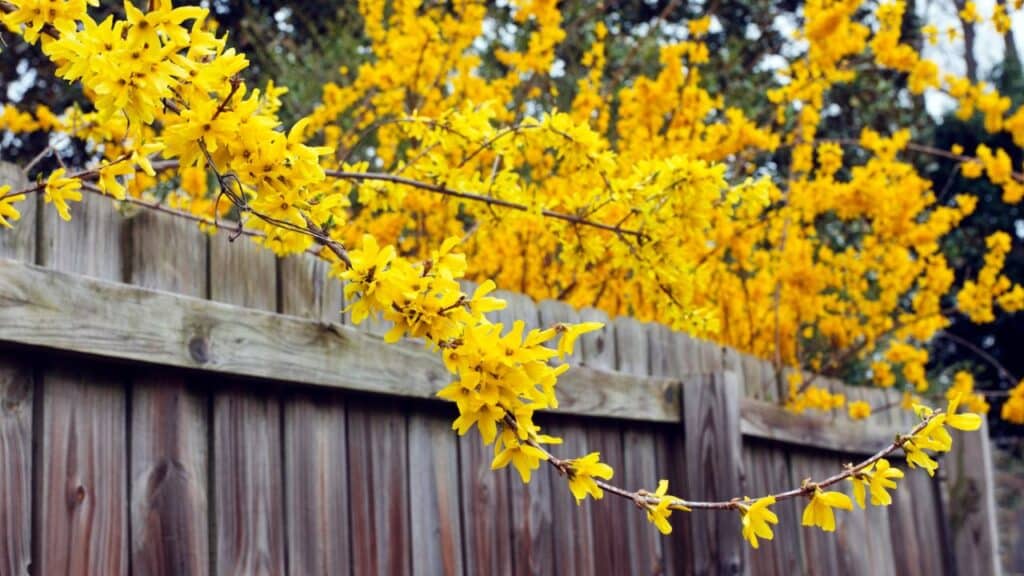
Their branches are highly flexible and used in pleaching, woven to create living fences or garden archways. It’s best to lightly prune them after they’ve bloomed.
Fun fact: Forsythias get their name from William Forsyth, an 18th-century Scottish botanist.
Wisteria
Wisteria is a climbing vine that produces spectacular blooms in late spring or early summer. As it climbs, it twists its vines in a spiral pattern, which helps it cling to and wind around its supports. You often see them here in France, covering the garden fences.
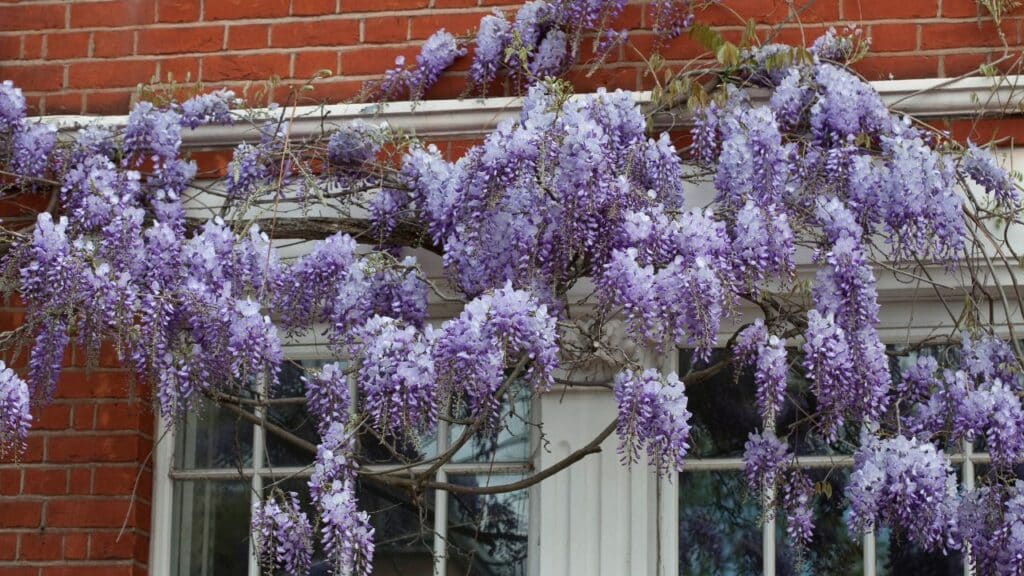
The colors are similar to those of clematis, and it is best pruned in late winter or early spring, before new growth begins.
Fun fact: Wisteria vines can grow up to 10 feet a year and become pretty heavy.
Camellias
Camellias bloom from late winter to early spring, bringing winter color to your garden. They are evergreen shrubs, and you should prune them when they finish blooming, usually in late spring.
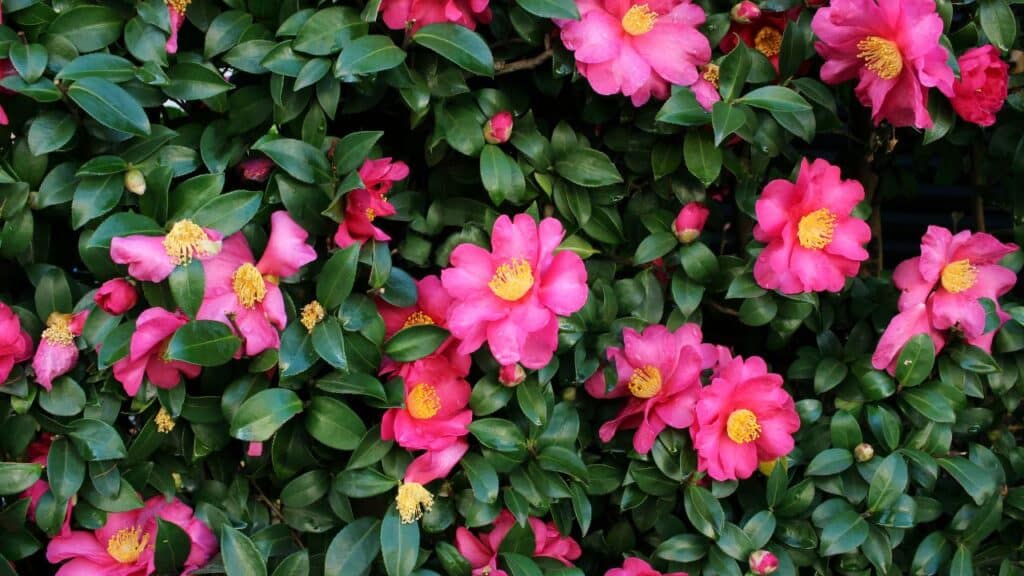
Fun fact: Camellias (Camellia sinensis) are also the source of tea and have a long-standing cultural significance in Japan, where they are called Tsubaki. They symbolize admiration, and samurai once associated them with death because the blossoms fall whole, rather than petal by petal, which they viewed as a metaphor for their swift and honorable deaths in battle.
Mock Orange
Mock orange earned its name due to the citrus-like scent of its blossoms, reminiscent of orange trees. However, while the flowers smell like oranges, mock orange is unrelated to citrus trees and doesn’t bear fruit. They bloom late spring to early summer, so leave pruning until after flowering.
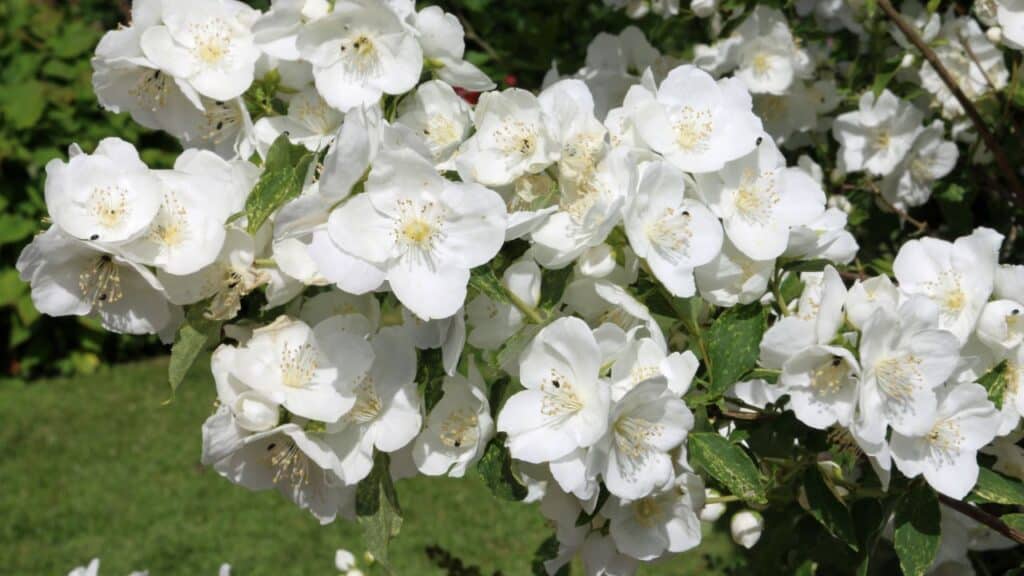
Fun fact: Native Americans historically used some mock orange species to make tools.
Magnolia
I have many magnolias in my garden, and they are another late-winter, early-spring bloomer. When they bloom, they are a gorgeous spread of pink, purple, and white that brightens up a dull winter day. These trees set their flower buds in the previous growing season, so avoid pruning in Autumn.
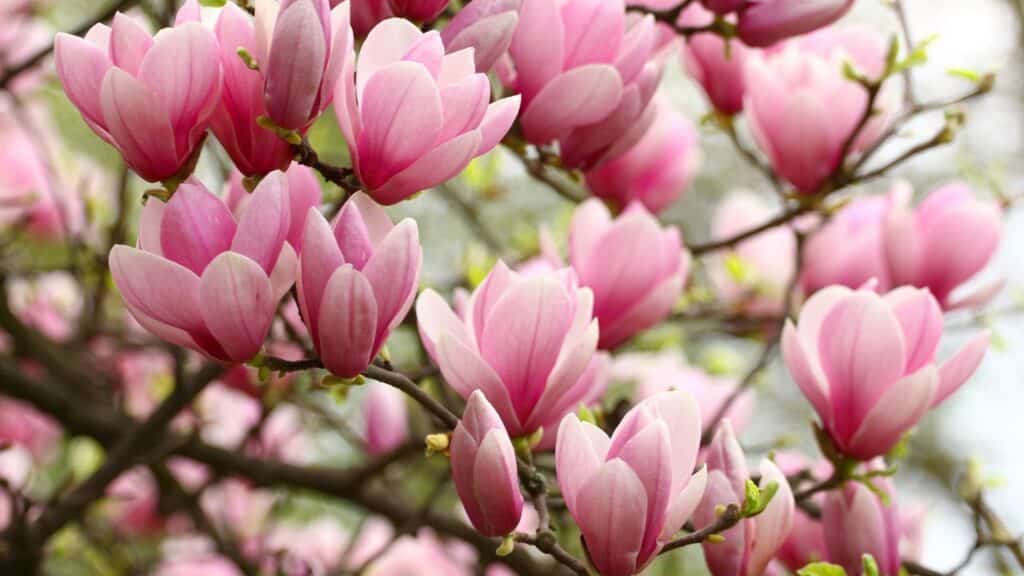
Fun fact: Magnolias have evolved to be pollinated by beetles rather than bees due to their ancient ancestry, making their flowers some of the oldest in the plant world.
Mountain Laurel
Mountain laurel blooms in late spring to early summer in a cluster of pink and white flowers. It’s an evergreen shrub that contains compounds toxic to humans and animals, which act as a natural deterrent against browsing animals.
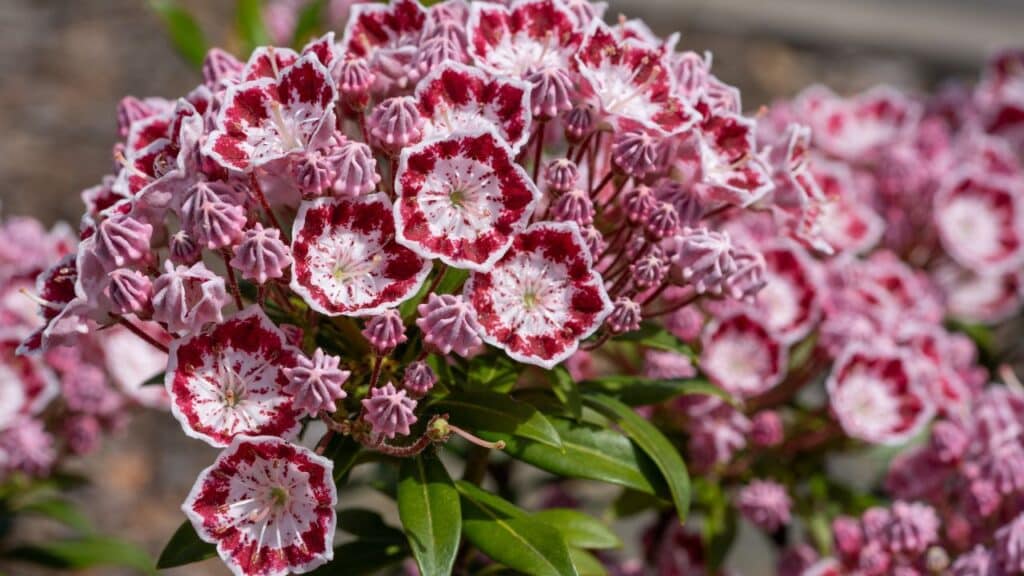
The ideal time to prune mountain laurel is after it finishes blooming.
Fun fact: The mountain laurel is the state flower of Pennsylvania.