
Gardening is one of those hobbies where you start with bags of enthusiasm and then life has a habit of getting in the way. You forget to do the watering, the weeds start to take over the flowerbeds, and you’d rather have a lie-in on Sunday than get up early to do some gardening.
If any of that sounds like you, and no shame if it does, then these self-seeding flowers are the ones you want to plant in your garden. They require very little nurturing, so far less gardening guilt.
All of them will come back on their own, and none of them will hold it against you if you forget they exist for a month or two, which I’ve definitely been guilty of.
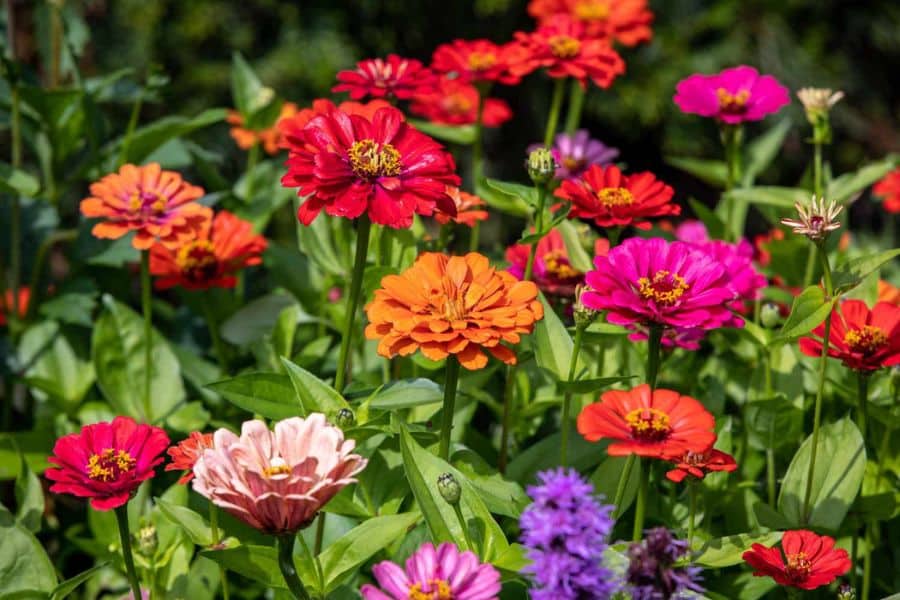
1. Aquilegia (Granny’s Bonnets)
Aquilegia is a hardy perennial. The flowers come in May and June, those funny nodding bonnet shapes on tall thin stems, and they’ll grow happily in sun or part shade.
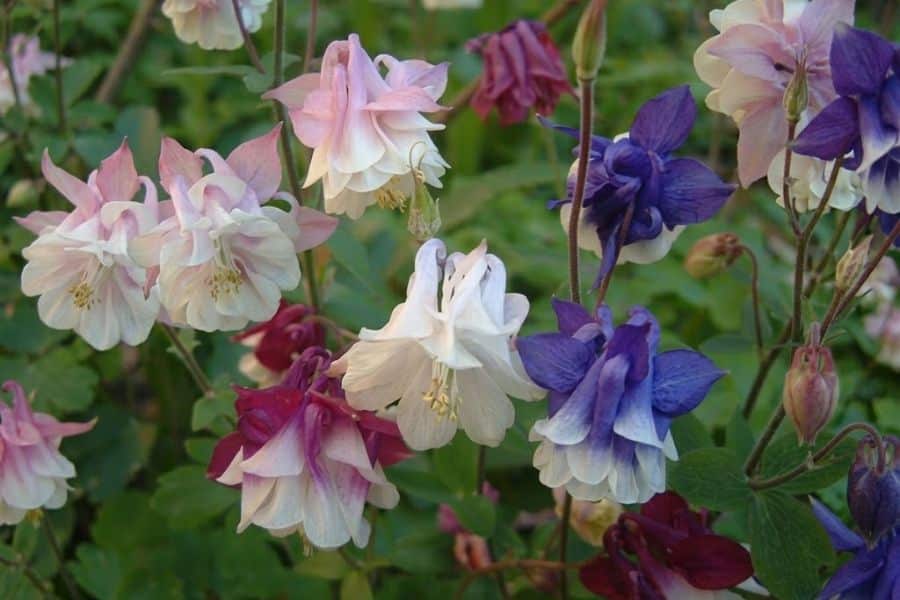
What I love about aquilegia is that the seedlings often come up in slightly different colors from the parent, because they cross-pollinate happily with their neighbors.
If you want more where they’re growing, let the seed pods dry on the plant and give them a shake over the spots you’d like them to fill in.
2. Foxgloves
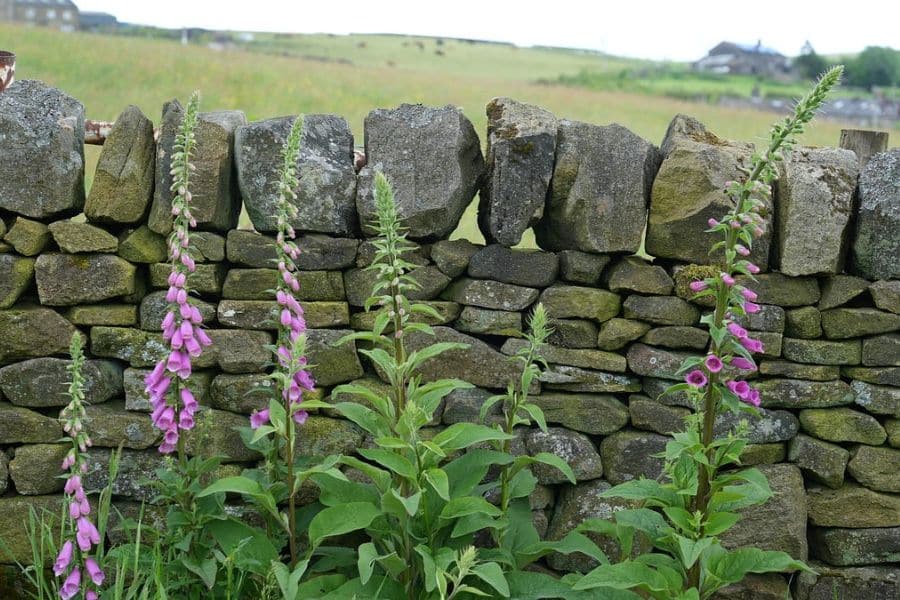
Foxgloves were my Grandma’s favorite flower, and she had a lot of them. I loved watching the bumblebees disappear into those tall spires of pink and white. I’ve grown them in every garden I’ve had since, and they’ve never once let me down, which is more than I can say for most of my tomato attempts.
Technically, most foxgloves are biennials, meaning the first year they grow leaves and the second year they flower and set seed, but because they self-seed so freely you end up with a rolling supply that behaves exactly like a perennial patch.
Plant a couple this year and next year the babies will already be coming through, and the year after that you’ll have foxgloves for the foreseeable future. They love a bit of shade and don’t mind heavy soil.
One word of caution: every part of the foxglove is toxic if eaten, so if you have small kids or a dog that chews everything in sight, plant them somewhere out of reach.
Beyond that, they need nothing from you. Don’t deadhead them if you want more, because those seed heads are next year’s plants.
3. Verbena Bonariensis
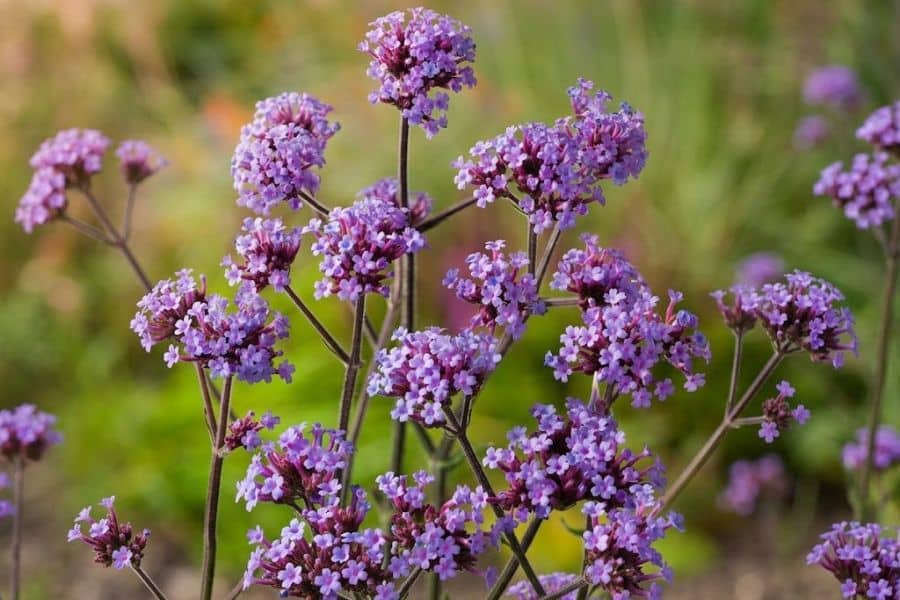
Verbena bonariensis is the tall, wiry flower with little clusters of purple flowers floating on thin stems, the sort of plant that sways at about 4 or 5 feet high and lets you see straight through it to whatever’s behind. Bees and butterflies go mad for it.
It’s a short-lived perennial in warmer spots and can be more of a self-seeding annual in colder ones, but either way the effect is the same: you end up with more of it every year without doing anything.
It likes sun, doesn’t mind poor soil, and actually flowers better if you don’t overfeed it. Leave the seed heads on through winter, because the goldfinches love them and the seeds need the cold to germinate properly in spring.
4. Hellebores (Lenten Rose)
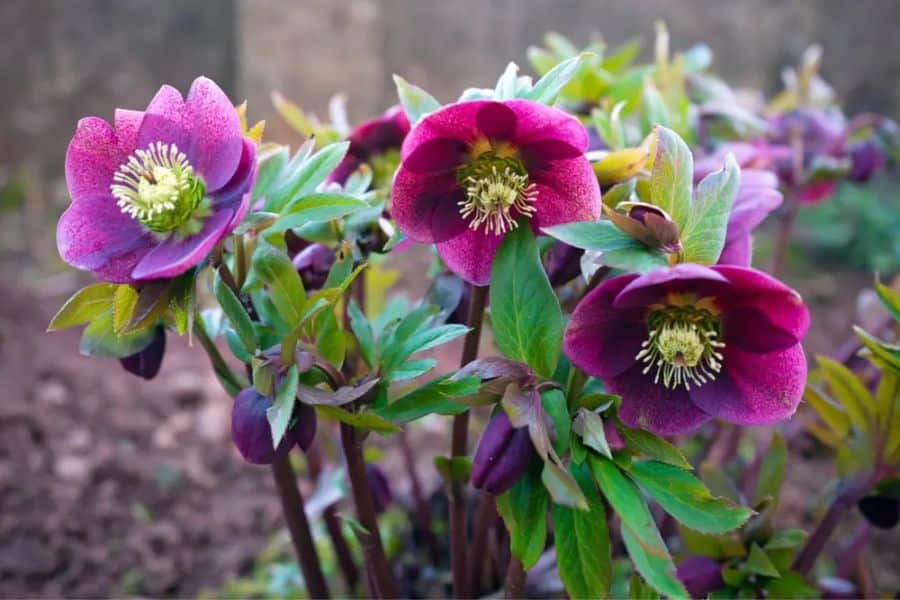
Hellebores are the plant I recommend to anyone who says they can’t grow anything, because they flower in late winter and early spring when nothing else is doing much. Mine start showing color in February, those nodding cups in cream, pink, deep plum, and near-black, and they’ll keep going for weeks.
They’re proper perennials, coming back bigger and better every year, and once they’re established, they’ll start dropping seed and producing little seedlings around the base of the parent plant.
The seedlings take a couple of years to reach flowering size, so this is a slow, gentle spread rather than a takeover.
They prefer part shade and don’t like being moved once they’re happy, so pick a spot and leave them to it. The only job I do is cut back the old, tatty leaves in late winter so the flowers can be seen properly.
5. Nigella (Love-in-a-Mist)
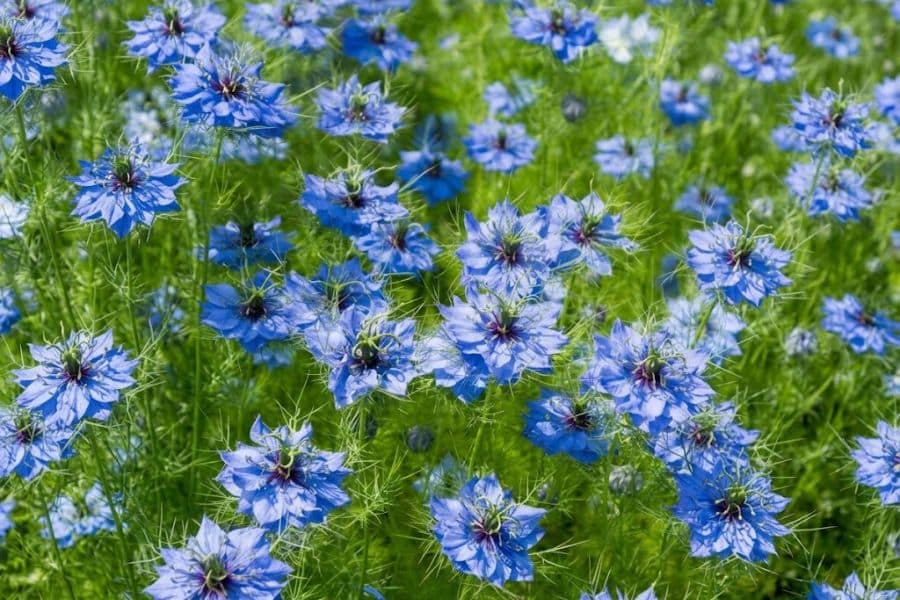
Nigella is technically an annual, but I’m including it because it self-seeds so relentlessly that once you’ve grown it once, you’ve grown it forever. Those blue flowers surrounded by feathery green foliage, followed by the puffed-up seed pods that look like little paper lanterns, are one of the prettiest things you can have in a cottage garden.
The seed pods are lovely dried too, so I usually cut a few for a vase before letting the rest drop.
Nigella likes sun and well-drained soil, and it hates being moved, so sow it where you want it. If you get too many seedlings, thin them out by pulling up the extras.
It grows to about a foot tall, so it’s a good front-of-border plant.
6. California Poppies
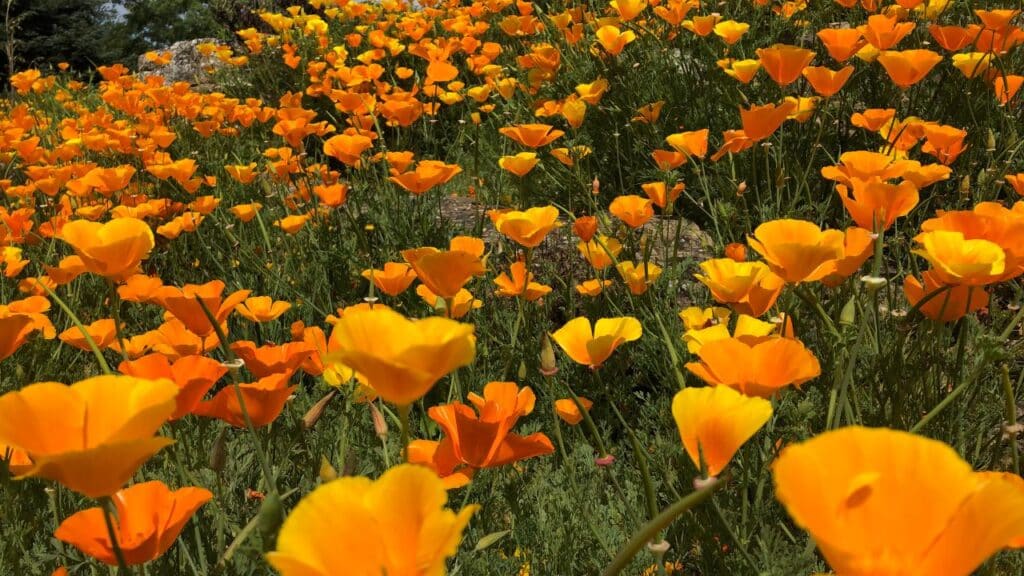
California poppies are a silky orange (or sometimes cream, or pink, if you’ve bought a mixed packet) flower that closes up at night and opens again in the morning sun, and they’ll flower from June right through to the first frost if you leave them alone.
They’re a perennial in hot dry climates and behave as a hardy self-seeding annual pretty much everywhere else.
They actually prefer poor, gravelly soil and dislike being watered much once they’re established, which makes them my kind of plant during a heatwave.
The taproot goes down deep and finds its own moisture, so they shrug off dry spells that would flatten a petunia.
Sow them straight into the ground in spring, because they don’t transplant well, and then leave the seed pods to burst on their own at the end of summer. They’ll be back next year, usually in slightly different spots, because the pods fling their seeds a surprising distance.
7. Lady’s Mantle (Alchemilla Mollis)
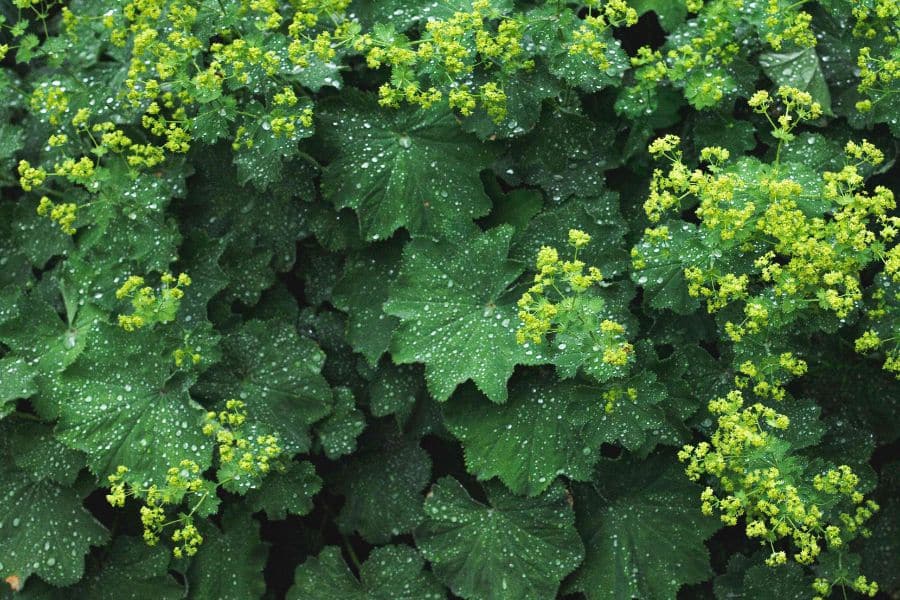
Lady’s mantle is the frothy, lime-green one that spills over the edges of paths and beds, catching raindrops on its leaves like little silver beads in the morning.
It’s a solid perennial that comes back reliably every year, forming a bigger clump each time, and it self-seeds happily into any gap it can find.
It’ll grow in sun or shade, in decent soil or fairly poor soil, and the only job worth doing is chopping the whole plant back to the ground after it’s flowered in early summer. It looks a bit rough for a week, then throws up a whole fresh mound of leaves that stays looking good until the frosts.
If you want to slow the self-seeding down a bit, cut the flowers off before they set seed. If you want more, do nothing.