
When I was little, my Grandma had a garden that I was convinced was magic. She lived down the road from us, and I spent a lot of time there as a kid, helping her weed, water, and plant, while Grandad disappeared off to his allotment to do whatever it is men do at allotments. I learned more from her than I realized at the time.
At the bottom of her garden was an area full of flowers with no particular style or theme. In my head, it was the Secret Garden from the Frances Hodgson Burnett story, and I loved it. I’d hide out down there and play make-believe for hours, surrounded by flowers of all shapes and sizes that had no rhyme or reason.
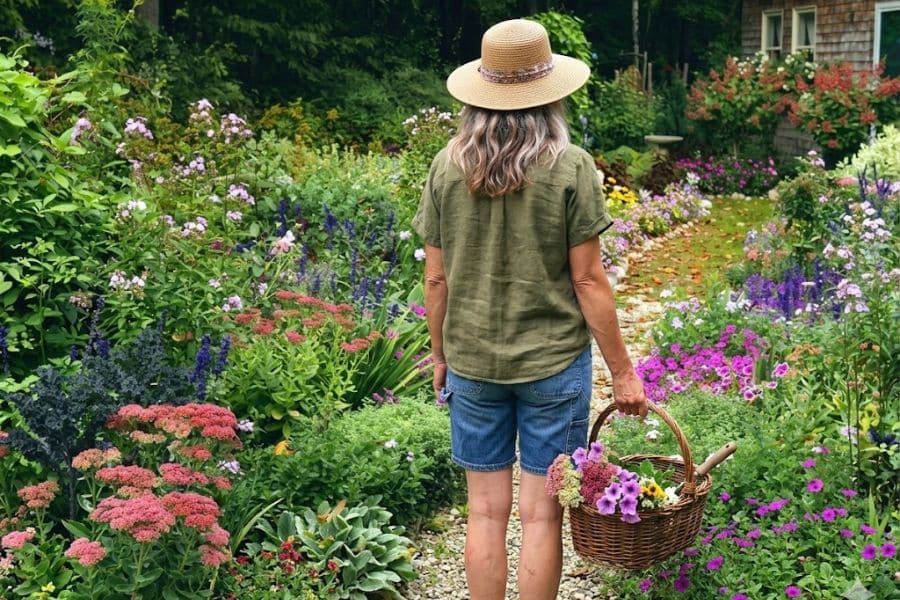
Plants grew where they wanted, climbed what they wanted, and self-seeded into the gravel paths if they felt like it. That’s what made it perfect for a small girl with an overactive imagination. And I’m pleased to say that the style I’m choosing to call Grandma’s is having a moment again. Cottage gardens are back with a vengeance.
Hollyhocks
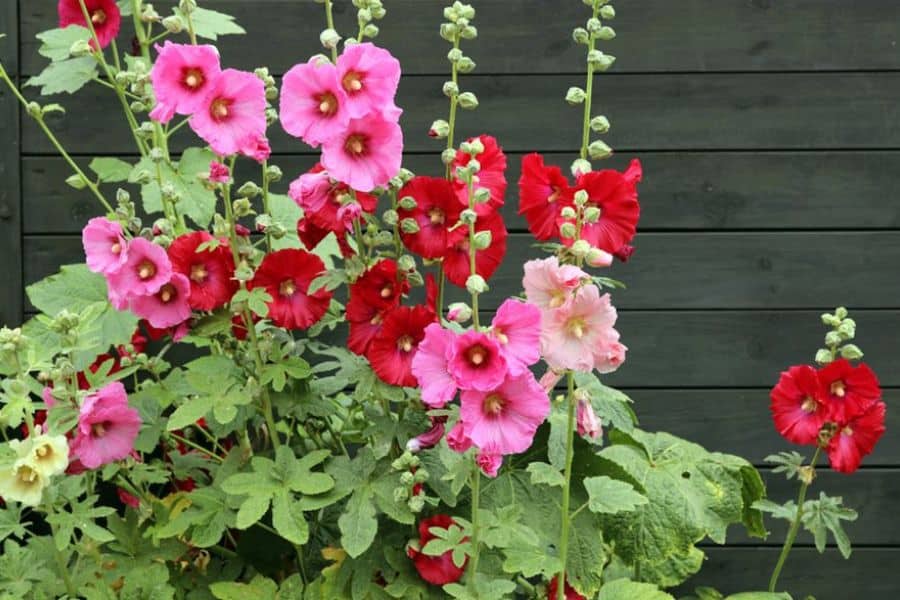
Hollyhocks are the cottage garden classic. Six to eight feet of tall flower spires lined with papery blooms in pink, white, claret, yellow, and almost-black, planted against a wall or a fence where they can lean without falling over. Grandma had them growing along the back fence, and I used to think they looked like ladies in dresses.
They bloom from June through September, and the only downside is hollyhock rust, an orange fungal patch that turns up on the leaves. The trick is to use hollyhocks as biennials, which means letting them self-seed every year and pulling out the older plants once they’ve done their thing. Fresh young plants are far less prone to rust than tired old ones.
They like sun, decent drainage, and shelter from strong winds that’ll snap the spires. Give them all three, and they’ll come back year after year without you doing very much at all.
Foxgloves
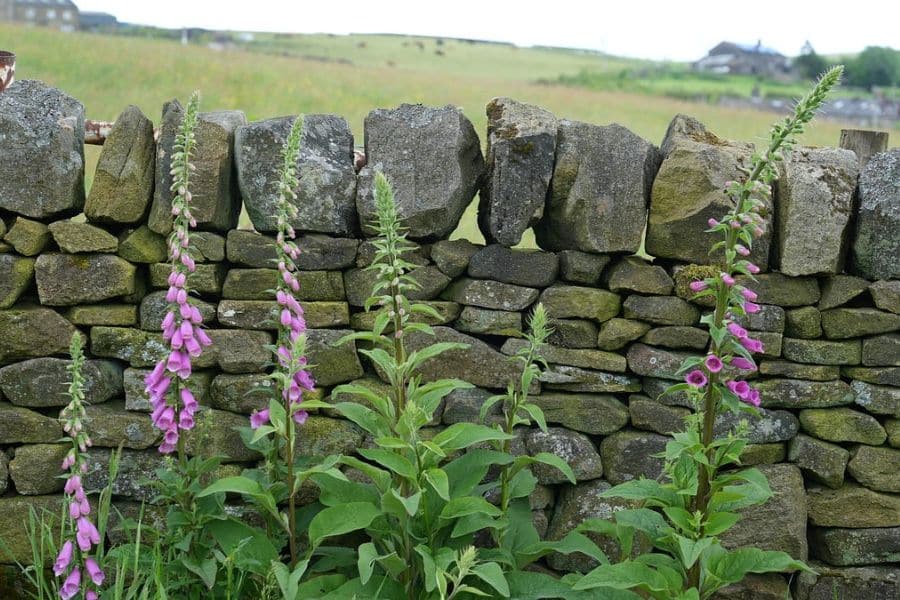
Foxgloves are the answer to the shady spot under a tree where nothing else wants to grow. They come in pink, white, apricot, and a deep magenta, with bell-shaped flowers running up a tall stem that bees crawl right inside.
Late spring to midsummer is the main bloom window, and if you cut the main spike back after the first flush, you’ll often get smaller side spikes flowering into late summer.
Important Note: Every part of a foxglove is toxic if eaten. If you have small children, dogs, or cats with a habit of chewing things they shouldn’t, I’d give these a wide berth. The same compound that makes them dangerous (digitalis) is what made them a heart medicine for centuries.
They’re technically biennials, which means they grow leaves one year and flower the next, but they self-seed so reliably that once you’ve got them, you’ve got them. Pull out the spent stems before they set seed if you want to keep them in check.
Delphiniums
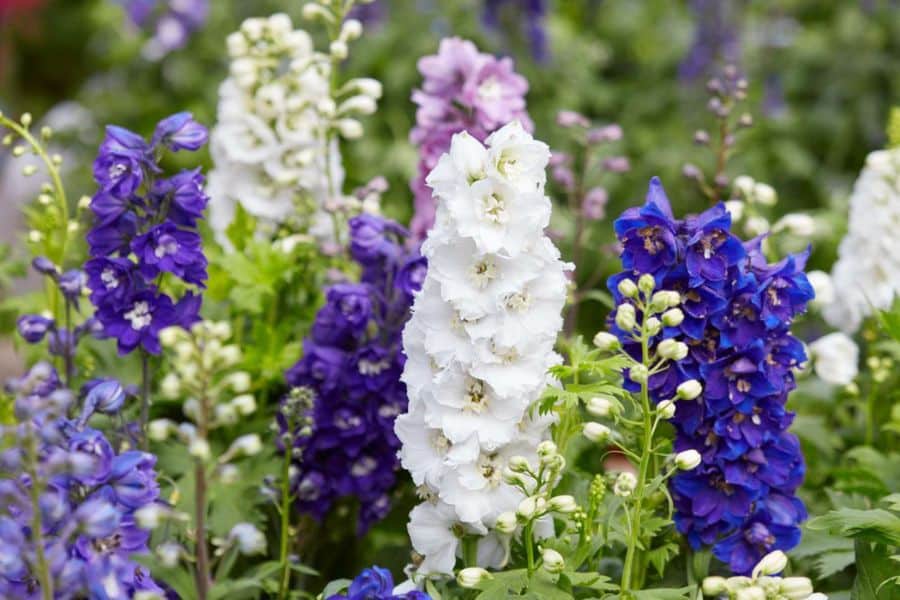
Nothing else in a garden looks quite like a delphinium in full flower. Six-foot spires in true blue, navy, purple, white, and occasionally pink, blooming in June and again in late summer if you cut them back hard after the first flush.
Delphiniums need staking. They won’t stand up on their own, and a heavy rain or a strong wind will flatten an unstaked plant in minutes. Get the stakes in early, before the flower spikes get tall enough to flop.
The next thing you need to watch out for is slugs. Slugs and snails love new delphinium shoots in spring with a passion. Wool pellets, copper rings, beer traps, hand-picking after dark, whatever works for you, but don’t ignore the slug question, or you’ll wonder where your delphiniums went.
Once they’re established and past the slug-bait stage, they’re long-lived perennials that come back stronger every year. Worth the effort.
Cosmos

I love cosmos. One sowing in spring gives you flowers from midsummer right through to the first hard frost, which in a lot of gardens is months and months of color from a single packet of seeds. Pink, white, claret, and the chocolate-scented variety that actually smells like cocoa on a warm day.
Sadly, cosmos are annuals, which means they die at the end of the season, and you need to replace them every year. The flip side is that they self-seed enthusiastically if you let some of the flowers go to seed in late summer. You’ll have free plants coming up in the gravel paths next spring, and you can either leave them where they land or transplant them where you actually want them.
Cosmos like full sun and don’t want rich soil. Feed them too well, and you’ll get masses of leaves and not many flowers.
Sweet Peas

Sweet peas are about the smell, not the look. Fragrant climbers that grow up wigwams, obelisks, or any bit of trellis you can lean against a fence, flowering from June through August in pinks, purples, whites, creams, and the occasional bicolor.
A small bunch in a jam jar on the kitchen table looks and smells amazing and is the perfect cottage feel. Grandma always had a jar of them on the windowsill above the sink.
However, they are high maintenance. The moment they set seed, they stop flowering, which means you have to keep cutting them, every two or three days, all summer. Miss a week, and you’ll come back to a plant that’s decided its job is done. The upside is that all that cutting gives you constant flowers in the house, so it’s worth all the faff.
They like deep, rich soil and plenty of water at the roots. Sow them in autumn for the strongest plants, or in early spring if you missed that window. Either way, soak the seeds overnight before planting to soften the hard coat.
Hardy Geraniums (Cranesbills)
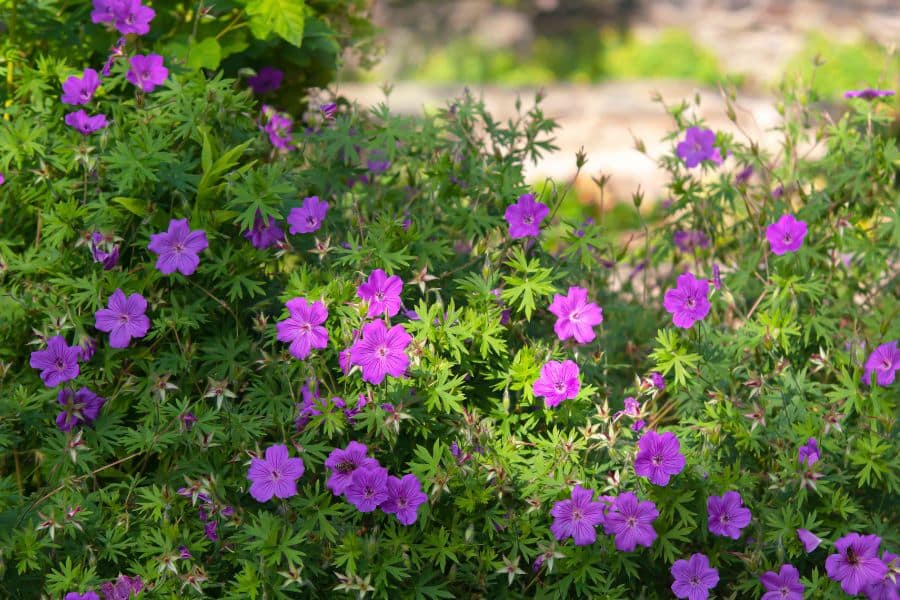
My next-door neighbor won’t grow geraniums on principle because he says they’re old Grandma plants, which, of course, they are. But those aren’t the ones I’m talking about. Hardy geraniums (or cranesbills) are ground-covering perennials in pink, blue, purple, magenta, and white, blooming from June through to October in most gardens, sometimes longer in mild years.
They suppress weeds, ignore slugs, survive drought once established, and ask for almost nothing in return. The species matters if you want the long bloom window, though. “Rozanne” is the queen of them, a violet-blue that flowers from June until frost without a break. “Johnson’s Blue” is another long bloomer.
The older species cranesbills tend to flower for six weeks and stop, which is still useful but not the marathon you might be after.
They look brilliant tumbling over the front of a border, weaving between taller plants behind them, or filling the awkward spaces where nothing else will settle. Cut them back hard in midsummer if they get scruffy, and they’ll come back fresh in three weeks.
Phlox
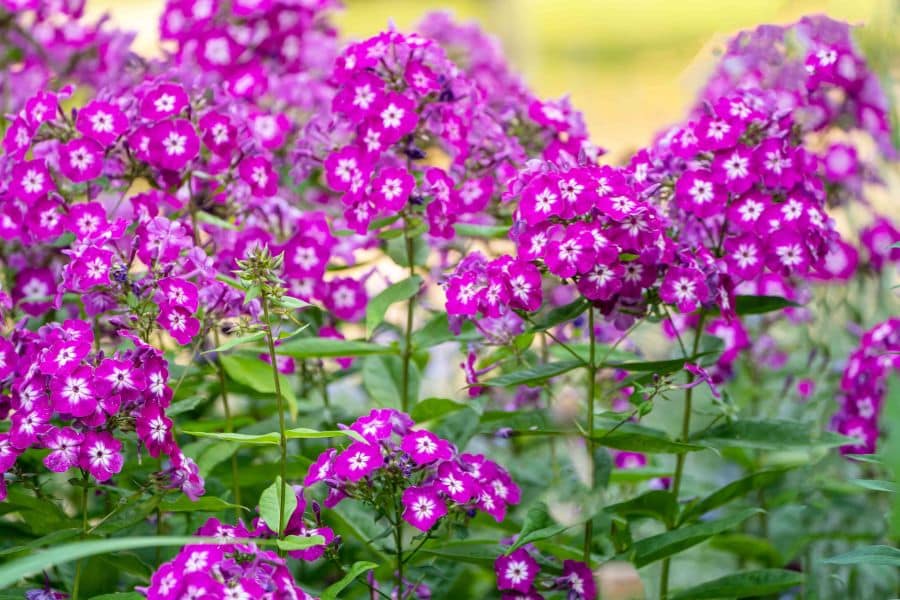
Phlox brings clouds of pink, lavender, white, and magenta to the middle of a border in midsummer to early autumn. Three to four feet tall, often scented in the evening when the air goes still, which is when butterflies and moths come for them. Grandma had a great drift of pale pink ones that I remember being taller than I was.
Phlox, unfortunately, is prone to powdery mildew, particularly when they’re crowded, dry at the roots, or stuck in a spot with poor air movement. The trick is to give them space, keep them watered during dry spells, and avoid planting them in a stagnant corner.
The mildew-resistant modern varieties (like the “Flame” series) are worth seeking out if you’ve struggled with it before.
Once they’re settled and happy, phlox are the kind of plant that gets bigger and better every year, slowly forming a clump that looks like it’s always been there. Which is exactly what a cottage garden is supposed to look like.
My Grandma never called any of these flowers by their Latin names, never bought one because it was on trend, and never planted them in matching threes the way garden designers tell you to.
She just put them where there was a gap and let them get on with it. The current cottage garden revival is a return to that, and I couldn’t be happier.
Disclaimer: This article is for general information only and is not professional advice. It may contain affiliate links. Please see our full Editorial Policy for details.

Kylie Lang is a nationally syndicated travel journalist with bylines on the Associated Press Wire & more, a lifestyle writer, and the founder and editor of Your Lifestyle Library (yourlifestylelibrary.com). She holds a BA (Honours) in History from the University of Kent and is a member of the British Guild of Travel Writers.