
We all remember being told as kids to eat your veg, and you can’t get down from the table until you do. My mom took it a step further and told me Santa Claus was watching and knew if I didn’t eat them. Wicked, I know, but it worked.
But if you’re watching your blood pressure, or if you’re worried about stroke risk, then you might need to rethink certain veggies.
Veggies That Are a Stroke Risk
So which vegetables are the problem, how much of a problem are they, and what should you swap them for?
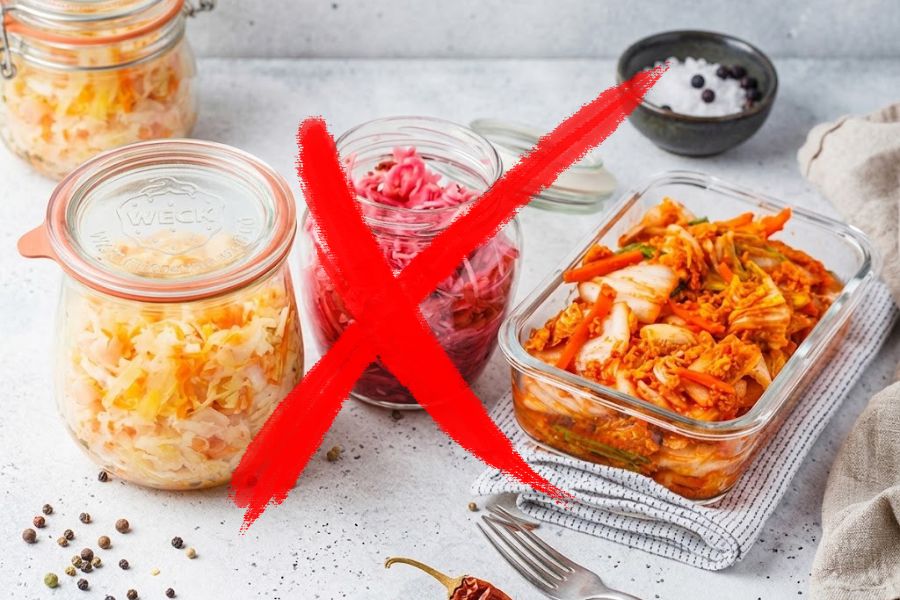
The Pickled and Fermented Vegetables Doing the Damage
The culprits are kimchi, sauerkraut, pickled cucumbers, pickled radish, salt-preserved mustard greens, and the fermented cabbage dishes eaten across Asia and Eastern Europe. Thank goodness pickled onions aren’t included in that list, as they’re my favorites.
A single cup of sauerkraut can deliver close to 1,500 milligrams of sodium, which is already about two-thirds of the daily limit the American Heart Association suggests for most adults. A modest serving of kimchi with a bowl of rice can easily push you past 1,000 milligrams before you’ve eaten anything else.
A large study of Korean adults found that higher kimchi intake, one of the main sources of sodium in the Korean diet, was associated with an increased risk of hypertension in men, with the effect concentrated in those eating the largest servings daily.
A separate study covering 34 trials and more than 100,000 people found that reducing sodium intake produced meaningful drops in blood pressure, with the biggest benefits in people who already had hypertension.
Why does this happen? Sodium pulls water into the bloodstream, blood volume rises, pressure on the artery walls goes up, and over time that steady pressure damages the vessels that supply the brain.
However, fermented foods do offer some benefits for gut bacteria, so kimchi and sauerkraut get lumped in with kombucha and yogurt as foods you should eat more of.
A review of fermented foods and cardiometabolic health noted that while the live cultures in these foods can support the gut microbiome, the sodium load of the salt-fermented vegetables works in the opposite direction on blood pressure, and the two effects don’t cancel each other out.
If you love the sour, tangy flavor, look for low-sodium versions on the label, and rinse the vegetables under cold water before eating them to wash off some of the surface brine.
Why Potatoes Need a Rethink (Especially the Way We Eat Them)
Potatoes themselves are not the enemy. A plain boiled or baked potato with the skin on is a decent source of potassium, which actually helps lower blood pressure by pushing sodium out through the kidneys.
The problem is how most of us eat them: fried, salted, mashed with butter and cream, or turned into chips and fries, which changes both the sodium content and the way the body handles the starch.
A study tracked more than 187,000 men and women across three long-running cohorts and found that higher intake of baked, boiled, or mashed potatoes, and especially French fries, was associated with an increased risk of hypertension compared with people who ate potatoes less than once a month.
A more recent study on ultra-processed potato products found that regular consumption of fries and processed potato products was linked with a higher risk of type 2 diabetes, which is itself one of the biggest drivers of stroke.
Why? Because potatoes rank high on the glycemic index, they can spike blood sugar quickly, and the resulting insulin spikes over years contribute to insulin resistance, weight gain around the middle, and the metabolic conditions that stiffen arteries.
Deep-frying compounds the problem by adding oxidized fats and a heavy sodium hit from the salt shaker.
Top Tip: If you love potatoes, cook them, cool them in the fridge overnight, and then reheat them. The cooling process converts some starch into resistant starch, which behaves more like fiber in the gut and produces a smaller blood sugar spike than a freshly cooked potato.
Canned and Jarred Vegetables
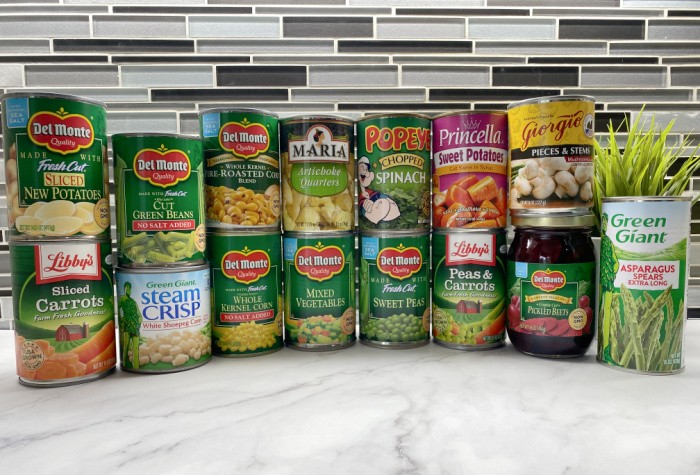
Canned vegetables keep most of their vitamins; the liquid they sit in is usually a salt solution designed to preserve them on the shelf.
A single cup of regular canned green beans can carry 400 milligrams of sodium, canned corn around 350, and canned peas roughly 380.
Unfortunately, canned tomatoes, which most of us use regularly when cooking, are where a lot of hidden sodium hides in home cooking. A cup of regular canned tomato sauce contains around 1,300 milligrams of sodium, and a cup of tomato juice can hit 900.
Pasta sauces, salsas, and jarred bruschetta toppings are around the same.
The solution is to buy the no-salt-added versions, which taste almost identical once you’ve added your own herbs and garlic, and rinse regular canned beans and vegetables under cold water for 10 to 15 seconds before using them.
A study on rinsing canned beans found that draining and rinsing reduced the sodium content by around 41 percent.
Olives and pickled peppers are in the same category. A small handful of green olives can carry 300 to 400 milligrams of sodium.
None of this means you can’t eat them; it means keeping the portions small and paying attention to what else is on the plate that day.
What to Eat Instead
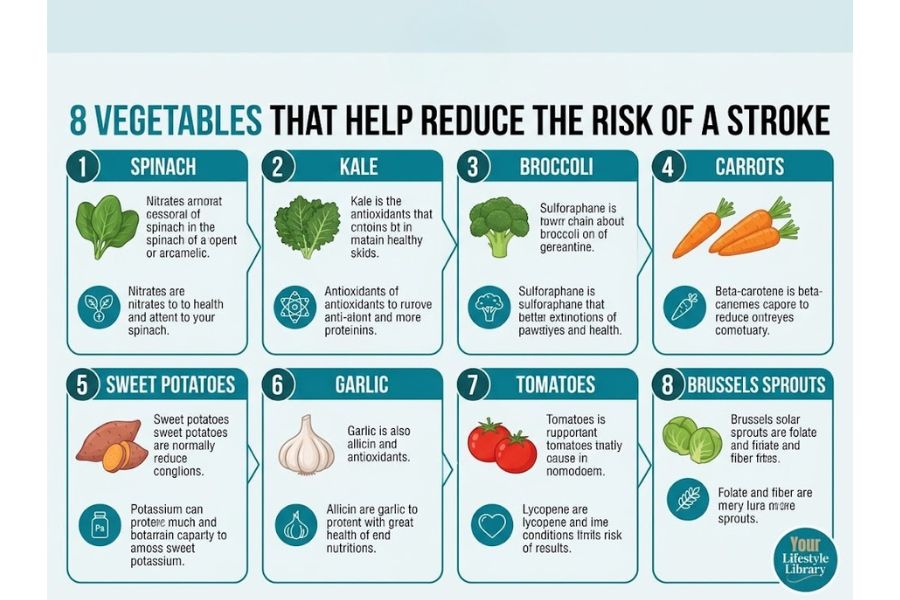
Spinach, arugula, kale, Swiss chard, and beet greens are all high in potassium and in dietary nitrate, which the body converts to nitric oxide, a molecule that relaxes blood vessels and lets blood flow through them with less pressure.
A study found that dietary nitrate supplementation, in doses roughly equivalent to a large serving of leafy greens or beetroot juice, produced measurable reductions in systolic blood pressure.
Beets and other root vegetables like carrots, parsnips, and sweet potatoes are fine to eat regularly, and none carry the same glycemic load as a plate of fries.
Cruciferous vegetables such as broccoli, cauliflower, Brussels sprouts, and cabbage bring fiber and a group of compounds called glucosinolates that support the liver and cardiovascular system.
Garlic and onions contain sulfur compounds linked to modest reductions in systolic pressure, and tomatoes cooked in a little olive oil release more lycopene than raw ones.
Legumes such as lentils, chickpeas, and black beans, technically not vegetables but often eaten in the same role, are one of the most consistent food groups associated with lower cardiovascular risk, largely because of their fiber, magnesium, and potassium content.
How the Sodium Adds Up Over a Week
Stroke risk builds from small daily patterns compounded over years, not a single meal. Blood pressure rises slowly, and by the time you can feel it, the damage to the small vessels in the brain is already done.
Half a cup of sauerkraut with a sandwich, a serving of canned soup at lunch, and a plate of pasta with jarred sauce for dinner is a completely ordinary day of eating and can push a person well past 4,000 milligrams of sodium, close to double the recommended limit.
A study, which followed more than 100,000 people across 18 countries, found a clear association between higher sodium excretion (a good proxy for intake) and higher rates of major cardiovascular events, including stroke.
In a typical diet, about 70 percent of sodium comes from packaged, processed, and restaurant foods, not the salt shaker at the table.
Disclaimer: This article is for general information only and is not professional advice. It may contain affiliate links. Please see our full Editorial Policy for details.

Kylie Lang is a nationally syndicated travel journalist with bylines on the Associated Press Wire & more, a lifestyle writer, and the founder and editor of Your Lifestyle Library (yourlifestylelibrary.com). She holds a BA (Honours) in History from the University of Kent and is a member of the British Guild of Travel Writers.