
After the stinking hot summer we’ve had, my garden is looking a wee bit sorry for itself. I’ve set this weekend aside to start tackling it.
It’s like a disaster zone at the moment: my tomato vines are flopping everywhere, still trying to produce; my grass has gone to God and is like straw, as we’ve had no rain; and there are weeds everywhere.
However, the temperatures have dropped, and instead of 100 degrees we’ve got around 78, much more doable. I can’t wait to get going, start overhauling things, and create my Fall planting shortlist of cool-weather fruit and veg.
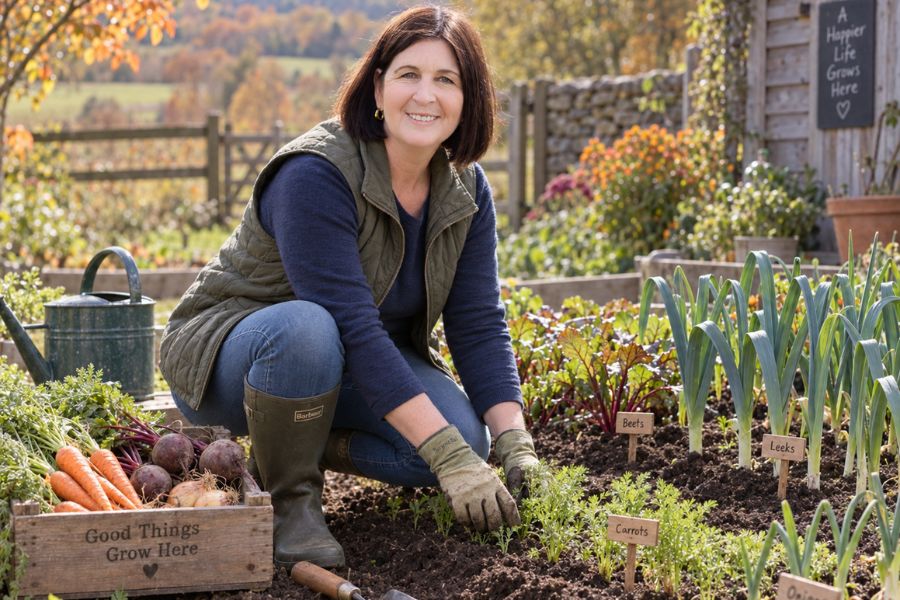
The Fall Planting Shortlist
Did you know that some of what you plant in September and October will feed you inside six to eight weeks? So tasting the fruits of your labor won’t have you waiting till next spring. However, some will sit through winter and hand you a harvest in April or May, but that’s good, as the aim is to have something all year round.
Fast Fall Vegetables You’ll Be Eating in Six to Eight Weeks
The trick with fall sowing is picking things that don’t mind the cool nights and can race through their growing cycle before the first hard freeze. Most leafy things fit the bill, and a lot of them actually taste better in cooler weather because the cold pushes sugars into the leaves.
Spinach in October is a different thing from spinach in July, and once you’ve had the fall version, you’ll never go back.
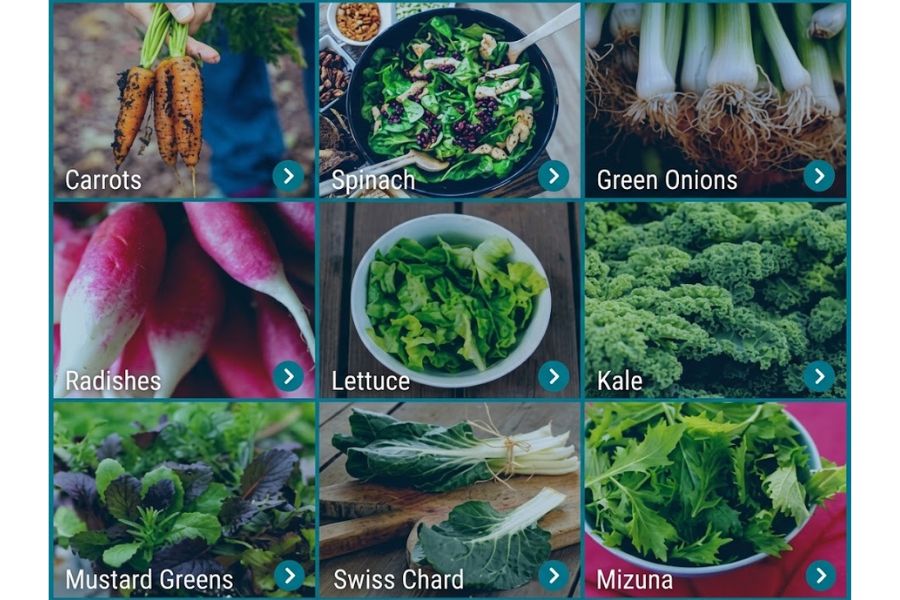
Spinach, arugula, lettuce (the loose-leaf types, not the hearting ones), mustard greens, kale, chard, tatsoi and mizuna will all germinate happily in soil that’s still in the 50s and 60s.
Sow them thinly, water them in, and you’ll be picking baby leaves in three to four weeks and full-sized ones in six to eight. Take the outer leaves and leave the middle to keep producing.
Radishes are the other one. They go from seed to plate in 25 to 30 days and don’t mind a light frost. Turnips do the same thing on a slightly slower timeline, and the young turnip greens are as good as the roots.
Top Tip: cover fall sowings with a layer of floating row cover or a cold frame lid once nights start dropping into the 40s. It buys you an extra three or four weeks of growing and keeps the cabbage moths off your kale while it’s still tender.
Overwintering Crops That’ll Feed You in April and May
Garlic goes in from mid-September in the north to late November in the south, and the rule is roughly six weeks before your ground freezes hard.
Break a bulb into cloves the day you plant, push each clove pointy-end up about 2 inches deep and 6 inches apart, and cover with 3 or 4 inches of straw mulch.
Hardneck varieties (Music, German Extra Hardy, Chesnok Red) do better in cold zones and give you scapes in June as a bonus crop. Softneck (Inchelium Red, California Early) is happier in mild-winter areas and stores longer.
Don’t plant supermarket garlic; it’s often treated to stop it from sprouting, and the varieties aren’t chosen for your climate. A pound of seed garlic from a decent supplier runs $15 to $25 and plants a 15-foot row.
Fall-planted onions and shallots work on the same principle. Overwintering onion sets like Radar, Electric, and Shakespeare go in from late September through October, sit through winter as small green shoots, and bulb up in May and June, giving you onions six to eight weeks earlier than spring-planted ones.
Shallots are even easier; one shallot in the ground in October gives you a cluster of 6 to 10 by early summer.
Fava beans (labeled as broad beans in older seed catalogs, or as a cover crop in some) can be sown in late October or November in zones 6 and warmer for a June harvest. Aquadulce Claudia is the classic overwintering variety.
Hardy peas like Meteor and Avola do the same job, though you’ll want to protect them with cloches or a row cover once real cold sets in. Both fix nitrogen while they’re growing, so the soil ends up better than you found it.
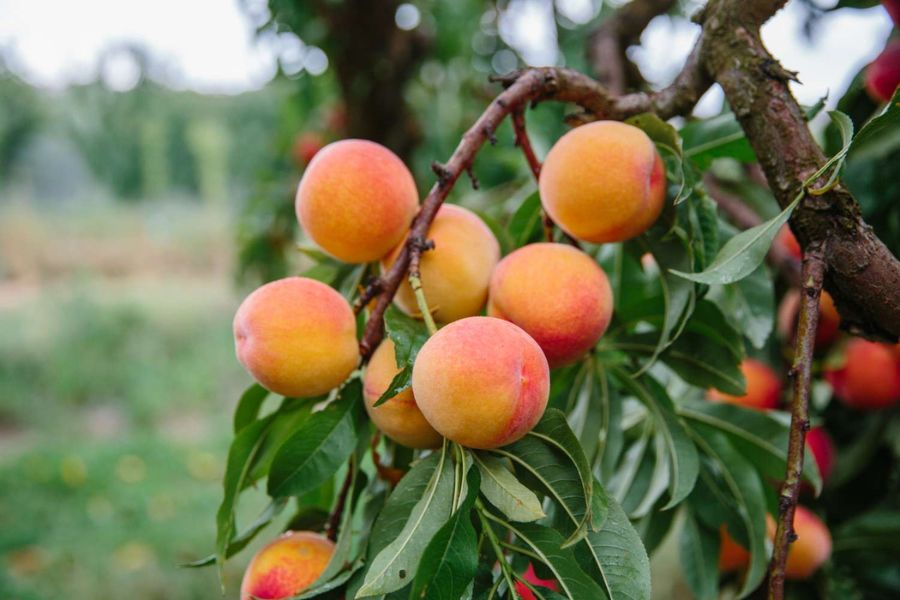
Fruit Worth Planting Before the Ground Freezes
Fall is the better season for planting most fruit, as the roots keep growing in soil that’s still in the 50s long after the leaves have dropped, so by the time spring arrives the plant already has a working root system and can put everything into leaves and fruit.
A fruit tree planted in October will typically outperform the same tree planted the following April by a full growing season.
Bare-root fruit trees come into nurseries and mail-order suppliers from late October through November and are dramatically cheaper than potted ones, often $20 to $35 for a tree that would cost $70 in a container in spring.
Apples, pears, plums, cherries, and peaches all plant well in fall in zones 4 through 8. If you’ve been put off by needing an orchard, look at dwarf and semi-dwarf rootstocks. An M27 or M9 apple tops out at 6 to 8 feet, fits in a half-barrel or a small corner of a yard, and produces its first real crop in the second or third year.
Soft fruit is where fall planting really pays off. Bare-root raspberry canes, blackberries, gooseberries, currants and rhubarb crowns all go in from October through December and give you a real harvest the following summer.
A dozen raspberry canes runs about $25 and will crop for 10 to 12 years; autumn-fruiting varieties like Heritage and Polka produce on the current year’s growth and get cut to the ground every winter, which is about as simple as fruit growing gets.
Strawberry plants set out in September and early October will fruit the following June, roughly two months earlier and twice as heavily as spring-planted ones. Look for June-bearers like Honeoye and Earliglow for a big early crop, or day-neutrals like Albion for a longer picking season.
Blueberries want acidic soil (pH 4.5 to 5.5), which almost nowhere naturally has, so plant them in a large container of ericaceous mix if your soil is neutral or alkaline; a half whiskey barrel with two different varieties for cross-pollination will keep you in blueberries for years.
Bulbs That Aren’t Flowers
Everyone thinks of tulips and daffodils when someone says fall bulbs, but there’s a whole edible category that goes in at the same time and is worth clearing a row for. Elephant garlic isn’t true garlic (it’s more closely related to leeks), and the cloves are the size of a small chicken egg with a milder, sweeter flavor that roasts beautifully.
Plant it the same way as regular garlic, from mid-September to late October, 4 inches deep and 8 to 10 inches apart. It costs more up front, around $2 a clove, but each clove gives you a bulb that can weigh half a pound.
Walking onions, also called Egyptian onions, are perfect for planting this time of year. Plant a few bulbils in October, and they’ll come back every year, giving you green onions from March onward.
Leeks are the other one, though technically they’re a transplant rather than a bulb job. Fall-planted leek starts (or hardy varieties like Bandit and Bleu de Solaise sown in modules and set out in October) will stand right through winter under snow and give you leeks from January through April.
The Cover Crops That Feed Next Year’s Vegetables
If a bed is empty and you’re not planting food in it, plant a cover crop. It’s the single easiest way to improve your soil, and it costs about $5 for enough seed to cover a 100-square-foot bed. Crimson clover, winter rye, hairy vetch, and field peas all go in from now through mid-October, put on a few inches of growth before winter, and either die back in the cold (clover, oats, field peas in colder zones) or keep growing under snow (rye, vetch).
In March or April, you cut them down or dig them in, and they add organic matter, hold nutrients that would otherwise leach out over winter, and smother weeds while they’re at it.
Crimson clover is my pick for beds that will grow heavy feeders next year, like tomatoes, squash, or corn, because it fixes nitrogen from the air and delivers it to the soil for free.
Winter rye is the one to use if you’ve had a lot of weeds this year; it puts out chemicals that suppress weed germination in spring, and its root system breaks up compacted soil better than any digging you can do by hand.
Disclaimer: This article is for general information only and is not professional advice. It may contain affiliate links. Please see our full Editorial Policy for details.

Kylie Lang is a nationally syndicated travel journalist with bylines on the Associated Press Wire & more, a lifestyle writer, and the founder and editor of Your Lifestyle Library (yourlifestylelibrary.com). She holds a BA (Honours) in History from the University of Kent and is a member of the British Guild of Travel Writers.