
Tell me if this sounds familiar. I’m standing in front of the bathroom mirror, side-on, trying to suck in. But unfortunately, the soft squidgy bit around my middle that didn’t used to be there is now firmly there, and no amount of yoga, walking the dog, or skipping the second glass of wine seems to shift it. I eat much the same as I always have.
It doesn’t help matters when temptation seems to be everywhere we look. You go into Starbucks to order a coffee, and there’s a huge display of cakes and muffins that’s almost impossible to walk past. And then there’s the takeout battle.
Luckily, living in rural France, takeout isn’t much of an issue, as we don’t have any nearby. Plus, there’s no corner store for the late-night chocolate run. However, the boulangerie and patisserie more than make up for those losses.
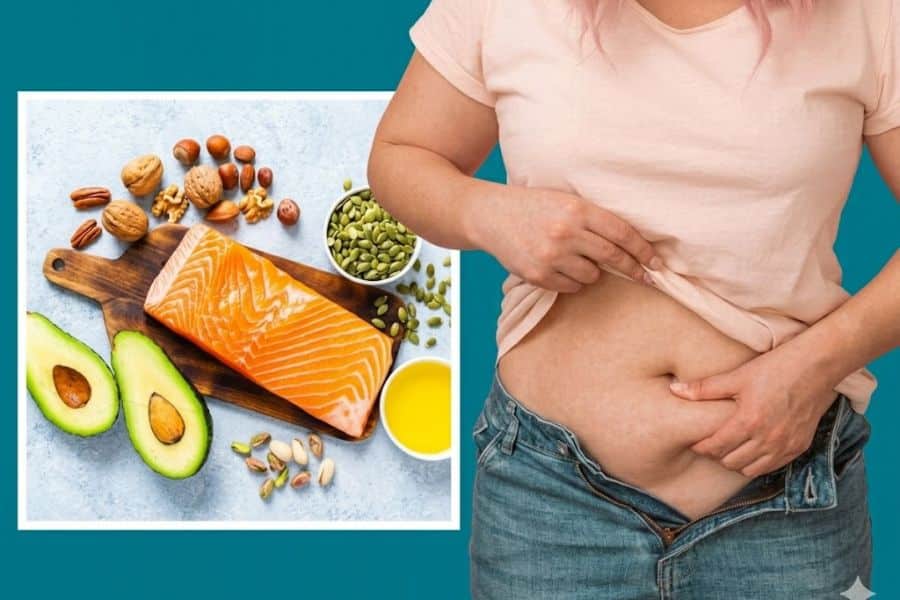
Why Does Belly Fat Hit In Your 50s?
Sadly, after 50, the hormonal furniture gets rearranged whether we like it or not, and the body becomes obsessed with parking fat right around the abdomen. A lot of that is visceral fat that sits around the organs rather than the pinchable layer on top, which goes beyond how your jeans fit.
I’ve been reading a dietitian called David Lee who works with clients over 50, and I really like his approach. There’s no magic pill, no 1,200-calorie misery, which I love, and no cutting out entire food groups. Just 9 foods he eats most days and recommends to almost every client.
9 Foods That Burn Fat After 50
All these foods work by calming inflammation, helping you hold onto muscle, and keeping blood sugar from going on a rollercoaster.
1. Salmon and Other Fatty Fish

Salmon is loaded with high-quality protein, and it’s one of the best sources of omega-3 fatty acids you can get on a plate. The protein side is what helps you hang onto muscle, and muscle is the engine that keeps the metabolism ticking over.
Lose muscle, and you lose calorie burn at rest, which is one of the reasons belly fat creeps in after 50, even when nothing else has changed.
The omega-3 side is about inflammation. Chronic low-grade inflammation is one of the factors that make the body store fat around the middle, and omega-3s help cool it down.
Aim for two servings a week. If salmon isn’t your thing, mackerel, herring, and sardines do the same job and cost less.
2. Plain Greek Yogurt
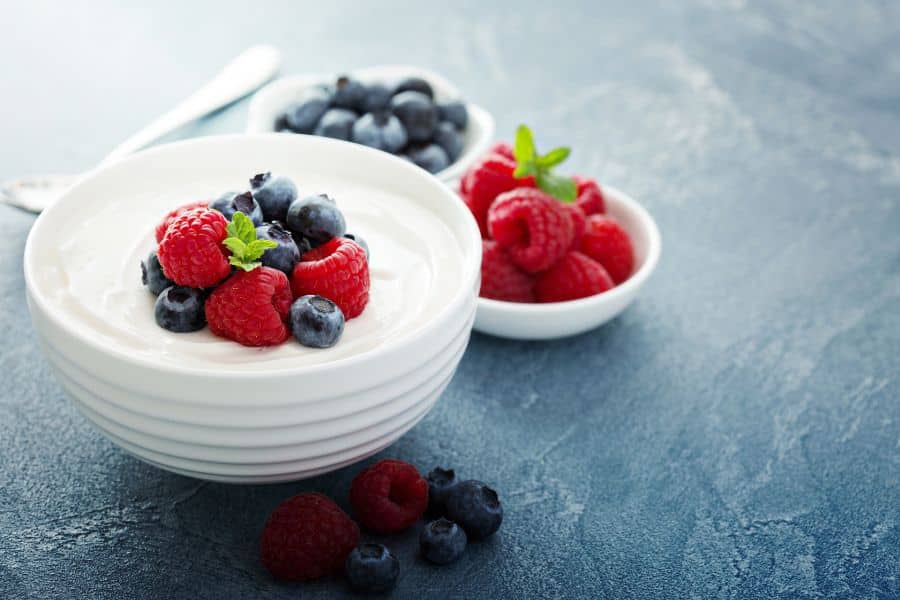
Plain Greek yogurt has roughly double the protein of regular yogurt. The second is the probiotic side. Gut bacteria have come into the spotlight over the last few years, and a healthier gut microbiome is linked with lower body fat and less inflammation. Certain strains, including Lactobacillus gasseri, have been studied specifically for their potential to reduce belly fat.
But it has to be plain and not flavored, as those sometimes have as much sugar as a cookie, which defeats the point. Read the label and look for “live and active cultures” and zero grams of added sugar.
A good starting move is a bowl of plain Greek yogurt with a handful of berries and a spoonful of chia seeds for breakfast. It’s high protein, high fiber, and keeps you out of the cookie tin until lunch. It also makes a great sour cream swap on tacos or a baked potato, and stirred with a little ranch seasoning, it becomes a protein-packed dip for raw vegetables.
3. Avocado

Avocado is rich in monounsaturated fat and fiber, which together make it so filling. A serving keeps you satisfied for hours, which is half the battle when you’re trying to eat less without spending the day thinking about food.
A 2022 study on daily avocado intake found that the main benefit wasn’t dramatic fat loss; it was an overall improvement in diet quality and a reduction in LDL cholesterol, all without weight gain. For women specifically, some research has pointed to a reduction in visceral fat with regular avocado intake.
One thing to flag: avocados are calorie-dense. A serving is about a third to half of one, not the whole thing slathered on toast every morning. Use it as a swap rather than an add-on, mashed avocado instead of mayo in a tuna salad, or instead of butter on toast.
4. Green Tea
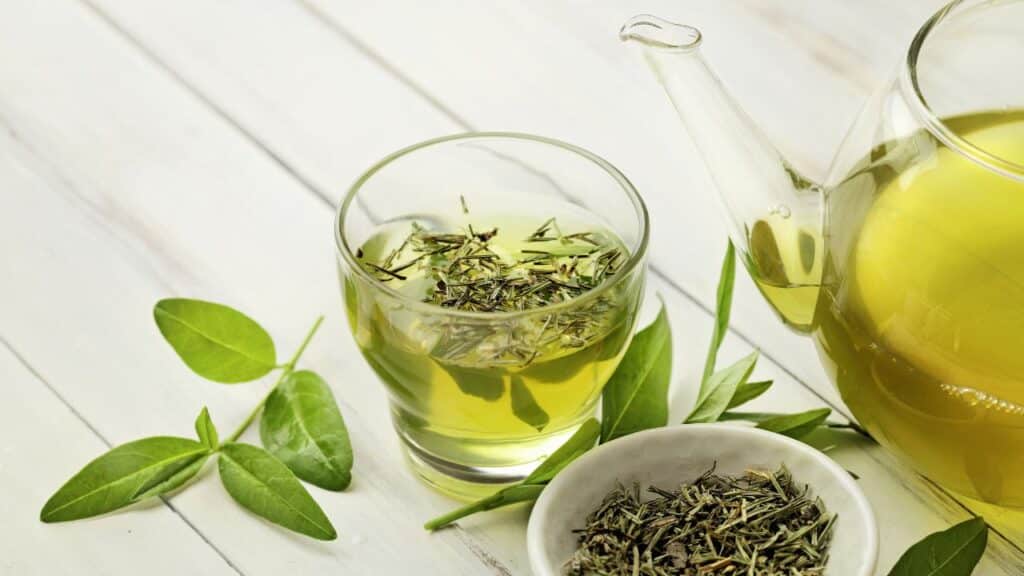
Green tea contains an active compound, EGCG, which helps with insulin sensitivity, and a better insulin response means less of a push for the body to store fat. It can also help with fat oxidation, especially if you drink it before a walk or workout.
A cup about 30 minutes before a walk seems to amplify the effect. Brew it from tea bags or loose leaf, because most of the bottled green tea drinks on the shelf are loaded with sugar and undo the whole exercise.
If the taste isn’t for you, which it isn’t for me, matcha is a powdered form you can whisk into a latte or drop into a smoothie, and it has even more of the active compounds since you’re drinking the whole leaf rather than steeping it.
5. Eggs
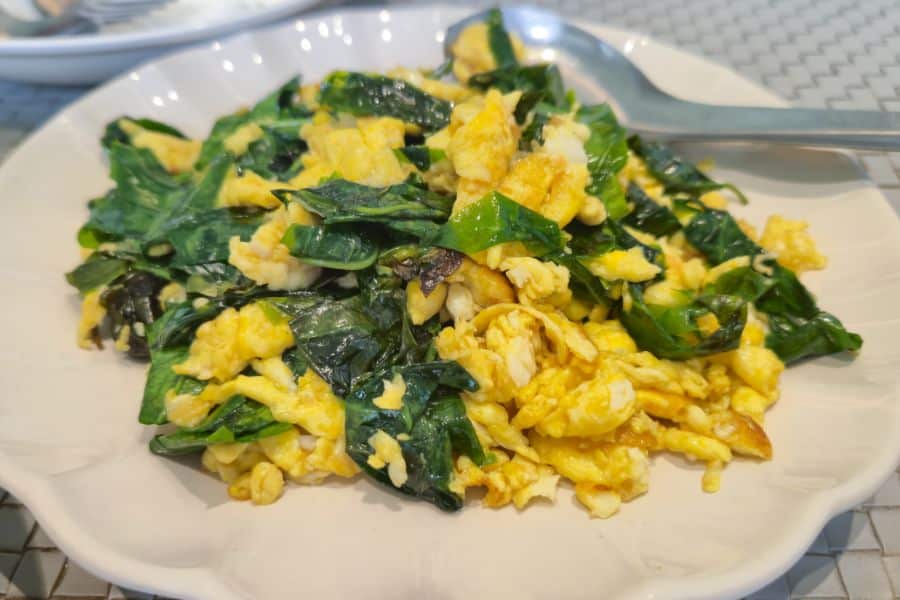
For decades, we were told not to eat too many eggs because of cholesterol fears that have largely been put to bed for most people. They’re one of the most useful foods in the fridge after 50: cheap, fast, full of high-quality protein, and packed with choline, a nutrient a lot of us run low on and which the body needs for a properly functioning metabolism.
A high-protein breakfast like 2 eggs with a big handful of wilted spinach sets the tone for the day. You eat less at lunch, you snack less in the afternoon, and you’re not hunting through the pantry at 4 p.m., wondering where the cookies went.
Hard-boil half a dozen at the start of the week, and they become the easiest grab-and-go protein snack going. And eat the yolk. That’s where the choline and most of the vitamins live.
6. Berries
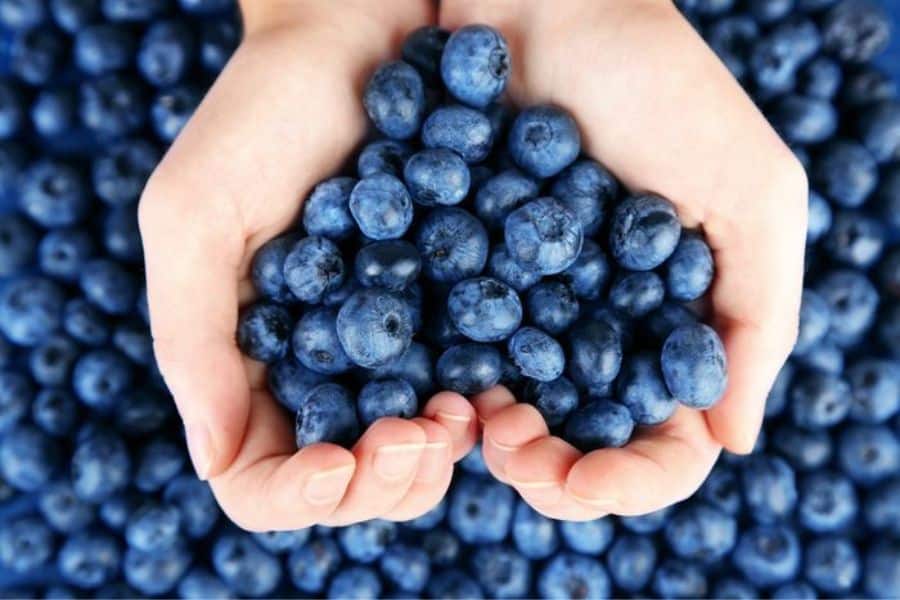
Berries are the fruit I’d recommend over almost any other after 50. They’re naturally low in sugar, high in fiber, and full of anthocyanins, the antioxidants that give them their deep colors and help with anti-inflammatory muscle. A single cup of raspberries contains 8 grams of fiber, more than most people get in a whole breakfast.
That fiber slows digestion, which helps keep blood sugar steady and prevents the big insulin spikes that signal the body to store fat. The anti-inflammatory side helps with the same chronic inflammation we’ve been talking about throughout this list, which is one of the underlying drivers of stubborn belly fat.
Frozen berries are just as good and cost a fraction of fresh punnets. A handful of berries on top of yogurt or oatmeal is one of the easiest ways to add fiber to breakfast without thinking about it. You can eat a whole cup of blueberries for under 100 calories.
7. Nuts and Seeds
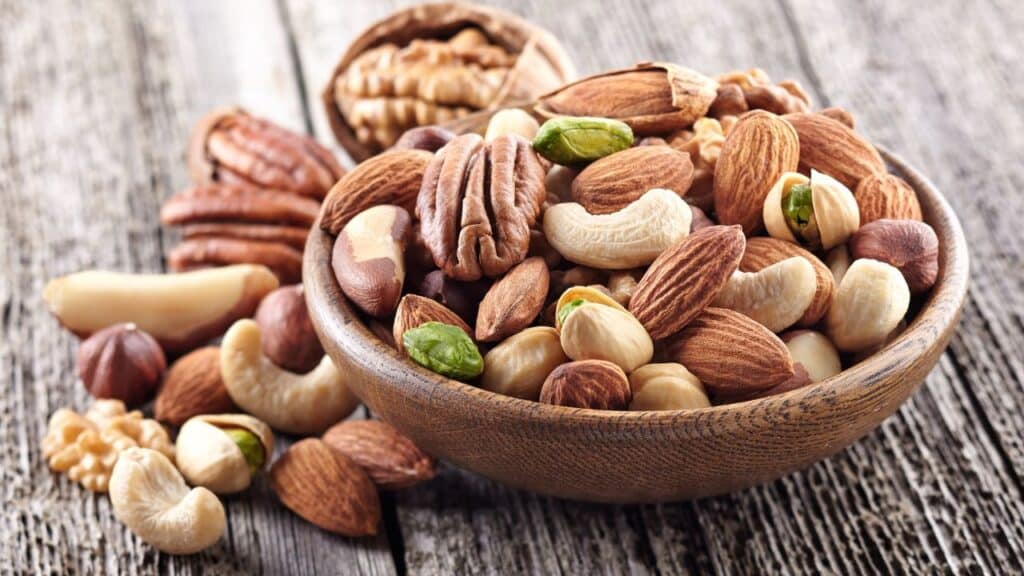
Almonds, walnuts, chia, and flax provide a triple punch of healthy fat, fiber, and a bit of protein, which is the combination that helps keep blood sugar steady through a meal or snack. Walnuts are one of the best plant-based sources of omega-3s, so if salmon isn’t on the menu more than once a week, a handful of walnuts a few times a week helps fill the gap.
Chia and flax are the fiber heavyweights. They actually absorb water and swell in the stomach, which is part of why a tablespoon of chia stirred into yogurt keeps you full for hours. The one catch with flax: it has to be ground for your body to absorb anything from it. Whole flax seeds sail straight through, which is a waste of money.
Be warned, though, as these are calorie-dense.
8. Olive Oil
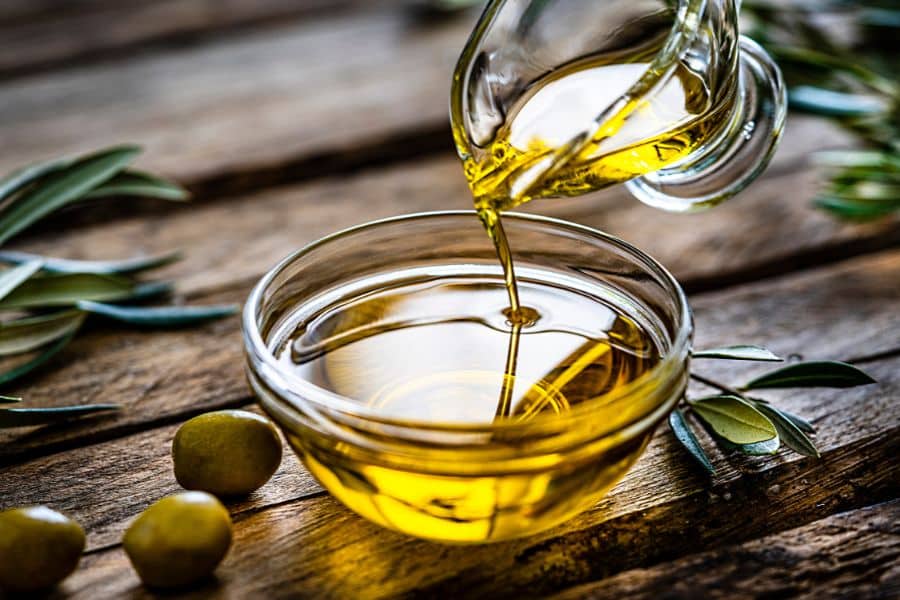
Extra virgin olive oil is rich in monounsaturated fats and polyphenols, both of which have been studied for their effects on inflammation and metabolic health.
It’s also the backbone of the Mediterranean way of eating, the diet that’s great for heart health, blood sugar, and waist circumference. I still use butter for cooking, I’m in France after all, but in small quantities, and not as my go-to.
Use it for cooking at lower and medium heats, drizzle it over roasted vegetables, whisk it with a little vinegar and mustard for a salad dressing that beats anything from a bottle, and don’t be shy with it. A tablespoon or two a day is the amount the research tends to point to. Store it in a dark bottle away from heat so the good compounds don’t degrade, and use it within a few months of opening.
9. Leafy Greens
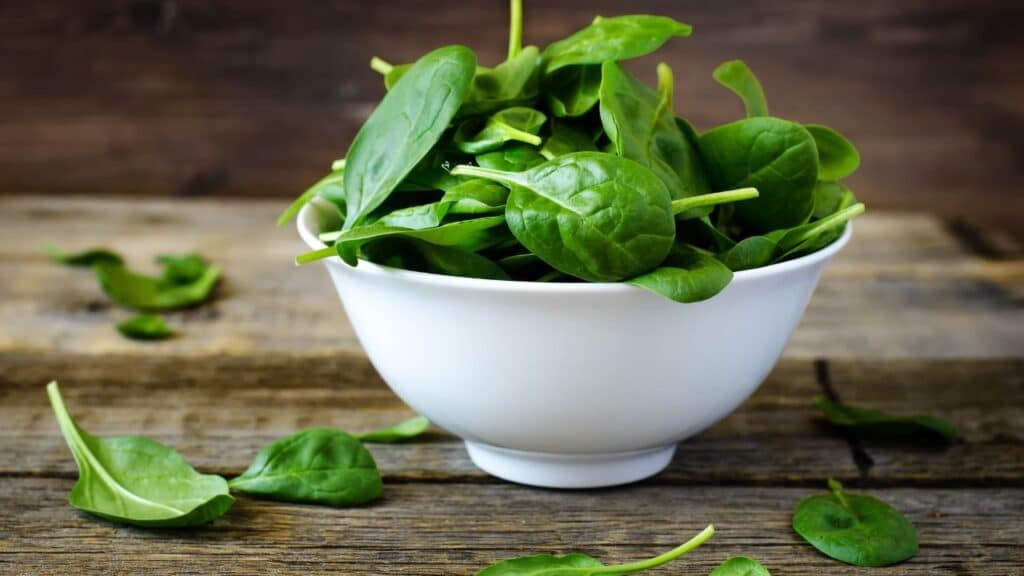
Spinach, kale, arugula, and Swiss chard are the lowest-calorie, highest-nutrient things on this list, and they’re the easiest way to bulk out a meal without adding much in the way of calories.
They’re packed with magnesium, which a lot of women over 50 run low on and which plays into blood sugar control, sleep, and muscle function.
They bring fiber, vitamin K, folate, and a long list of antioxidants that fight the inflammation we keep coming back to. Adding a big handful to almost any meal is going to be a big help to your body overall.
Add a couple of handfuls of spinach into scrambled eggs in the morning, where it wilts down to almost nothing but adds a whole serving of greens. Pile arugula on top of a piece of fish or chicken with a squeeze of lemon. Stir kale into soups and stews at the end of cooking. The goal is to have somewhere around 2 cups of leafy greens a day.
Health disclaimer: This article is for general information only and isn’t medical advice. Always check with your doctor or a registered dietitian before making changes to your diet, especially if you have a medical condition or take medication.