
The world is a crazy place right now, but living in my little bubble here in southwest France is like stepping back a century or two. Here, sustainable living is something they’ve been doing for centuries, and if you took a walk through a few of our villages, you could almost be fooled into thinking you’d fallen through time. It’s a lovely way of life and one that doesn’t take as much effort as you might think.
My friend Becky and her husband have taken it a step further. Going to their house is like stepping onto the set of an episode of The Good Life, a 1970s British sitcom about a couple who packed in city life to grow their own food in suburbia.
They keep bees and make their own honey, make their own soap, rear and slaughter their own animals, and grow more or less anything that’ll grow in this soil. It’s definitely a lifestyle choice for them, and I’m not suggesting you go to quite those extreme lengths, but there are so many little changes you can make that all help our environment.
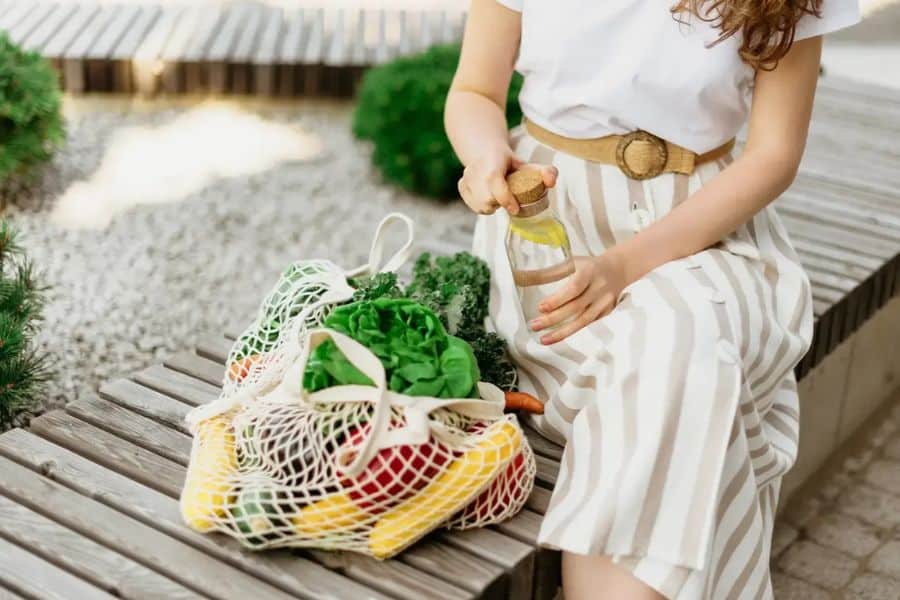
12 Sustainable Switches To Cut Your Household Bills
Some of these are big structural things that come with living in rural France, but equally, some are small habit changes anyone can do in a flat in the city. They all add up, and none of them have made my life harder.
Heating with wood instead of gas or oil
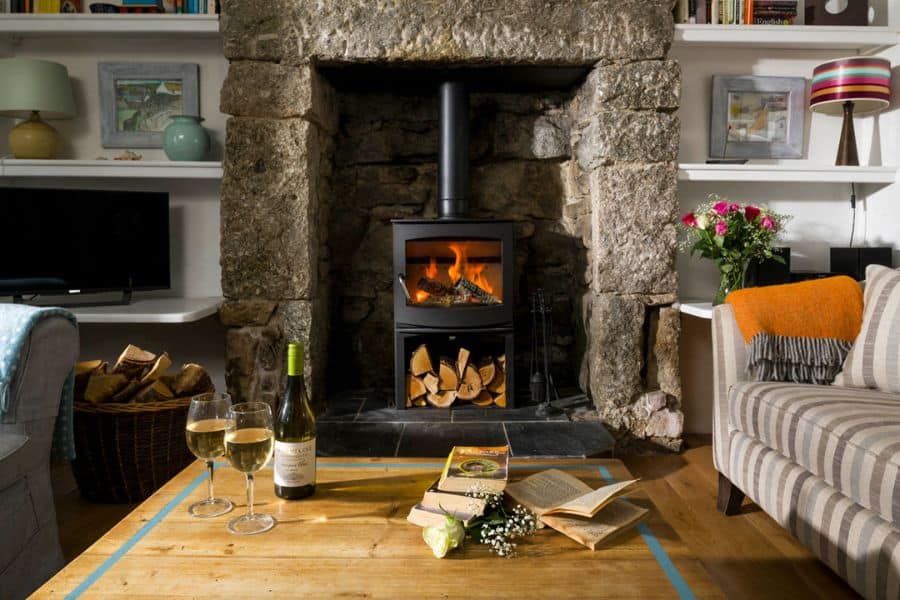
We’ve got a wood burner, which is standard issue out here. Rural France runs on logs, and most of the houses in our area have four or five stères of wood (that’s a cubic meter) stacked somewhere outside by September. The cost difference compared to mains gas is huge.
Richard does most of the wood stacking, and I’ve come to find the autumn ritual of getting the wood basket ready and bringing a pile of logs ready for the cooler months rather therapeutic. Plus, who doesn’t love the thought of a crackling fire?
The downside is that wood heating is work. You’re cleaning out ash, you’re carrying logs in, you’re getting the fire going from cold on a January morning. If you’re not into that, it’s not for you.
Swapping shop-bought cleaners for natural alternatives
The septic tank made this one a necessity, not a choice for us. You can’t pour harsh chemicals down the drain when the drain leads to a tank in your own garden that you have to maintain. So most of the branded sprays and bleaches went.
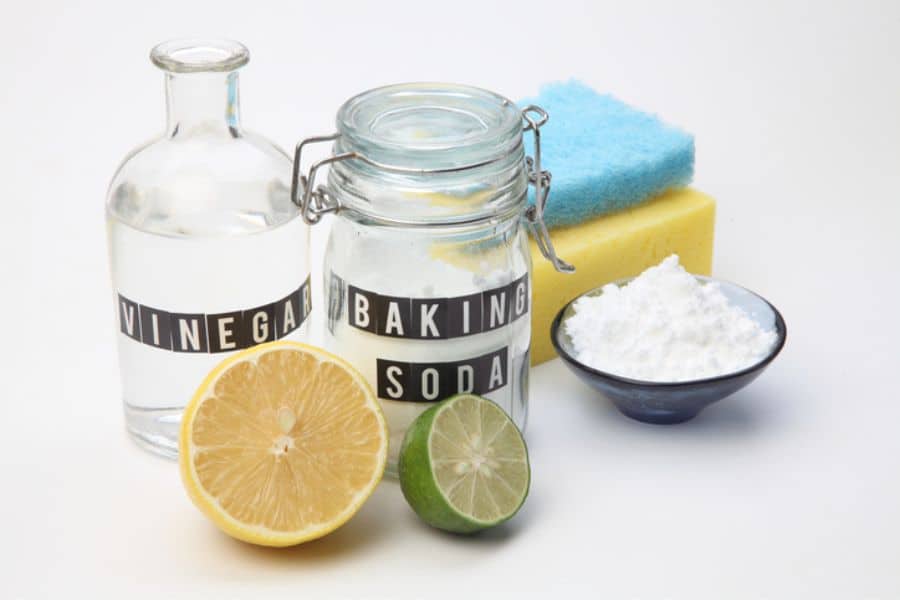
What replaced them costs almost nothing. White vinegar for windows, limescale, and most surfaces. Baking soda for scrubbing sinks, the bath, and the inside of the oven. Lemon juice for freshening up the kitchen and cutting grease. Castile soap for general cleaning, where you want actual suds.
A five-liter jug of white vinegar costs less than three euros at the grocery store here. A branded multi-surface spray is around four or five euros for a small bottle that doesn’t last anywhere near as long.
Growing What You Eat
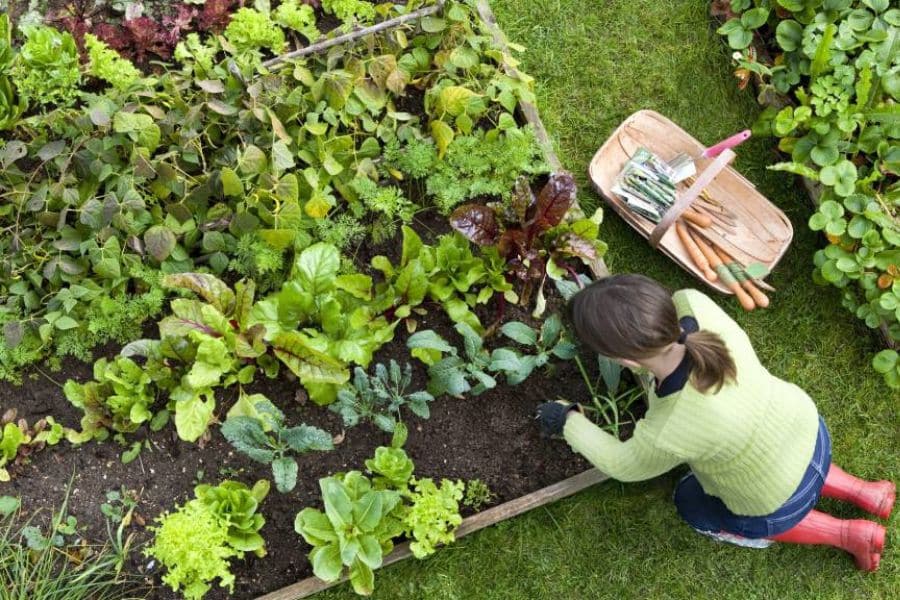
The satisfaction from growing your own is hard to beat. My veggie patch is not a thing of beauty, and the harvest is wildly inconsistent as I experiment with growing different things. This year is my first year growing celery and cornichons, so we’ll see.
Some years, the tomatoes come in like there’s no tomorrow, while other years the slugs win, the courgettes go feral, and my chili plants wither and die.
Even with all that, growing tomatoes, courgettes, salad leaves, beans, and herbs has knocked a noticeable chunk off the weekly shop in summer. Fresh herbs alone, basil, parsley, mint, and chives, would cost a small fortune if I were buying them in those little plastic packets at the supermarket.
Becky’s vegetable garden is the version I aspire to. She and her husband grow potatoes, leeks, onions, garlic, squash, the lot. They eat from their own land for a big chunk of the year. Mine isn’t there and probably never will be, but in the summer months, there is nothing like picking your cherry tomatoes straight from the vine, and they taste so much better.
Eating Seasonally
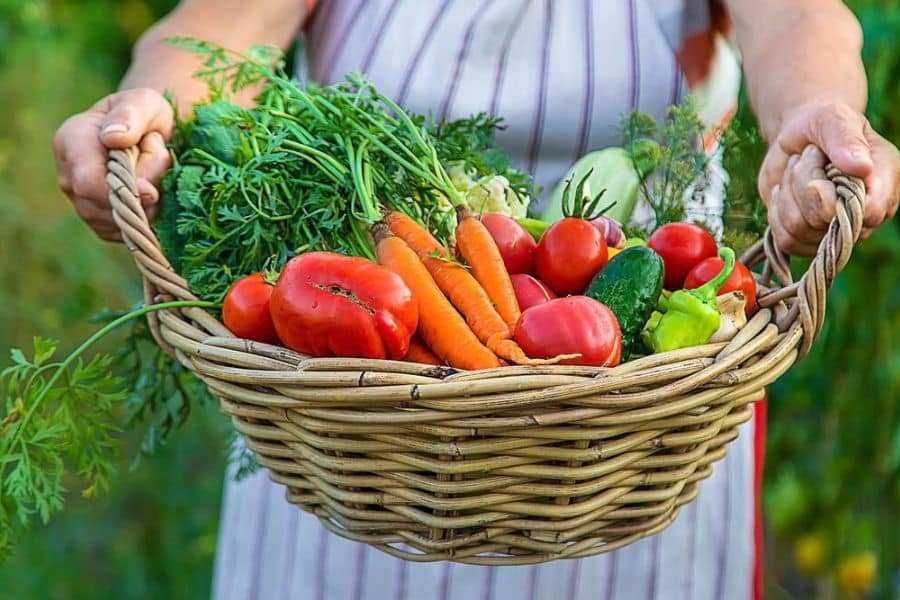
In rural France, we eat seasonally, as the French aren’t big on imports and prefer to eat French-grown produce where possible. In winter, the stalls at the market are full of leeks, cabbages, root vegetables, apples, and pears. In summer, it’s tomatoes, peaches, melons, courgettes, and aubergines. You eat what’s in season because that’s what’s there.
What it does mean is that I tend to eat asparagus every day during April and May, as it’s the only time I can get it, and I love it. But on the flip side, it means you look forward to making certain meals at different times of the year.
Not to mention the effect on your shopping bill and the health benefits of eating seasonally, without all the crap they spray on plants to produce year-round.
Composting Everything You Can
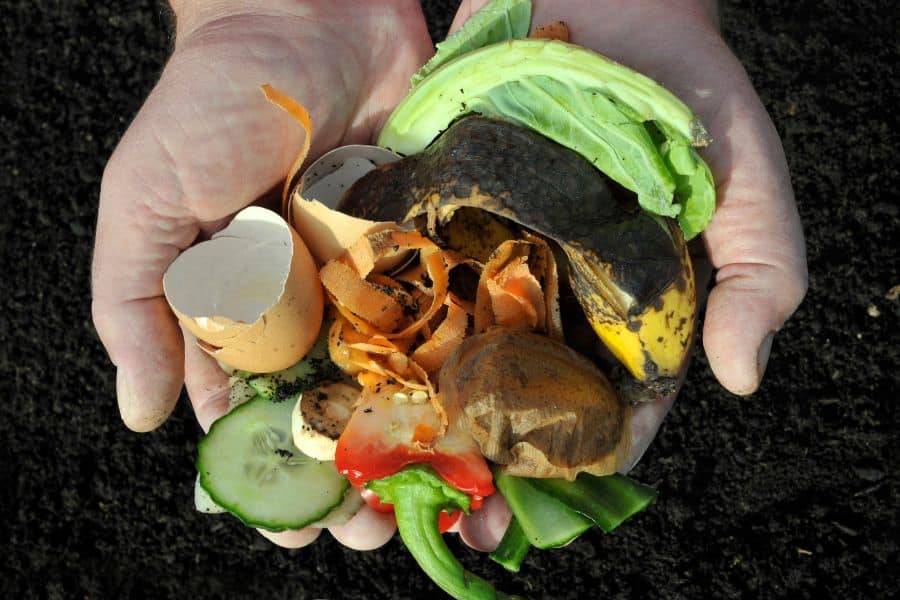
Kitchen scraps, garden waste, coffee grounds, eggshells, tea bags (the ones without plastic in them), all of it goes into the compost bin in the corner of the garden.
Two things happen. Your bin bag fills up about half as fast, which matters when the bin lorry only comes once a week, and you live somewhere hot in July. And you end up with free soil improver to dig back into the vegetable patch, which means you’re not buying bags of compost from the garden center either.
You don’t need a big garden for this. A small plastic compost bin tucked behind a shed does the job. If you’ve got even a tiny outdoor space, there’s no reason not to have one.
Switching to LED Bulbs
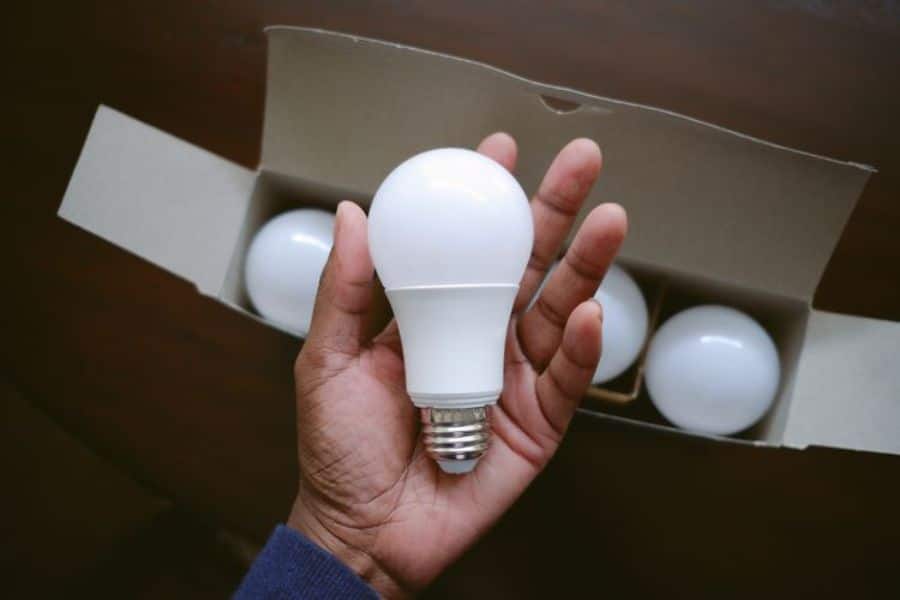
We replaced every halogen and incandescent bulb in our house, and the difference on the electricity bill was substantial. My husband was an environmental consultant in our previous lives in the UK, so it was a huge concern for him, and a change we made pretty much straight away when we moved in.
The upfront cost made a bit of a dent in the wallet as LED bulbs are more expensive than the old ones, and replacing a whole house of bulbs in one go is not a small bill. The payback was faster than I expected, and the bulbs last so long that I can’t remember the last time I replaced one.
If you’re still running halogens or incandescents, this is the easiest swap on the list. You do it once and forget about it.
Fitting a Water Saving Shower Head
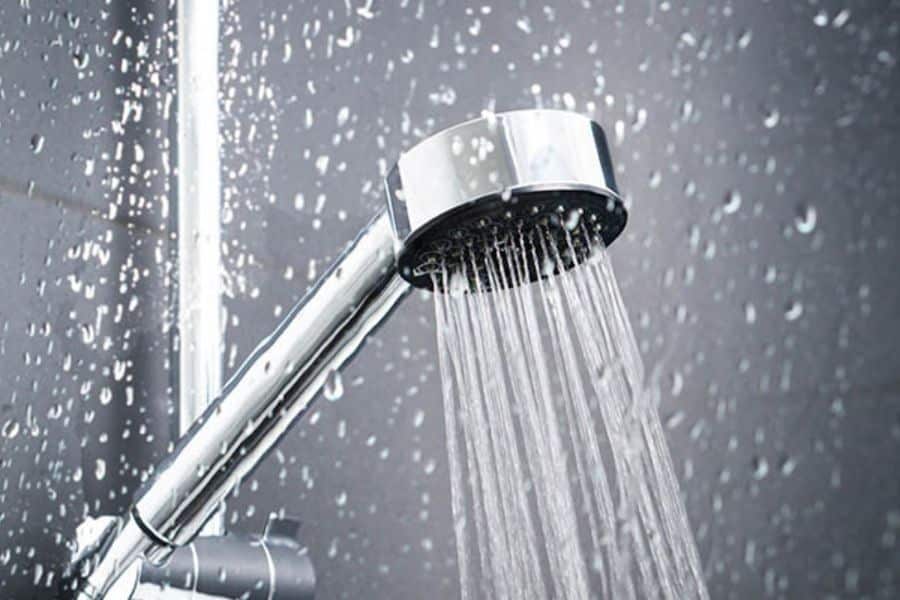
A water-saving shower head costs around $15 and takes about ten minutes to fit. It pays for itself faster than almost anything else on this list, especially if you’re on a metered water supply or, like us, you’re conscious of what goes into the septic tank.
If you’ve got teenagers in the house, this one might just save your sanity along with your water bill. My daughter has a tendency to stand in the shower for about 15 minutes at a time, so this has saved us a small fortune.
Washing on Cold Where You Can
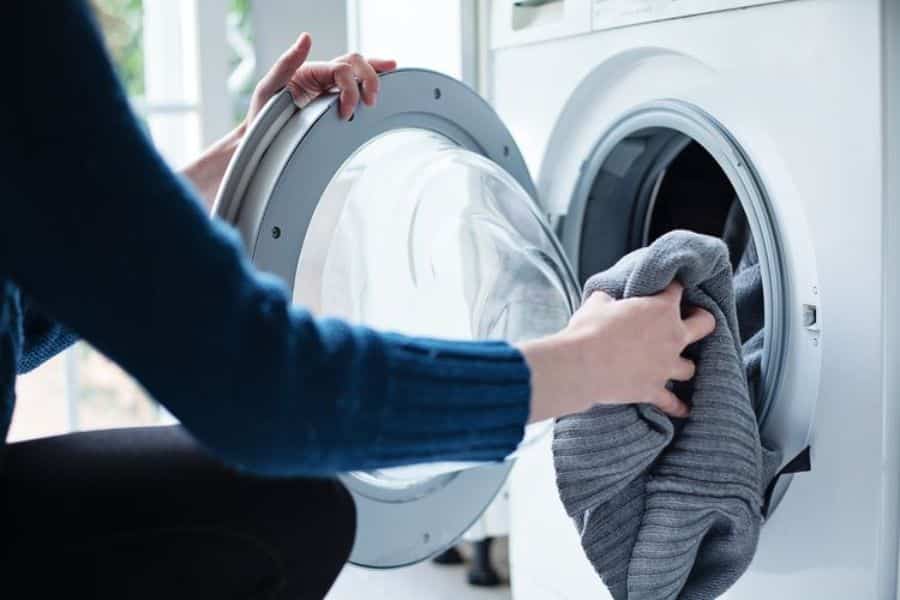
Most loads of laundry don’t need hot water. Heating the water is where the energy goes in a washing machine, not the spinning of the drum. Switching most loads to a cold wash made a difference to our electricity bill.
What still gets a warm wash in this house: bed linen, towels, anything that’s actually filthy from the garden. Everything else, T-shirts, jeans, jumpers, normal clothes that aren’t really dirty, goes in cold and comes out fine.
And although we do have a tumble dryer, clothes go on the line outside in summer. Besides the fact nothing can really replace the smell of clothes that have dried on a washing line, it’s the thought of running a tumble dryer in the warm months and how unnecessary it is. I do draw the line at towels, though. They go like sandpaper on the line, so they do go in the tumble dryer.
Walking or Cycling for Short Trips
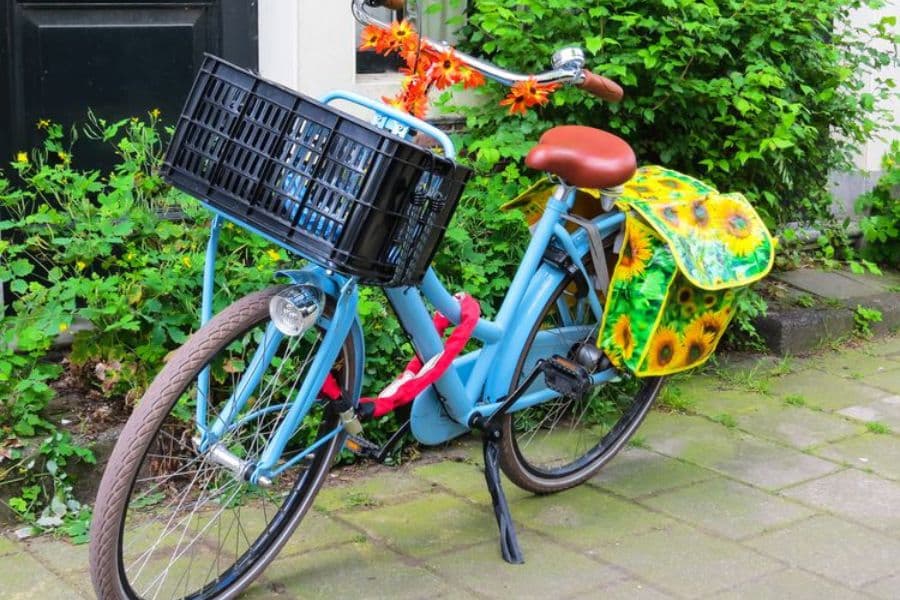
Since moving to France, my bike has been used a lot more. I’ll admit I’m a fair-weather cyclist and refuse to use it when it’s bucketing down with rain, but for my daily trip to the boulangerie, it’s perfect. The petrol cost of jumping in the car for a baguette and a pastry adds up quickly when you do it every day.
It’s also the cheapest possible exercise and a lovely way to enjoy the beautiful French countryside where I live. You tend to find the French, in general, though, are walkers. They walk everywhere rather than use a car, especially in the cities.
One lady in my line dancing class cycles there and back. In all honesty, I don’t have the energy after two hours of dancing, and it’s a 20-minute drive, so it would take forever to get there and back. But I have to admire her.
Making Instead of Buying

Becky is the one who has rubbed off on me here. Her honey comes from her own bees and tastes so different from the grocery store stuff. Her soap is made in batches in her kitchen, and jars of jam line the shelves in her pantry like a small artisan shop.
I’m not keeping bees, and I’m not making soap. What I have picked up is jam, chutney, and preserves, particularly in late summer when the plums and tomatoes come in faster than we can eat them. Last year, I froze my surplus tomatoes, and I didn’t have to buy tinned for most of the winter.
Homemade isn’t always cheaper if you factor in your time, but it’s almost always better, and the bits you do make become things you look forward to.
Repairing Instead of Replacing
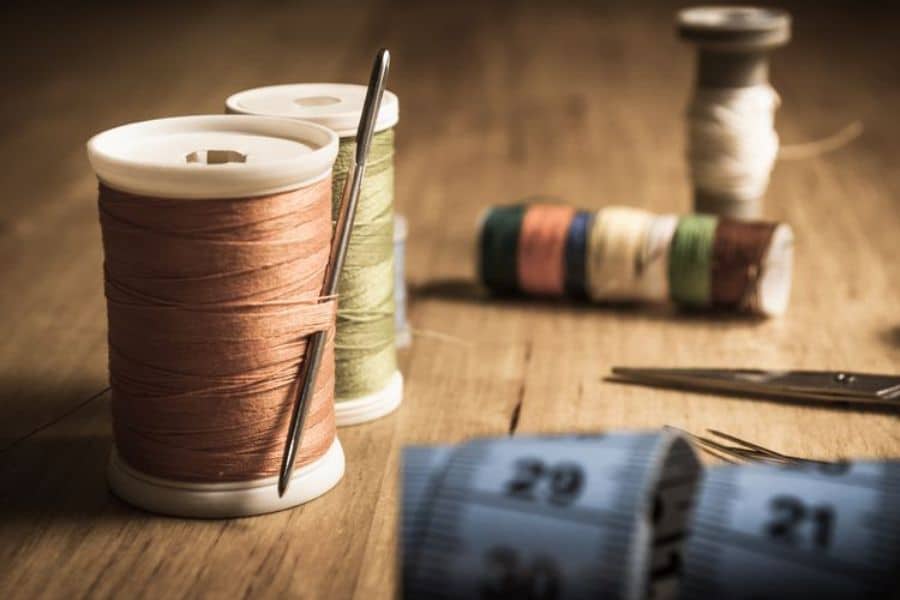
We live in a throwaway society now, which is so different from how my parents grew up. When was the last time you darned a sock or repaired something instead of buying new? The guy in the next village fixes anything with a motor, and he does it for a fraction of what a replacement would cost. My husband now has a go at fixing anything that breaks, rather than immediately reaching for my phone to buy a replacement on Amazon.
Becky and her husband are the extreme version of this. Almost nothing in their house gets thrown away, and what does get thrown away usually becomes something else first. I took a step in the right direction last year when I repurposed an old door into a potting table for my shed.
Saving Rainwater With a Water Butt
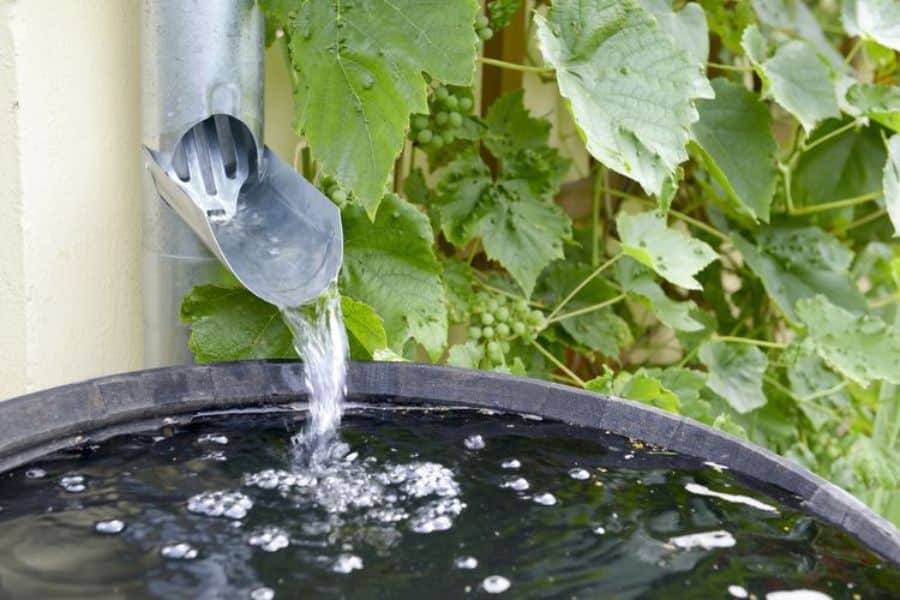
A water butt sits at the corner of the house catching whatever comes off the gutter, and in this part of France, that adds up over a winter. The garden gets watered from it through the spring and summer, which means I’m not running the hose off the mains supply every time the tomatoes look thirsty.
Living on a septic tank makes you water aware. Every liter that goes down the sink ends up in a tank you have to maintain, so you stop running the tap while you brush your teeth, you fill a bowl in the sink to wash vegetables instead of running them under cold water, and you collect what you can outside.
A basic water butt costs around forty to fifty euros and will pay for itself in a couple of summers if you’ve got any kind of garden. Plants prefer rainwater to tap water anyway, particularly anything in a pot, so it’s a win on two counts.