
Do you ever get that horrible, sluggish feeling where you just can’t seem to motivate yourself to do anything, and even getting up off the couch feels like an effort? It feels like there are weights on your legs, and your brain is like mush. It’s a horrible feeling, especially when nothing you do seems to be able to shake it.
The other problem is weight. No matter what you do or how much you exercise, that stubborn weight that sits around your middle just will not shift. You’ve tried pretty much everything, but it’s as if your body is determined not to hear you.
What you’d really like to do is shut your body down and start again, a bit as you do with a temperamental laptop. When in doubt, shut it down and reboot. It’s a simple trick, and it pretty much works every time, and your body is no different.
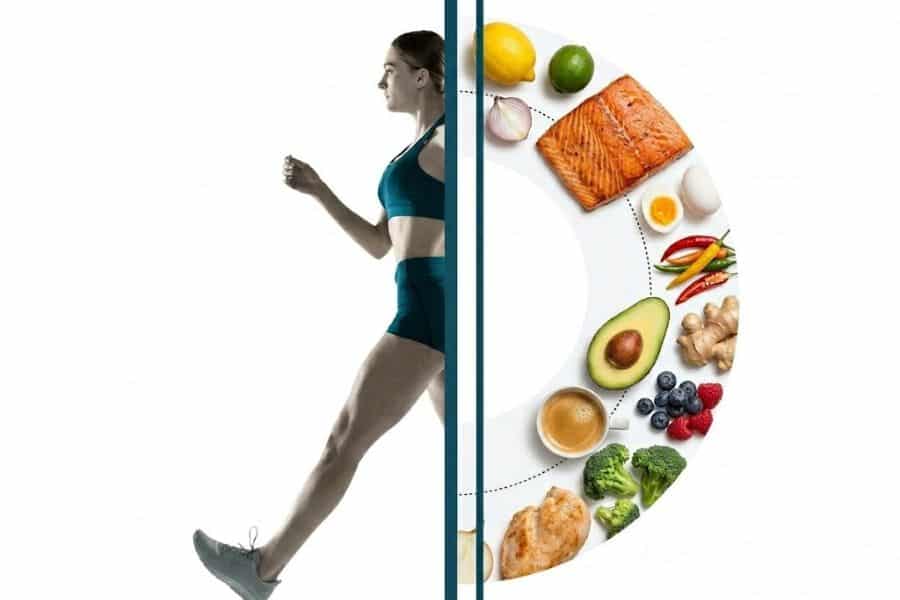
The Science Behind the 72 Hour Reset
So what actually happens during a 72-hour reset? And why 72 hours specifically?
Your Basal Metabolic Rate (BMR), the calories you burn just by being alive, is largely fixed and slow to change. But the systems that control how efficiently your metabolism runs? Those respond fast.
Within 72 hours of changing what you eat, three things start to shift.
Insulin Sensitivity.
Every time you eat sugar or refined carbs, your blood sugar spikes and your body releases insulin to deal with it. Do that repeatedly, and your cells start to ignore the signal. That’s insulin resistance, and it’s one of the biggest reasons your body stores fat instead of burning it. Cut out the spikes for even a few days, and your cells start listening again.
Inflammation.
Chronic low-grade inflammation directly interferes with the hormones that regulate energy and appetite. Dietary changes can begin to reduce inflammatory markers within days. Less inflammation means your metabolic signals get through more clearly.
Gut Health
Your gut microbiome, the trillions of bacteria living in your digestive system, plays a direct role in how you digest food, absorb nutrients, regulate blood sugar, and even signal hunger and fullness to your brain. The composition of your gut bacteria can begin to shift within 24 to 48 hours of changing your diet.
9 Foods That Give Your Metabolism a Reset
Research shows that within 72 hours of changing what you eat, you can start improving the three main systems that control how your metabolism runs: insulin sensitivity, inflammation levels, and gut health.
Eggs: The Cheapest Metabolic Upgrade in Your Fridge

Eggs contain a nutrient called choline, concentrated in the yolk, that your liver depends on to process fats correctly. Research confirms that humans on low-choline diets develop fatty liver and liver damage, and that the liver’s ability to perform its job depends heavily on having sufficient choline available.
On top of that, eggs are a complete protein, meaning they contain all nine essential amino acids your body needs to build and repair muscle. The more muscle you carry, the more calories your body burns at rest.
Ginger: The Root That Clears the Static

Think of ginger as a signal booster for your metabolism.
When inflammation is running high, it interferes with the hormones that regulate hunger, fat storage, and energy. It’s like trying to tune a radio station through heavy static. The message is there, but it’s not getting through.
Ginger contains active compounds called gingerols that give it serious anti-inflammatory firepower. A meta-analysis of five randomized controlled trials found that ginger supplementation significantly reduced key inflammatory markers, including hs-CRP, TNF-alpha, and IL-6 in participants with type 2 diabetes.
By reducing that background inflammation, ginger helps your metabolic hormones communicate more clearly. Your digestion runs better, bloating eases, and your body gets a clearer signal to burn fat rather than store it.
Cruciferous Veggies: Your Liver’s Best Friend
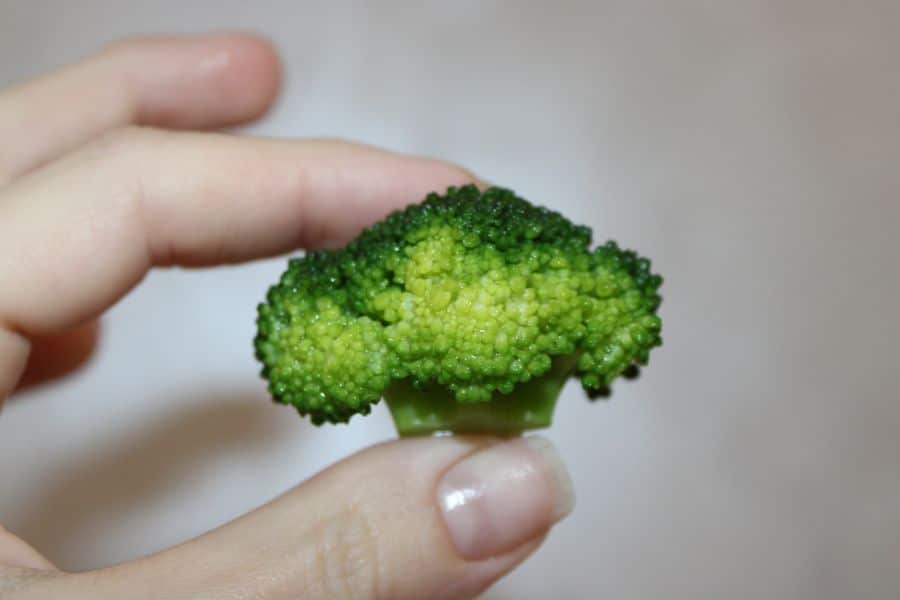
Broccoli, cauliflower, Brussels sprouts, and kale contain a compound called sulforaphane that activates your body’s natural detoxification pathways, particularly in the liver. A randomized, placebo-controlled trial found that supplementation with a sulforaphane-rich broccoli sprout extract significantly reduced liver enzyme markers in participants with fatty liver, indicating measurable improvements in liver function.
Since your liver is the main organ responsible for breaking down fats and regulating metabolism, helping it run at full capacity has a direct impact on your energy levels.
But don’t overcook them. Overcooking destroys most of the sulforaphane. Lightly steam your broccoli, roast your Brussels sprouts at high heat for a short time, or eat some of it raw.
Berries: Add Some Natural Sweetness
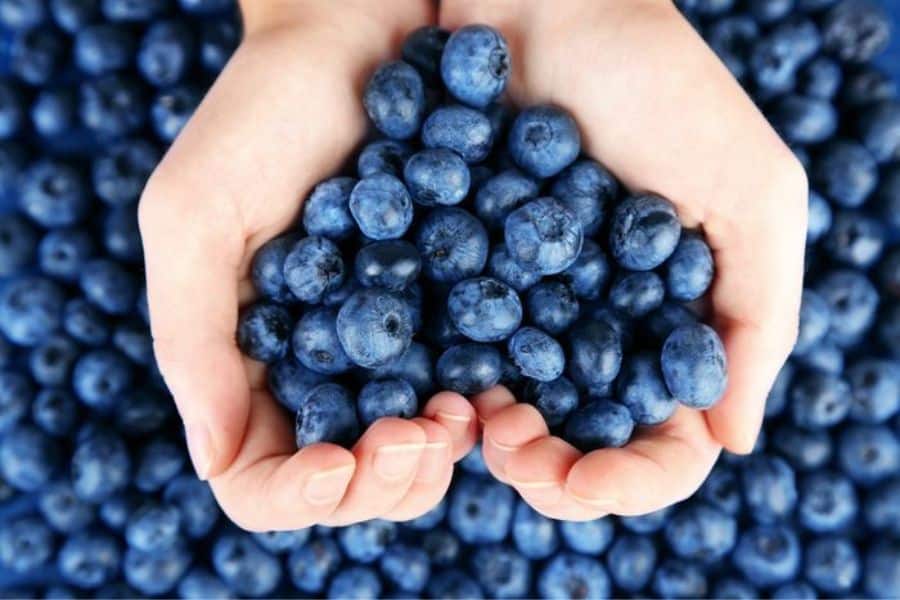
Raspberries and blueberries are among the lowest-sugar fruits you can eat. Instead of a glucose spike, you get a big hit of fiber and antioxidants called polyphenols, the dark pigments that give berries their color.
These polyphenols do two important jobs. First, they fight inflammation. Second, they act as food for beneficial gut bacteria. A systematic review of 16 studies found that blueberry supplementation improves gut health by reducing gut permeability, suppressing oxidative stress, reducing gut inflammation, and positively modulating gut microbiota composition.
Changes to gut bacteria can begin within 48 to 72 hours of eating the right foods. Berries are one of the fastest ways to start that shift.
Chili Peppers: Turn Up the Heat
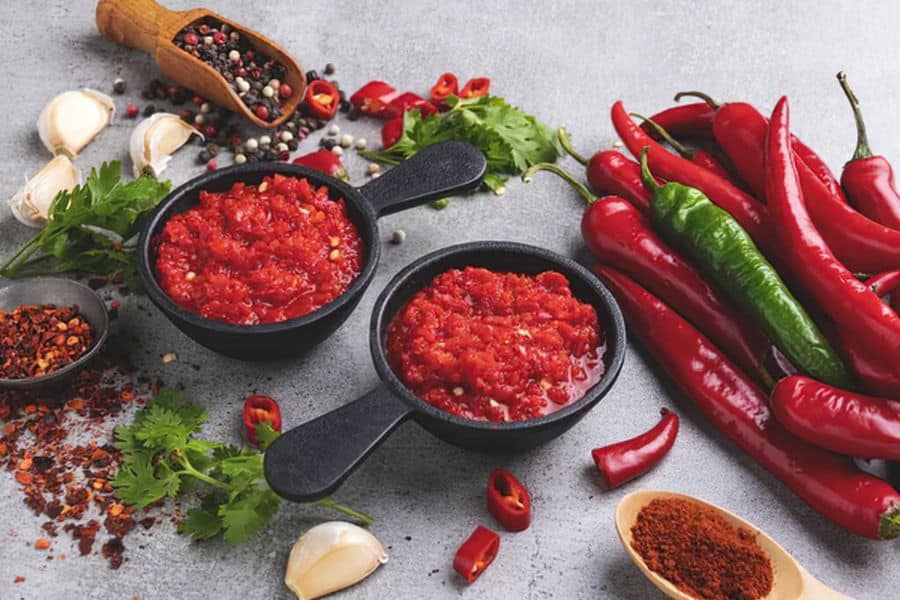
Chili peppers make your body burn more calories. The compound behind it is capsaicin, the same thing that makes your mouth feel like it’s on fire. Capsaicin triggers a process called thermogenesis, in which your body generates heat and burns extra calories.
A meta-analysis of 13 randomized controlled trials found that capsaicin and related compounds significantly increased resting metabolic rate and fat oxidation in healthy adults. The increase in resting metabolic rate was around 34 kcal per day, which is modest but consistent and measurable.
Avocado: Fat That Actually Fights Fat
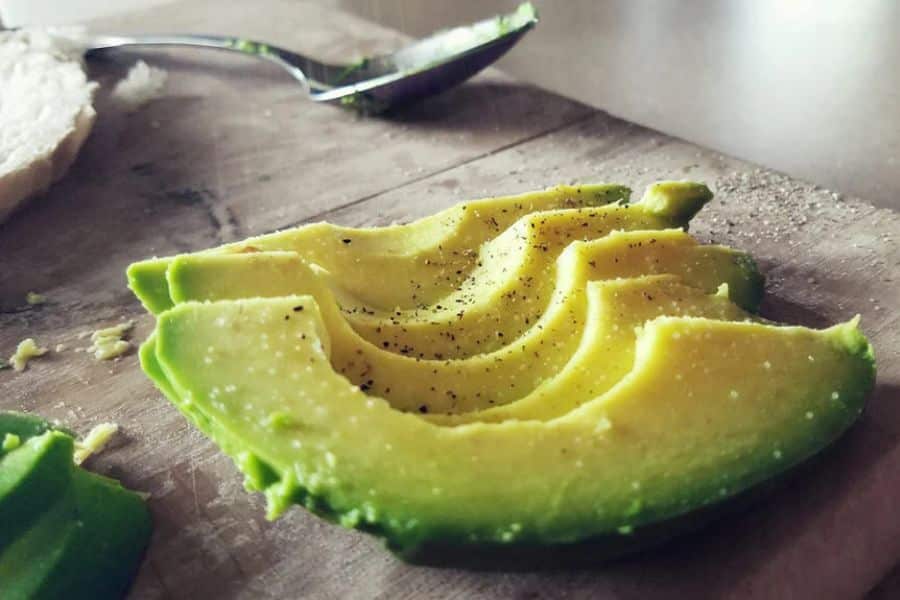
The monounsaturated fat in avocado is exactly the kind your body needs. A study found that adding half a Hass avocado to a lunch meal increased satisfaction by 23% and decreased the desire to eat by 28% over five hours compared to avocado-free meals.
The combination of fat and fiber in avocado also helps stabilize blood sugar after meals. Replacing carbohydrates with monounsaturated fats, such as those found in avocado, significantly improves blood glucose control and reduces HbA1c.
You stay full, blood sugar stays stable, and those pesky cravings don’t show up. That’s the metabolic sweet spot.
Coffee: Your Morning Spark, Earned

This one pleases me no end as I do love a coffee first thing in the morning to help me face the day.
A review confirmed that coffee has been known for almost a century to stimulate metabolism by between 5% and 20% for at least three hours after consumption. The caffeine in your cup temporarily increases the number of calories your body burns at rest, including by raising free fatty acid levels and promoting fat oxidation.
Fatty Fish: The Fire Extinguisher Your Body Needs

If inflammation is the fire slowing your metabolism down, salmon is the extinguisher.
Salmon, sardines, and mackerel are loaded with Omega-3 fatty acids, specifically EPA and DHA. They help reduce chronic inflammation, improve insulin sensitivity, and encourage the body to use fatty acids as an energy source rather than storing them.
When inflammation drops, your insulin works better. When insulin works more effectively, your body gets the signal to burn fat for energy rather than stockpile it.
Salmon also carries all the protein benefits that come with any high-quality animal source. Two servings of fatty fish per week is the general recommendation.
Lean White Meat: Make Your Body Work for Its Dinner
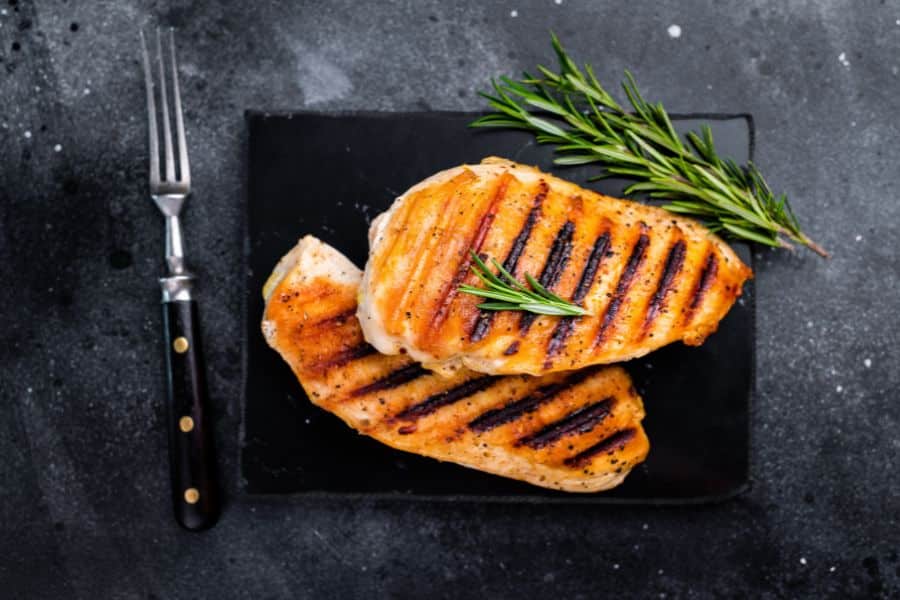
Lean chicken and turkey breast have the highest Thermic Effect of Food (TEF) of anything on this list. Your body burns 20 to 30% of protein’s calories just to break it down and digest it, compared to just 5 to 10% for carbohydrates and 0 to 3% for fat. Eat 200 calories of chicken, and your body uses up to 60 of those calories just processing it.
No other macronutrient comes close. And lean protein is also the primary building block for muscle mass. The more muscle you carry, the more calories you burn all day, whether you’re working out or watching television.
Your 72 Hour Reset Menu
You don’t need a complicated plan. The goal is to build each meal around protein and fiber, and let the other foods do their work throughout the day.
Here’s a simple framework to get you started.
Day 1
Breakfast: Scrambled eggs with a handful of raspberries on the side and a black coffee.
Lunch: Grilled chicken over a big salad with half an avocado and red pepper flakes.
Dinner: Baked salmon with steamed broccoli and a ginger and chili dressing.
Day 2
Breakfast: Hard-boiled eggs with sliced avocado and a black coffee.
Lunch: Leftover salmon flaked over greens with blueberries and a drizzle of olive oil.
Dinner: Turkey breast stir-fry with broccoli, chili, and fresh ginger over cauliflower rice.
Day 3
Breakfast: Eggs any way you like them, with a cup of ginger tea alongside your coffee.
Lunch: Chicken and broccoli bowl with a pinch of chili flakes and half an avocado.
Dinner: Baked mackerel with roasted cruciferous vegetables and a side of berries for dessert.
Disclaimer: The health and wellness content in this article is for informational purposes only and is not a substitute for professional medical advice, diagnosis, or treatment. Always consult your healthcare provider before making changes to your diet or lifestyle, particularly if you have an existing health condition or are taking medication.