
Every time I look in the mirror, I seem to spot a new gray hair or wrinkle. Now, other than using an age-defying face cream, I don’t take any special medication to prevent aging or have Botox. However, the last thing I want to do is accelerate the aging process.
I’ve always been one to follow the advice of my mom and grandma before her, both of whom have lived into their late 80s. They lived healthy lives, didn’t eat much junk food, walked everywhere, and believed a little bit of everything did you good. Not to mention, they both lived through the war years.
I’m a big believer in not reinventing the wheel, and as the lifestyle certainly didn’t do either of them any harm, I tend to live by similar principles, and so far, so good. However, even with my healthy lifestyle, I could still be hindering my fight to slow down the aging process with what I buy in the pharmacy.
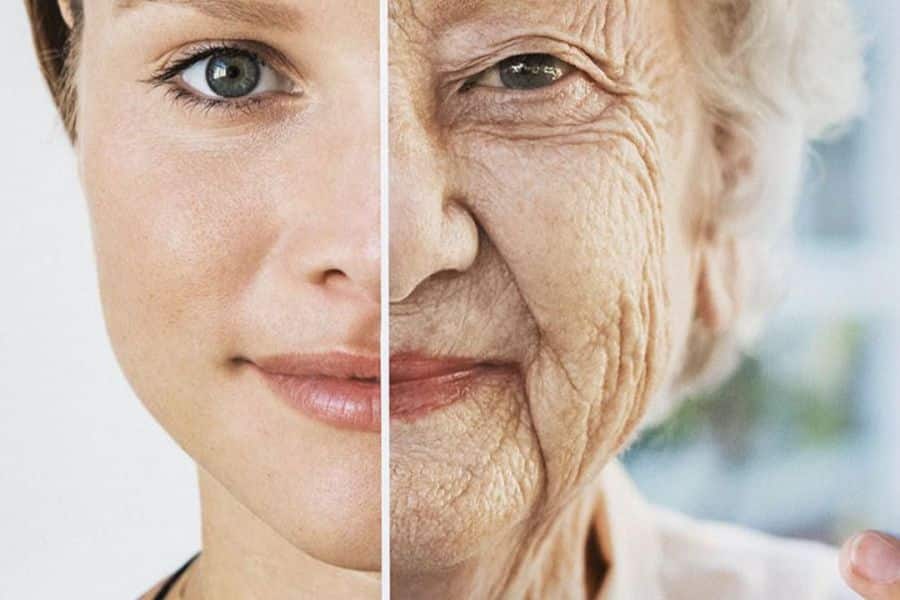
7 Common Medications That Accelerate the Aging Process
There is so much conflicting information available these days, it’s hard to know what to believe and what not to. So, I always do my research and look at credible studies and sources, so I’m as well-informed as I can be.
Some medications speed up the aging process at a cellular level. Now, that doesn’t mean you should stop taking prescribed medication without talking to your doctor first. But it does mean it’s worth knowing what certain drugs are doing inside your body, and whether there’s a smarter alternative.
Here are seven medications that research links to accelerated aging.
1. Amphetamines

These include prescription stimulants like Adderall and Vyvanse, prescribed for ADHD and narcolepsy.
The problem with long-term use is that they trigger a surge in oxidative stress in the blood and tissues, and oxidative stress is one of the primary drivers of cellular aging.
Research has shown that drug addiction accelerates biological aging through oxidative stress, inflammation, and telomere shortening, with amphetamines specifically linked to cardiovascular aging and artery hardening.
Researchers at the University of Western Australia found that because amphetamines are known to speed up skin aging, the same class of drugs likely has the same effect on the heart.
If you take prescription stimulants, discuss the lowest effective dose with your doctor and ask whether non-stimulant alternatives like Strattera are appropriate for your situation.
2. Antidepressants

This one is harder to talk about because antidepressants help millions of people, and untreated depression is damaging in its own right.
But a study that claimed found that antidepressant use was significantly associated with shorter telomere length, independent of a depression diagnosis. Telomeres are the protective caps on your DNA strands, and their shortening is one of the most reliable markers of biological aging. The shorter your telomeres, the faster your cells age.
The association held even after controlling for depression severity, which suggests the medication itself, not just the underlying condition, plays a role.
If you take antidepressants, this is not a reason to stop. It is, however, a reason to have regular conversations with your doctor about whether your current prescription is still the right one and whether lifestyle interventions like exercise could help reduce your reliance on medication over time.
3. Corticosteroids

Prednisone, cortisone, hydrocortisone. If you’ve ever been prescribed a steroid for inflammation, asthma, eczema, or an autoimmune condition, you’ve been on a corticosteroid.
Short-term use is generally fine. Long-term use is where the aging picture gets complicated.
Research has shown that excess glucocorticoids significantly inhibit collagen synthesis and accelerate skin aging. Collagen is what keeps skin firm, elastic, and thick. When corticosteroids suppress their production, the result is skin that thins, sags, and ages faster than it should.
Long-term corticosteroid use is associated with bone loss, muscle weakness, and impaired wound healing, all of which are hallmarks of accelerated aging.
If you use corticosteroids regularly, ask your doctor about the lowest effective dose, topical rather than systemic options where possible, and whether alternatives like biologics or non-steroidal anti-inflammatories might reduce your dependence on them.
4. Opioids

Opioid painkillers like oxycodone, hydrocodone, and morphine are among the most prescribed medications in the US.
The short-term effects are well known, but the long-term effects on the aging process, not quite so much.
A 2024 review of the research found that chronic opioid users often show signs consistent with accelerated aging, with opioids specifically linked to telomere shortening, mitochondrial dysfunction, and genomic instability, all recognized hallmarks of biological aging.
Mitochondrial dysfunction is particularly significant here. Your mitochondria are the energy engines of every cell in your body. When they stop working efficiently, everything ages faster.
For chronic pain, ask your doctor about non-opioid pain management strategies, including physical therapy, nerve blocks, low-dose naltrexone, or anti-inflammatory approaches. For acute short-term pain, opioids remain appropriate; the concern is with prolonged use.
5. Anticoagulants

Warfarin, in particular, one of the most prescribed blood thinners in the world, also impacts how your body ages. This one I know a little more about, as my Dad took them after his heart attack.
Warfarin works by blocking vitamin K. The problem is that vitamin K is also essential for activating a protein called Matrix Gla Protein, which prevents calcium from depositing in your arteries. Block vitamin K long enough, and calcium builds up in your arterial walls.
Research has confirmed that one of the lesser-known long-term side effects of warfarin is an increase in systemic arterial calcification, which is directly associated with cardiovascular aging and increased mortality risk.
Stiffened, calcified arteries are one of the most significant signs of cardiovascular aging. If you take warfarin long-term, speak with your doctor about whether a newer class of blood thinners called DOACs (direct oral anticoagulants) might be appropriate for you. Studies show DOACs have a significantly better profile when it comes to vascular calcification.
6. Statins

Statins are the most prescribed medication class in the United States for people at high cardiovascular risk.
Statins work by blocking a pathway in the liver called the mevalonate pathway. That same pathway is also responsible for producing Coenzyme Q10 (CoQ10), a compound your mitochondria need to produce energy and protect cells from oxidative damage.
Research confirms that statins routinely reduce CoQ10 levels in the serum, with some studies also showing a reduction in muscle tissue, pointing to mitochondrial dysfunction as a key mechanism behind statin-associated muscle symptoms.
Mitochondrial decline is a central feature of biological aging. Muscle fatigue, weakness, and pain, the most common complaints from long-term statin users, are also classic signs of accelerated cellular aging.
If you take statins and experience muscle symptoms, talk to your doctor about CoQ10 supplementation, switching to a lower-dose or different statin, or whether your cardiovascular risk justifies your current dose.
7. Antihistamines

The everyday allergy tablet you pick up at the drugstore without a second thought may be one of the most overlooked aging accelerators on this list, particularly if you take it regularly.
First-generation antihistamines like diphenhydramine (the active ingredient in Benadryl) are anticholinergic drugs, meaning they block acetylcholine, a neurotransmitter essential for memory, attention, and cognitive function.
Research covering more than 3,400 adults tracked over nearly two decades found that cumulative use of strong anticholinergic medications, including first-generation antihistamines, was associated with a significantly increased risk of developing dementia.
A separate study found that higher cumulative doses of first-generation antihistamines were associated with progressively higher dementia risk, with the hazard ratio rising with each dosage category.
Cognitive decline is one of the most significant and feared aspects of aging. The brain-aging effects of first-generation antihistamines are well-documented enough that the American Geriatrics Society has flagged them as potentially inappropriate for older adults.
The alternative is straightforward. Second-generation antihistamines like loratadine (Claritin), cetirizine (Zyrtec), and fexofenadine (Allegra) are far less likely to cross the blood-brain barrier, carry a much lower anticholinergic burden, and work just as well for allergy symptoms. If you regularly use a first-generation antihistamine, switching is one of the simplest changes you can make.
Disclaimer: This article is for informational purposes only and does not constitute medical advice. Never stop or adjust a prescribed medication without consulting your healthcare provider first.