
There is an overwhelming amount of information out there about cholesterol numbers, blood pressure, gut bacteria, and how much you should exercise. Add to that the sheer volume of different diets and eating habits that all claim to reverse the aging clock, and it’s easy to see how other things, like the liver, get lost in the fray.
I always thought liver health was more about how much alcohol you did or didn’t drink, but that’s not the case at all. Around 1 in 4 American adults is now thought to have what used to be called nonalcoholic fatty liver disease, and as of 2024, has been renamed metabolic dysfunction-associated steatotic liver disease, or MASLD.
And, surprise, surprise, it’s largely driven by what’s on our plates. Somehow, everything about our health always comes back to the food we stuff into our bodies. The frustrating part is that the liver tends to stay silent until the damage is well along, so waiting for telltale symptoms isn’t much of a plan. Prevention is always better than cure, and that’s what this article is focusing on.
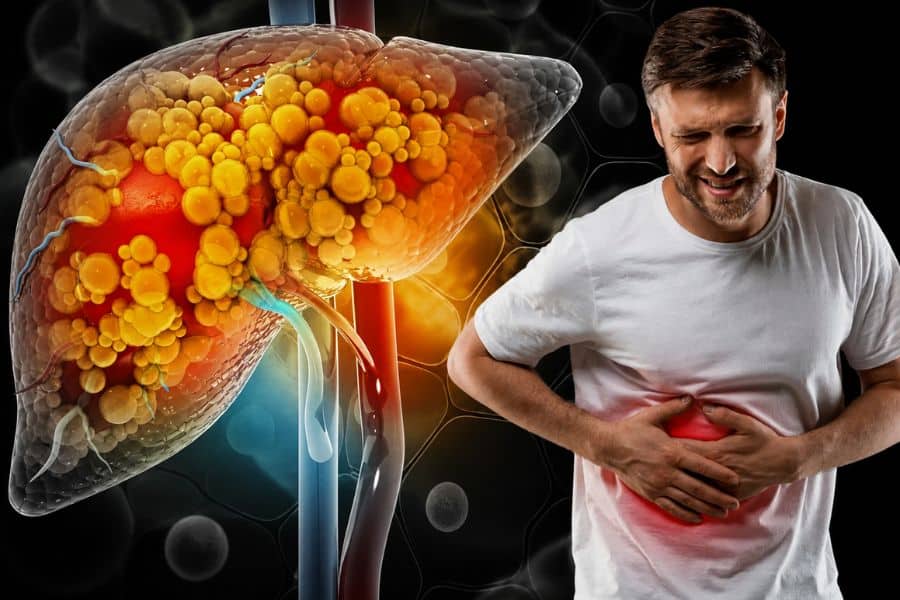
9 Foods You Should Stop Eating If You Want To Help Your Liver
Here are 9 of the worst offenders for your liver, with a swap suggestion for each, which should ease things a little without taking all the fun out of eating. After all, we all need a burger and fries every now and again, just not every night.
1. Sugary Drinks
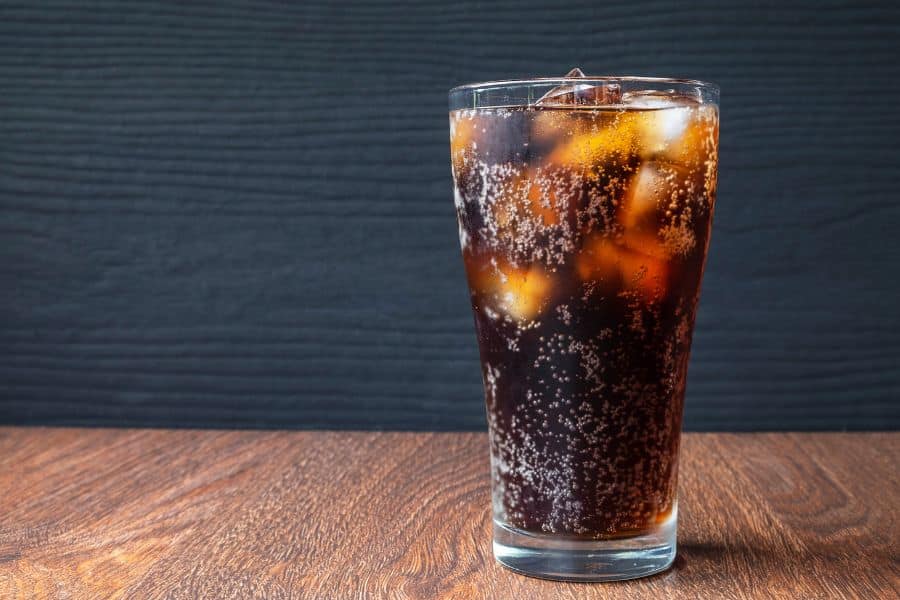
If there were a hall of fame for foods that wreck the liver, sugary drinks would take pride of place. They’re the primary vehicle for high-fructose corn syrup in the American diet, and the liver is the organ responsible for processing fructose.
Drink enough of it, and that fructose gets converted into fat that piles up in liver cells, but unfortunately, all that liquid sugar doesn’t fill you up the way food does. A 20-ounce soda goes down in minutes, delivers a small mountain of sugar, and leaves you ready for lunch anyway.
The same goes for sports drinks marketed as healthy and sweet teas that taste mild but carry as much sugar as a dessert.
The swap: water is the obvious answer, but black coffee can help as well. Drinking 2 to 3 cups of black coffee a day has been associated with protection against liver damage. If plain water is a step too far, try sparkling water with a squeeze of lime, or unsweetened iced tea with a sprig of mint.
In the summer, we make our own infused water every day, using all sorts of fruit and herbs, and it tastes pretty good.
2. Fruit Juice
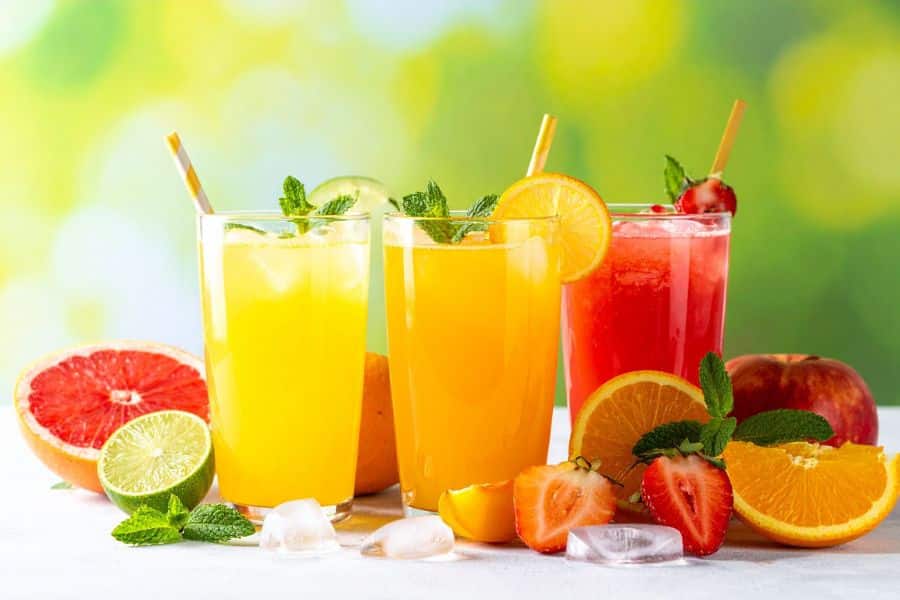
The bottle says 100% juice, no added sugar, organic, cold-pressed, and it costs more than a sandwich. Surely that has to be good for you. The liver disagrees. Once you take the fiber out of fruit by juicing it, what’s left is concentrated fructose, and that hits the liver in much the same way soda does. Both the American Liver Foundation and the Mayo Clinic list fruit juice among drinks to limit for liver health.
Orange juice is the classic offender. A single glass might contain the juice of 3 or 4 oranges, none of the fiber, and a sugar punch your liver has to deal with all at once. Apple juice is similar. “Natural” sugar still counts as sugar without the fiber that slows it down.
The swap: eat the whole fruit. A real orange comes with fiber, takes longer to eat, and keeps blood sugar steadier. Or try a protein smoothie with vanilla whey protein, mascarpone, milk, and fruit.
3. “Low-Fat” and “Fat-Free” Packaged Foods
The low-fat craze of the 1980s and 1990s saw manufacturers strip the fat out of yogurt, salad dressing, peanut butter, and baked goods, resulting in products that usually tasted like cardboard. So they added something to bring the flavor back. That something is almost always sugar, high-fructose corn syrup, or refined starch.
You end up swapping a fat your body can handle for the exact sugars that drive fat buildup in the liver. The label might look healthier, but it’s not. Fat-free salad dressing is one of the worst offenders, as it’s often heavy in added sugar.
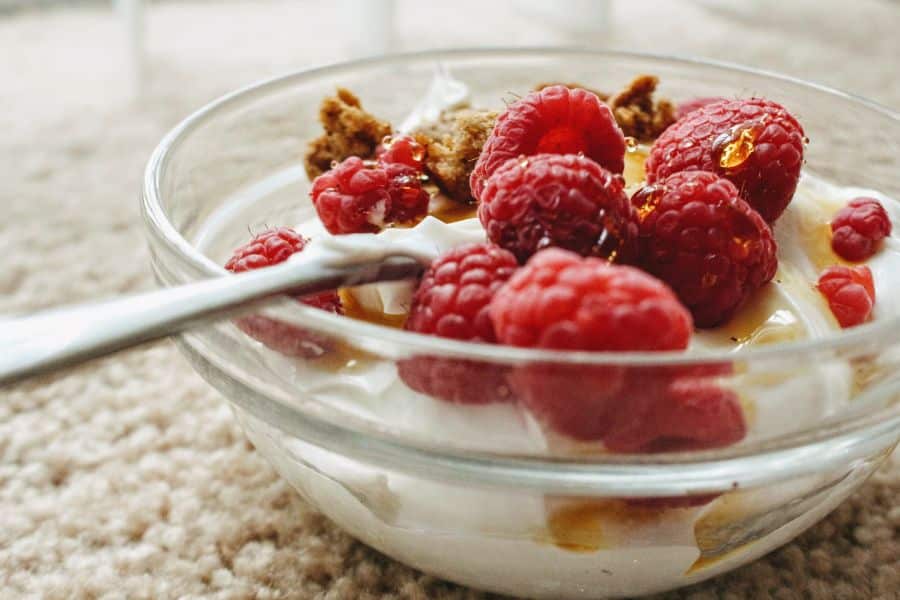
The swap: go for the full-fat, unsweetened version. Plain Greek yogurt with a handful of fresh berries and a drizzle of honey, if you like it sweet, and salad dressings made with olive or avocado oil. Fat in real food slows digestion, keeps you full, and isn’t the villain we were told it was.
4. Breakfast Cereal, Cookies, and Pastries
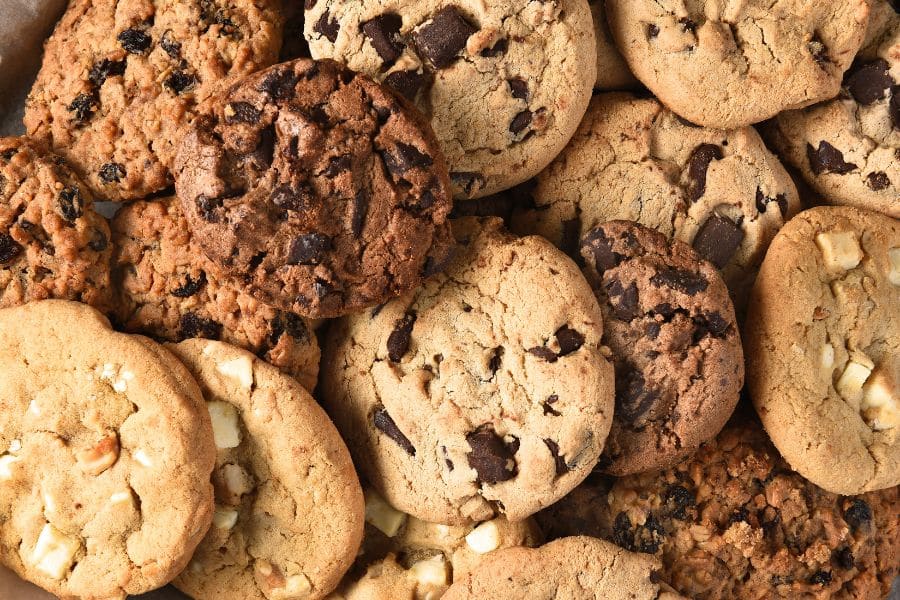
Breakfast pastries and most cereal boxes are a triple hit on the liver: added sugar, refined white flour, and often a layer of saturated fat or shelf-stable oils. They spike blood sugar, push the liver toward fat storage, and tend to leave you hungry again within the hour. I struggle with not eating pastries while living in France and going to the boulangerie almost daily.
A 2025 study tracking diet and the progression of fatty liver disease found that eating white bread, cookies, and breakfast cereals was linked with faster progression of fibrosis, which is the scarring stage of liver damage.
The swap: oatmeal. Plain rolled oats cooked with milk or water, topped with fruit, nuts, and a sprinkle of cinnamon, take maybe 5 minutes. The high fiber content supports liver function and has even been linked to reduced belly fat, which often goes hand in hand with liver fat. If you want something baked, look for whole-grain options with short ingredient lists, or make your own.
5. Ultra-Processed Foods
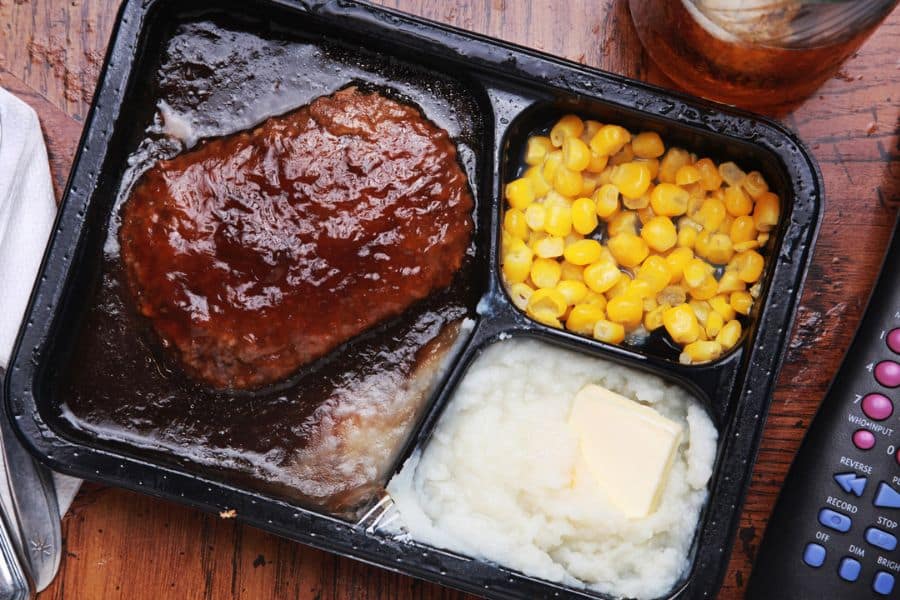
Ultra-processed foods, or UPFs, get talked about a lot now, as being the most unhealthy option you can buy. These aren’t foods that have simply been chopped, frozen, or canned. They’re industrial formulations built from ingredients you wouldn’t find in a home kitchen, additives, emulsifiers, preservatives, refined oils, isolated sugars, and flavorings designed to make you keep eating.
Frozen pizzas, instant noodles, packaged snack cakes, hot dogs, breakfast bars, and most boxed snacks fall into this category.
A major 2025 review of data from more than 500,000 people found that the highest level of UPF consumption was linked to a 22% greater risk of fatty liver disease. The liver has to deal with the cocktail of additives and refined ingredients in these foods, on top of the sugar and fat. It all adds up.
The swap: cook at home more often, even simply. The Mediterranean diet is the eating pattern most often pointed to by liver specialists, and it’s basically the opposite of a UPF-heavy diet. Olive oil, vegetables, beans, fish, whole grains, nuts, fruit, and herbs. A bowl of pasta with olive oil, garlic, tomatoes, and beans takes 20 minutes of cooking and ticks every box.
6. Fast Food Burgers and Fries
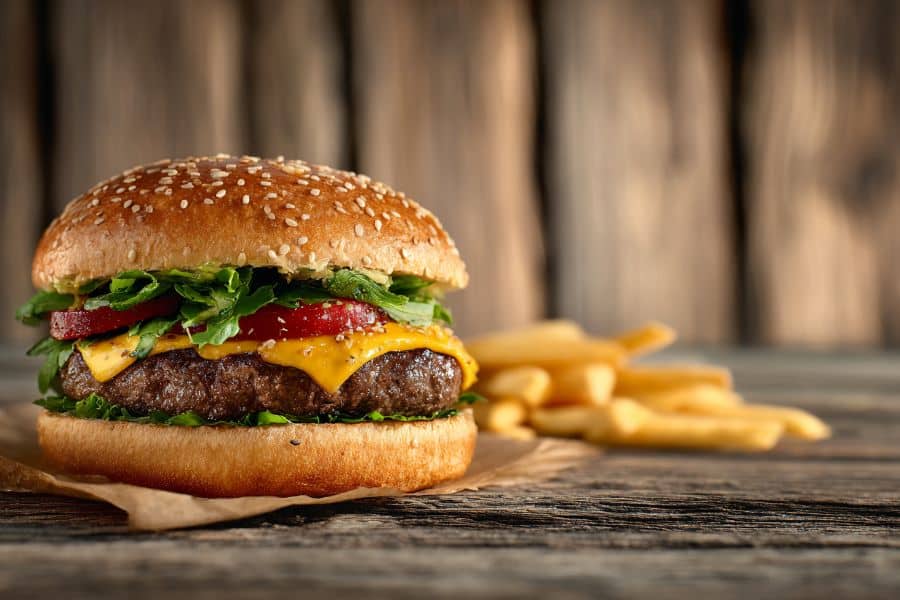
It’s a Friday night takeaway favorite, at least it is in our house, although as we have no takeaways near us, it’s more eat-in than takeout. A burger and fries combo loads up saturated fat, refined carbs from the bun, sodium, and often added sugars in the sauces and bun itself.
Eating too much saturated fat makes it harder for the liver to do its job, leading to inflammation that can progress to scarring and, eventually, cirrhosis.
A 2023 study found that people who got just 20% or more of their daily calories from fast food, which works out to roughly one fast food meal a day, showed excessive fat buildup in the liver. That’s a sobering number when you consider how normalized a daily drive-thru run has become for plenty of people with busy schedules.
The swap: you don’t have to give up burgers, just rework the math. A homemade burger with lean ground beef or ground turkey on a whole-grain bun, with a big side salad dressed in olive oil and lemon, hits the same craving without the industrial fryer oil and refined extras. Air-fried potatoes with a little olive oil and rosemary scratch the fries itch surprisingly well.
7. Refined White Carbs
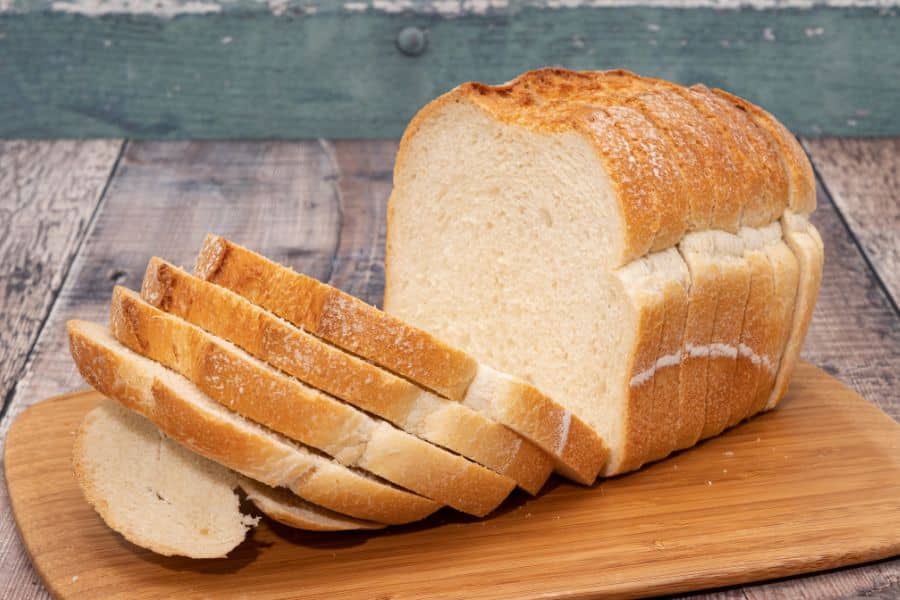
White bread, white rice, and white pasta have had their fiber and most of their nutrients stripped out, so the body breaks them down almost as quickly as straight sugar. Blood sugar spikes, insulin follows, and the liver gets the signal to store fat. Done often enough, this becomes one of the daily background drivers of fatty liver disease.
The 2025 study mentioned earlier named white bread, linking it to faster fibrosis progression. The Mayo Clinic and American Liver Foundation both flag refined carbs as foods to limit.
A daily white-bread sandwich at lunch on its own isn’t going to do too much harm, but over years it builds the kind of metabolic background that the liver has to keep up with.
The swap: whole-grain versions of the same foods. Whole-grain or sourdough bread for sandwiches; brown or wild rice in place of white; whole-wheat or legume-based pasta for dinner. Legume pasta made from chickpeas or lentils cooks like regular pasta, holds sauce well, and provides real fiber and protein. You’re not giving up the carbs, you’re upgrading them to a healthier version.
8. Alcohol

I’m pretty sure we all know this one, but it’s still worth adding to the list. Alcohol is the original liver wrecker, and even with the rise of metabolic liver disease, it hasn’t gone anywhere. The liver is the organ that has to break down alcohol, and every drink puts that work in front of everything else it’s trying to do.
Heavy drinking causes alcoholic fatty liver, which can progress to hepatitis, fibrosis, and cirrhosis. But it’s the steady, moderate drinking that often flies under the radar.
A daily glass or two of wine has been sold to us for years as heart-healthy. The liver evidence tells a less rosy story, I’m afraid. If you already have fat building up in the liver from diet and metabolic factors, alcohol on top of that speeds the damage along.
The swap: this doesn’t have to mean a forever ban on alcohol. I live in France, so there is no way I’m giving up red wine. Instead, try a few alcohol-free days a week as a baseline, which is what I do. No alcohol Mon-Thurs, and then if I want a glass or two at the weekend, I can.
The non-alcoholic drinks category has exploded in the last few years, with decent zero-proof beers, sparkling wines, and bitter sodas that scratch the ritual itch of pouring a drink at the end of the day. A glass of sparkling water with a slice of cucumber and a couple of mint leaves in a wine glass is silly, but it works.
9. Trans Fats and Hydrogenated Oils
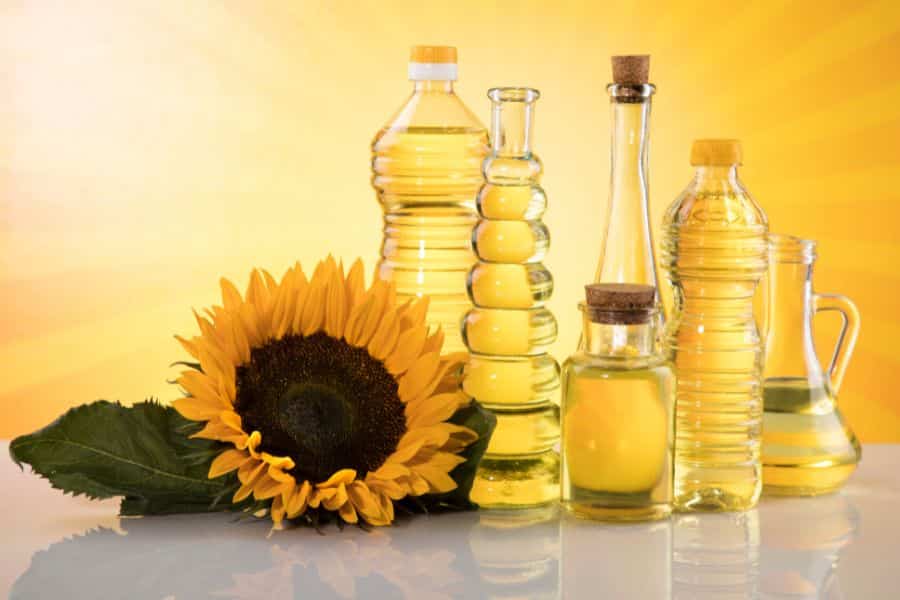
Trans fats are mostly banned in their original form, but partially hydrogenated oils and similar industrial fats still turn up in margarine, some baked goods, microwave popcorn, certain coffee creamers, and a fair amount of packaged snack food.
These fats are particularly hard on the liver because the body wasn’t built to deal with them. They drive inflammation, raise the kind of cholesterol you don’t want, and contribute to fat buildup in liver cells.
A product can claim zero trans fats per serving if the amount falls below a certain threshold, even if it lists partially hydrogenated oil in the ingredients. The fix is to read the ingredient list, not the front of the box. If you see anything partially hydrogenated, put it back.
The swap: cook with olive oil, avocado oil, or butter in moderation. Real butter, used in reasonable amounts, is a better choice for the liver than margarine made from industrial oils. For snacks, plain popcorn made on the stovetop with olive oil and salt costs almost nothing and tastes better than the microwave version. Nuts, seeds, olives, and cheese, in small portions, all provide fat that the body actually knows how to use.
Disclaimer: This article is for general informational purposes only and is not a substitute for professional medical advice, diagnosis, or treatment. Always consult a qualified healthcare provider before making changes to your health, diet, or exercise routine.