
We are having a full-on heatwave here in my part of southwest France, with temperatures over 100 degrees. It’s been like this for over a week, and the forecast is showing more of the same for the next few weeks. My poor plants are starting to look a bit sorry for themselves.
Luckily, my tomatoes are still thriving as I’ve built a DIY irrigation system using old plastic soda bottles, and it’s working a treat. However, most of my plants aren’t loving being burned to a crisp. And it’s only June!
Add to this that everyone is on a hosepipe ban and all the water in my waterbutt has gone, we’re in dire straits in the garden at the moment. However, there are plants that cope well with the burning sun and no water, so all is not lost.
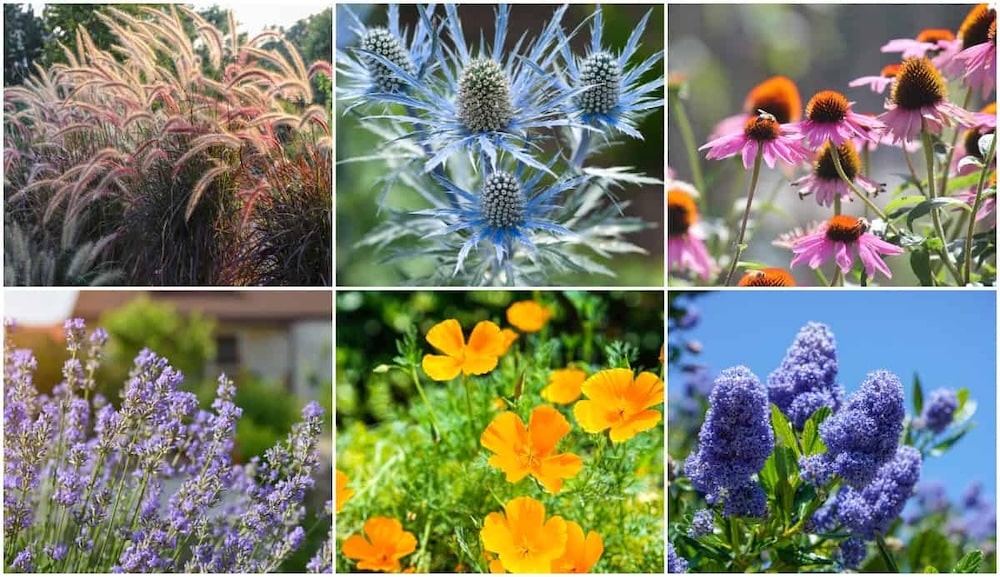
9 Drought-Tolerant Plants
These are plants I’ve tried and tested in places where we get extreme heat, and they’re perfect if you want something hardy that can cope with lots of sun and very little water.
1. Astrantia
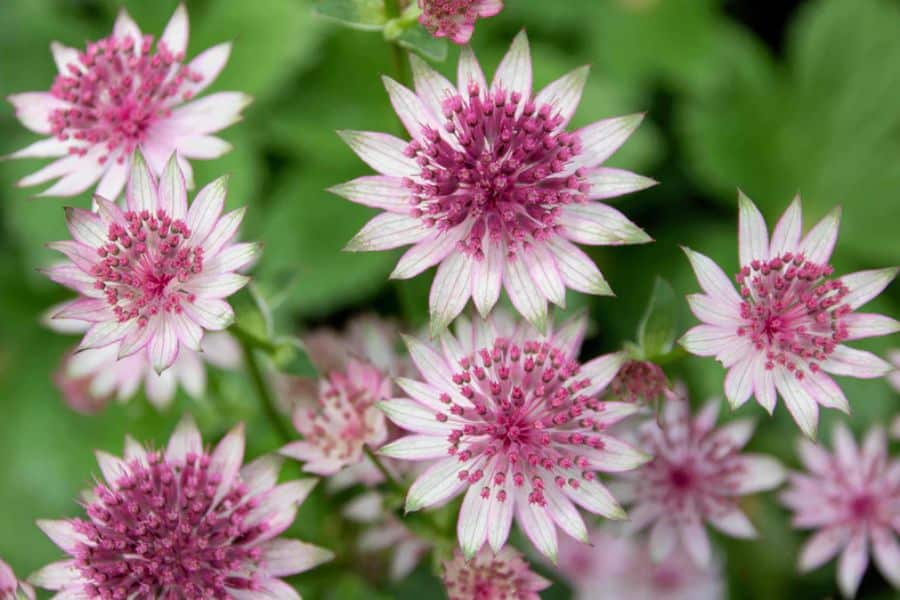
Astrantia has flowers that look like little pincushions with a ruff of papery bracts around them, in white, pink, deep raspberry, and almost-black red. They work beautifully with the current old-fashioned Grandma garden trend.
It does best in part shade, so I tuck mine in under taller shrubs where it gets a bit of afternoon shadow. A thick mulch in spring is the trick, especially when you know a hot summer is coming. I use whatever’s to hand, compost, leaf mold, even grass clippings if I’m feeling lazy, and it makes a real difference to how the plant copes in July.
If you snip off the spent flowers as they fade, you usually get a second flush later in the season.
2. Foxglove
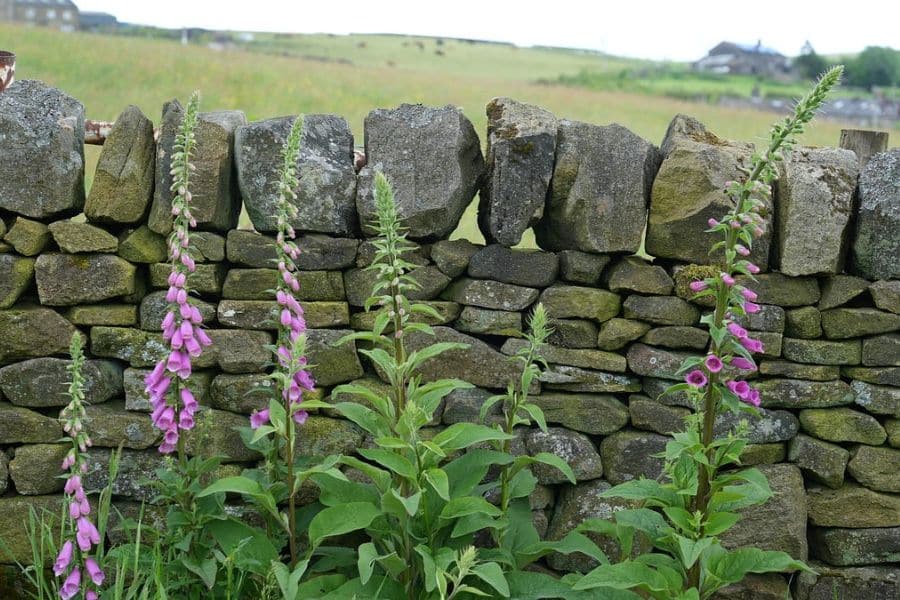
Foxgloves were everywhere in my Grandma’s garden, tall pink spires popping up all over the place, often in the gravel paths, occasionally right in the middle of the lawn. I thought they were the most magical thing in the world when I was a kid, and they take me right back to childhood when I see them.
They like dappled shade and soil that isn’t bone dry, so they’re brilliant for those spots along a fence or under a tree where the sun only really creeps in for an hour or two. Let them set seed after they’ve finished flowering, and you’ll get new plants drifting through the borders the following year without lifting a finger. That’s my kind of gardening.
3. Dryopteris (the Tough Fern)
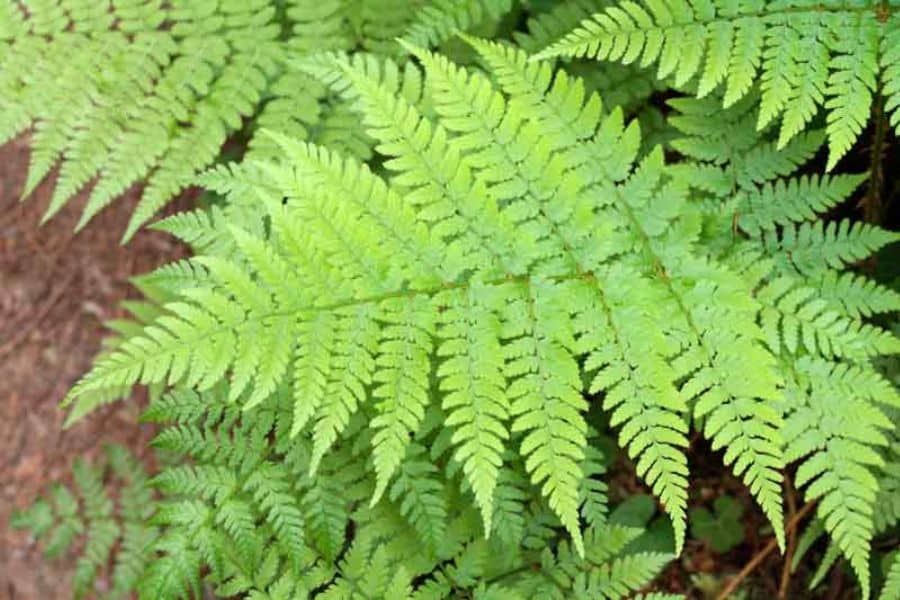
Dryopteris is the one fern that handles dry shade well. It’s also one of the easiest ferns going. I’ve got a couple now in the dry strip along the north wall of the house, where nothing else wants to live, and they look beautiful, all arching fronds and that lovely fresh green even when everything around them is brown.
Snip off the tired old fronds in late winter before the new ones uncurl, throw a mulch of compost or leaf mold on top, and that’s basically it. Mine have survived a couple of dry summers already, and going by how they look right now in the middle of this heatwave, they’ll see the year out just fine.
4. Fatsia Japonica
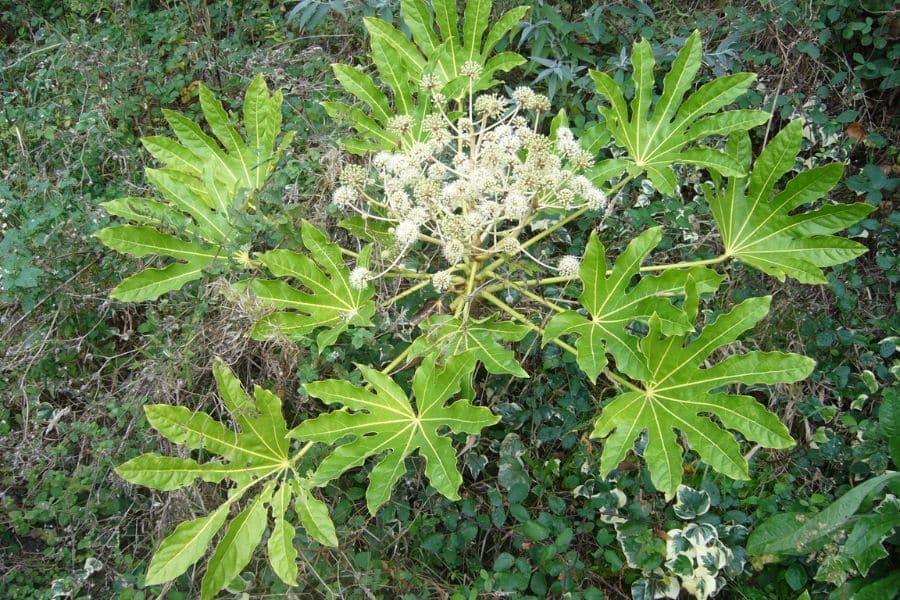
Fatsia japonica is the one I always recommend to anyone who says they can’t grow anything. It’s enormous, glossy, and evergreen, with those huge hand-shaped leaves that look like something out of a jungle, and yet it’ll happily sit in a shady, sheltered corner.
The leaves stay shiny and dark green all year, it throws out odd cream flower balls in autumn that the late bees love, and the only maintenance is pulling off any leaves that have got tatty over winter.
If you’ve got one of those spots where nothing seems to work, plant a fatsia and walk away. In a year, you’ll have something lush, even when the rest of the garden is having a meltdown.
5. Heuchera
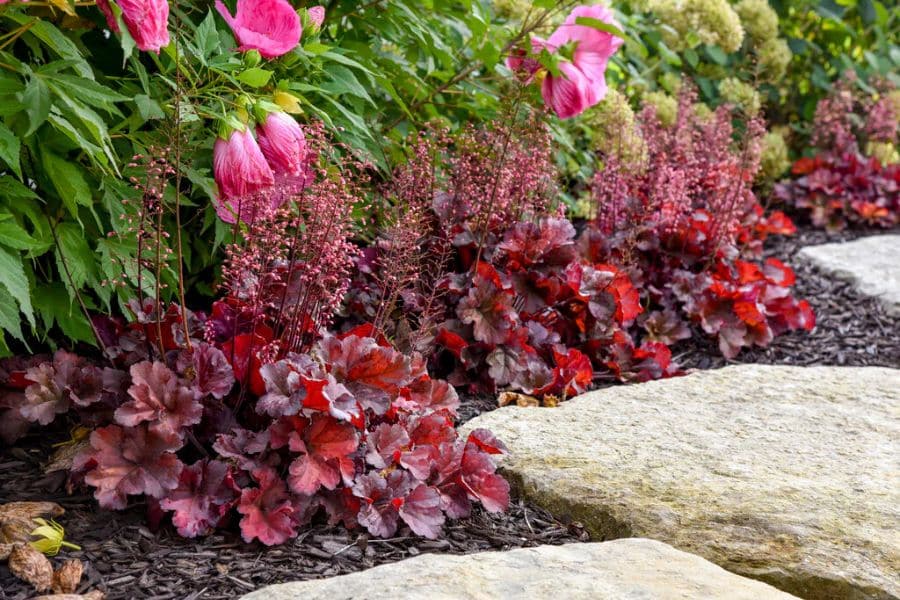
Heucheras are perfect if you want a bit of color in a shady spot without having to think about flowers. The leaves come in all sorts, lime green, deep burgundy, peach, almost black, silver with veining like a stained-glass window, and they hold that color from spring through to the first frost.
They’re happy in dry shade once they’ve settled in, which can take a season, so the first summer is when you do need to keep an eye on them. After that, they’re pretty self-sufficient. Mulching in spring helps protect the plant’s crown from drying out, and pulling off any tired leaves now and then keeps them looking fresh.
They’re also brilliant in pots if you don’t have a garden bed to spare, which is how I started with them years ago on a tiny patio that got about an hour of sun a day.
6. Japanese Anemone
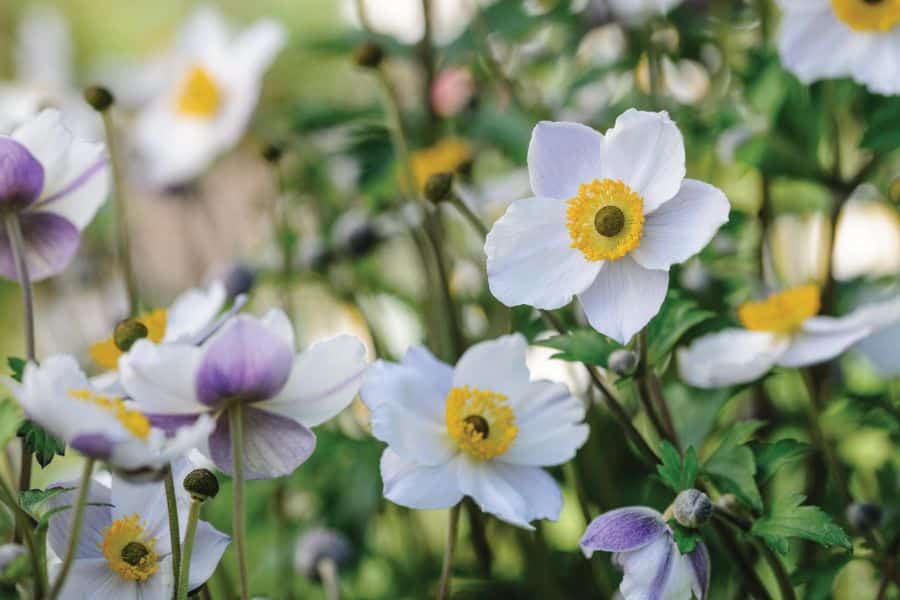
By August, most of the early flowers are done, the roses are between flushes, and the borders can look a bit done in, particularly after a heatwave. Anemones wait until everyone else is flagging, then start opening their elegant pink or white flowers on tall, wiry stems, and they keep going for weeks.
They like soil that holds a bit of moisture, so the spot under a tree where leaf litter has built up over the years is ideal. The taller varieties can flop a bit in an exposed spot, so a few twiggy sticks pushed in around the clump in early summer keep them upright.
Snip off the spent flowers as they fade, and you’ll get more. A word of warning, though, once they’re happy, they spread.
7. Vinca Minor
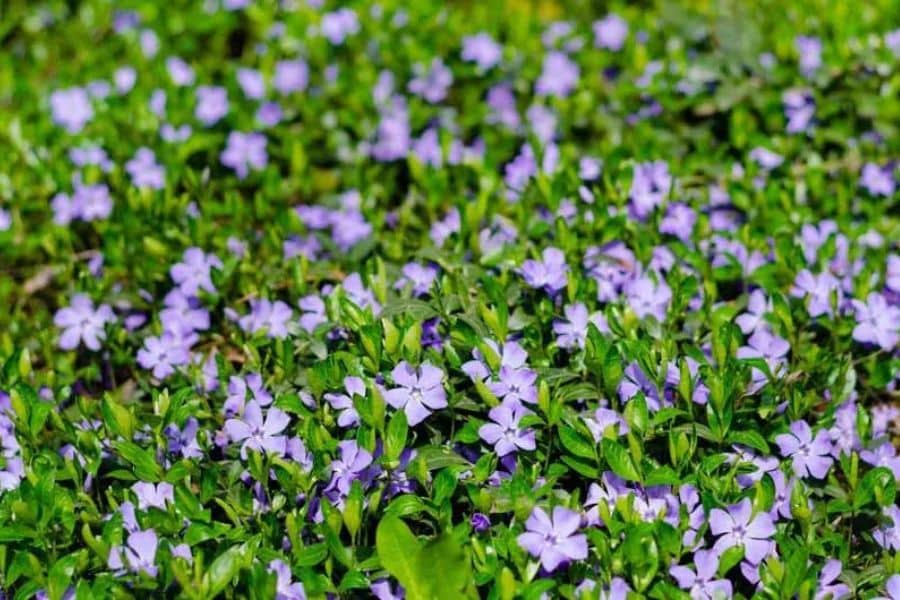
Vinca minor, or lesser periwinkle as they’re otherwise known, is another plant that will grow where nothing else will. It’s an evergreen ground cover with small glossy leaves and little blue-purple flowers in spring, and once it’s in, it just does its thing.
It does have a tendency to wander, though. So if you’ve got a small, neat border, this isn’t the plant for it. But if you’ve got a problem area, a bit where you’ve thrown your hands up and given up, Vinca will cover it and smother the weeds in the process.
Give it a haircut in spring, trim back any stems that are heading somewhere they shouldn’t, and water it through the first year while it settles in.
8. Lavender
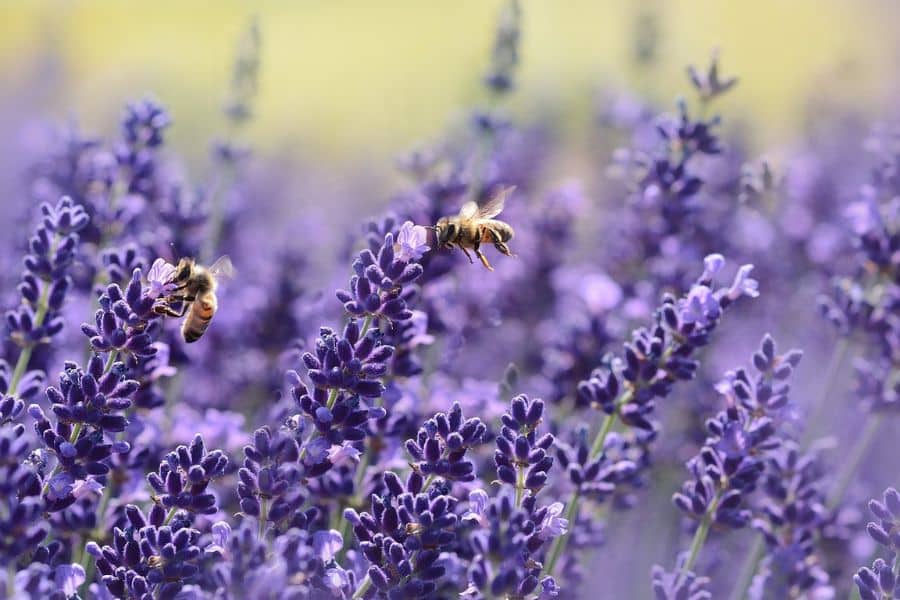
I couldn’t write a heatwave list and not include lavender, because it’s the plant thriving the most in my garden right now, while everything else wilts. Where I am in southwest France, lavender grows everywhere, and it loves the heat, poor stony soil, and it prefers being ignored. My kind of plant.
The one thing it doesn’t want is wet feet, so if your soil is heavy and damp, mix in some grit when you plant it or stick it in a pot. Mine are in the sunniest, driest spot I’ve got. The bees love it, as does the rose it’s sat next to, and the smell when you brush past it is lovely.
The only job that matters with lavender is a trim in late summer once the flowers are done, taking off the spent stems and a bit of the green growth below, but not cutting back into the old woody stems because it won’t regrow from there. Skip the trim, and you’ll end up with leggy, woody plants that fall open in the middle. Trim them, and they’ll keep their shape for years.
9. Sedum (Stonecrop)
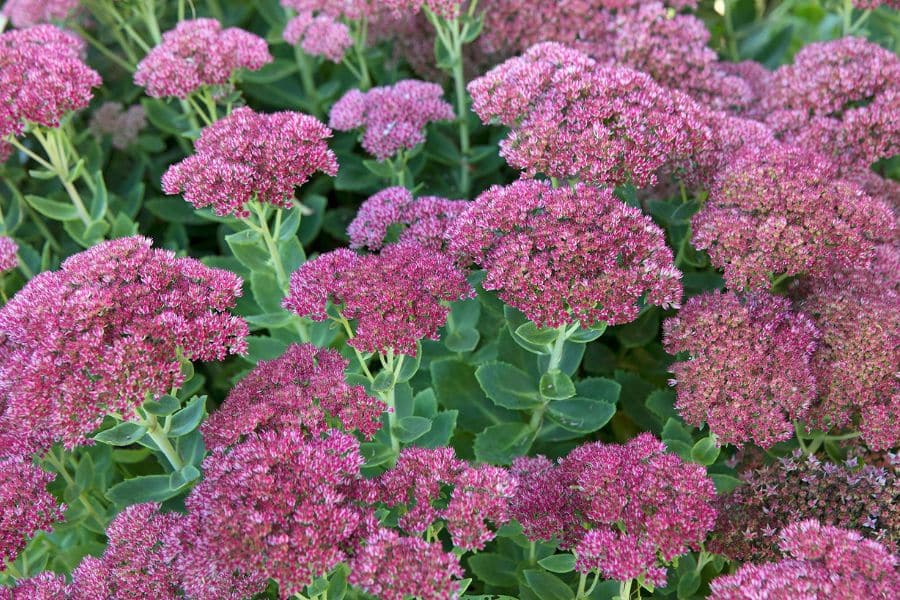
Sedum is the plant I always forget about until late summer, when it suddenly starts looking fantastic. The tall border varieties, the ones that used to be called Sedum spectabile and are now technically Hylotelephium, have these fat, fleshy leaves and broccoli-like flower heads that turn dusty pink and then deeper rose as autumn comes in.
It’s a succulent, basically, which means it stores water in its leaves and laughs at drought. The lower-growing sedums, the creeping ones, are brilliant for tucking into gaps in a wall, between paving stones, or along the front of a hot, dry bed where you want something low.
They root from the tiniest bit of stem, and that’s how mine started, a snapped-off bit handed over a fence in a paper bag, stuck in the ground.