
Spring is finally here, and that means it’s officially time to get back out in the garden again. Although it does, of course, depend on where in the world you are. I’m in southwest France, so I’ve been back out for a few weeks now.
But what about in the US? Well, luckily for us, the US has its planting broken down into zones to make life easier, and so you know what to plant and when.
So if you’re itching to get back out there but aren’t sure what to plant, or even if it’s still a bit too cold and you want to do some forward planning, these are 13 flowers to plant in April. They’re big bloomers, and the blooms come thick and fast if you plant them now.
Know Your Zone Before You Sow
If you’re gardening in the colder zones 3 to 5, the soil in April can still carry a chill. Hold off until soil temperatures reach at least 50 to 55 degrees Fahrenheit before sowing.
Zones 6 to 8 are the sweet spot right now. You have the ideal combination of spring rain, mild temperatures, and warming soil. Use this window.
Gardeners in zones 9 to 11, summer heat comes early for you. Get those seeds underground now before conditions become too harsh for young plants to establish.
Not based in the US? The USDA zone system is used internationally. Most of the UK falls into zones 8 to 9, meaning almost everything on this list works for you. European gardeners can find their zone easily at rhs.org.uk.
13 Flowers to Plant in April
They say April showers bring May flowers, but the 13 beauties below didn’t get that memo. These are the ones that skip the wait and get straight to the good part.
California Poppy (Zones 6 to 10)
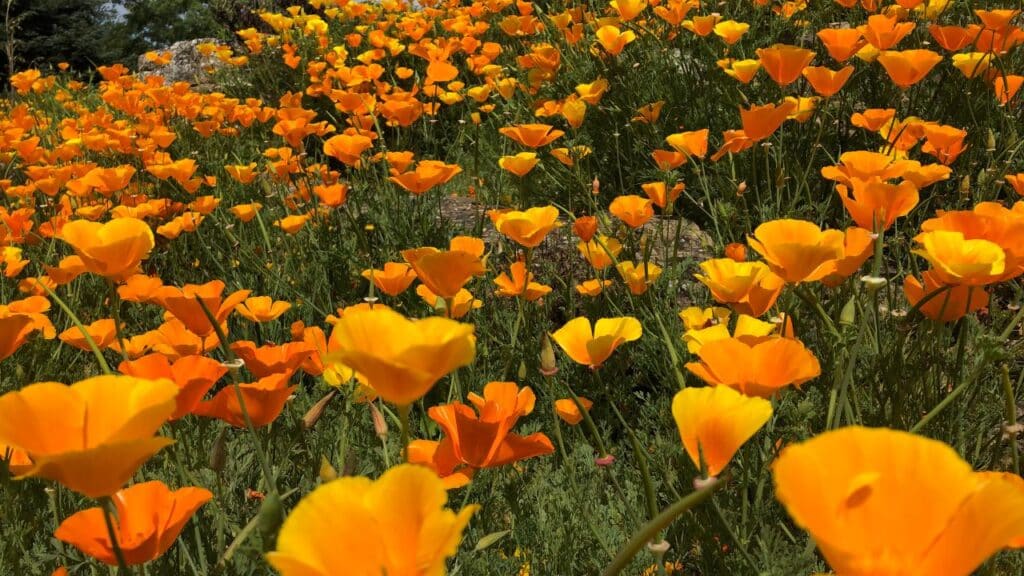
Watch these little orange cups closely as evening approaches. They snap shut like they’re keeping a secret, then open right back up the next morning.
Scatter the seeds across your driest, sunniest patch of soil and expect blooms in around 55 days. Once the soil hits 60 degrees Fahrenheit, these plants take off without any help from you.
One important thing to know: the taproot is stubborn and hates being disturbed. Sow them exactly where you want them to stay permanently.
Gaillardia (Zones 3 to 10)

This one is pure sunshine in flower form. Red and yellow wheels of color start spinning in about 50 days, and July heat won’t slow it down even slightly. Rocky, sandy, dry soil? Gaillardia thrives in conditions that would finish off most other plants.
Once the seed heads dry out, the birds will quickly find your garden. Think of it as installing a free bird feeder.
Deadhead the spent blooms regularly, and you’ll trigger a whole new round of flowers.
Annual Phlox (Zones 4 to 10)
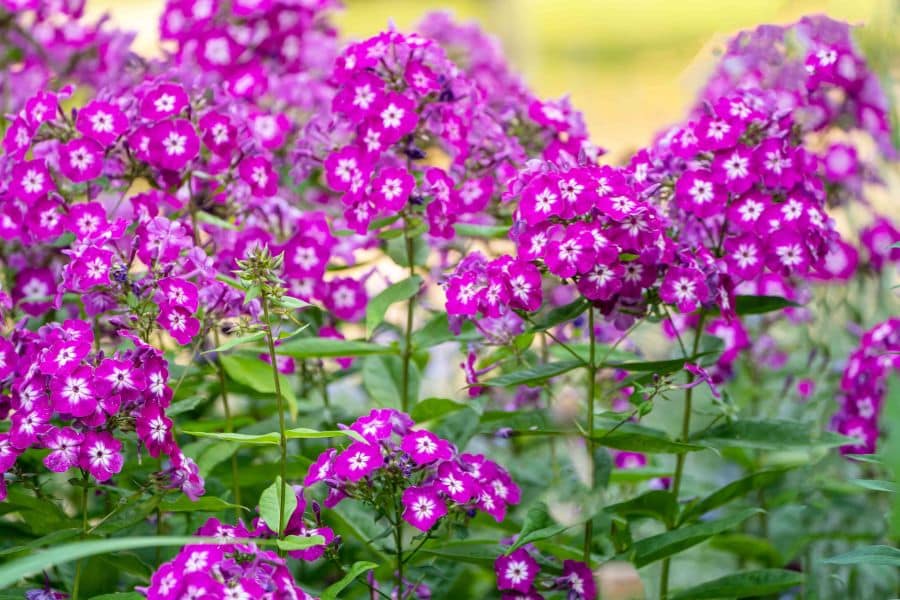
This Texas native creates a dense, low carpet of neon color that butterflies find completely irresistible. The vanilla-like fragrance is a bonus.
Full maturity comes in around 50 days, and if a summer heatwave causes it to fade, don’t panic. It drops enough seed to stage a comeback on its own when conditions cool down.
Plant it at the front of a flower bed where those tight, colorful clusters can really show off.
Lemon Bee Balm (Zones 4 to 10)

Rub a handful of these leaves between your fingers, and the citrus scent stays with you for hours. That alone would be enough reason to grow it, but Lemon Bee Balm also produces tiered purple blooms that look like something from a botanical illustration. Expect flowers in around 60 days.
It will happily thrive in the neglected corners of your yard where the soil is mostly gravel, as long as the spot gets good sun. Low maintenance doesn’t even begin to cover it.
Plains Coreopsis (Zones 3 to 10)
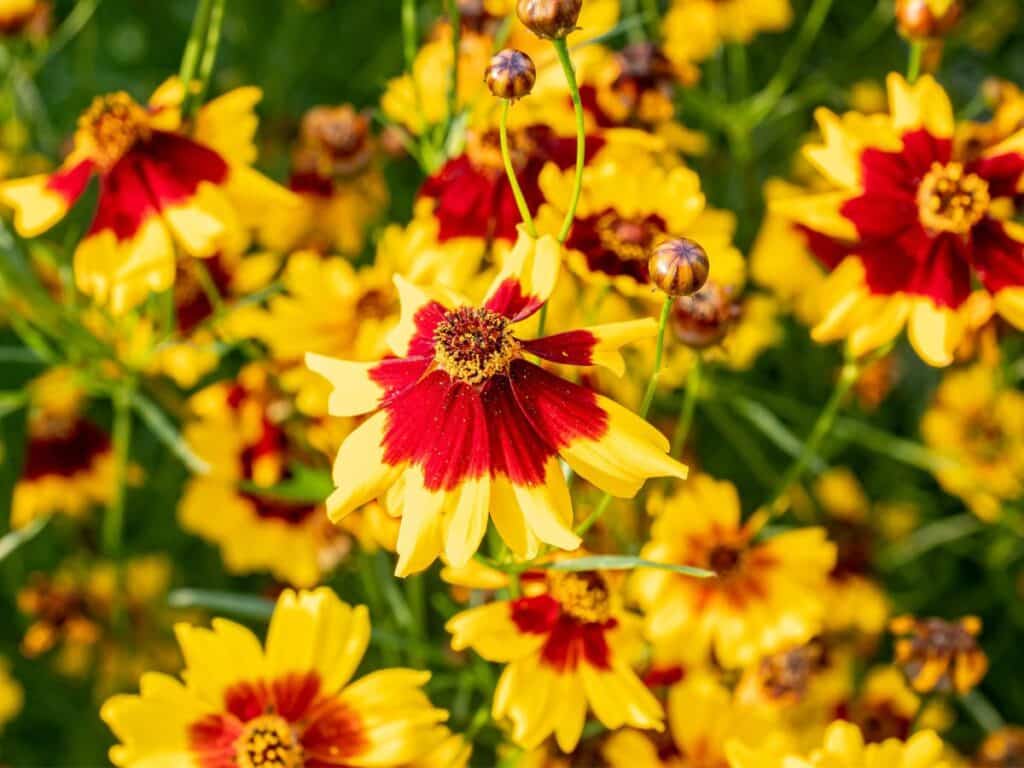
The stems on these are so thin and wiry that the mahogany and yellow flowers appear to float above the foliage in a breeze. It’s a beautiful effect and one of the fastest growers on this list, blooming in as little as 45 days.
Scatter the seeds in a sunny spot and let them mass together. The visual impact when they grow in a group is far greater than anything a single plant could manage.
Zinnia (Zones 3 to 10)
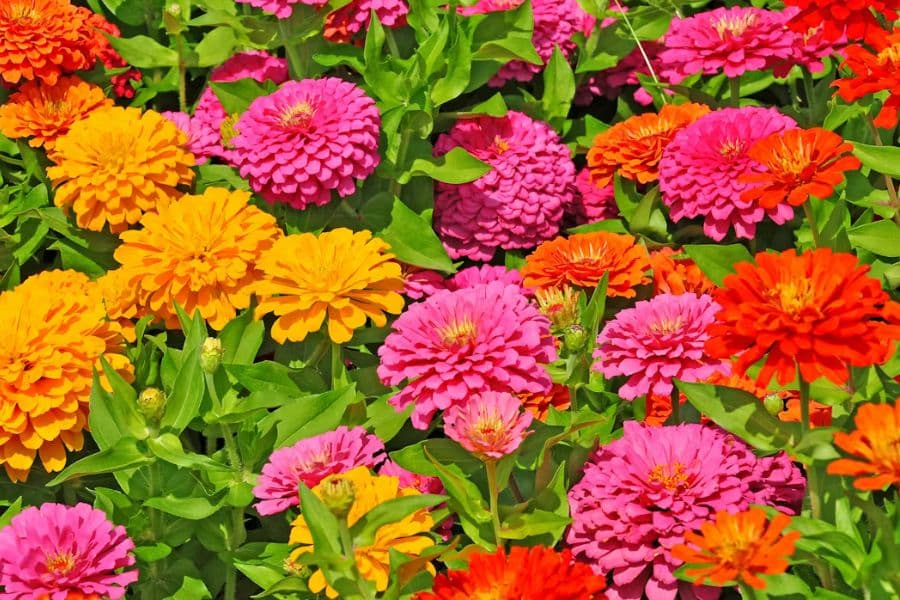
Few flowers deliver as much color for as little effort as zinnias. They come in virtually every shade imaginable, from hot pink to deep orange to creamy white, and they bloom reliably in around 60 days from direct sowing.
They love heat, making them perfect for a mid- to late-April sowing in most zones. Sow directly into warm soil in a sunny spot, and they’ll reward you with blooms that just keep coming all the way through to the first frost.
Deadhead regularly, and zinnias will produce new flowers almost faster than you can keep up with them.
Common Sunflower (Zones 2 to 11)
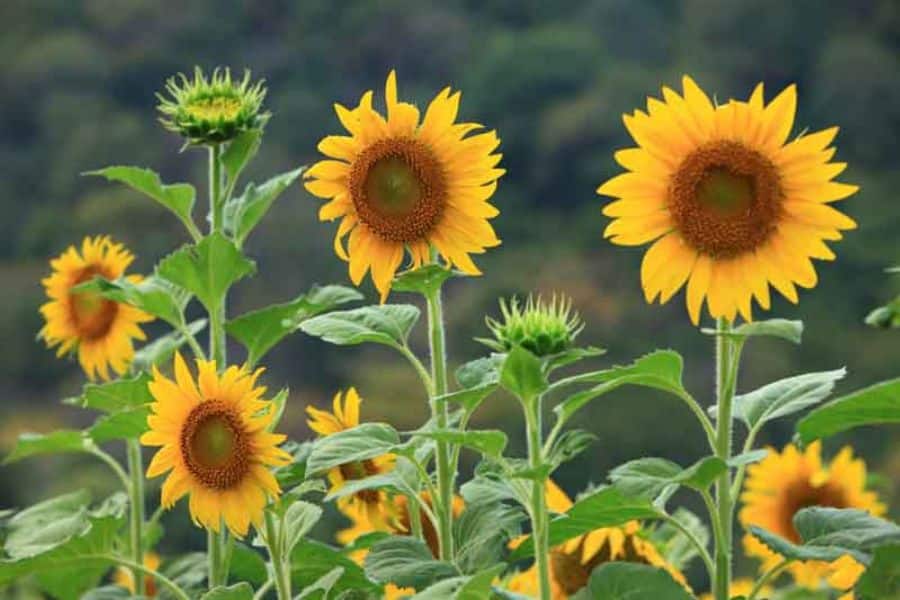
I adore sunflowers, and here in my part of France, we have fields and fields of them, although they don’t come out until August usually.
First blooms for the common sunflower appear in around 70 days, and those dinner-plate flower heads can reach impressive sizes by late summer. If your yard gets strong winds, stake them before they get too tall.
Sow sunflower seeds directly into the ground rather than starting them in pots. Their roots grow fast and deep, and transplanting rarely ends well.
When the seeds mature in late summer, goldfinches will descend in droves. It’s one of the best garden moments of the whole year.
Sulfur Cosmos (Zones 3 to 10)

Here is the trick with sulfur cosmos: don’t feed them too well. Soil that’s too rich produces a forest of leafy green growth and almost no flowers. Lean, well-drained soil in full sun is exactly what this plant wants.
Under those conditions, it blooms in around 50 days and keeps going through the heat of summer, when many other plants are flagging. The airy, lacy foliage also adds a lightness to flower beds.
Larkspur (Zones 2 to 11)

Larkspur is one of those old-fashioned cottage garden flowers. Those tall spikes of purple, pink, and white blooms are striking enough to anchor an entire border, yet they need almost no intervention to thrive.
Sow the seeds directly in early April in zones 6 and above, or wait until soil temperatures are consistently around 55 degrees Fahrenheit in cooler zones. Blooms arrive in 60 to 70 days.
One note: larkspur self-seeds freely. Plant it once, and you’ll likely have it returning year after year in the same spot.
Partridge Pea (Zones 3 to 9)
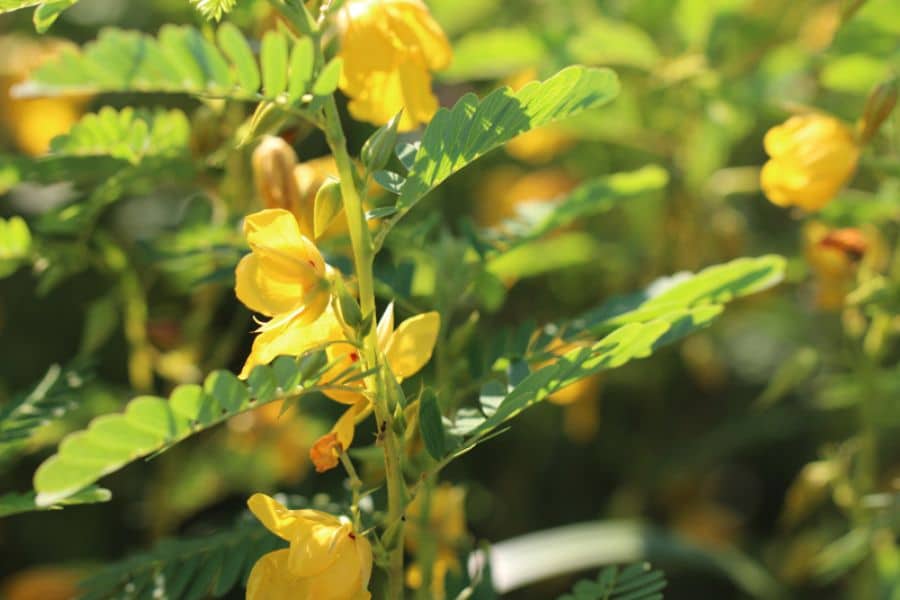
The fern-like leaves on this plant fold closed when you touch them. Partridge pea pulls nitrogen directly from the air to fuel its own growth, producing cheerful yellow blooms in 45 to 50 days while improving your soil at the same time.
It’s also a critical host plant for several sulfur butterfly species, making it one of the most ecologically useful flowers on this list.
The seeds have a tough outer coating, so soak them in warm water overnight before planting to help them sprout faster.
Clasping Coneflower (Zones 3 to 9)
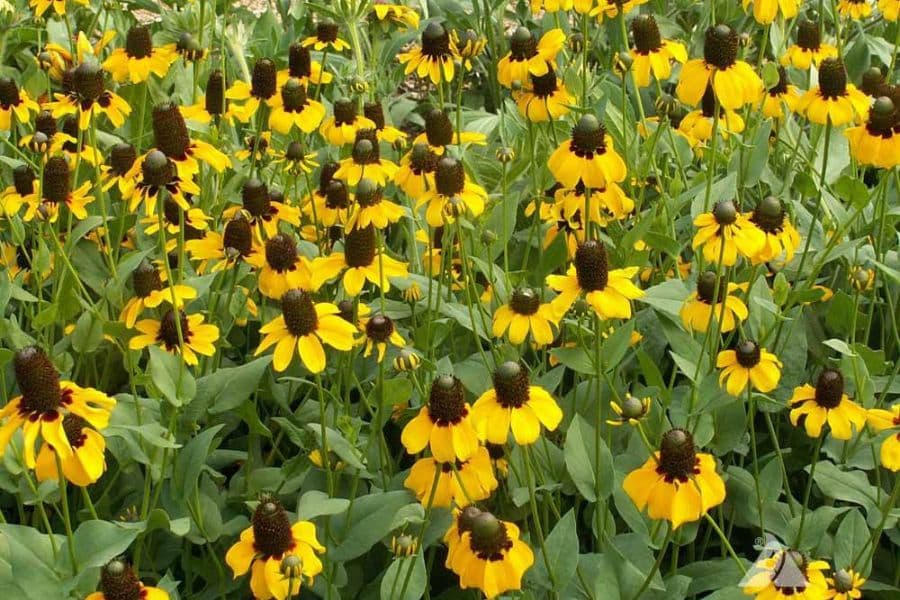
Most wildflowers struggle in damp spots. Clasping coneflower actively welcomes them. If you have a patch of ground that stays a little wet, this is your answer.
The drooping yellow petals circling a tall central cone appear in around 60 days, and the structure looks striking long after the color has faded. The leaves wrap around the stem, which is how the plant got its name, and the overall effect is quite architectural.
Space them about 12 to 18 inches apart. The taller stems hold up far better with a little breathing room around them.
Black-Eyed Susan (Zones 3 to 9)
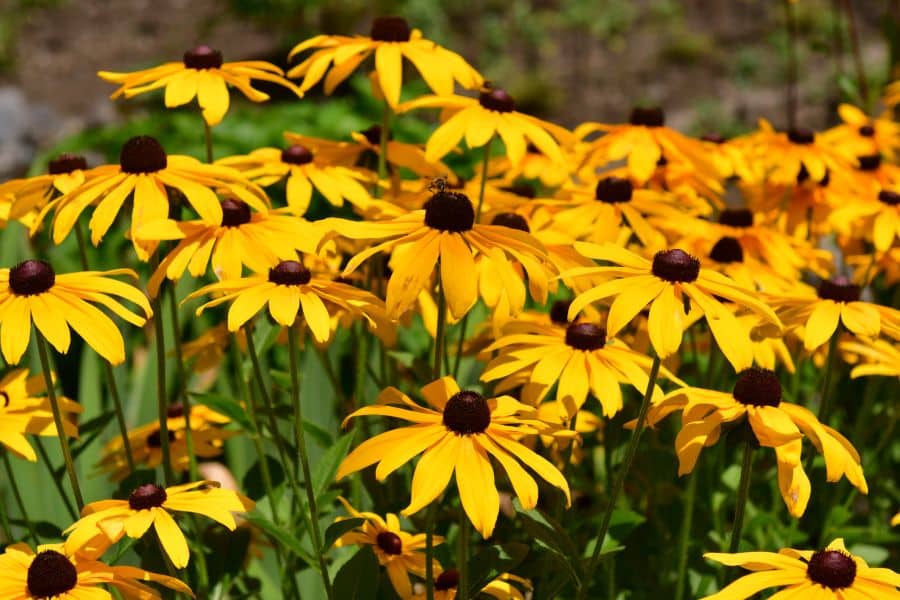
Golden petals surrounding a dark ink-spot center. It’s one of the most recognizable wildflowers in North America and one of the most reliable. Black-eyed Susans bloom in around 65 days and have a high tolerance for cold, so you can get the seeds in the ground as soon as the hard frost clears your area.
They have that sturdy, prairie-garden quality without demanding much from the person who planted it. It’s a lazy gardener’s dream.
Showy Tickseed (Zones 3 to 9)
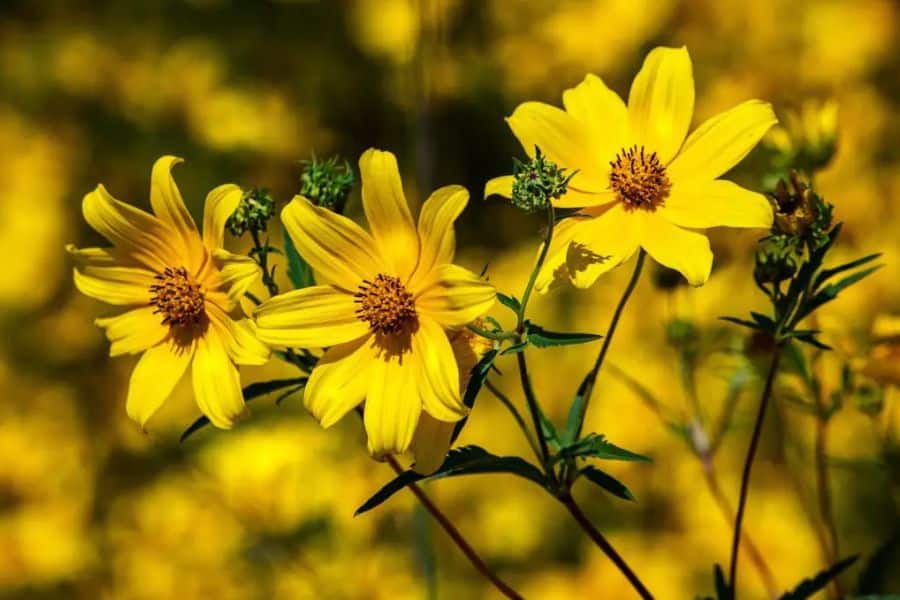
Give this one a sunny spot with decent drainage, then leave it alone. Showy tickseed blooms in around 65 days and fills in so densely that it crowds out weeds before they get a foothold.
Snip off faded flowers every week or two, and it keeps producing fresh color well into the season.