
I read Wuthering Heights for the first time when I was about fifteen, sitting on my bed as a moody teenager, and I fell completely in love with it. The brooding moors, the impossible romance, Heathcliff and Cathy, and the kind of devotion that destroys everyone in its path. I’ve reread it more times than I can count.
So when I heard Emerald Fennell was making a film of it with Margot Robbie and Jacob Elordi, my feelings were, let’s say, complicated. I haven’t watched it. I read the reviews, and they confirmed what I suspected: it strays a long way from the book. I’m such a Brontë fan that I’d feel like I was cheating on her if I sat down and watched it. Sorry, Emerald.
What I have done, though, is fallen completely down the rabbit hole of the garden trend the film has sparked. They’re calling it “untamed romance,” and it’s the moody, windswept, slightly gothic look you’d expect from anything with Wuthering Heights in the title.
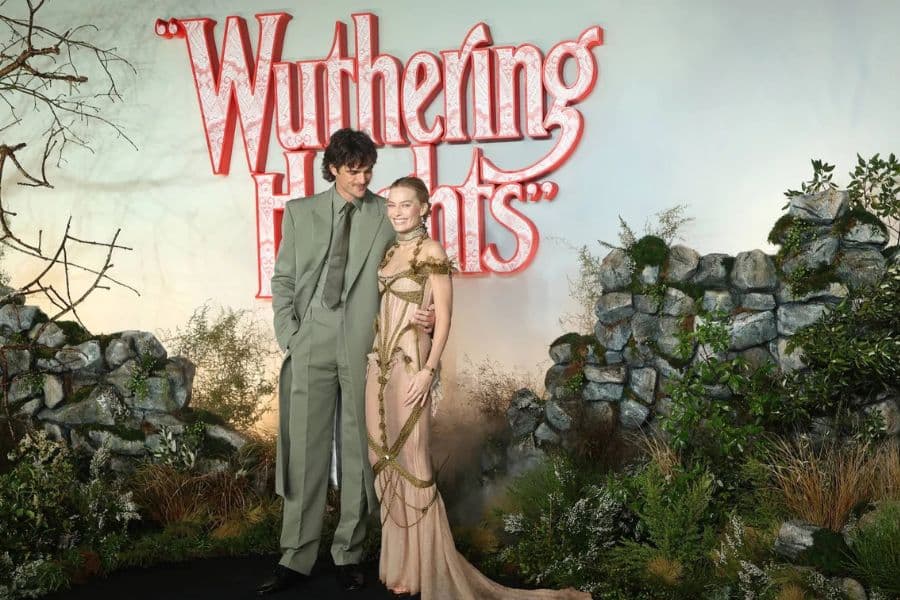
What Is The “Untamed Romance” Wuthering Heights Garden Trend?
The look is exactly what it sounds like. Wild, windswept, a bit gothic, a bit melancholy. Imagine the gardens of a crumbling Yorkshire estate where nobody’s pruned anything for fifty years, but somehow it still looks beautiful. Old roses tangled into hedges, vines climbing where they shouldn’t, and tall foxgloves and hollyhocks dotted through the borders like ghosts.
It also ties in beautifully with the chaos gardening trend I wrote about recently, which is all about letting nature do its thing. Untamed romance is essentially chaos gardening in a velvet cape.
The film’s production designer, Suzie Davies, discussed in interviews how she wanted it to feel as if nature were forcing its will onto the man-made structures. That’s the whole vibe. The garden version takes that energy and runs with it.
You can think of it as the dark, romantic cousin of cottagecore. Or what cottagecore looks like after a thunderstorm and a tragic love affair. The opposite of manicured. Less Sissinghurst, more abandoned manor house. You get the picture.
Why It’s Taking Off Right Now
The film came out in February, and the trend has been spreading across Pinterest and TikTok ever since. But this isn’t just about Wuthering Heights.
People are tired of perfection. Manicured lawns, clipped hedges, color-coordinated borders. It’s exhausting to maintain and, in all honesty, a little bit dull. The pendulum is swinging hard the other way. A bit like how we’re all sick of seeing those curated Instagram feeds showcasing a perfect life that doesn’t really exist.
Pollinators are in trouble. Wild planting, climbing roses, foxgloves, lavender, all the romance trend favorites, happen to be brilliant for bees and butterflies.
And we’re all a bit busier and a bit more knackered than we used to be. A garden that looks better when you leave it alone is suddenly very appealing.
So you’ve got cultural mood, ecological need, and practical exhaustion all pointing in the same direction. The film just gave the whole thing a name.
Margot Robbie Taking Us Behind the Scenes of the House and Garden in the Movie
The Six Elements That Define an Untamed Romance Garden
Before you start ripping up your lawn and planting brambles, here’s the framework. Six things that pull the look together.

Dark and shadowy foliage
Deep purples, almost-blacks, smoky greens. They add weight and drama.
Romantic English roses
Old-fashioned, scented, ideally climbing. The kind that look like they’ve been there for a hundred years.
Climbing and trailing vines
Anything that scrambles, drapes, or refuses to stay where you planted it.
Pale, ghostly flowers
White foxgloves, white wisteria, pale hellebores. Things that look spectral at dusk.
Ornamental grasses
Movement is everything. Grasses bring the windswept feel even when there’s no wind.
Weathered stone or iron features
Old urns, rusted arches, mossy walls. The man-made bit needs to look like it’s losing the battle with nature.
Get those six right, and you’re halfway there.
10 Plants to Get the Wuthering Heights Look

Climbing Roses
You can’t do this trend without an English rose. Get one that climbs and scents the air. David Austin’s Gertrude Jekyll is the queen of the romantic rose world. Deep pink, ridiculously fragrant, repeat flowering.
I’ve got one growing up a wall here in southwest France, and it makes me ridiculously happy every time it blooms.
Foxgloves
The Brontë sisters would have walked past these on the moors. Tall spires of bell-shaped flowers in white, pink, and deep purple. They self-seed enthusiastically, which fits the whole “nature reclaiming everything” vibe perfectly. Just don’t eat them.
They’re poisonous, which is somehow appropriate for this trend.
Black Hollyhocks
The variety called Black Knight is so dark it’s almost true black. They grow to about six feet, sway in the breeze, and look like something out of a Tim Burton garden. If you want the gothic edge of this trend, plant some of these.
Japanese Anemones
These are my favorites for late summer. Pale pink or white flowers on tall, wiry stems that wave around in the slightest breeze. They look fragile, but they’re absolute thugs in the best way. They spread, they self-seed, and they keep flowering when everything else is winding down.
The variety Honorine Jobert is the white one that looks straight out of the film.
Dark Sweet Peas
The ones called Black Knight or Matucana are deep, brooding purples that smell incredible. Train them up an old wooden trellis or let them scramble through other plants. They’re the kind of flower you cut and bring inside, and they make the whole room smell like a Victorian novel.
Old-Fashioned Lavender
Forget the neat little balls of dwarf lavender. You want the proper, unruly, leggy varieties that flop about and look like they’ve been there forever. Bees love them. They smell of summer. And they age beautifully, going slightly silvery and wild over the years.
Wisteria
If you’ve got a wall or a pergola, wisteria is the most romantic plant on the planet. We have it everywhere, climbing all over the Charentaise stone walls, and it is stunning. The long, drooping racemes of lilac or white flowers in spring look as if they belong on a crumbling manor.
It does take a few years to get going, and you need to prune it twice a year, but it’s worth every bit of effort.
Honeysuckle
The scent alone is reason enough. Plant it near a window or a door so you catch it on summer evenings. It scrambles up anything you put it near, which is exactly the energy this trend is going for. Native varieties are best for pollinators.
Ornamental Grasses
Miscanthus, Stipa gigantea, and Calamagrostis are the three I’d start with. They give you height, movement, and that windswept moor feeling all year round. They look incredible in autumn when the seed heads catch the light. And they need almost no care.
Hellebores
Sometimes called the Christmas rose or Lenten rose, hellebores add drama in early spring when little else is flowering. The dark purple, almost-black varieties are spectacularly moody. They like shade, which is perfect for those corners where nothing else wants to grow.
How To Style Your Garden For That Crumbling Estate Feel
The plants are half the story, but the other half is how you arrange them.
Let things spill over the edges of paths and beds. Resist the urge to tidy up every stem. If a rose wants to flop forward over a stone wall, let it.
Add at least one weathered feature. An old stone urn, a rusted iron arch, a chipped birdbath, or even a cracked terracotta pot works. The goal is for everything to look like it’s been there for decades.
Plant in drifts and clumps rather than neat little rows. Three foxgloves together look better than three foxgloves spaced evenly apart. Nature doesn’t do tidy lines, so you shouldn’t either.
Let your climbers actually climb. Up walls, up trees, up old fences, through hedges. The tangled look is what you’re after.
Don’t deadhead everything. Some seed heads look stunning in autumn and feed the birds through winter. Sedums, alliums, grasses, and even some roses look beautiful when they’ve gone over.
Let the grasses move. Don’t stake them, don’t trim them, just let them do their thing.

Where Wildness Ends, and Neglect Begins
Untamed romance only works when it looks intentional. A garden that’s just been abandoned looks like, well, a garden that’s been abandoned. There’s a real difference between curated chaos and a yard you’ve given up on.
The trick is to frame the wildness. Keep your paths edged. Mow a tidy strip around the wild section. Trim the climbers around windows and doors so they don’t take over completely. Maintain a few structural elements, such as clipped box balls, low hedges, or stone walls, that give the eye a place to rest.
Think of it like that gorgeous beach tousled hair look. It takes more thought to achieve than a tidy bun. I never managed to ever get this right, although it wasn’t through lack of trying.

Making It Work In a Small Yard or Courtyard
You don’t need acres of Yorkshire moor for this. Some of the most beautiful untamed romance gardens I’ve seen are tiny.
A single climbing rose in a weathered pot against a wall, with a hellebore and a small ornamental grass at its feet, gets you most of the way there. Add an old iron lantern or a chipped jug as a feature, and you’ve got the whole mood in three square feet.
On a balcony, try a climber in a deep pot trained up a trellis, a couple of foxglove plants, and some trailing geraniums or ivy to soften the edges. Keep your containers in shades of stone, terracotta, and aged metal rather than bright modern colors.
It’s the feeling you’re after, not the scale.
Best Time To Start an Untamed Romance Garden
Spring is the time for annuals like sweet peas, foxgloves (which you can also start in autumn for next year), and tender perennials.
Autumn is the best time for planting roses, climbers, and hellebores. The cooler weather and damp soil give them a chance to establish their roots before next year’s flowering.
Late summer is when you can plant ornamental grasses, which establish well before winter.
Bulbs go in autumn too. Tulips, alliums, and fritillaries all add another layer of drama next spring.
Whichever season you’re in right now, there’s something you can plant today to start building toward the look. Mine’s a slow project, layered up year by year, and the more it grows, the more it feels like it’s been here forever. Which is the whole point.