
For years, I put my brain fog down to being a woman of a certain age. The forgetting why I’d walked into a room, the words that wouldn’t come, the afternoons where my head felt like it was wrapped in cotton wool. Hormones, age, midlife, take your pick. It’s what everyone said, and it’s what I assumed.
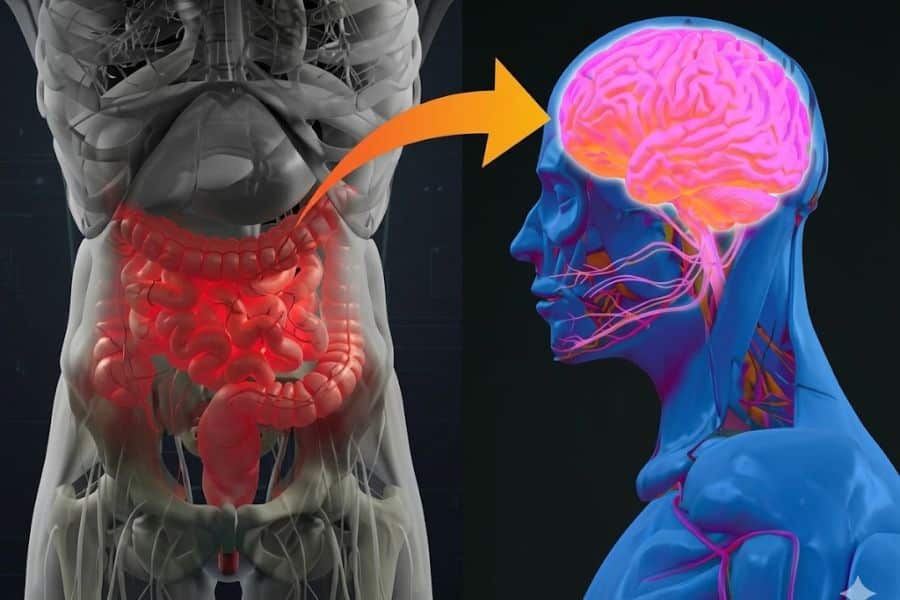
It turns out that’s not the whole story, and for some people it isn’t the story at all. The gut and the brain are connected by a nerve highway called the vagus nerve, and the bacteria living in your gut have a much bigger say in how your head feels than most of us realize. When the gut isn’t happy, the brain isn’t either.
The frustrating part is that the warning signs don’t look like gut problems, but more like tiredness, low mood, slipping memory, anxiety, and a dozen other things that get blamed on age, stress, or sleep. Once you know what to look for, the pattern is hard to unsee.
No. 1 You Feel Mentally Slower After Certain Meals
If your head turns to cotton wool an hour or two after lunch, the food is probably the trigger. Highly processed meals, big sugar hits, and refined carbs cause spikes and crashes that the brain registers as fog.
The gut sends signals to the brain along the vagus nerve, a two-way nerve highway that runs between them, and an inflamed gut sends inflammatory signals.
The reset is simple. Notice which meals leave you fuzzy and which leave you sharp. Cut the worst offenders for a couple of weeks and see what happens. For most people, the worst offenders are ultra-processed foods, fizzy drinks, and white bread eaten in any quantity.
No. 2 Your Mood Dips For No Obvious Reason
Around 90 percent of the body’s serotonin is produced in the gut, not the brain. That’s the chemical that regulates mood, and when the gut bacteria balance is off, the production line stutters. You feel flat or irritable for no obvious reason, and you blame the weather, the news, or being tired.
Fermented foods are your friend. Kefir, live yogurt, sauerkraut, kimchi, and kombucha all feed the bacteria that help keep serotonin production ticking along. A small portion most days does more than an occasional big binge.

No. 3 You Crave Sugar Constantly
Certain gut bacteria thrive on sugar and effectively send signals demanding more of it. The more you give in, the louder they get, and the louder they get, the worse the cycle of sugar high, sugar crash, and foggy head becomes.
The only real answer here is to have a few low-sugar days, which I know is easy for me to say. But I’ve tried it, and although the first couple of days were tough, I found alternatives, such as a handful of cherries or other berries. After that, the cravings drop off fast, and the fog tends to lift with them.
No. 4 You’re Bloated More Often Than Not
When bloating becomes your default state, rather than something that happens after a curry, it points to a bacterial imbalance. The same inflammation that puffs you up downstairs sends inflammatory signals upstairs, and your head pays the price.
The solution is a two-pronged attack. Cut back on artificial sweeteners (they wreck gut bacteria fast) and slowly add more fiber. Going from low fiber to high fiber overnight will make the bloating worse before it gets better, so proceed with caution.

No. 5 You’re Not Sleeping Properly
I’ve gone from the girl who could fall asleep at the drop of a hat and not wake up for 8 hours, to the girl who is lucky to get 3 hours of good sleep a night. Lack of sleep is a killer, but there might be an alternative answer to simply shrugging and saying, it’s what happens as you get older.
Gut bacteria help regulate melatonin and other sleep hormones. When they’re out of whack, sleep gets patchy, and patchy sleep means foggy mornings that rarely sort themselves out by lunchtime. People assume bad sleep is a separate problem from gut health. It often isn’t.
The easiest solution is a consistent sleep window and finishing eating at least 2 hours before bed. Late eating gives the gut work to do when it should be resting, and the knock-on effect on sleep is bigger than most people realize.
No. 6 You Catch Every Cold Going Around
Around 70 percent of the immune system is located in the gut. If you’re picking up every bug doing the rounds, the gut isn’t doing its job, and the constant low-grade fight your body is putting up against minor infections feeds the fog and the tiredness.
Try eating a higher variety of plant foods. Research found that people who ate more than thirty different plant foods a week had significantly more diverse gut microbiomes than those who ate ten or fewer. Thirty sounds like a lot until you start counting things like herbs, spices, nuts, seeds, beans, and grains.
No. 7 You Feel Anxious For No Reason
The vagus nerve runs in both directions. The brain sends signals down to the gut, and the gut sends signals back up to the brain. When the gut is inflamed, the brain reads those signals as a low-level threat, and you feel anxious without anything in particular to be anxious about.
Try practicing slow diaphragmatic breathing for a few minutes a day. It directly stimulates the vagus nerve and dials down the panic signal. Give it a go, it works, or at least it did for me.

No. 8 Memory Loss
Forgetting why you walked into a room is normal at any age. Forgetting names you’ve known for years, losing words mid-sentence, or coming out of a conversation with no idea what was said is not always down to Menopause, sorry if you’re male. Gut-driven inflammation affects cognition, and when memory starts to feel patchier than it should, the gut is worth looking at.
One of the biggest culprits is alcohol. Alcohol trashes gut bacteria fast, and even moderate regular drinking shifts the microbiome in ways that take weeks to recover from. A few alcohol-free weeks, and you’ll see the difference.
No. 9 You Feel Exhausted Even After a Full Night’s Sleep
Nutrient absorption happens in the gut. A compromised gut means you’re not getting what you eat, which means you can be eating well and still feel drained. The tiredness layers in with the fog and the low mood, and the whole picture starts to look like something else (thyroid, perimenopause, depression, age) when the gut is the actual problem.
Try giving your digestion a helping hand, change up the diet a bit, and see how you go. Bone broth, well-cooked vegetables, and easing off raw food if it’s not agreeing with you. Raw salads sound healthy, and they are for some people, but if your gut is already inflamed, they can make things worse before they make them better.
No. 10 Your Constantly Breaking Out
The gut-skin axis is one of the most documented in microbiome research. Adult acne, eczema flares, rosacea, and unexplained rashes often track back to gut inflammation. The same inflammation muddies thinking, so when the skin and the head are both off at the same time, that’s a clue.
Try cutting out some of the common irritants for a few weeks. Dairy and gluten are the two most likely culprits. Cut one at a time so you can tell which is the problem, and give it at least three weeks before deciding either way.
Disclaimer: This article is for general information only and isn’t medical advice. If you’re experiencing persistent brain fog, mood changes, fatigue, or any of the other symptoms above, see your doctor to rule out underlying conditions. Always check with a qualified healthcare professional before making significant changes to your diet, especially if you’re on medication or have an existing health condition.