
Saving money can be hard, especially given the state of the economy right now. Everything seems to be going up in price, particularly petrol and diesel, given the current war in Iran. I know my grocery bill seems to be astronomical compared to a couple of years ago.
So when you do manage to save money, whether for a vacation or for your retirement fund, the last thing you want is for the value of your savings to decline. The culprit here is inflation.
Luckily, there are ways you can safeguard your money and ensure it holds its purchasing power.

No. 1 Grow Your Own
This is one I’ve been trying recently with quite a bit of success. Food prices have been one of the most visible faces of inflation over the past few years, and even a small amount of home growing can take the edge off the bill.

You don’t need a large garden or any prior experience to get started. Tomatoes, herbs, salad leaves, courgettes, and beans are all straightforward to grow and among the more costly items to buy fresh at the supermarket.
A grow bag of tomatoes on a sunny patio can produce fruit for months from an initial outlay of a few dollars. Herbs alone are worth growing. A pot of fresh basil at the supermarket costs around $2 to $3 and lasts a week.
The same plant grown at home from a $1 seed packet produces all summer. Beyond the money, there’s something very satisfying about eating food you’ve grown yourself. Once you start, most people find they want to grow more.
No. 2 Switch to Public Transport

Car ownership is one of the most expensive habits most of us never question. When you add up the monthly payment or depreciation, insurance, fuel, servicing, parking, and MOT, the average car costs between $6,000 and $10,000 a year to run. That number tends to come as a shock when you actually sit down and calculate it.
Switching to public transport even part of the time makes a meaningful dent in that figure. A monthly transit pass in most cities costs a fraction of what a car costs to run, and if you can work from home a few days a week, the case for reducing to one car or no car becomes even stronger.
For those who live rurally and need a vehicle, the savings come from elsewhere: shopping around aggressively for insurance each year, keeping up with servicing to avoid larger repair bills, and driving in ways that reduce fuel consumption.
Even switching one or two regular local trips to walking or cycling saves more than you’d think over the year, and your back will thank you for it, too.
No. 3 Meal Planning

Food is one of the areas where inflation has hit hardest and most visibly. It’s also one of the areas where you have more control than you might think.
Meal planning doesn’t have to mean batch cooking like your life depends on it every Sunday or following a rigid weekly schedule. It just means knowing before you shop what you’re actually going to cook, buying accordingly, and not standing in front of the fridge at 7 pm with no plan and a Deliveroo app on your phone.
That last scenario is where food budgets collapse. A weekly meal plan, even a loose one, cuts food waste, reduces impulse purchases, and makes it much easier to buy ingredients in sensible quantities. Over a month, the savings are often more than people expect.
No. 4 Basic Investing

Savings accounts are useful for short-term money and emergency funds. For anything you won’t need for five years or more, keeping it in cash is a strategy that almost always loses to inflation over time.
Stocks, index funds, and real estate have historically outpaced inflation over the long term. That doesn’t mean they’re without risk, and it doesn’t mean you should throw money at anything without understanding what you’re buying. But staying entirely in cash because markets feel uncertain is itself a choice with a cost.
A low-cost index fund that tracks the S&P 500 or a global index requires minimal management and has a strong long-term track record. If you’re unsure where to start, speaking to an independent financial advisor is money well spent.
No. 5 Energy Costs
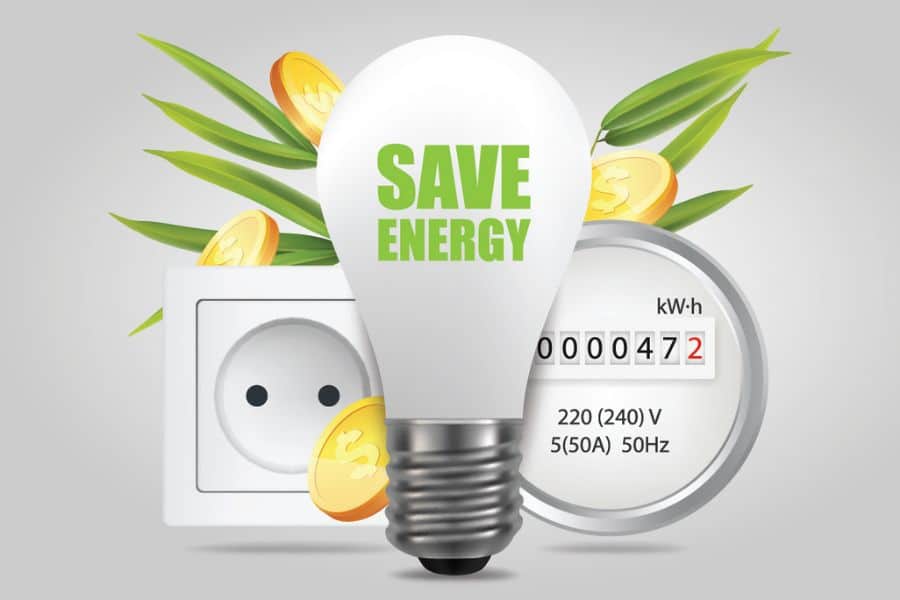
Energy bills are one of the most consistent drivers of household inflation, and there are straightforward ways to reduce them that don’t require turning the heating off or living by candlelight.
Switching to LED bulbs throughout the house costs very little upfront and reduces lighting costs by around 80 percent compared to traditional bulbs. A smart thermostat, which learns your schedule and heats the home only when needed, can cut heating bills by 10 to 15 percent annually.
Checking your energy tariff regularly and switching providers when a better deal is available is the kind of thing most people do once and then forget about for years. Set a reminder to check every twelve months. Over the course of a year, these changes combined can add up to several hundred dollars in savings without any real reduction in comfort.
No. 6 Brand Names vs Home Brands

The instinct when money is tight is to buy less. But often the better move is to buy smarter.
Switching to store-brand versions of everyday staples, buying non-perishables in bulk when they’re on sale, using cashback apps and loyalty programs consistently, and timing bigger purchases around sale periods all reduce what you spend without reducing what you have.
Cashback credit cards, used responsibly and paid off in full each month, effectively give you a discount on everything you buy. Comparison shopping before any purchase over $50 takes two minutes and frequently saves more than you’d expect.
No. 7 Loyalty Cards and Coupons
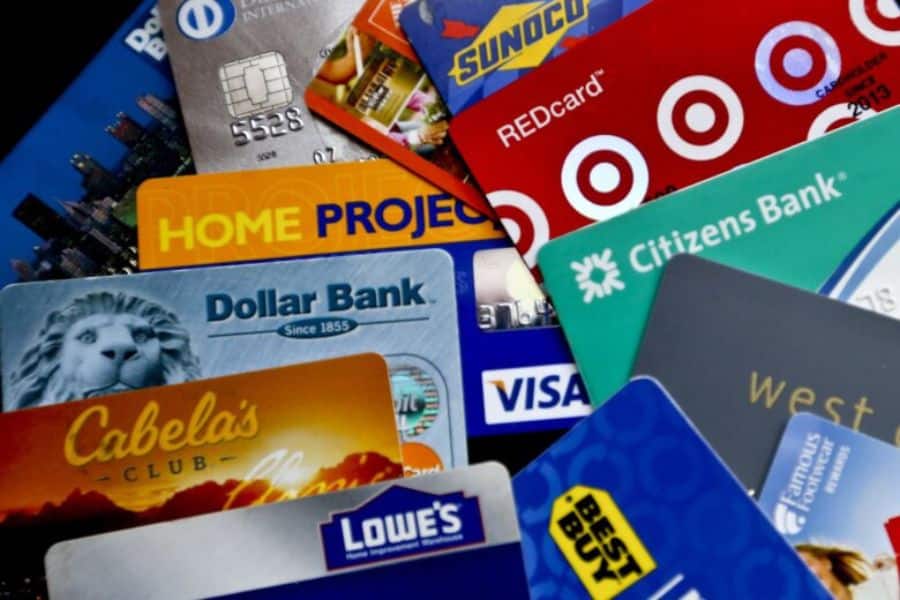
They may feel a bit old-fashioned, but they worked for our parents and grandparents, and they can work for us too. Here in France, every grocery store offers loyalty cards, and you can save a lot of money if you use them properly.
Kroger, Walmart, and Target all have apps that load coupons directly to your card before you shop. Spending two minutes scanning the app before a grocery run regularly saves $5 to $15 per shop. Across a year, that’s anywhere from $250 to $750 back in your pocket for minimal effort.
Cashback apps like Rakuten, Ibotta, and Fetch Rewards work alongside loyalty programs, stacking additional savings on top. Rakuten alone offers cashback at hundreds of retailers both online and in-store, and the payouts arrive quarterly. It takes minutes to set up and nothing to maintain.
You don’t need to become a couponing zealot, clipping deals for hours a week. You just need to make it a quick habit to check for available offers before any regular shop, and let the savings accumulate quietly in the background.