
We’ve all done it. You walk into the kitchen, open the cupboard, and then stop because you can’t for the life of you remember what you went in there for. It’s beyond annoying, and I refuse to believe I can’t do something about it, or at least help stop it from happening so regularly.
There are plenty of studies showing the link between your gut and your brain, proving that what you put into your body can both help and hinder memory decline.
The vagus nerve runs between the two; the microbes in your gut help produce neurotransmitters, and what you eat shapes the bacteria that shape your mood, your focus, and how sharply you remember where you put your keys.
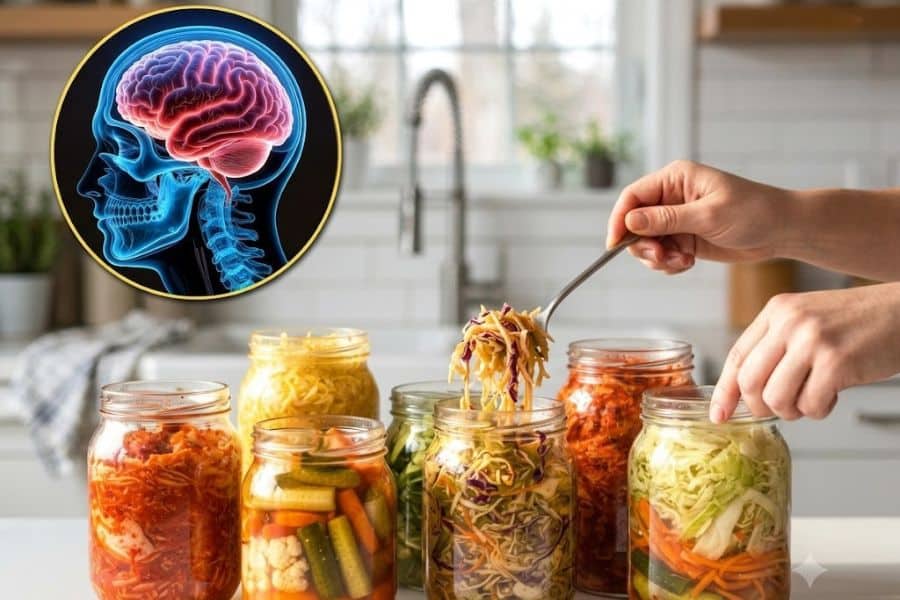
9 Foods That Fight Age-Related Memory Decline
These nine foods aren’t the standard foods you’d use in your everyday life, but just adding one or two of these each week will help.
1. Purple Sweet Potato
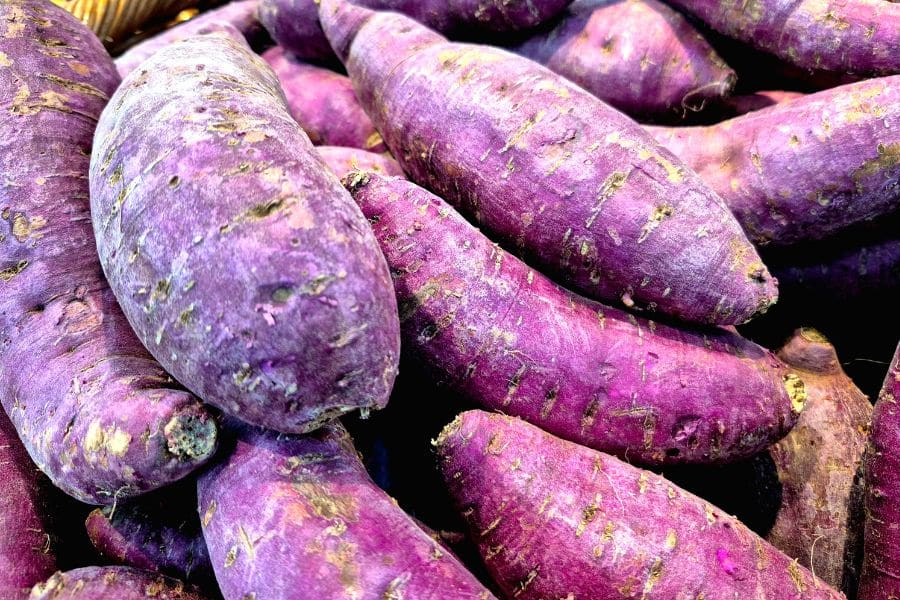
Purple sweet potatoes get their color from anthocyanins, the same group of plant pigments that make blueberries blue and red cabbage red.
Anthocyanins are antioxidants, and they’ve been linked to better blood flow to the brain and reduced inflammation.
A study on anthocyanin-rich purple sweet potato showed improvements in learning and memory markers in animal models with cognitive impairment.
You can find them at Asian grocery stores, larger Whole Foods, and, increasingly, regular supermarkets in the fall. The Okinawan variety has cream-colored skin and bright purple flesh. The Stokes variety is purple inside and out.
They’re sweeter than the orange kind, so they pair well with lime, ginger, and a pinch of salt rather than the usual brown sugar treatment.
2. Black Garlic
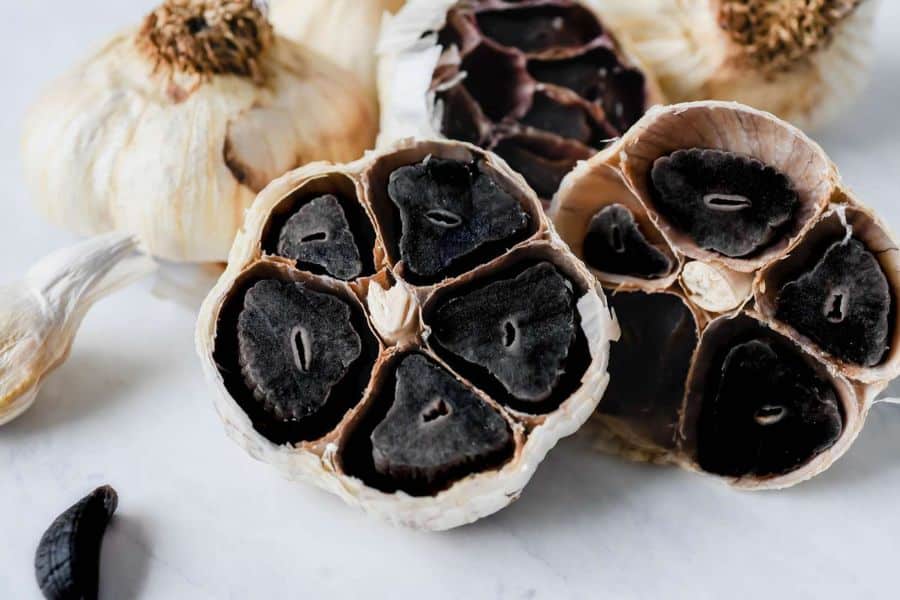
Black garlic is regular garlic that’s been aged at low heat and high humidity for several weeks until it turns soft, dark, and sweet, with a flavor closer to balsamic and molasses than to anything you’d associate with a raw clove.
The aging process concentrates antioxidants, including a compound called S-allyl cysteine, which has been studied for its neuroprotective effects. It’s also gentler on the gut than raw garlic, so people who can’t tolerate the regular kind often do fine with this.
Look for it at specialty grocery stores; Trader Joe’s sometimes carries it, and it’s easy to order online.
Buy Fermented Black Garlic >>>
3. Miso
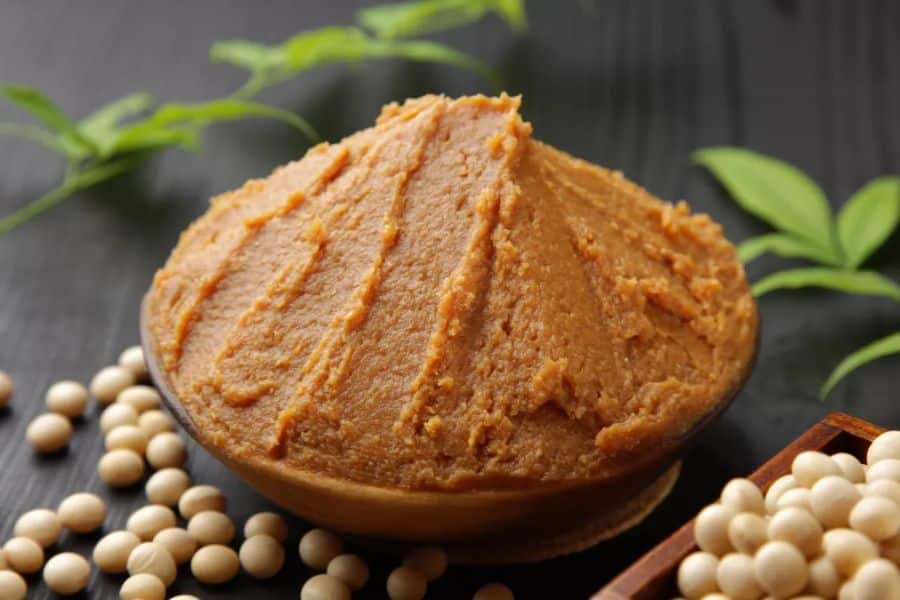
Miso is a fermented soybean paste from Japan, made by combining cooked soybeans with salt and koji, a beneficial mold, then leaving it to ferment for months or years.
The fermentation produces beneficial bacteria, B vitamins, and bioactive peptides, and traditional Japanese diets that include miso daily are associated with longer life and lower rates of cognitive decline.
Fermented foods feed the microbiome, and a healthier microbiome produces more of the short-chain fatty acids that help maintain the blood-brain barrier. White miso is mild and sweet, red miso is stronger and saltier, and there are dozens of regional varieties in between.
Keep a tub in the fridge. It lasts for months. Stir a teaspoon into salad dressing with rice vinegar and sesame oil, brush it on salmon before broiling, or add it to a glaze for roasted vegetables. Don’t boil miso, since high heat kills the live cultures that make it useful.
Get Jarred Miso Paste >>>
4. Kimchi and Fermented Cabbage
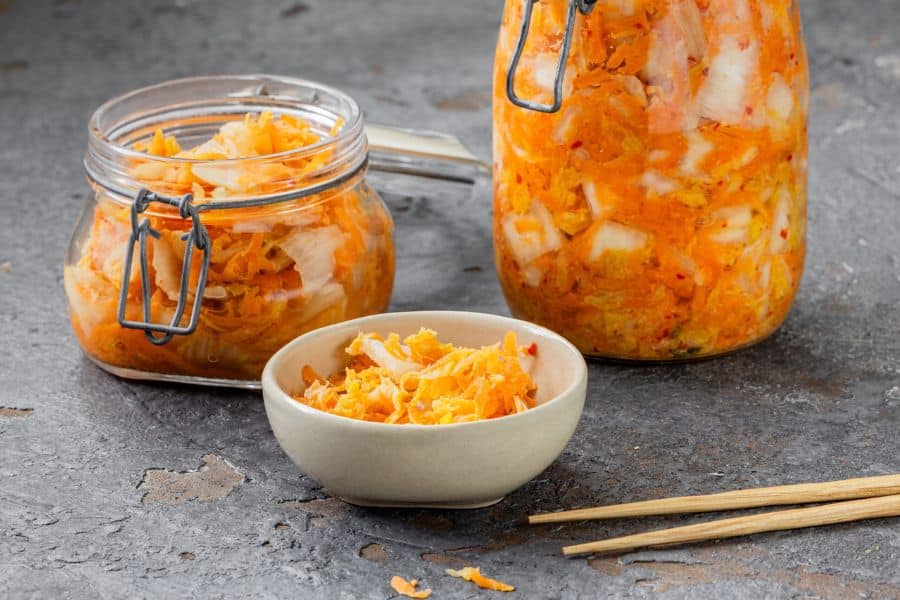
Kimchi is Korean fermented cabbage, usually napa, seasoned with garlic, ginger, scallions, fish sauce, and gochugaru chili flakes. Sauerkraut is the German version, made with just cabbage and salt. Both are packed with live lactobacillus bacteria, the strains that help populate a healthy gut.
A randomized trial on fermented foods and the gut microbiome found that regular consumption increased microbial diversity and reduced inflammatory markers. Lower systemic inflammation is one of the mechanisms most consistently linked to better cognitive aging.
Buy it refrigerated, never the shelf-stable kind, which has been pasteurized and doesn’t contain live cultures. Wildbrine and most Korean grocery brands are good.
Use a few forkfuls as a side with rice and a fried egg, pile it onto a grain bowl, or fold it into scrambled eggs at the end of cooking.
Get Kimchi Powder Capsules >>>
5. Tiger Nuts
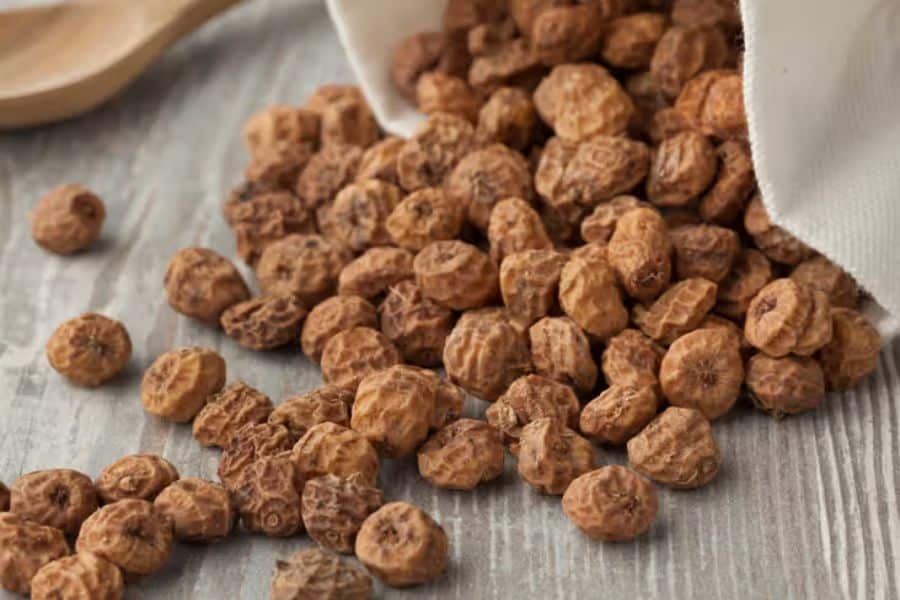
Tiger nuts aren’t nuts. They’re small tubers from a sedge plant, eaten in Spain and West Africa for centuries. They’re high in resistant starch, which feeds beneficial gut bacteria and helps them produce butyrate, a short-chain fatty acid that supports the gut lining and has been linked to improved cognitive function.
They’re also a source of magnesium, iron, and vitamin E, and they’re naturally sweet with a flavor somewhere between coconut and almond. People with nut allergies can usually eat them, since they’re roots, not tree nuts. Check with your allergist first if that applies to you.
You can find them at health food stores, online retailers, and increasingly on Amazon. They come whole and dried (chewy, like a dense raisin), peeled, sliced, or as flour. Tiger nut milk, called horchata de chufa in Spain, is the traditional preparation.
Sprinkle the sliced ones over yogurt or oatmeal, blend the flour into pancakes, or soak the whole ones overnight, then blend with water and a date for homemade horchata. A small handful, about an ounce, is plenty.
Buy Wholefoods Tiger Buts >>>
6. Lion’s Mane Mushroom
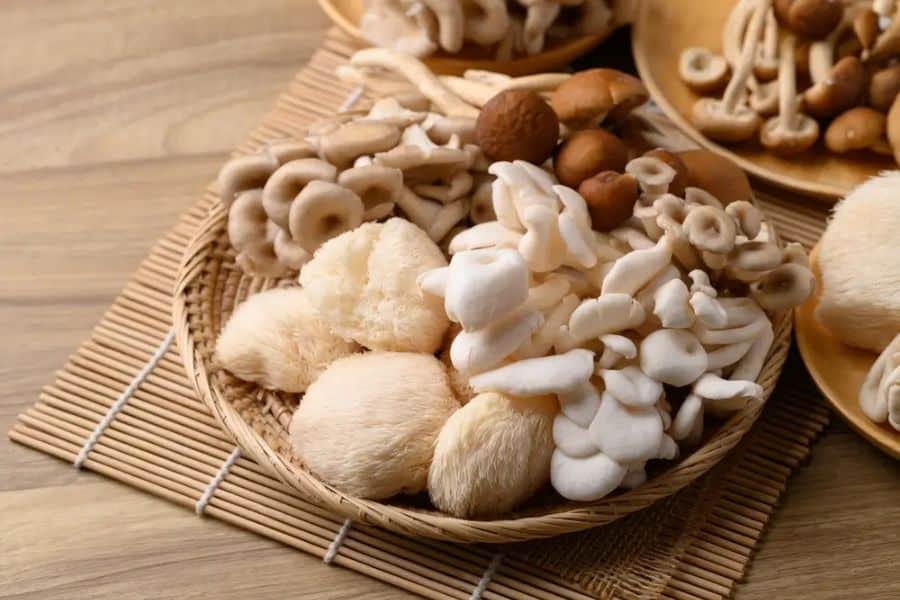
Lion’s mane is the shaggy white mushroom that looks like a pom-pom or a small mop head. It’s been used in traditional Chinese medicine for centuries.
It’s the mushroom most often linked to brain health in modern research because it contains compounds called hericenones and erinacines that may stimulate nerve growth factor, a protein involved in maintaining and repairing brain cells.
A trial found that older adults with mild cognitive impairment who took lion’s mane for 16 weeks scored significantly higher on cognitive function tests than the placebo group. The effects faded once they stopped taking it, which suggests consistency matters more than a one-off attempt.
It has a texture like crab or lobster when cooked. Tear it into chunks, sear it in butter or olive oil for 5 to 6 minutes a side until golden, salt it, and pile it on toast, into pasta, or alongside eggs. If fresh isn’t available, dried powders and capsules work as well, with a typical dose of around 1,000 mg per day.
Get Lion’s Mane Capsules >>>
7. Bone Broth
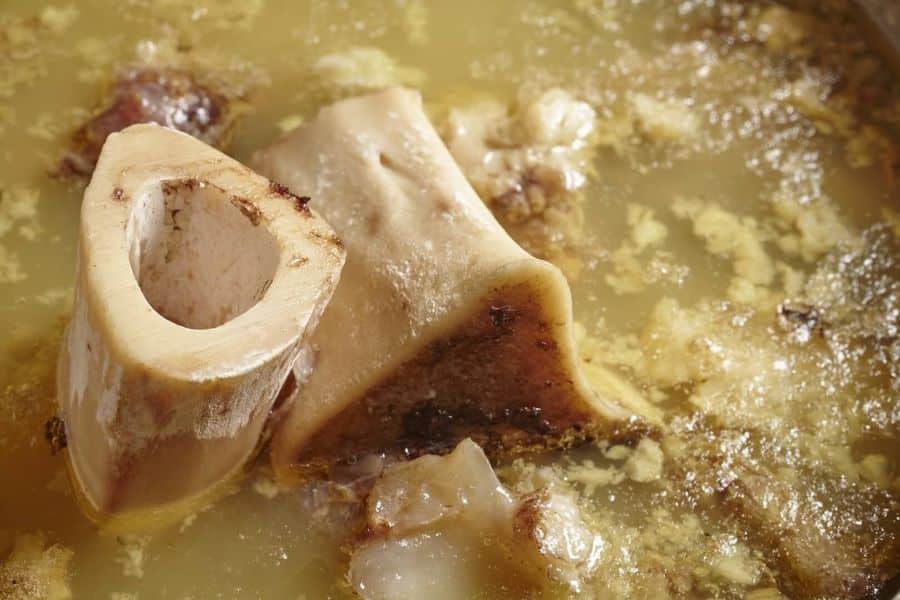
Bone broth is made by simmering animal bones for 12 to 24 hours with a splash of vinegar to draw out collagen, gelatin, and amino acids such as glycine and proline. My Grandma used to do this regularly, and it was so good.
The gelatin helps soothe and rebuild the gut lining, which is important for the gut-brain axis because a leaky gut barrier allows inflammatory compounds into the bloodstream, and chronic low-grade inflammation is a driver of cognitive decline.
Glycine specifically plays a role in neurotransmitter function and sleep quality, both of which influence memory. Real bone broth is gelatinous when cold, which is the easiest way to tell whether you’ve bought the good stuff or just flavored water. Kettle & Fire, Bonafide Provisions, and Brodo are reliable brands. Or you can make a batch yourself for the cost of a roast chicken carcass and some carrots, like my Grandma used to do.
Get the Kettle & Fire Bone Broth >>>
8. Cacao Nibs
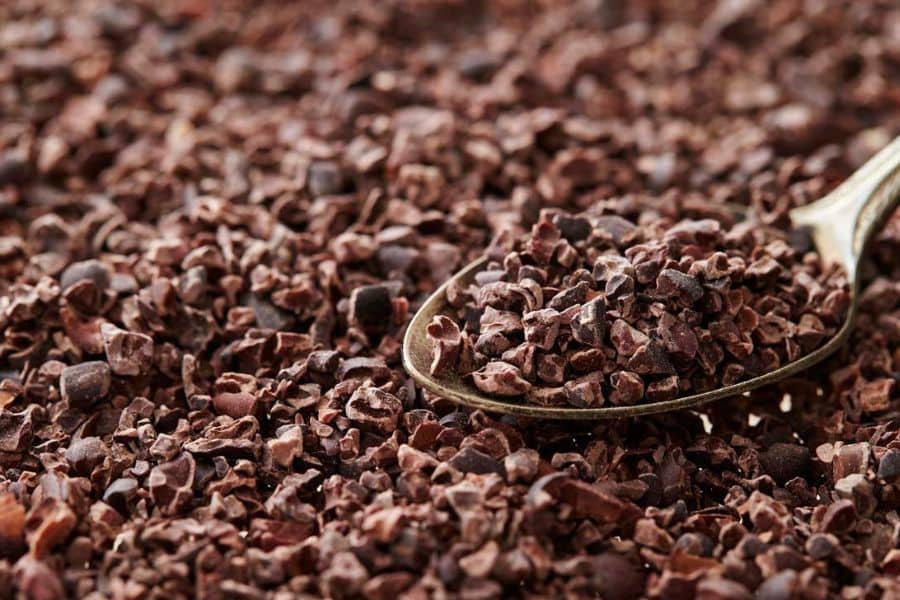
Cacao nibs are crushed pieces of fermented and roasted cacao beans, the raw material used to make chocolate. They’re bitter, crunchy, and packed with flavanols, a group of polyphenols that have been studied for their effects on blood flow to the brain.
A trial found that a high-flavanol cocoa drink improved brain oxygenation and cognitive performance on demanding tasks in healthy adults. Cacao nibs deliver flavanols without the sugar load of regular chocolate, and the fermentation step also makes them a small contributor to gut health.
Look for raw or lightly roasted nibs. To use them: a tablespoon sprinkled into yogurt, oatmeal, or a smoothie; tossed into trail mix with the tiger nuts from earlier; folded into banana bread or muffins instead of chocolate chips; or stirred into the dry ingredients of pancakes.
Get a Jar of Cacao Nibs >>>
9. Natto
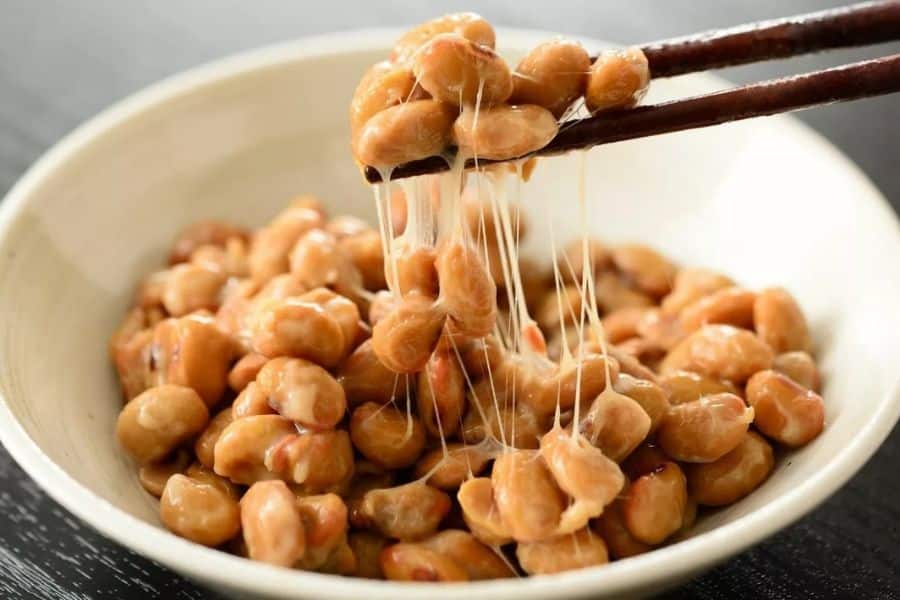
Natto is fermented soybeans, traditionally eaten for breakfast in Japan. Sticky, stringy, with a smell somewhere between aged cheese and ammonia. People who grew up with it love it; people who didn’t usually need a few tries.
The fermentation produces an enzyme called nattokinase, plus a high concentration of vitamin K2, which plays a role in vascular health, including the small blood vessels that supply the brain.
It’s also one of the best food sources of beneficial Bacillus subtilis bacteria, a different strain from the lactobacillus in kimchi and yogurt, so it adds diversity to the gut microbiome rather than duplicating what’s already there.
You’ll find frozen natto at Japanese and Korean grocery stores, usually in small styrofoam packs. Thaw a pack overnight in the fridge, stir it vigorously with the included sauce and mustard packets until it gets foamy (this is the point), then spoon it over hot rice with a soft-boiled egg and chopped scallions on top.
Get Freeze-Dried Natto Beans >>>
Disclaimer: This article is for general informational purposes only and is not a substitute for professional medical advice, diagnosis, or treatment. Always consult a qualified healthcare provider before making changes to your health, diet, or exercise routine.