
When did you last go a full day without checking your phone? It’s not easy, is it? We’re so used to having that little device in our hands that it has become incredibly addictive. But what happens when you put it down and simply allow yourself to just be in the moment?
I’ll tell you what happens: it’s incredibly freeing. I recently went on a trip to Luberon Regional Nature Park in France and completely disconnected from everything, and it was absolutely wonderful.
Scientists have been studying what happens to our bodies when we step away from screens and into nature. They call it green health, rooted in the Japanese practice of shinrin-yoku, or forest bathing. I noticed that with no signal and no notifications, the tenseness left my body, and I started to truly relax.
9 European National Parks Where You Can Truly Relax
These nine national parks in Europe are ones you’ll probably never have heard of, but trust me, it’s where the magic of completely winding down happens. If the stress and business of everyday life has got you to a point where your body is screaming at you to slow down, consider one of these, as you’ll feel like new when you come back.
Luberon Regional Nature Park, France
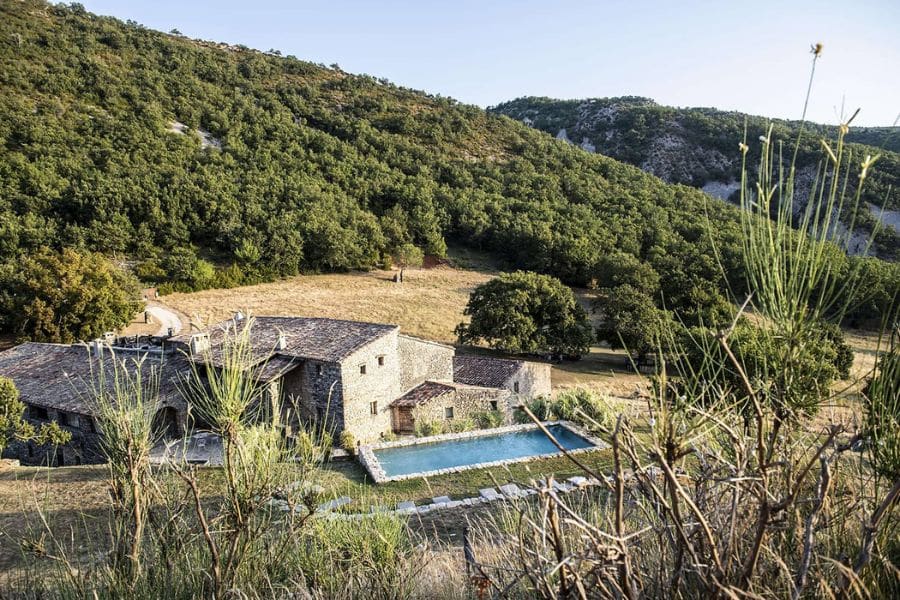
Peter Mayle made this corner of Provence famous with A Year in Provence. Ridley Scott filmed A Good Year here. The Luberon has that effect on people, and it definitely worked on me.
Created in 1977, Luberon Regional Nature Park covers 185,000 hectares across the Vaucluse and Alpes-de-Haute-Provence departments. It holds dual UNESCO status as both a Biosphere Reserve and a Global Geopark. Five of its villages rank among the most beautiful in France: Gordes, Roussillon, Lourmarin, Ménerbes, and Ansouis.
Roussillon glows amber and deep orange because of the ochre deposits beneath the town. The Colorado Provençal at Rustrel is the largest ochre site in the park, a maze of rust-red cliffs and gullies you won’t find anywhere else in Europe.
Over 1,800 plant species live here. Hikers can take the full 236-kilometer loop around the Luberon by bike, or just wander the Saturday market in Apt, where candied fruit has been a specialty since the 14th century.
Stay: Domaine du Castellas, a beautifully restored property deep in the Provençal countryside.
Haut-Languedoc Regional Natural Park, France
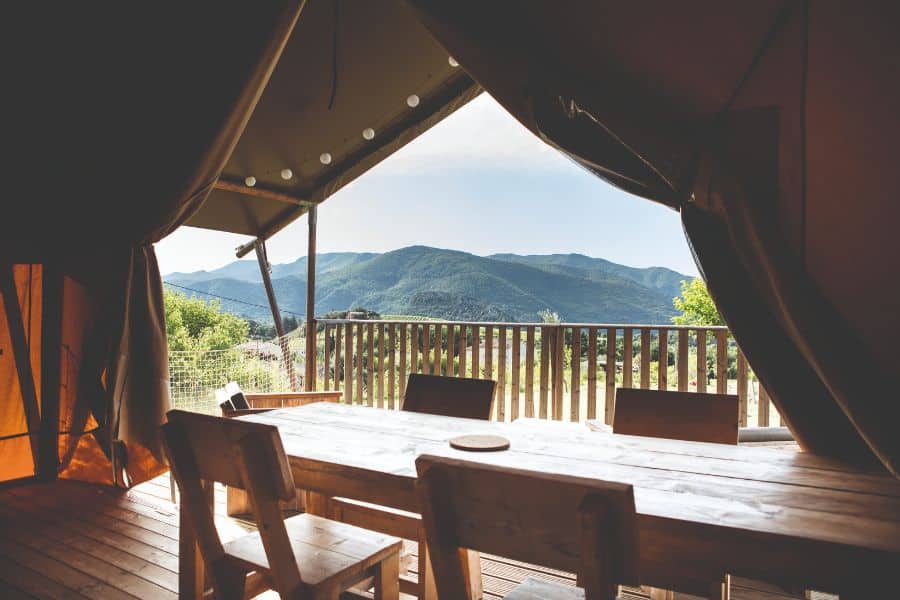
Created in 1973, Haut-Languedoc sits at the southern end of the Massif Central, straddling the Tarn and Hérault departments. It covers 260,000 hectares of dense forest, granite peaks, gorges, lakes, and Mediterranean scrubland. Three different climate zones meet here, which is why the scenery keeps shifting on you.
Humans have lived in this valley for more than 5,000 years. The Cathars sought refuge here. So did French Resistance fighters during World War II.
The Gorges d’Heric are worth a half day. Water-carved slot canyons lead to natural swimming pools tucked between towering rock walls. The River Orb runs 140 kilometers through the park for kayaking, which is far less crowded and better value than the Dordogne.
For something slower, the spa town of Lamalou-les-Bains sits just inside the park boundary.
Stay: Wild Boar Mountain, a boutique retreat in the heart of the park that lives up to its name.
Kornati National Park, Croatia
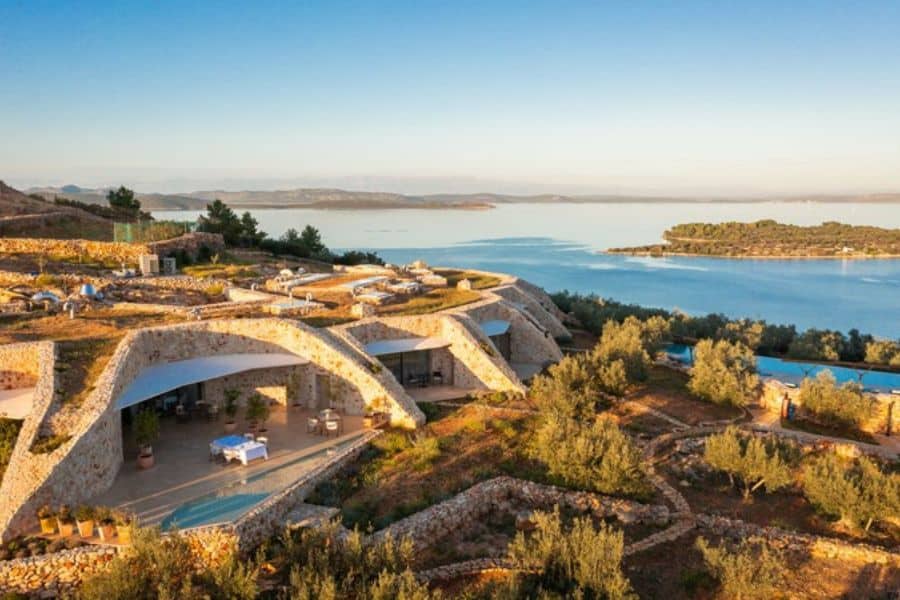
George Bernard Shaw visited these islands and wrote that God had created Kornati from tears, stars, and breath on the last day of Creation. The description still holds.
Established in 1980, Kornati is the densest archipelago in the Mediterranean Sea. The national park covers 220 square kilometers and includes 89 islands, islets, and reefs. There are no permanent residents, no hotels, and no running water on the islands.
The name comes from the Latin word corona, meaning crown. On the southwestern side, dramatic vertical cliffs called krune rise up to 82 meters from the sea. Romans built villas here. The mosaic floors of those villas have been found in the rocks. A 6th-century stone tower called Toreta still stands on the main island of Kornat.
The only way in is by boat. Day trips leave from Zadar, Murter, and Šibenik. Underwater, 850 animal species live among the coral, sponges, and endemic sea plants that release oxygen into the Adriatic.
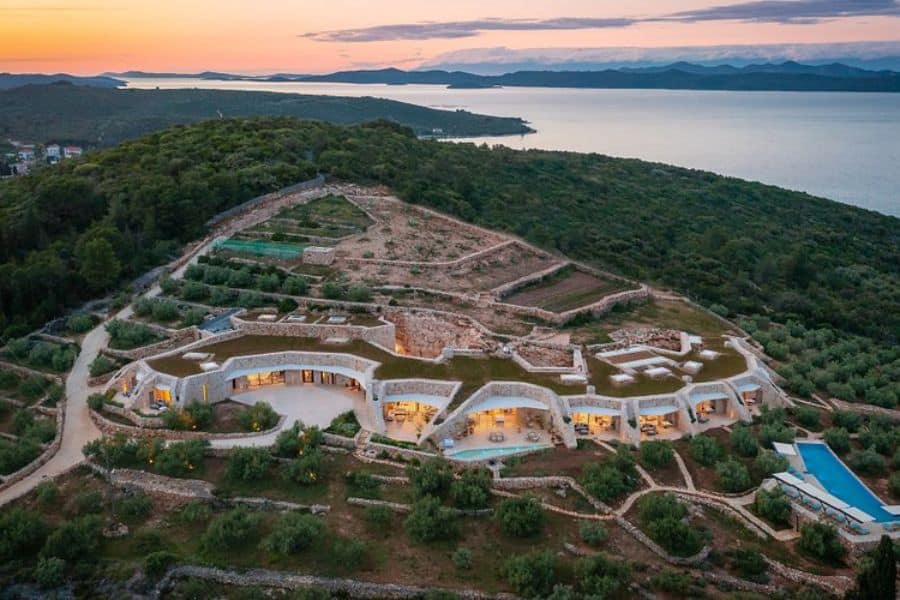
Stay: Villa Nai 3.3, one of the most architecturally stunning properties on the Dalmatian coast, looking straight out to the park.
Madonie Regional Natural Park, Sicily
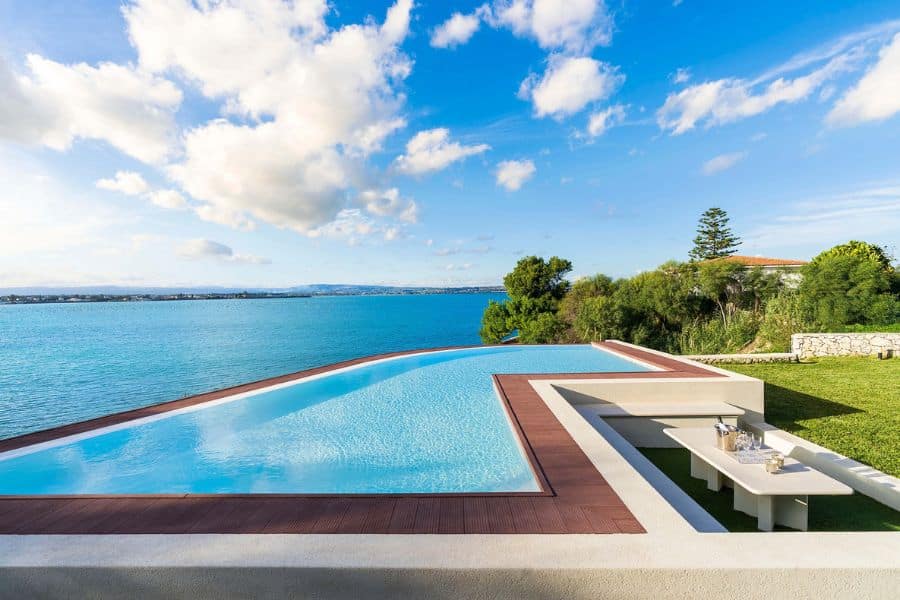
Most people rushing between Palermo and Catania have no idea what they’re bypassing.
The Madonie Park was established in 1989 and covers 40,000 hectares, about 70 kilometers east of Palermo. Its highest peak, Pizzo Carbonara, reaches 1,979 meters. It’s the second-highest point in Sicily after Mount Etna. The park holds UNESCO Global Geopark status, and its rocks contain geological history going back 220 million years.
Greeks, Romans, Byzantines, Arabs, and Normans all passed through and left their mark. Fifteen medieval villages sit inside the park boundaries, many of them feeling genuinely untouched by the 21st century. Castelbuono’s castle dates to 1316 and houses a museum of prehistoric and natural history artifacts.
One thing you won’t find anywhere else on earth: the Abies nebrodensis, the Madonie fir tree. Fewer than 30 specimens survive in the wild. The park was partly created to protect them.
Stay: Villa Arte Mare Blue, a stylish villa near Cefalù, the best gateway town for exploring the park.
Haut Val de Bagnes Nature Reserve, Switzerland
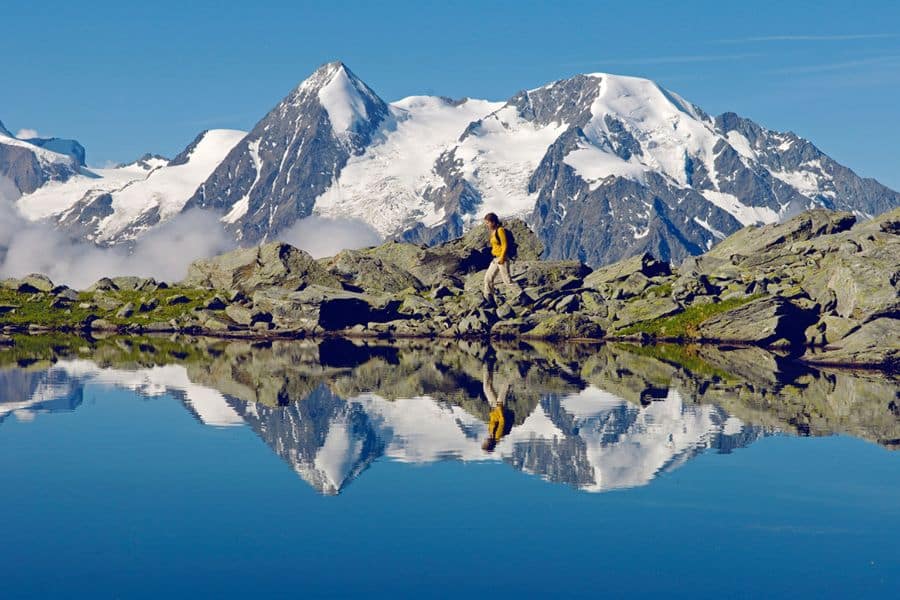
Most people who go to Verbier never look beyond the ski slopes. The nature reserve just above them is Switzerland’s second largest, and almost nobody talks about it.
Protected since 1968, Haut Val de Bagnes covers 150 square kilometers in the canton of Valais. Ibex were reintroduced here in 1926. Today, around 1,000 of them roam the valley alongside chamois and marmots.
The Mauvoisin Dam marks the end of the road. At 250 meters, it’s the second-tallest dam in Switzerland. Beyond it, the landscape opens into a vast wilderness of glaciers, alpine meadows, and mountain ridges where the Grand Combin massif rises to 4,314 meters. The famous Sentier des Chamois trail crosses the Termin Pass and passes Lake Louvie, where the reflection of the Combins on a still morning is something you genuinely won’t forget.
Stay: La Vallée, a warm mountain property in the valley with easy access to the reserve’s trails.
Wadden Sea National Park, Denmark
This one is unlike any park on this list. There are no mountains, no forests, and no dramatic gorges.
Denmark’s largest national park covers 145,900 hectares of tidal mudflats, sandbanks, salt marshes, and shallow channels along the country’s west coast. UNESCO added it to the World Heritage list in 2014. The full Wadden Sea spans 500 kilometers across three countries. The Danish section alone hosts over 10 million migratory birds twice a year.
Come in spring or autumn for the Black Sun, a phenomenon where up to a million starlings gather at dusk over the marshes near Ribe and Tønder, forming massive shifting formations in the sky before settling to roost. It sounds unbelievable until you’re standing there watching it happen.
At low tide, you can walk on the seabed across to the island of Mandø on a 6-kilometer gravel track. The coastline here also produces excellent oysters, marsh lamb, and Wadden beef from cattle that graze the salt marshes.
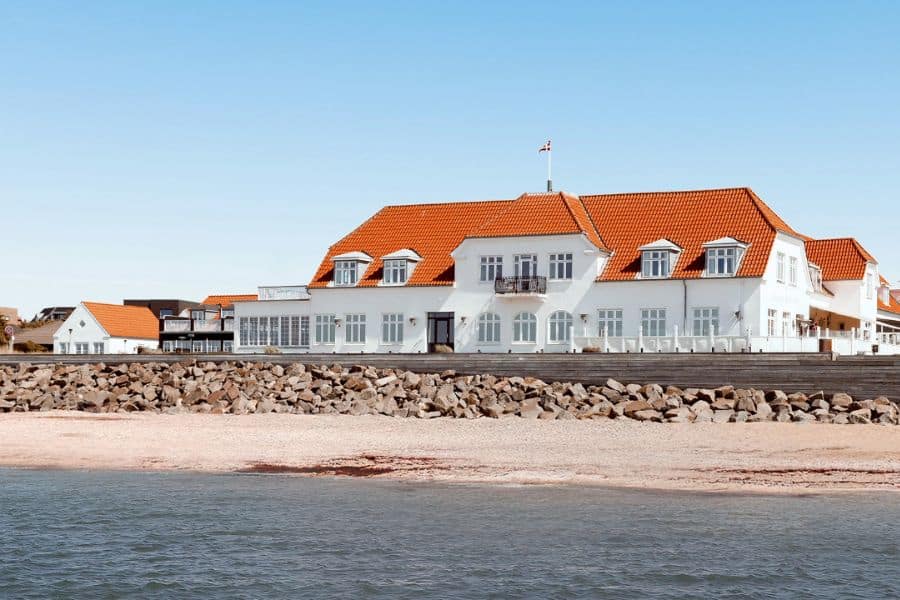
Stay: Hjerting Badehotel, a classic coastal hotel near Esbjerg with a timeless atmosphere and views over the Wadden Sea.
Vicentine Coast Natural Park, Portugal
The Algarve most tourists know is all pool bars and sunbeds. This is the other side.
The Southwest Alentejo and Vicentine Coast Natural Park runs 110 kilometers of coastline from Porto Covo in the Alentejo down to Burgau in the Algarve. Created in 1988, it covers almost 57,000 hectares of land and is considered the finest-preserved stretch of European Atlantic coastline.
It holds the highest level of plant biodiversity in Portugal, with over 12 endemic species found nowhere else. The white stork nests on sea cliffs here, the only place in the world where it does. Otters live in a marine habitat here, one of the last spots in Europe where that’s possible.
The Rota Vicentina hiking network threads through the park. The Fishermen’s Trail runs 226 kilometers along the coast, divided into 13 sections of varying difficulty. Every autumn, thousands of birds of prey pass through on their trans-Saharan migration.
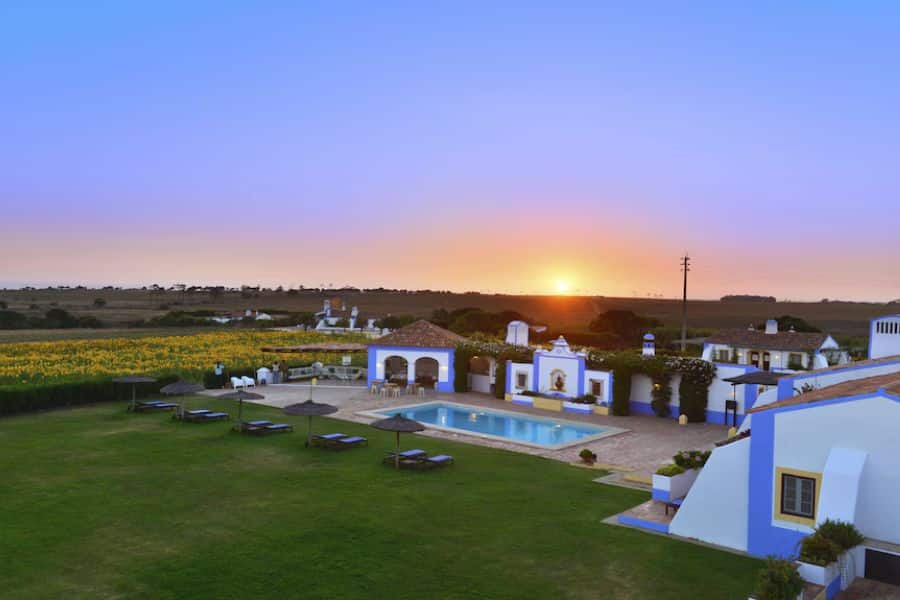
Stay: Herdade do Touril, a beautiful rural estate property near Zambujeira do Mar, right on the edge of the park.
Natural Park of the Ampezzo Dolomites, Italy
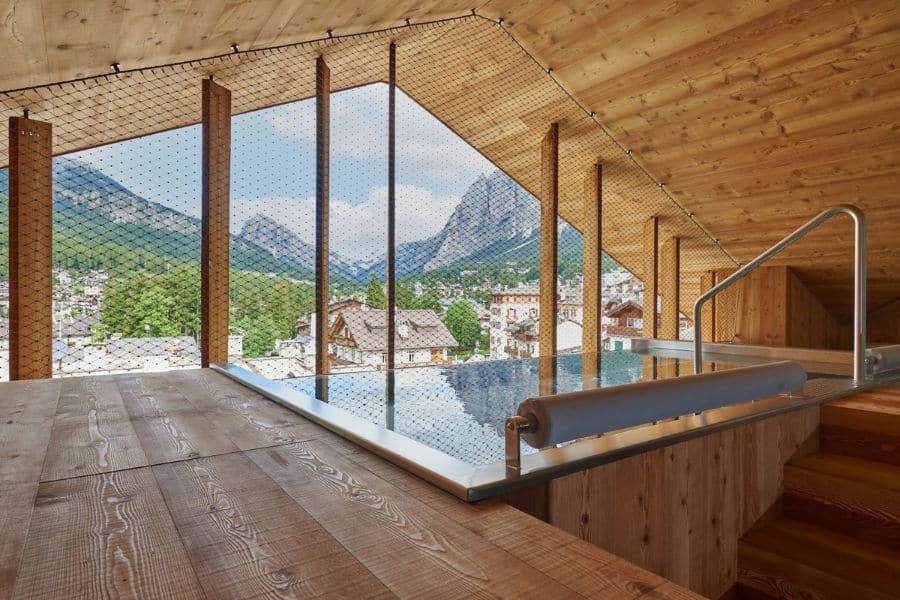
Since the 1200s, a system of collective ownership called the Regole d’Ampezzo has governed the forests and pastures north of Cortina. Local families managed this land under ancient rules called the Laudi for 800 years before the Veneto Region formally created the park in 1990. The park still reports to the Regole today, one of the most unusual governance arrangements in European conservation.
The park covers 11,200 hectares of the eastern Dolomites, a UNESCO World Heritage Site. No ski runs, no chairlifts, no human settlements inside the boundaries. Just the Tofana, Cristallo, Fanes, and Croda Rossa mountain groups, connected by over 300 kilometers of hiking trails, including eight via ferrata routes.
During World War I, fierce battles were fought here between Italy and Austria. Tunnels, paths, and military posts from that period can still be explored on the hillsides.
The park symbol is the Sempervivum dolomiticum, a small, star-shaped red succulent that grows only in the Dolomites and can live for years in conditions that would kill most plants.
Stay: Hotel de Len, a beautifully designed property in Cortina d’Ampezzo at the foot of the park.
Maramures Mountains Natural Park, Romania
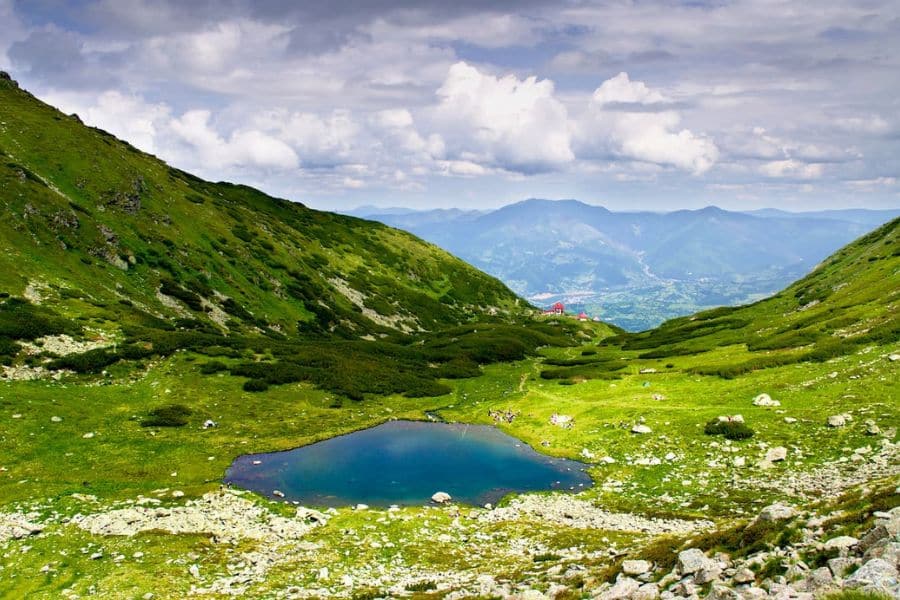
Declared a protected area in 2004, the Maramures Mountains Natural Park is the largest protected territory in the Romanian Carpathians, covering 1,500 square kilometers along the border with Ukraine. Sixty percent of it is ancient forest. Bears, wolves, lynx, and deer all live here in numbers that haven’t been seen in Western Europe for generations.
The region around it is one of the last places in Europe where traditional rural life remains genuinely intact. Villages like Breb have wooden houses, hand-carved gates, and residents who still farm the land the way their great-grandparents did.
King Charles III owns two properties in the area and has been supporting the restoration of traditional buildings and the development of sustainable tourism here for years.
The Mocanita, Europe’s last operational steam logging train, still runs along the Vaser Valley through 21 kilometers of dense forest. It was built in the late 1920s. Riding it feels like stepping into another century entirely.
Stay: Explore the best lodges in the Maramueres Mountains Natural Park
Disclaimer: This article is for general information only and is not professional advice. It may contain affiliate links. Please see our full Editorial Policy for details.

Kylie Lang is a nationally syndicated travel journalist with bylines on the Associated Press Wire & more, a lifestyle writer, and the founder and editor of Your Lifestyle Library (yourlifestylelibrary.com). She holds a BA (Honours) in History from the University of Kent and is a member of the British Guild of Travel Writers.