
I lost the word for ‘colander’ the other day. Stood in my kitchen holding it, looked at my husband, and said, ‘Pass me the, the, the thing.’ I’m in my mid-50s, in the thick of menopause, and for the last couple of years, that 3 pm slump has been more regular than my periods were when I had them. The one that saw me reach for the cookie jar and be unable to concentrate or hold a thought in my head.
For a long time, I blamed age and hormones and accepted the fact that this was what life was like for the foreseeable future. Then I started paying attention to what I was actually eating on the days my brain felt like wet cotton wool versus the days it didn’t.
So I swapped a few things in, reined a few things back, and the fog lifted enough for me to notice the change. And it all came down to the food I was putting on my plate. So, for all the others out there feeling like you need a brain boost, these nine foods will help, for men and women.
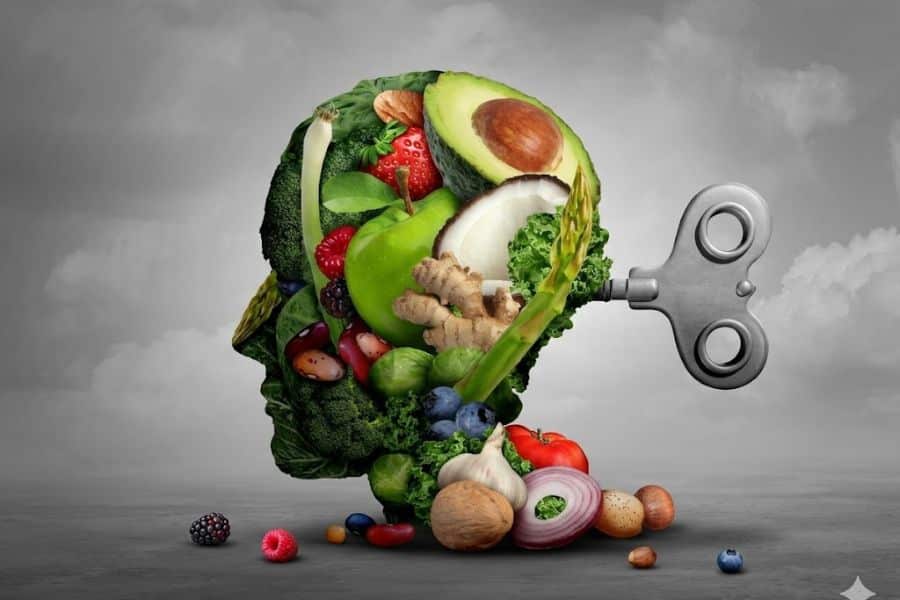
1. Omega-3 (DHA)
Your brain is roughly 60% fat by dry weight, and a large share of that is DHA, an omega-3 fatty acid that forms part of the structure of every brain cell. It supports memory, learning, and mood, and your body can’t make enough of it on its own.
Best sources are oily fish: salmon, sardines, mackerel, anchovies, and tuna. A realistic target is two servings a week. Frozen fillets cost far less than fresh, and tinned sardines or tuna count just as much.
If you don’t eat fish, walnuts and ground flaxseed provide ALA, a plant omega-3 that the body converts to DHA, though slowly, so don’t rely on them alone. An easy habit is to stir a spoonful of ground flaxseed into yogurt or oatmeal.

2. Choline
Your body turns choline into acetylcholine, a neurotransmitter central to memory and learning. Most adults fall short of the recommended intake without realizing it.
Egg yolks are the single easiest source, and two eggs cover a big chunk of the daily target. You’ll also find choline in liver, soybeans, and chicken. On the old cholesterol worry: dietary cholesterol from eggs doesn’t raise blood cholesterol much for most people, but if your doctor has advised you otherwise for your own situation, follow their guidance over a blog post.
3. Anthocyanins
Anthocyanins are the dark blue-purple pigments in berries, and they act as antioxidants in the brain. A long-term study in the Annals of Neurology that tracked older women found that those who ate more berries had a slower rate of cognitive decline.
You’ll get them from blueberries, blackberries, raspberries, and dark cherries. Frozen berries hold just as much as fresh and cost less, so a handful from the freezer into your morning oatmeal or yogurt is an easy daily win.

4. Folate
Folate is the standout nutrient in leafy greens, working alongside vitamin K and a pigment called lutein. A long-running study from Rush University found that people eating about one serving of leafy greens a day had brains that tested, on average, 11 years younger than those of people who skipped them.
Spinach, kale, arugula, swiss chard, and collards all qualify, and beans and avocado add more folate on top. Aim for roughly one serving of greens daily. Bagged baby spinach disappears into pasta sauce, soup, or scrambled eggs without changing the taste, which makes the habit easy to keep.
5. Vitamin E
Vitamin E is an antioxidant that helps protect brain cells from oxidative stress, the gradual wear-and-tear linked to cognitive aging.
The richest sources are nuts and seeds: almonds, sunflower seeds, and hazelnuts, plus avocado. The right dose is a small handful a day rather than a bowl, so portion them out instead of eating from the bag.

6. Magnesium
Magnesium supports hundreds of processes in the body, including healthy nerve function and sleep, and adequate levels are associated with a steadier mood. A lot of people run low on it. I always have, so I take a magnesium supplement daily to help with my sleep.
Good sources are pumpkin seeds, dark leafy greens, beans, and dark chocolate. Keeping a small dish of pumpkin seeds where you’ll see it makes a daily spoonful far more likely.
7. Zinc
Zinc plays a role in neurotransmitter production and in the brain’s antioxidant defenses. It’s easy to under-consume, especially on a plant-leaning diet.
Shellfish and red meat are the top sources. For plant options, pumpkin seeds, chickpeas, cashews, and lentils all carry useful amounts.
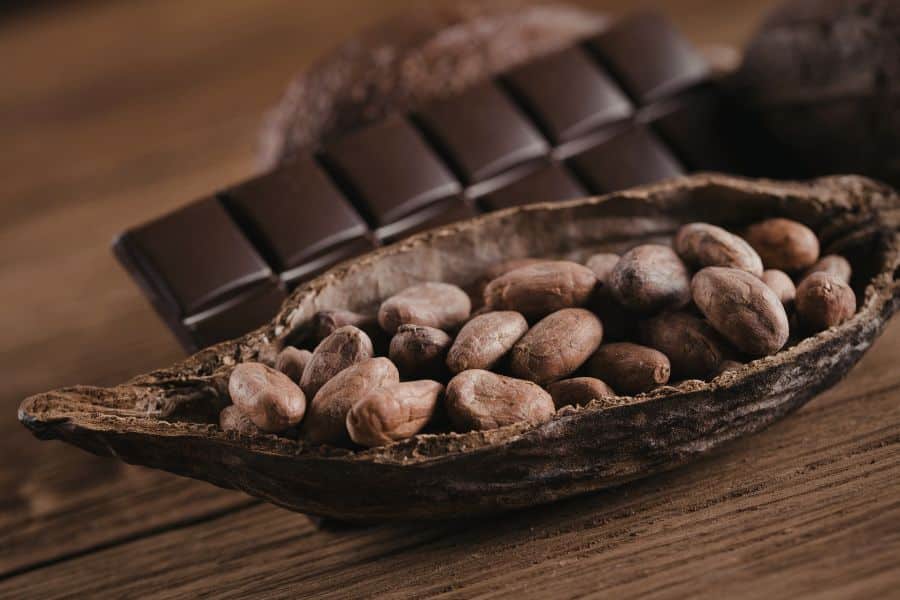
8. Flavanols
Flavanols are plant compounds linked to improved blood flow to the brain. A trial found that cocoa flavanols improved performance on memory tasks in older adults.
Dark chocolate, although not as yummy as milk chocolate, is the best-known source, with 70% cocoa or higher, and tea, apples, and berries contribute too. A square or two is all you need, though, not the entire bar. Sadly, milk chocolate has far less, since the flavanols come from the cocoa itself.
9. Complex Carbohydrates
Your brain runs almost entirely on glucose, around 120 grams a day. The goal is a steady supply rather than a sugar spike followed by a crash, which is where slow-burning carbs come in.
Beans, lentils, oats, and real whole-grain bread release glucose gradually and provide fiber and B vitamins. A bowl of rolled oats topped with berries, or beans and whole grains throughout the day, keeps energy and concentration levels. Choose a whole-grain loaf with visible seeds over fluffy white bread, which behaves more like sugar in the body.
Plus 3 Things To Avoid
1. Alcohol
A glass of wine is easy to call medicinal, but the research on alcohol and cognition is fairly consistent that there’s no amount that benefits the brain. Even one drink can disrupt sleep, which carries the fog into the next day.
You don’t have to quit, I certainly couldn’t, as I love a glass of wine, but cutting back, especially on weeknights, tends to pay off quickly in clearer mornings.
2. Ultra-Processed Snacks
Granola bars, sweetened yogurts, “protein” cookies, and sugary cereals that advertise whole grains on the box spike blood sugar and drop it just as fast. They give you the crash without the fuel. A piece of fruit does the job for less money and steadier energy.
3. Late Caffeine
Caffeine has a half-life of about 5 to 6 hours, so an afternoon coffee is still in your system at bedtime, costing you precious hours of sleep. Poor sleep then deepens the next day’s slump, and the cycle repeats.
Setting a cut-off around midday protects your sleep and, over a week or two, shrinks the slump you were trying to caffeinate away.
None of this is medical advice, and brain fog can have causes that food won’t touch: thyroid trouble, vitamin deficiencies, sleep apnea, depression, and the hormonal shifts of menopause itself. If yours doesn’t lift with a few sensible swaps, get it checked properly.
This article is for general information and isn’t a substitute for personalized medical advice. Talk to your doctor about anything affecting your health, especially before making big changes to your diet or if persistent brain fog is interfering with your daily life.