
I live in rural southwest France, and it’s been interesting learning about plants here, as gardening is very different from what I’m used to. For a start, we have quite extreme summers and can have weeks of 100+ degrees.
I’m lucky to have extremely green-fingered neighbors who are always willing to share their years of gardening advice with me. Madame Dubois, in particular, is always very vocal about what I’m doing wrong. It seems I’m rarely doing anything right in her opinion.
Anyway, a couple of years ago, she told me that there were some plants I needed to have in a French garden, or any garden really, that would come back year after year, with relatively little work needed on my part. Naturally, I was all ears.
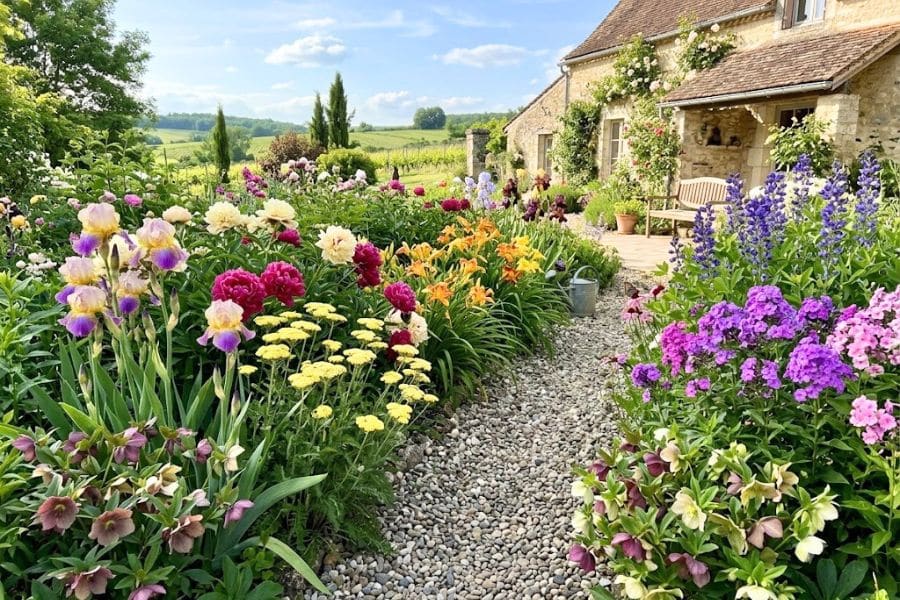
7 Long-living Flowers That Bloom for Decades
If you want a garden that gives back for decades rather than months, these are the plants to reach for. Most are the sort of hard-to-kill perennials, which suits me fine. And they’re all Madame Dubois approved.
1. Bearded Iris
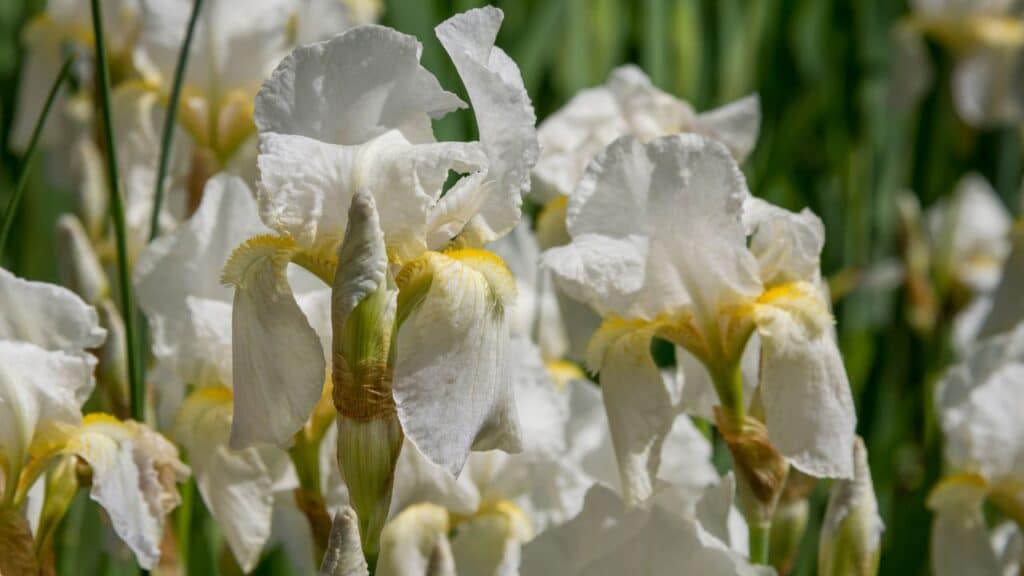
Bearded iris, Iris germanica, will keep going for 20 to 25 years and often longer. The secret is underneath the soil, where a thick root called a rhizome keeps producing new fans of leaves and flowers year after year.
Give it full sun and sharp drainage, and set the rhizome right at the surface rather than burying it, because it will rot if it sits wet.
Every three to five years, lift and split the clump to keep the blooms coming. They’re happy in USDA Zones 3 to 9.
2. Peony
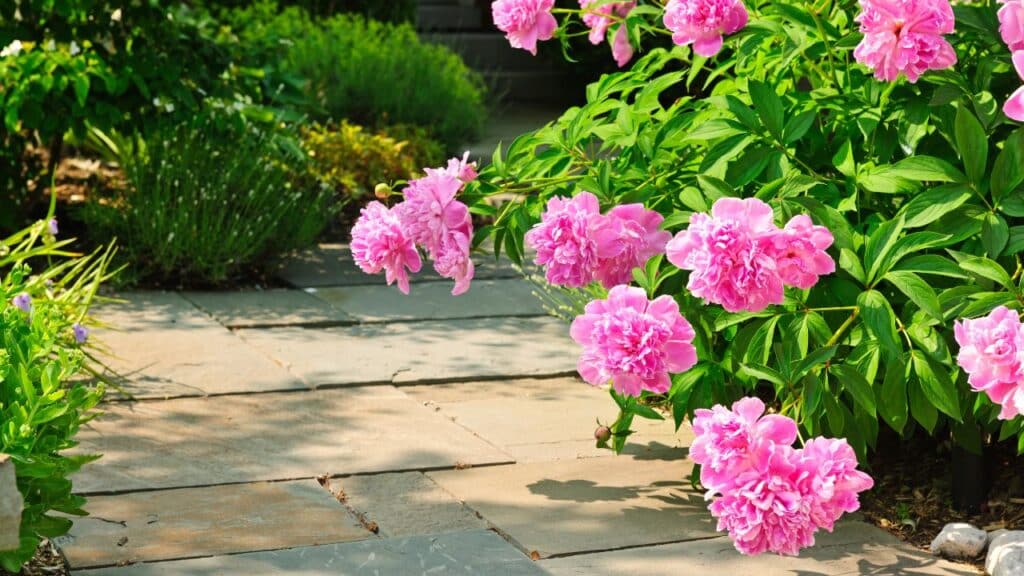
A peony can live 50 years without blinking, and plenty carry on past 100. That long life comes from a deep, established root system and a strong dislike of being moved, so pick the right spot first and leave it be.
Plant the crown only an inch or two down, as burying it too deep is the usual reason a peony sulks and won’t flower.
It wants full sun, rich, well-drained soil, and very little from you after that. Zones 2 to 8, and go easy on the feed.
3. Daylily
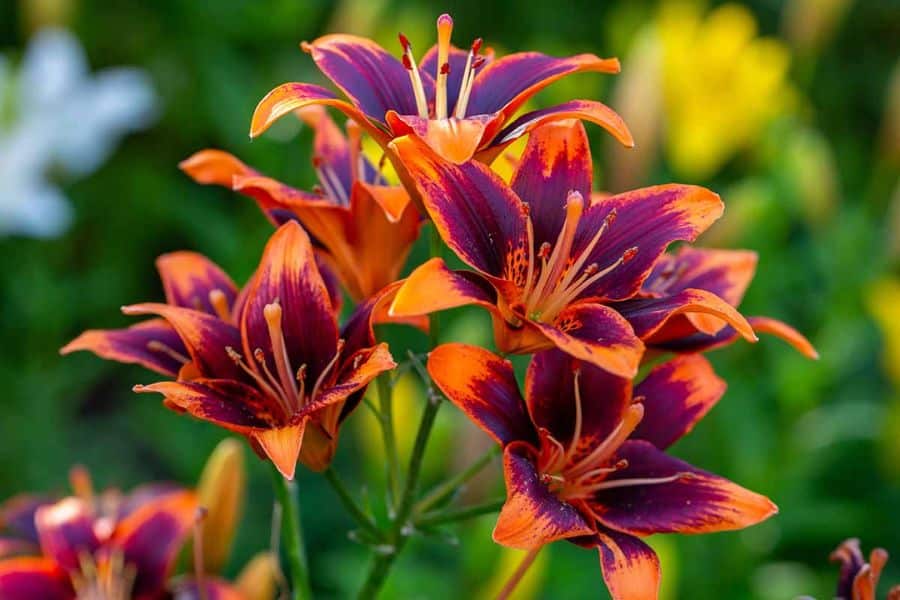
The daylily, Hemerocallis, is one hardy plant you’ll find hard to kill off. It can deal with poor soil, drought, sun, or a bit of shade, and a healthy clump will thrive for decades.
Each flower lasts a single day, which is where the name comes from, but a good plant throws out so many buds that it blooms for weeks.
Split a clump when it gets crowded, and you’ll have new plants for free. Zones 3 to 9.
4. Yarrow
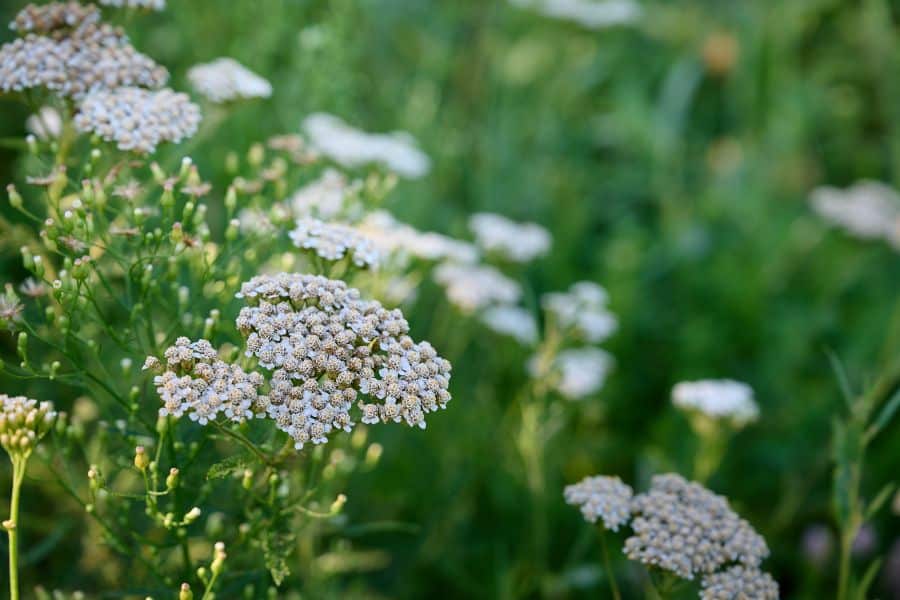
Yarrow, Achillea millefolium, is a plant that lives around ten years, but it spreads by seed and by creeping roots, so a patch will hold its ground for 20 to 30 years and more.
It actually prefers poor, dry soil and full sun, and it will flop about if you plant it somewhere too rich and comfortable.
The flat flower heads are a favorite with bees and butterflies. Zones 3 to 9.
5. False Indigo
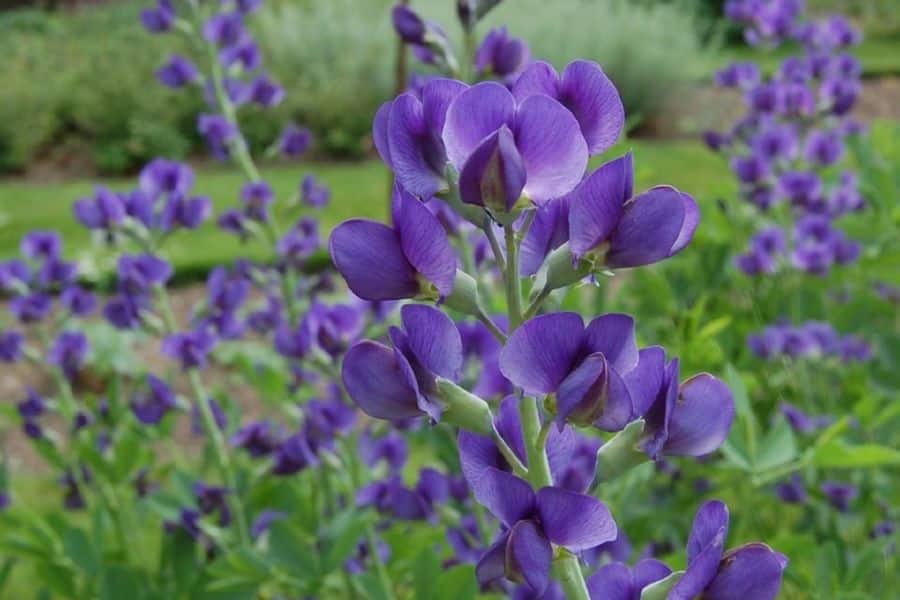
False indigo, Baptisia australis, sends down a taproot so deep that it never needs dividing and hates being disturbed once settled, much like a peony.
Give it a few years to find its feet, and it will then reward you for 20 or 30 years with spikes of blue, pea-like flowers and handsome blue-green foliage.
Being a member of the pea family, it feeds itself and copes well with drought once established. Full sun, and Zones 3 to 9.
6. Garden Phlox
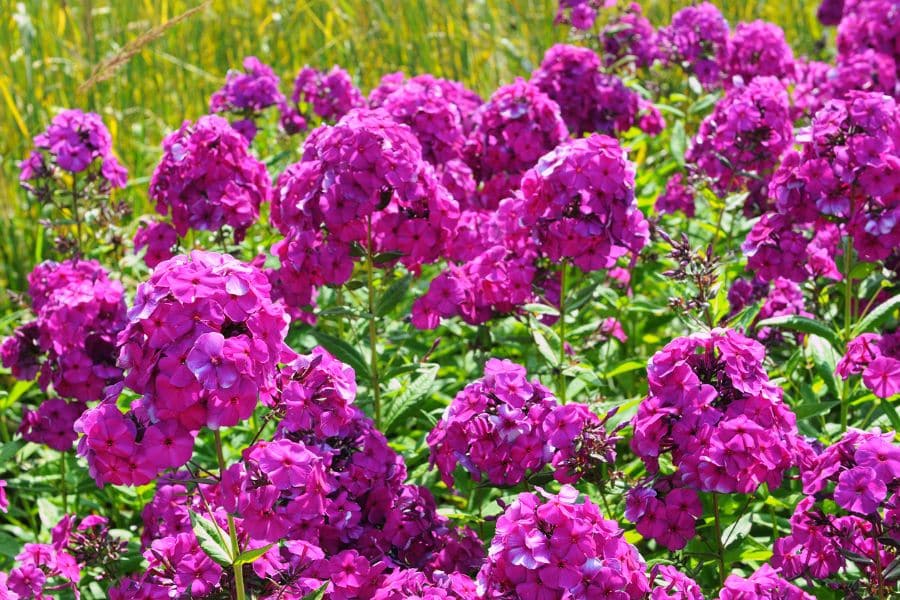
Garden phlox, Phlox paniculata, is the reliable old friend of the summer border, blooming for decades if you look after it.
It likes full sun, rich soil that stays reasonably moist, and room to breathe, since crowded plants in still air tend to get mildew on the leaves.
The clusters of fragrant flowers carry on for weeks in the height of summer. Divide it every few years to keep it vigorous. Zones 4 to 8.
7. Hellebore
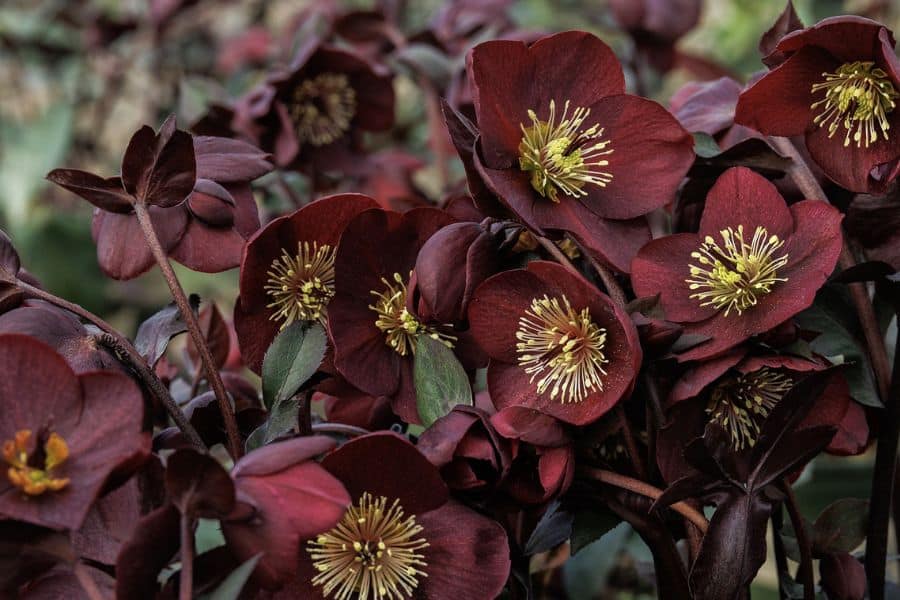
Hellebores, Helleborus, live 30 to 40 years and flower when almost nothing else will, through late winter and very early spring.
They’re one of the few long-lived flowers that want shade, thriving under trees and in the shadier corners most plants sulk in.
Give them rich, moist, well-drained soil and then leave them alone, as they resent being moved. Zones 4 to 9.
Worth Planting Once
The thing all seven share is patience. Give them the right spot and a season or two to settle, and they’ll pay you back long after other plants have come and gone.
If you’re just starting out, they’re a forgiving place to begin, even if you’ve never grown a thing in your life.
And if you want faster color while these get established, it’s worth pairing them with a few quick bloomers you can plant in spring.