
Living with arthritis is awful. My Grandma suffered with it, and I know how much pain she was in, and it got to a point where her hands were almost crippled, which was so sad to see. She was a pianist like me and loved playing the piano, but that gradually stopped because it became too painful for her.
I still play the piano regularly, and every time I feel pain in my fingers, I immediately start to worry that it’s the onset of arthritis, which it probably isn’t, but your brain has a way of latching onto things, doesn’t it? Anyway, watching Grandma suffer with it has made me more aware.
Apparently, arthritis and aching joints are as much about the food we put into our bodies as anything else. Some foods will flare things up over time, and others do the opposite, and as we age, these foods become more important.
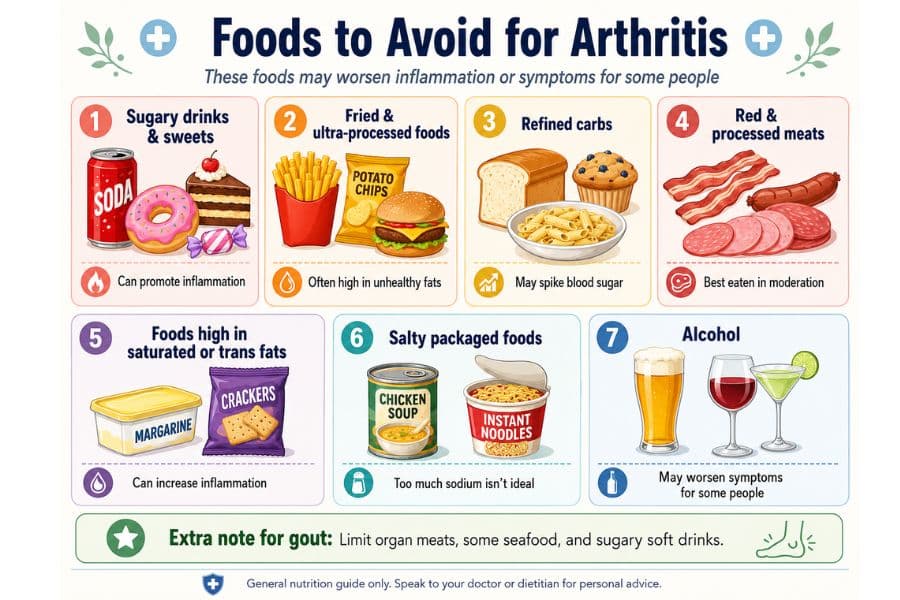
12 Common Foods That Make Arthritis Worse
1. Sugary Sodas and Sweetened Drinks

A can of cola contains about 9 teaspoons of sugar, which enters your system faster than almost anything else you’ll swallow that day. A Study tracking nearly 187,000 women linked regular sugar-sweetened soda consumption with a higher risk of seropositive rheumatoid arthritis.
The blood sugar spikes drive inflammatory markers up, and joints already under stress feel that. It’s the daily habit that does the damage, the can with lunch, the bottle in the afternoon, and the second one on the drive home.
If you swap one can of soda a day for sparkling water with a squeeze of lime or a splash of unsweetened cranberry juice, you’re cutting roughly 30 pounds of sugar a year from your diet without changing anything else.
Sweet tea, flavored coffee drinks, and most bottled smoothies sit in the same camp. Check the label for grams of sugar per serving. Anything over 10 grams is not a drink but a cup of sugar.
2. White Bread, White Rice, and Refined Flour

Refined carbohydrates have had their fiber and most of their nutrients stripped out, so they behave in the bloodstream much like straight sugar. That blood sugar surge triggers the release of inflammatory cytokines, and chronic low-grade inflammation is the soil in which arthritis grows.
The everyday culprits are the obvious ones: white sandwich bread, white bagels, instant rice, regular pasta, and most breakfast cereals promoted as the healthy option. They’re not. They don’t earn their keep nutritionally, despite what the packaging says.
Swap to whole-grain sourdough, brown or wild rice, whole wheat or lentil pasta, and unrefined oats for breakfast.
3. Processed Meats Like Bacon, Sausage, and Deli Slices

Processed meats carry a triple hit for inflamed joints: high sodium, advanced glycation end products from high-heat curing, and nitrates and nitrites used as preservatives. The World Health Organization classifies processed meat as a Group 1 carcinogen, and the same inflammatory pathways implicated there are active in arthritic joints.
A daily bacon habit or a turkey sandwich on white bread for lunch every workday adds up. The salt alone, often 600 to 900 milligrams per serving, contributes to fluid retention that makes swollen joints feel worse by the afternoon.
For a sandwich, try roasted chicken breast you’ve cooked yourself, canned wild salmon mashed with a little Greek yogurt, or hummus with sliced cucumber and tomato. For breakfast, swap bacon for two eggs cooked in olive oil and half an avocado a few mornings a week.
4. Fried Foods and Anything Battered

Frying produces advanced glycation end products (AGEs), inflammatory compounds that the body struggles to clear. A study found that reducing dietary AGEs lowered inflammatory markers in participants. Fried chicken, French fries, onion rings, fried fish in batter, and most takeout fall into this category.
The seed oils most restaurants use to fry, soybean and corn oil, are reused across long shifts, also producing oxidized lipids that promote inflammation. So you’re hit twice in one meal.
For the same crispy satisfaction at home, try the oven or an air fryer, lightly brushed with olive or avocado oil. Coat chicken or fish in almond flour with herbs, roast potatoes at 425°F until the edges crisp, and you’ll get most of what you want from fried food without the inflammatory aftermath.
5. Industrial Seed Oils (Soybean, Corn, Sunflower, Safflower)

These oils are loaded with omega-6 fatty acids. Omega-6s aren’t villains on their own, but the typical American diet now has an omega-6-to-omega-3 ratio of around 15 to 1, while the body works best at closer to 4 to 1. That imbalance tips the inflammatory scales the wrong way.
Watch for these oils hiding in salad dressings, mayonnaise, granola bars, crackers, hummus from the supermarket cold case, and almost every packaged snack.
Read the label on what’s already in your pantry, and you’ll be surprised how often soybean oil shows up.
Cook with extra virgin olive oil for everyday meals, avocado oil when you need higher heat, and butter or ghee in moderation. For dressings, whisk olive oil with lemon juice or vinegar and a teaspoon of Dijon. Cheaper, simpler, and easier on the joints.
6. Sugar in Baked Goods and Desserts

A muffin from the coffee shop can contain 35 grams of added sugar, which is more than the American Heart Association’s daily limit for women in a single breakfast pastry. Added sugars trigger the same inflammatory response as soda, and refined flour in most baked goods doubles the impact.
It’s so easy to go into Starbucks, order your coffee, and then add on a slice of banana bread or pick up what looks like a healthy granola bar. The odd one every now and again isn’t going to do any harm, but a daily habit? That’s a whole other story.
For a sweet bite that doesn’t fight your joints, try a small square of 85% dark chocolate, a bowl of berries with plain Greek yogurt, or a baked apple with cinnamon. If you bake at home, halve the sugar in most recipes. You won’t notice the difference, I certainly don’t.
7. Excess Red Meat, Especially Marbled Cuts
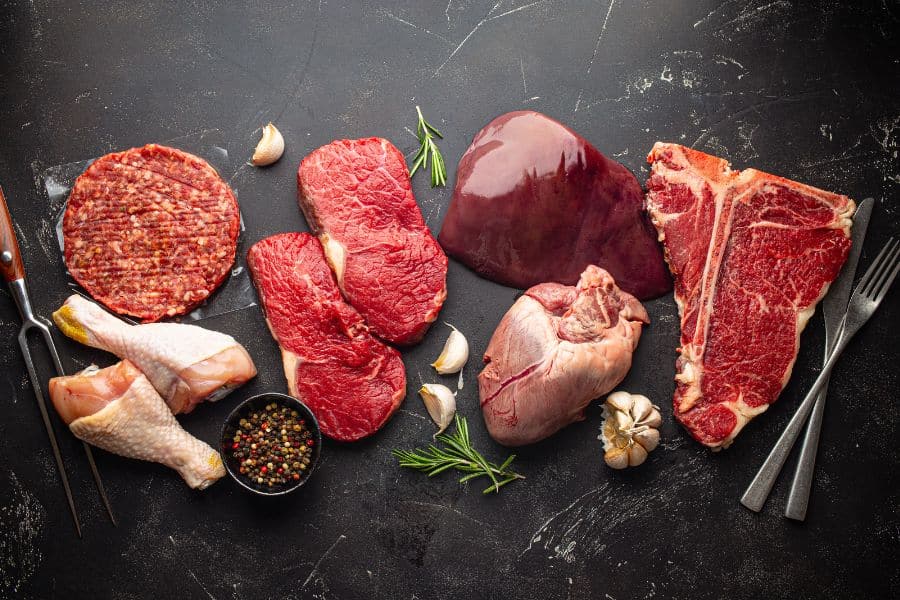
Red meat contains saturated fat and arachidonic acid, both of which can fuel inflammatory pathways when eaten in large amounts. A review connected high red meat consumption with elevated inflammatory markers in arthritis sufferers.
I’m not asking you to give up steak; it’s a staple dish here in France, which I can never resist. But make it a treat rather than the norm. Portion and frequency are the real levers.
Build more meals around fatty fish like salmon, sardines, or mackerel, which deliver omega-3s that actively reduce inflammation. Lentils, chickpeas, and beans in soups and stews stretch a smaller portion of meat further. When you do cook red meat, choose leaner cuts and pair them with a generous pile of veggies.
8. Ultra-Processed Snacks and Packaged Foods
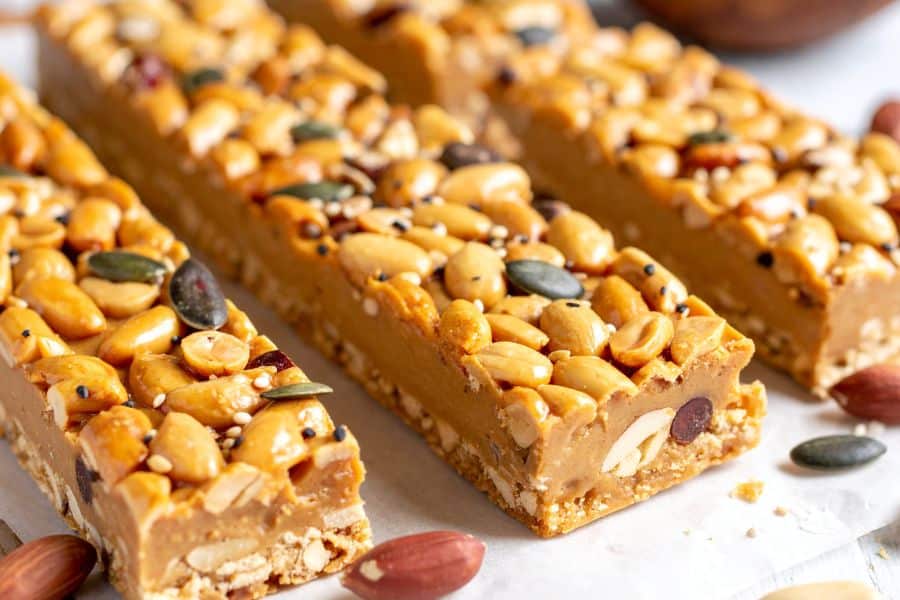
Ultra-processed foods typically combine refined carbs, industrial oils, added sugars, and sodium, four inflammatory inputs in one shrink-wrapped package.
A study tracking over 100,000 adults found that a 10% increase in ultra-processed food intake was associated with a 12% higher risk of overall cardiovascular disease, and the same inflammatory pathways are at work in arthritic joints.
Stock the kitchen with whole foods such as apples, carrots, hummus you’ve made yourself, hard-boiled eggs, nuts, plain yogurt, and frozen berries.
9. Margarine and Trans Fats

Artificial trans fats, the partially hydrogenated oils still lurking in some shortenings, frostings, and cheap baked goods, are among the most inflammatory fats in the food supply. The FDA banned them from most products in 2018, but small amounts can still appear under the labeling threshold, so anything listing 0 grams trans fat may still contain up to 0.5 grams per serving.
Margarines have largely reformulated, but many still rely on heavily processed seed oils and emulsifiers that don’t do joints any favors. Read the label, and if you see “partially hydrogenated” on anything, put it back.
Grass-fed butter in moderation or extra-virgin olive oil for spreading and cooking are simpler choices. Butter has been unfairly demonized for decades, but my French neighbor, who by the way is in his 90s, cooks liberally with butter and nothing else, and is fighting fit.
10. Alcohol, Especially Beer and Sweet Cocktails

Alcohol increases gut permeability and triggers inflammatory cytokines, and beer specifically raises uric acid levels, which can crystallize in joints and cause gout flares on top of existing arthritis pain.
The daily glass of wine many of us treat as harmless can also disrupt sleep and recovery, because joints heal during deep sleep. Two or three alcohol-free nights a week make a noticeable difference to morning stiffness for a lot of people.
If you drink, lean toward red wine in modest amounts, since it contains resveratrol, and skip the sugary mixers. Sparkling water with bitters and a twist of citrus works well as a stand-in.
11. High-Sodium Foods (Canned Soups, Frozen Meals, Restaurant Takeout)

High sodium intake drives fluid retention, which puts extra pressure on weight-bearing joints and can worsen swelling in already inflamed ones. The daily sodium tally adds up quickly. A can of soup holds 800 milligrams, a frozen lasagna holds 1,200, and a restaurant pasta dish holds well over 2,000. The recommended daily limit is 2,300 milligrams, and many people sail past that by lunch.
Make soups in big batches on Sundays and freeze portions in glass containers. Use herbs, garlic, lemon, and vinegar to add flavor rather than reaching for the salt shaker. When ordering out, ask for sauces on the side and skip the bread basket, which is often the saltiest thing on the table. Although, as bread is brought to the table with every meal here in France at no charge, and it’s delicious, this is harder for me in practice.
12. Artificial Sweeteners and Diet Sodas

Swapping regular soda for diet seems like a reasonable trade, but artificial sweeteners like aspartame, sucralose, and saccharin have been linked to disruptions in gut bacteria. A study found non-caloric artificial sweeteners altered the gut microbiota in ways that promoted glucose intolerance and inflammation. Since roughly 70% of the immune system lives in the gut, the downstream effects show up in joints, too.
The sweet taste also keeps the craving for sugar alive, so most people who rely on diet drinks end up eating more sweets overall. Cutting back on both at the same time tends to work better than substituting one for the other.
Unsweetened iced tea, sparkling water with fresh fruit, small amounts of kombucha, and plain water with a slice of cucumber all do the job without artificial sweeteners.
Disclaimer: This article is for general informational purposes only and is not a substitute for professional medical advice, diagnosis, or treatment. Always consult a qualified healthcare provider before making changes to your health, diet, or exercise routine.