
Chronic inflammation is sneaky because it can creep up on you without you realizing it. But there are symptoms to look out for, such as feeling permanently tired despite having had 8 full hours of sleep.
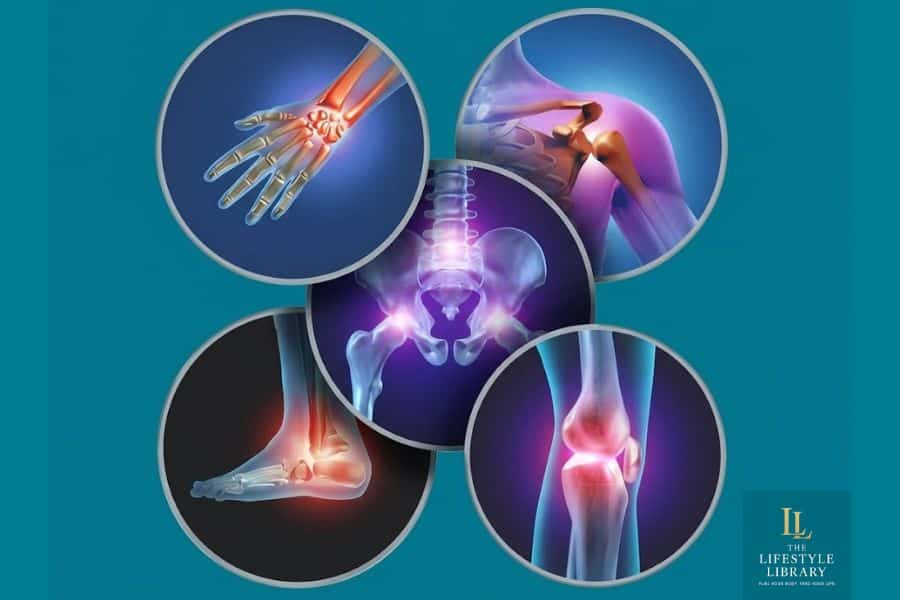
Or another one is achy joints, which I always put down to menopause and getting older. Then you have brain fog that makes you feel like you’re operating at half speed. And the frustrating part is that most of us are making it worse without even knowing it.
The frustrating part is that most of us are making it worse without even knowing it. Everyday habits, things we don’t think twice about, can keep inflammation simmering in the background for years.

10 Easy Ways to Beat Chronic Inflammation
Your body’s immune system is designed to fight threats, such as infections or injuries. It sends in the troops, does the job, and stands down. That’s healthy, normal inflammation. Chronic inflammation is what happens when those troops never get the order to stand down. They keep firing, day after day, even when there’s nothing left to fight.
Doctors now link this low-grade, ongoing state to some of the biggest health issues facing women in midlife: heart disease, type 2 diabetes, joint pain, brain fog, and fatigue that no amount of sleep seems to fix
Here are 10 doctor-recommended ways to start turning things around today.
Cut Out Smoking and Pull Back on Alcohol
These two are non-negotiable if reducing inflammation is the goal.
Smoking puts your immune system on constant high alert. It damages blood vessels and induces ongoing inflammatory stress throughout the body. There is no safe level of smoking for inflammation. Quitting is the only option, and your doctor can help you find a program that works for you.
Alcohol is hard on the gut lining and the liver. Both of those systems play a key role in regulating inflammation, so when they’re under pressure, the ripple effects are significant. If you drink, keeping it to an absolute minimum makes a real difference.
However, if, like me, you’re partial to a G&T and wine, this one will be a little harder, so, as my mom always says, everything in moderation. The word moderation being the key here. No binge drinking.
Drink More Water

I know you’ve heard it all before, but seriously, drinking more water helps here. And let’s be honest, it’s not exactly hard, is it? Take a bottle of water with you wherever you go. I have a 1.5-liter bottle on my desk and drink it all before I finish work. Easy.
Chronic low-level dehydration puts your body under physical stress. It thickens the blood, concentrates inflammatory markers, and slows the body’s natural process of flushing toxins through the kidneys and liver.
Eight cups of water, or roughly 2 liters, a day is a solid baseline. More if you’re active or living somewhere warm. Starting your morning with a large glass of water before your coffee is one way to get started quickly.
Rethink What’s Coming Out of Your Tap and Going Into Your Containers

Where I live in France, our water isn’t great, and it leaves limescale in our kettle, so I filter all the water we use as standard. A good countertop or under-sink filter removes common contaminants that even treated tap water can carry.
Ditching plastic food containers in favor of glass or stainless steel reduces your exposure to chemicals like BPA, which has been linked to hormonal disruption and inflammation. It’s a one-time investment that pays off for years.
When it comes to produce, checking the Environmental Working Group’s Dirty Dozen list each year tells you which fruits and vegetables carry the highest pesticide loads and are worth buying organic.
Try Tai Chi

Tai Chi combines gentle, flowing movement with the deep breathing and mental focus of meditation. That makes it a two-in-one approach: you’re getting low-impact physical activity while actively calming your nervous system.
For women in midlife, particularly those dealing with joint stiffness, fatigue, or high stress levels, it’s a good fit. It’s accessible to people of any fitness level, easy on the joints, and studies have found that it can reduce inflammatory markers, improve balance, and improve sleep quality.
Talk to Your Doctor About Supplements
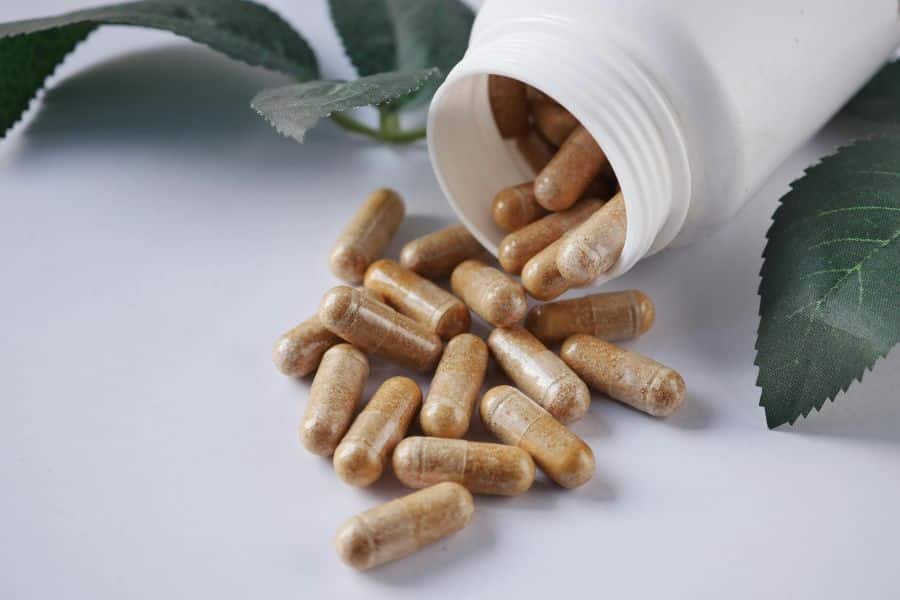
Before you head straight to the health food store, a word of caution: supplements are not a substitute for the lifestyle changes above. They work alongside them, not instead of them.
That said, a few specific supplements have solid evidence supporting their ability to reduce inflammation. I have taken all of these and have done for several years as they help with general wellness, especially in menopause.
- Omega-3 fish oil works by directly blocking some of the body’s inflammatory pathways.
- Curcumin, the active compound in turmeric, is effective at reducing inflammation when taken with black pepper, which dramatically improves absorption.
- Vitamin D deficiency is common in midlife women and is linked to higher inflammation, so it’s worth getting your levels tested.
- Magnesium is another one worth discussing with your doctor.
Keep Blood Sugar on an Even Keel

Every time you eat refined carbohydrates or sugary foods, your blood sugar spikes. Your body reads that spike as an emergency and releases a wave of inflammatory signals in response.
When this happens repeatedly throughout the day, over months and years, your cells stop responding properly to insulin. Insulin resistance sits right at the heart of chronic inflammation.
It’s quite simple, really: avoid sugary drinks, sodas, and juices. Cut back on white bread, white rice, and pastries. When you do eat carbohydrates, pair them with a protein or a healthy fat.
Make Stress Management Part of Your Routine

Stress is a biggie, and many of us carry more stress than we realize. When you’re under constant pressure, your body stays locked in fight-or-flight mode. That floods your system with cortisol, which directly triggers inflammation.
I find exercise helps me manage my stress levels, whether that’s a long walk with my dog, working out in my home gym, or going to line dancing, which I do once a week.
Even ten minutes of daily meditation makes a measurable difference. Journaling before bed can help clear mental clutter that’s keeping your nervous system on high alert. Apps like Calm or Insight Timer are worth trying if you’re not sure where to start.
Research on Mindfulness-Based Stress Reduction (MBSR) shows that it can meaningfully reduce inflammatory markers in the body over time.
Move Your Body Every Single Day

Regular moderate exercise is one of the most effective tools you have against chronic inflammation. And the word to focus on here is moderate.
Pushing yourself too hard, too often, can actually increase inflammation rather than reduce it. You’re not training for the Olympics here, just keeping yourself healthy, and trying to keep your body moving consistently, and that’s enough.
Aim for around 150 minutes of moderate activity each week. Brisk walking, swimming, cycling, or dancing all count. Strength training a couple of times a week is a bonus.
Consistency is what matters, not intensity.
Heal Your Gut

Around 70 to 80 percent of your immune cells live in your gut. So it stands to reason that the state of your gut directly affects your immune system.
When the balance of bacteria in your gut is off, it can trigger what some researchers call a leaky gut, where unwanted particles escape into the bloodstream and set off an inflammatory response throughout the body.
This is why gut health shows up in everything from skin flare-ups to brain fog.
Probiotic-rich foods like yogurt, kefir, kimchi, and sauerkraut help restore good bacteria. Prebiotic foods, such as garlic, onions, oats, and apples, feed beneficial bacteria so they can do their job. A high-fiber diet ties it all together and reduces inflammation.
Create Your Weekly Menu Around Anti-Inflammatory Foods
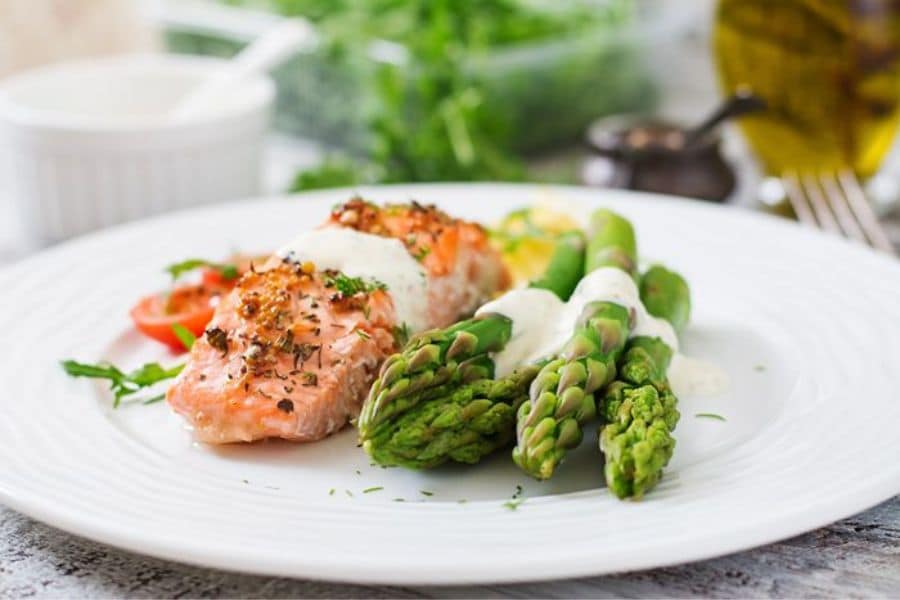
Food is the foundation. What you eat can either fuel the fire or help put it out.
The Mediterranean diet consistently ranks at the top for reducing inflammation. It’s built around fatty fish like salmon, leafy greens, berries, olive oil, legumes, and fresh vegetables.
Swap vegetable oils for olive oil, and try eating salmon or sardines instead of processed meat a couple of times a week. Add turmeric and ginger to your cooking as often as you can. Both have proven anti-inflammatory properties.
And yes, cutting back on processed foods, sugary drinks, and refined carbs like white bread and pastries as these are the biggest culprits.
Disclaimer: The health and wellness content in this article is for informational purposes only and is not a substitute for professional medical advice, diagnosis, or treatment. Always consult your healthcare provider before making changes to your diet, supplement routine, or lifestyle, particularly if you have an existing health condition or are taking medication.