
April is nearly upon us, and I always think it’s a bit of a funny month in the garden as you’re never quite sure if winter is really done. Sometimes you can get a hard, late frost, and other times we’re onto lovely warm temperatures with the promise of summer ahead.
My garden is full of perennial plants looking rather sorry for themselves with dead twigs poking out from all angles. They need to go, and it’s time to get my secateurs out as these are getting in the way of the new growth trying to push its way through.
Cutting back at the right time, in the right way, makes a huge difference to how your perennials perform all summer long. Grab your secateurs and let’s talk about which perennials need your attention this month.
Before You Reach for the Secateurs
There are two things worth knowing before you start chopping.
First, timing matters. April is generally the sweet spot for USDA Zones 5 to 8, once daytime temperatures are consistently sitting at around 50°F. If you’re still getting frost or your soil looks frozen, wait a little longer.
Second, look for new growth before you cut. For most of the plants on this list, you want to see small shoots appearing at the base before you go in with the shears. This tells you the plant is awake and ready to push forward.
And while you’re at it, wipe down your secateurs with a disinfectant solution between plants. It takes ten seconds and stops you from spreading any disease from one plant to the next. It’s a quick and easy thing to do with a big payoff.
14 Perennials to Cut Back in April
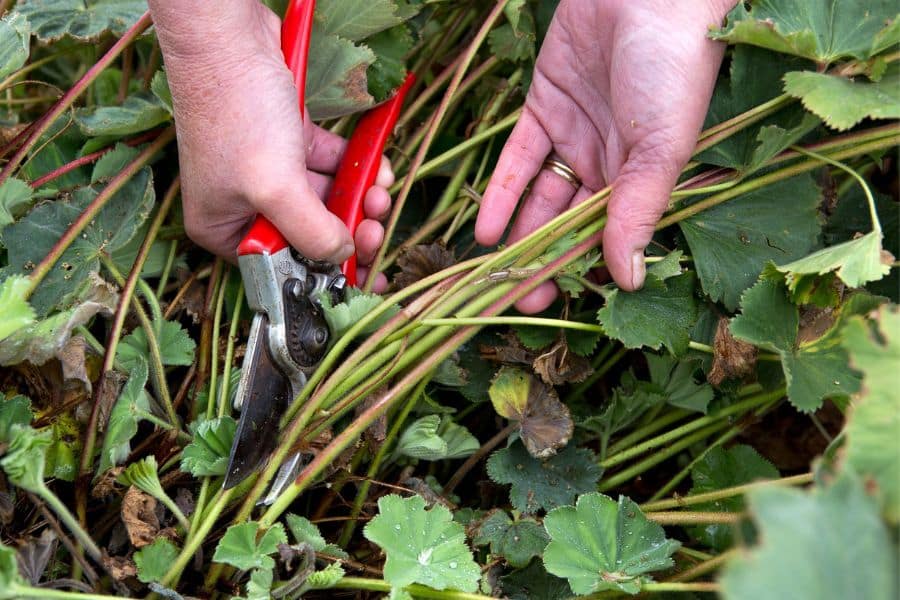
Before you start, sharp secateurs are non-negotiable here. Blunt blades crush stems rather than cutting them cleanly, which leaves the plant open to disease. A good pair of gardening gloves, a trug or bucket for debris, and you’re ready to go.
Milkweed
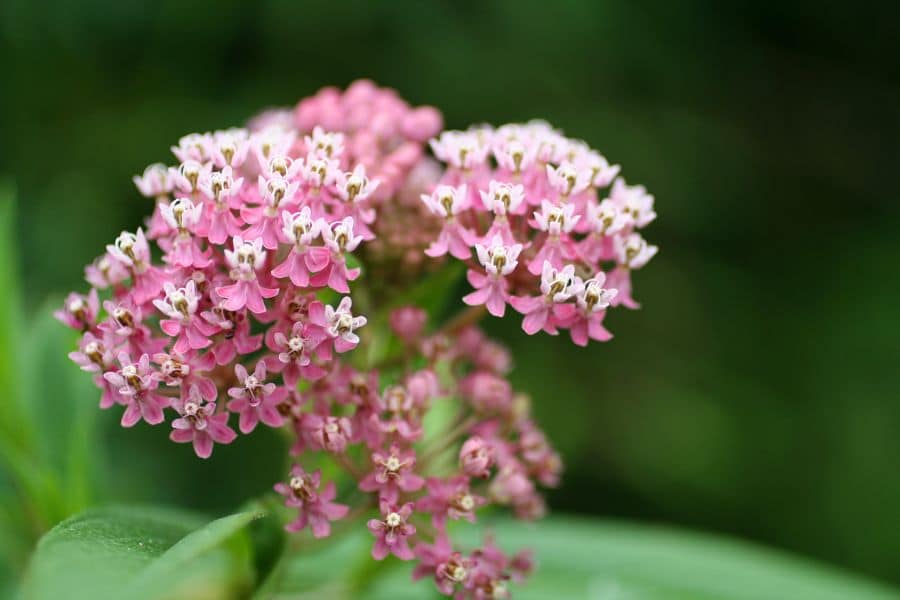
If you want monarch butterflies in your garden, milkweed is essential. But monarchs prefer fresh, tender growth for their larvae. All those woody stalks from last year are making it harder for the good stuff to come through.
Once you can see new shoots emerging at the base, cut the old stems down to around 2 to 4 inches above the soil. Leave a small marker if you’re likely to forget where the plant is and accidentally stomp on it. It’s easily done.
Wait until daytime temperatures are reliably above 50°F before cutting. Beneficial insects spend the winter inside hollow milkweed stems, so cutting too early disturbs them.
Mexican Bush Sage
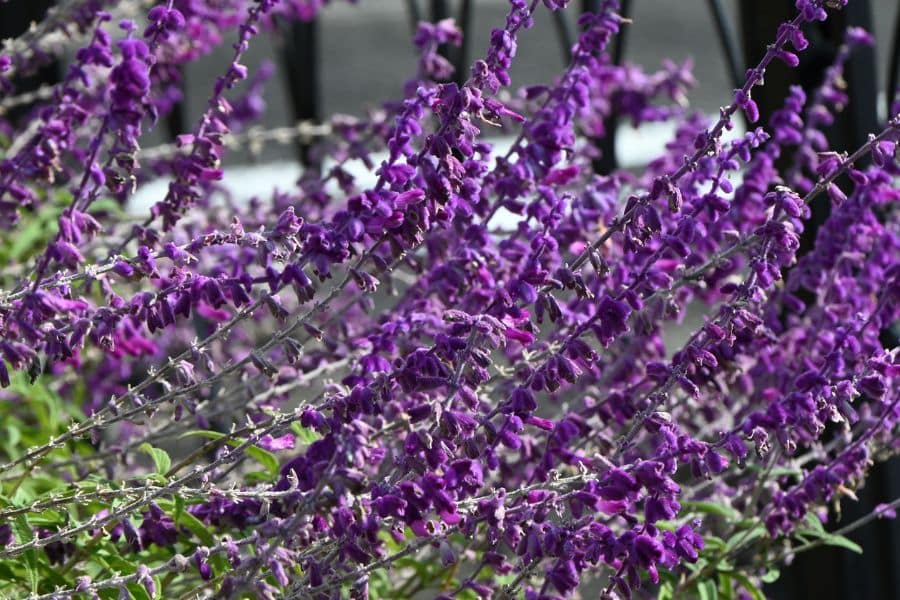
By April, Mexican Bush Sage looks like it gave up sometime around January. The stems are woody, leggy, and do nothing useful.
Cut everything back to around 4 to 6 inches above the soil once you see green shoots forming near the base. This hard cut stops the center of the plant from dying out over summer, which is a common problem if you leave it too long. You’ll end up with a full, dense plant rather than something that looks like it’s struggling.
Japanese Forest Grass
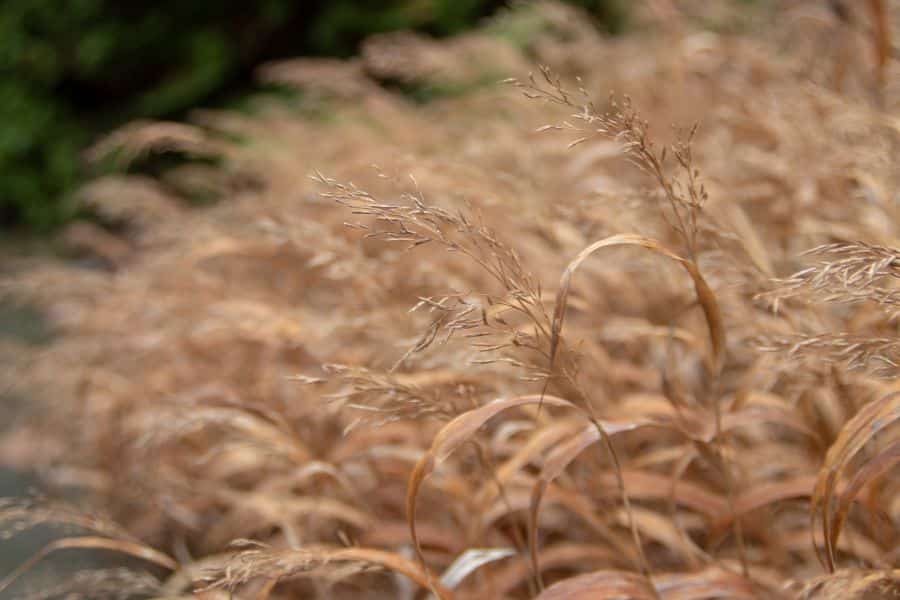
Japanese Forest Grass (Hakonechloa macra) is a real showstopper when it’s happy. In April, though, it tends to look like a soggy mat. Last year’s golden blades collapse and flatten, blocking light from reaching the crown.
Cut the whole clump down to about 1 to 2 inches above the soil using your sharpest shears. Get this done before new shoots start pushing up through the crown, because once they appear, it’s easy to accidentally snip them off while you’re clearing away the old growth.
Joe Pye Weed
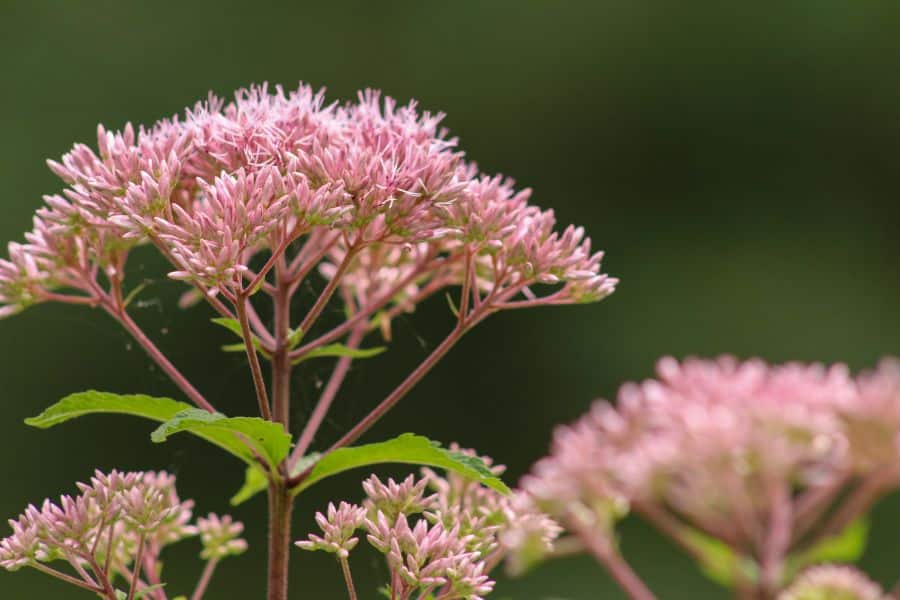
This native giant can grow to 7 feet tall in a single season. It moves fast once it gets going. The dried stems left over from autumn are brittle, and any strong spring wind will snap them anyway.
Cut the old stalks down to 2 to 4 inches above ground before the new purple shoots break the surface. A clean cut at this stage means the plant starts the season from a tidy base rather than fighting its way up through a tangle of last year’s debris.
Lantana
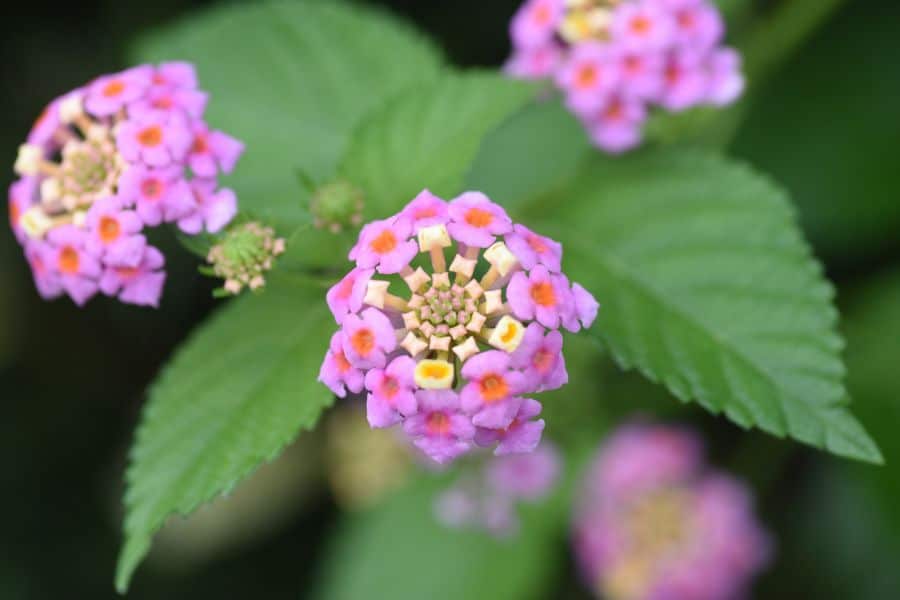
Lantana is spectacular in summer but doesn’t look so happy in early spring. The woody branches are brittle, the tips are dead, and the whole plant tends to sit there looking like it has given up entirely.
Don’t let that fool you. Cut every woody branch back to around 6 inches above the soil once all frost risk has passed. This is key with lantana. Cut too early, and any fresh growth that follows is immediately vulnerable to a late frost. Wait until you’re confident the cold nights are done.
That hard cut removes the dead tips that stall spring growth and gives the plant the reset it needs to come back as a dense, low mound rather than a scraggly mess.
Turtlehead

Turtlehead (Chelone) is a lovely plant for damp, shady spots that earns its name from those hooded late-summer flowers. By April, the old stems are brittle spikes of nothing much.
Cut back to 2 to 3 inches above the soil before new shoots appear. Beyond tidying things up, this also improves airflow around the plant. Turtlehead tends to grow in corners that can get pretty soggy in spring, so good air circulation will keep it healthy and strong.
Coreopsis
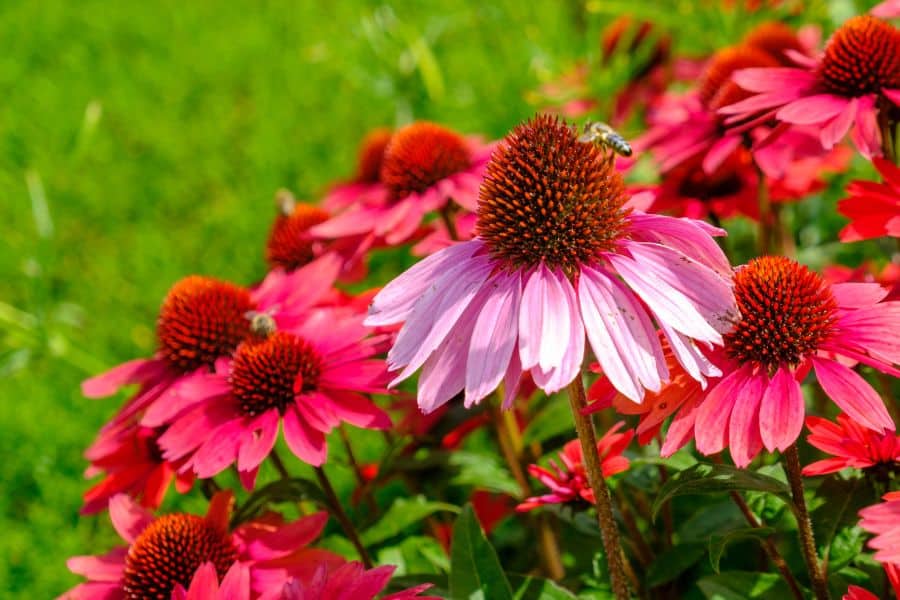
Coreopsis is one of those plants that rewards a bit of tough love. The brown matted thatch left from last year sits over the crown like a wet blanket, blocking light and trapping moisture.
Cut it down to 1 to 2 inches above the soil before the new growth emerges from the crown. Use your sharpest secateurs here because you want a clean cut, not a squashed mess. Letting the sun reach the soil after this cleanup makes a noticeable difference in how quickly the plant takes off.
Canna Lilies
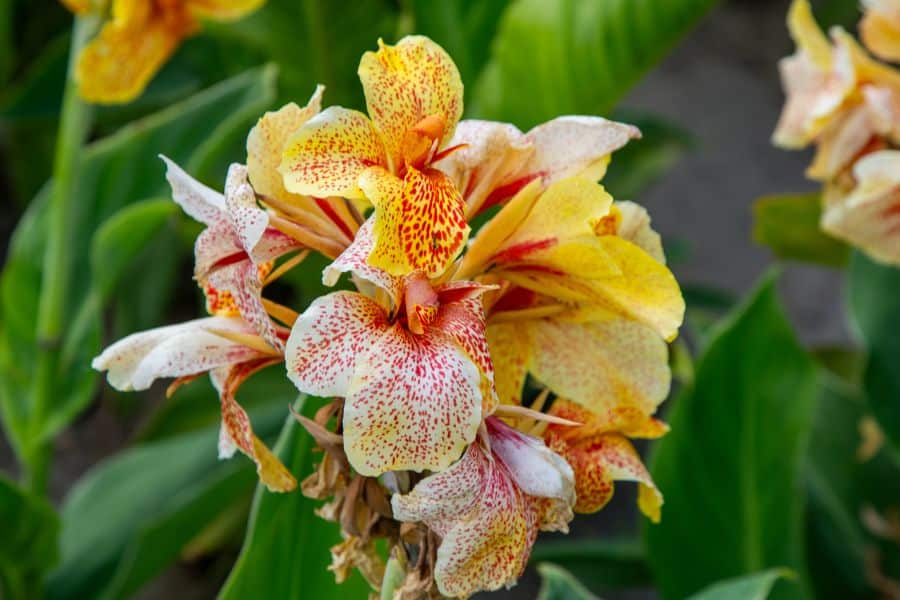
After winter, canna lily stalks look like used tissue paper. They’re soggy, floppy, and entirely past their best.
Cut the whole stalk down to 1 to 2 inches above the soil to clear the way for the new green spikes that should follow. If you stored rhizomes indoors over winter, now is also a good time to check them before planting them back out. Look for any that feel soft or smell off and discard those before they affect the others.
Wait until frost danger has passed, and you can see new shoots beginning to emerge, before you cut back outdoor plants.
False Indigo
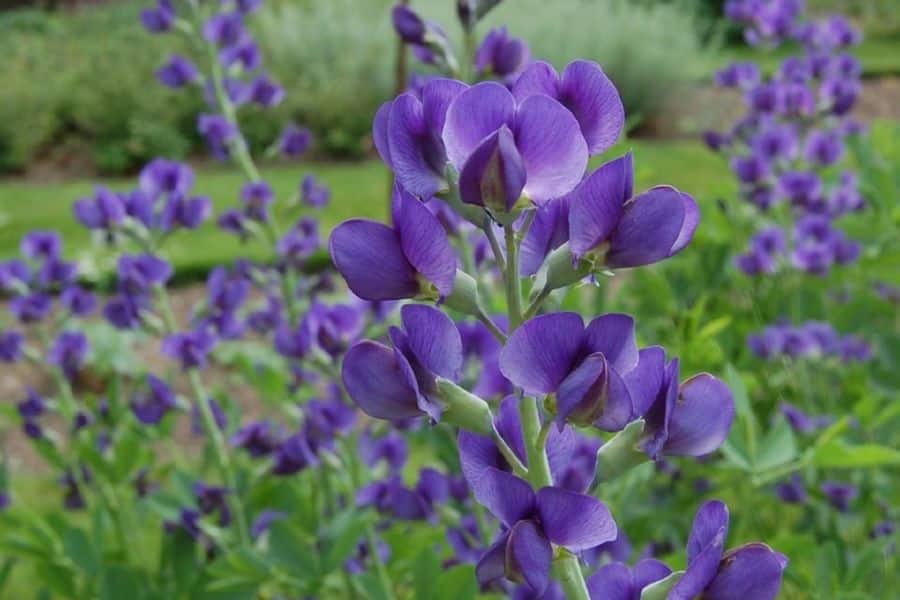
False Indigo (Baptisia australis) is one of the most low-maintenance perennials you can grow, but it does have one very strong preference: it hates being moved. Once it’s established, leave it where it is and focus purely on surface tidying.
By April, though, the stalks are grey and brittle. Cut them down to 2 to 3 inches above the soil before new shoots emerge. Those blue flower spikes will stand much taller without having to push through a tangle of old woody stems.
Yarrow
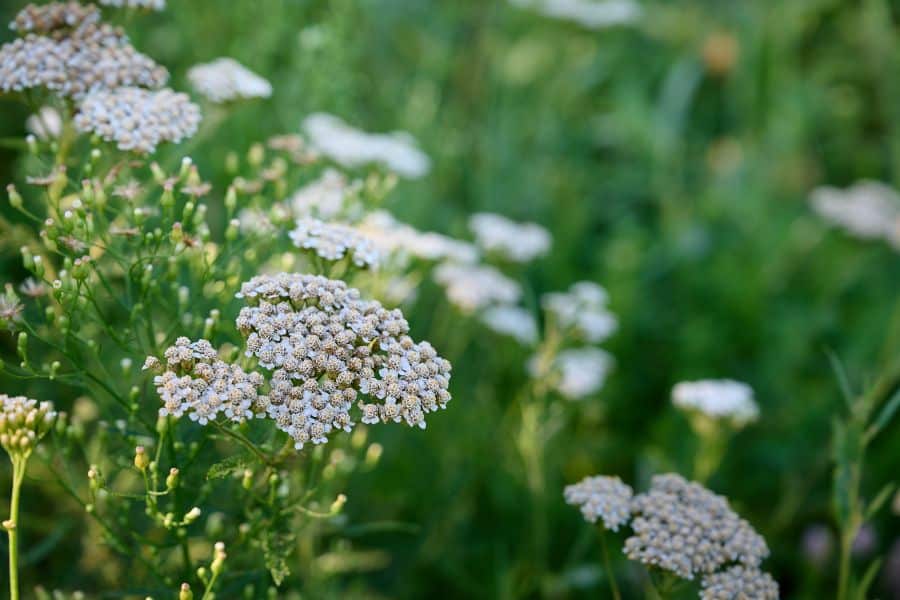
Yarrow has been used medicinally for thousands of years, which gives you some idea of how tough this plant is. By April, it’s already showing silvery rosettes close to the ground.
Cut the old growth back to 1 to 2 inches above the soil, just above that low rosette of new leaves. This clears away debris, improves airflow, and lets fresh growth come through cleanly. The stronger the new stalks, the more pollinators you’ll attract later in the season.
Just be careful not to cut into those new basal leaves. They’re the first real sign of spring growth and are worth protecting.
Hummingbird Mint
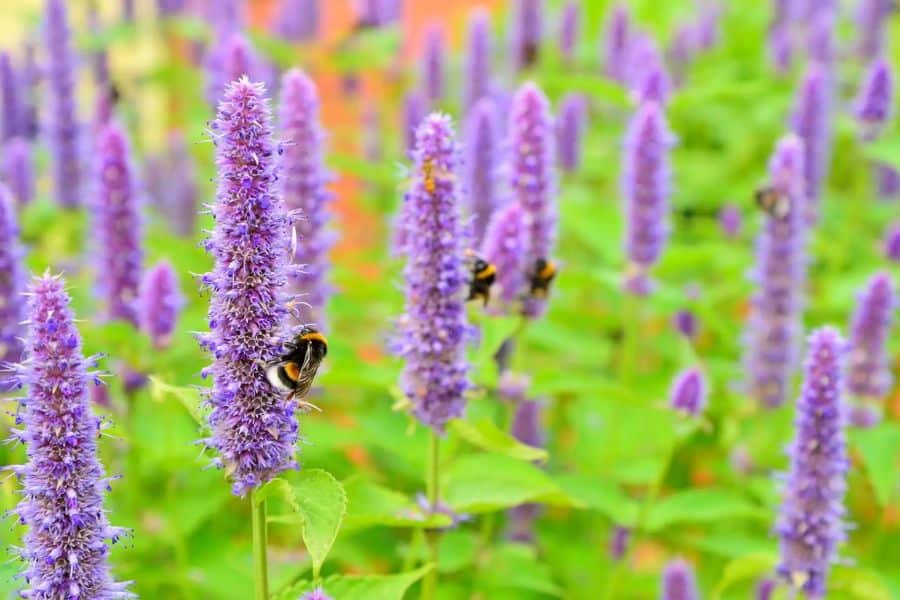
Hummingbird Mint (Agastache) is one of the best plants you can have if you want to bring pollinators into your garden. It’s also a slow waker in spring, which is worth knowing before you go in with the shears.
Wait until you can see new growth appearing at the base before you cut the old hollow stems back to 2 to 3 inches above the soil. Those stems can trap moisture around the crown during wet spring weather, which is a recipe for rot, so clearing them once the plant is awake is good timing.
Hardy Fuchsia
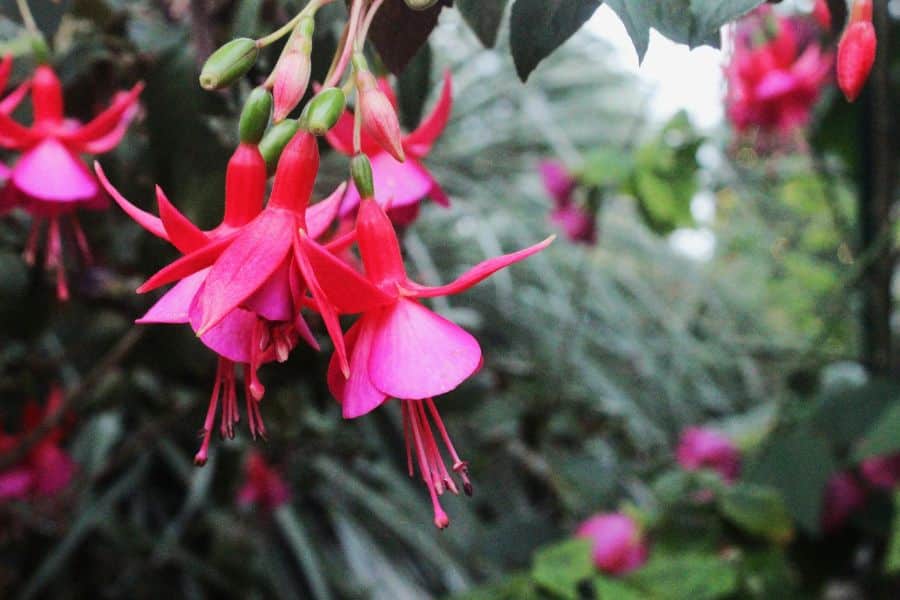
Hardy Fuchsia rewards patience more than any other plant on this list. Resist the urge to cut it back in early April until you can clearly see small buds forming along the branches. It can look completely dead for weeks and then surprise you.
Once those buds appear, cut damaged stems back to just above a healthy bud or to around 4 to 6 inches above the soil, whichever comes first. Remove any frozen tips down to the first sign of healthy green growth. Skip this step, and you’ll end up with a leggy, sparse plant that barely flowers. Do it right, and they’ll look fabulous in an abundance of pinks.
Ornamental Grasses
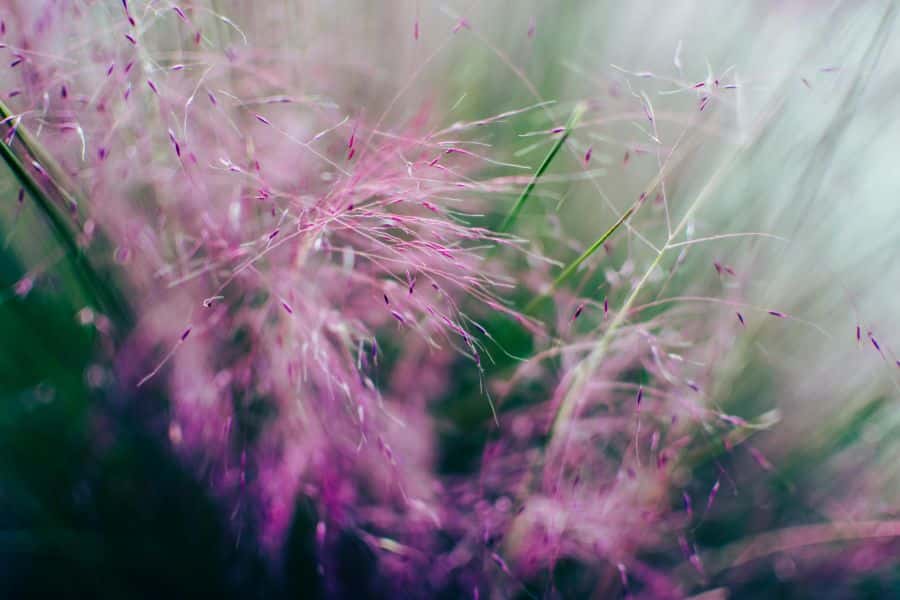
Cut them back too late, and you’re hacking through new growth. Cut them too early, and you’ve removed the winter interest before the garden has anything else to offer.
April is the right moment for most varieties, including Miscanthus, Pennisetum, and Panicum. Cut the whole clump back to about 4 to 6 inches above the soil before the new shoots get going. Use a rubber band or a piece of string to bundle the old stems together first. It makes the whole job much quicker and keeps the mess contained.
Echinacea
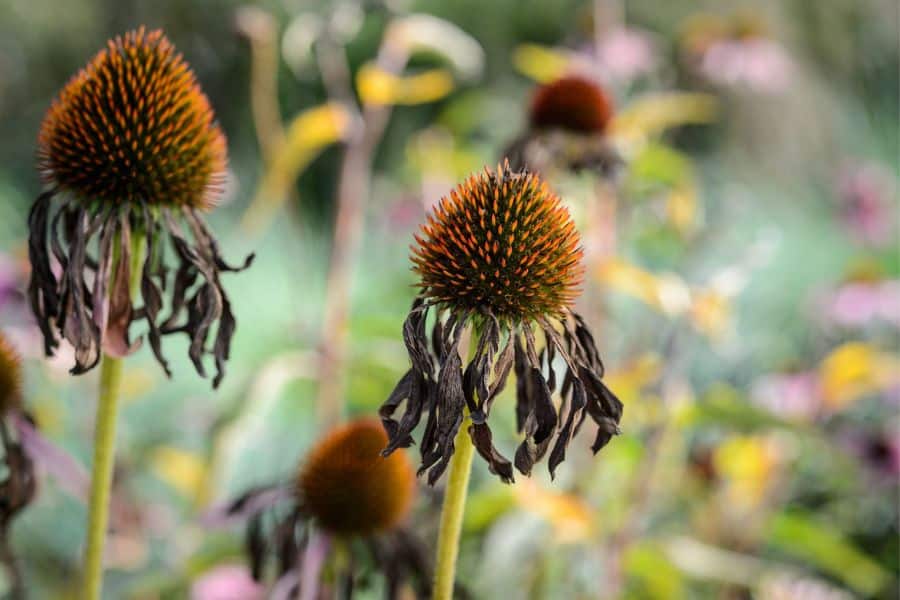
Echinacea, also called purple coneflower, is a pollinator magnet and one of the most rewarding perennials you can grow. The seed heads that stood through winter, providing food for birds, can finally come down in April.
Cut old stems back to around 1 to 2 inches above the soil once you see the new basal rosette of leaves forming at ground level. That fresh rosette is easy to spot, as it’s a cluster of low-growing leaves right at the base of the plant. Wait for it before you cut, and you’ll know the plant is ready.
Echinacea spreads slowly over the years and eventually forms impressive clumps. A clean April cut sets the whole season up beautifully.
A Quick Word on What to Do With the Debris
Before you bag everything up for the bin, most of what you’ve cut can go straight onto the compost heap. Hollow stems from plants like milkweed and hummingbird mint are worth leaving in a corner of the garden. Beneficial insects overwinter in them, and giving those creatures a safe spot costs you nothing.
If your local council collects garden waste, that’s a perfectly good option too. What you want to avoid is leaving cut material sitting around the base of plants. That’s just an invitation for slugs and disease.