
Spring is a magical time of year. It’s full of possibilities, and you can see your garden waking up before your eyes. Even the air smells different from what it did a few weeks earlier.
Here in my part of southwest France, we’ve been experiencing beautiful weather, and I’ve spent many happy hours in the garden weeding, pruning, and planting. That’s not to say we’ve seen the last of the frost, but fingers crossed.
But for all my lyrical laments, the Spring Equinox isn’t built on human emotion, but on science. It’s been driving human behavior, farming calendars, and cultural traditions for thousands of years. So what exactly is the spring equinox, and what does it mean for our gardens?
It’s All About the Sun and the Tilt
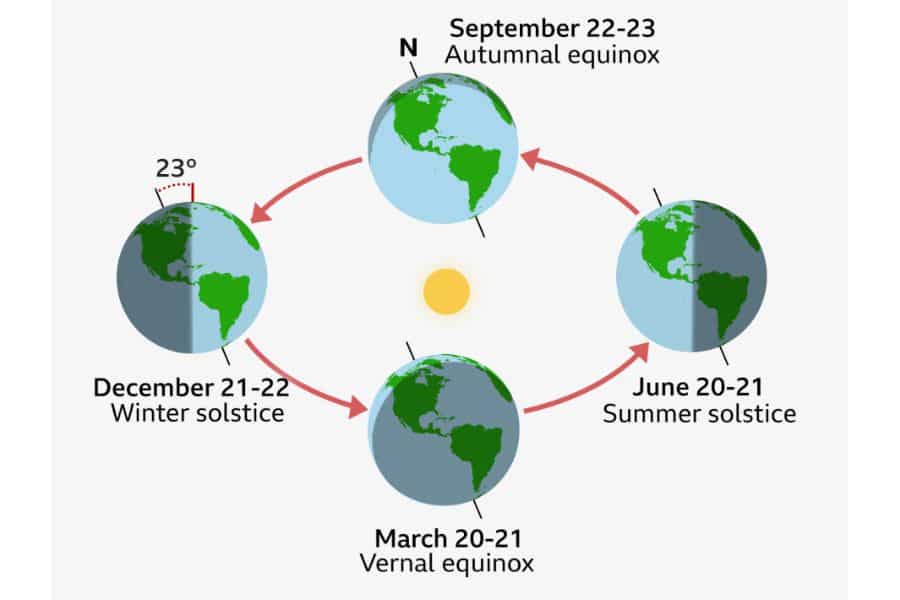
The Earth spins on an axis that’s tilted at 23.5 degrees. That tilt is the reason we have seasons at all. For half the year, the Northern Hemisphere tilts toward the sun and receives more direct sunlight. For the other half, it leans away, and things get cold and dark.
The equinox happens when neither hemisphere is tilted toward or away from the sun. The result is roughly equal amounts of daylight and darkness across the whole planet, just for a moment, before everything tips in one direction again.
In 2026, the spring equinox falls on March 20, which is today. After that, the days keep getting longer in the Northern Hemisphere right up until the summer solstice in June.
The word equinox comes from the Latin aequus, meaning equal, and nox, meaning night. Equal night. Simple enough.
Wait, Day and Night Aren’t Actually Equal on the Equinox?
Despite the name, day and night aren’t perfectly equal on the equinox. They’re close, but not quite.
Here’s why. Sunrise is counted from the moment any part of the sun appears over the horizon, not when the center crosses it. Sunset isn’t complete until the last sliver disappears. Plus, the Earth’s atmosphere bends light like a lens, so we see the sun even when it’s technically already below the horizon.
The day when day and night are truly equal is called the equilux, and it falls a few days before the spring equinox, not on it.
Does this matter for your garden? Not in the slightest. But it’s one of those small facts that I love learning about, so I thought you might too.
Your Plants Feel It Before You Do
Here’s where it gets interesting for gardeners.
Plants don’t respond to temperature alone. Many of them track the length of the dark period overnight, a process called photoperiodism. As the nights get shorter after the winter solstice, that information triggers hormones inside the plant that signal it’s time to get growing.
This is why seeds suddenly want to germinate, perennials push up through the soil, and fruit trees start budding even when the weather is still cold. The plant is reading the length of darkness and acting on what it finds.
Annual food crops are particularly sensitive to this shift. Your lettuce, spinach, and radishes don’t need you to tell them spring is here. They already know.
The Equinox as a Gardening Cue
Gardeners have used natural indicators to time their planting long before anyone had a calendar.
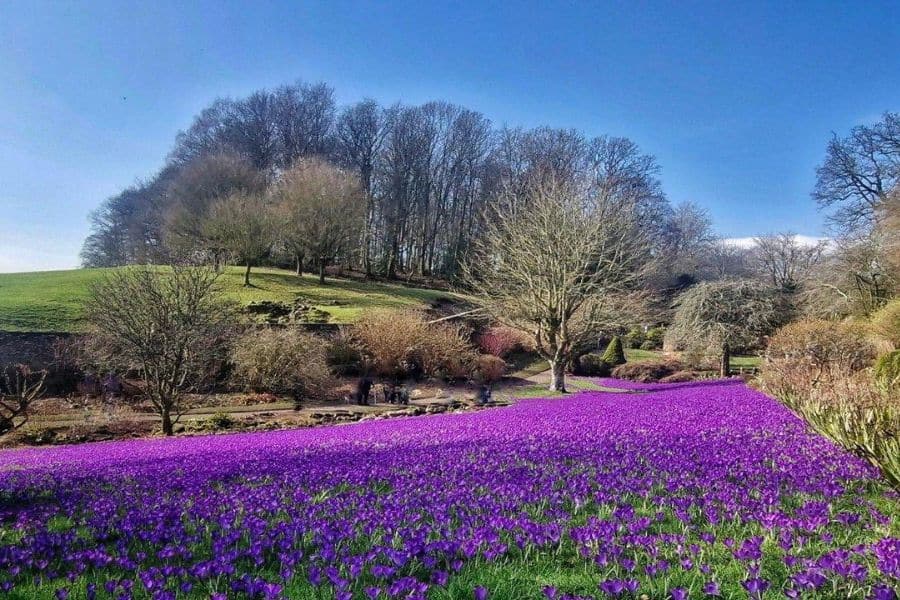
When crocuses bloom, it’s a solid signal to sow radishes, parsnips, and spinach. When daffodils appear, that’s your nudge to think about cool-season crops and get any remaining seeds ordered.
The spring equinox itself has traditionally been seen as the turning point when the soil is ready to work. Not necessarily because the last frost has passed (it definitely hasn’t everywhere), but because the light and warmth are on their way up and not coming back down.
A useful habit: on the equinox, note which trees are in blossom, how far your seedlings have grown, and where the sun sits on the horizon at sunrise. Those observations become a reference point you can compare year after year.

One More Odd Fact: The Sun Rises Due East Today
On the spring equinox, the sun rises exactly due east and sets exactly due west. It’s the only time of year when that’s true for everyone on Earth, regardless of where they live.
Ancient civilizations knew this and built around it. The Great Sphinx of Giza is believed to align with the rising sun on the equinox. The Mayan pyramid El Castillo at Chichén Itzá was constructed so that sunlight creates the visual of a serpent moving down the steps on this specific day.
Stonehenge is thought to have tracked solar events, including the equinoxes.
These weren’t accidents. People who depended on the land needed to know exactly when the seasons changed, and they built their monuments to answer that question.
If you want to check east and west in your own garden, the equinox morning is the easiest time to do it. Stand outside at sunrise, note where the sun appears, and you’ll know your garden’s true east. That kind of information helps with everything from planning where to put a new bed to figuring out which spots get the most light in summer.
The World Celebrates the Spring Equinox
You’d be hard-pressed to find a culture that didn’t mark the spring equinox in some way.
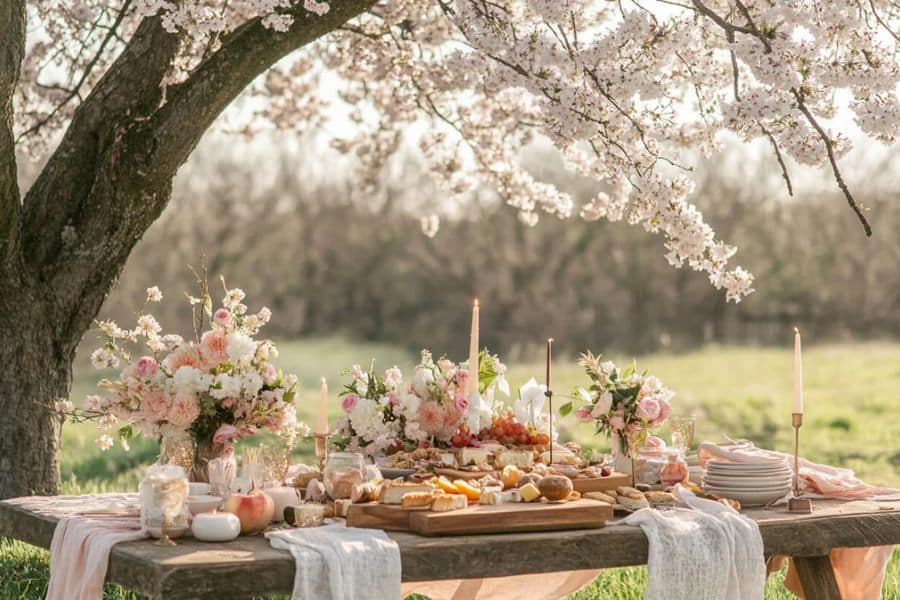
Nowruz, the Persian New Year, has been celebrated on the spring equinox for more than 3,000 years. Families mark it with a ceremonial table called the Haft-Seen, set with seven symbolic items starting with the Persian letter S, including sprouts for rebirth and apples for health. It remains one of the most widely celebrated holidays in Central Asia and the Middle East.
In Japan, the spring equinox is a national public holiday called Shunbun no Hi. It’s spent visiting family graves and holding family reunions to honor ancestors and show appreciation for nature.
The Saxon goddess Eostre, linked to fertility, dawn, and the return of spring, gave her name to both East and Easter. The pagan festival of Ostara, celebrated at the equinox, involved rituals around planting seeds and welcoming new growth. Many of those symbols, eggs and rabbits among them, were later absorbed into Christian Easter traditions. Easter’s date is still calculated based on the equinox: it falls on the first Sunday after the first full moon on or after March 21.
In Annapolis, Maryland, the local boating community marks the equinox with the Burning of the Socks. The tradition holds that no one wears socks during the warmer months, so the old ones get ceremonially burned as spring arrives. It’s ridiculous and wonderful in equal measure.

What to Do in the Garden Right Now
If you haven’t already, now is the time to start warm-season seeds indoors, particularly tomatoes and peppers, which need 8 to 10 weeks of indoor growth before the last frost. Cool-season crops like lettuce, spinach, kale, and peas can often be planted directly in the ground in mild areas, or in cold frames and polytunnels where frosts are still likely.
Perennials are waking up. Cut back any dead growth you left standing for winter wildlife, but be careful around new shoots that may already be pushing through. Top-dress beds with compost now, before growth takes off and makes it difficult.
Check your soil temperature before planting. Most seeds need soil to reach at least 50°F to germinate successfully. Get yourself a cheap soil thermometer so you’re not guessing.
And if all else fails, step outside early on the morning of the equinox and watch the sun rise exactly due east. After five months of winter, that’s worth a moment of your time.