
If you’re a newbie gardener, it can be hard to know what to plant, when to plant it, and which ones you can plant once and sit back and watch them come back year after year. It wasn’t till I moved to southwest France that I fell in love with gardening. Before that, being in the garden meant sitting, looking at someone else’s hard work while I drank a cold glass of rosé.
Oh, how things change. I’ve spent a small fortune on bedding plants over the last five years, only to watch them fade by August, and then start all over again the following spring. That was until I discovered the joy of perennials that will fill your garden with color. Plant them once, and they come back year after year, often bigger and better than before.
There’s a saying in gardening circles: “First year sleeps, second year creeps, third year leaps.” Stick with your perennials through that first quiet season, and the payoff is worth every bit of patience. Plus, they’re usually hardy plants that are hard to kill, so perfect if you’re new to gardening.
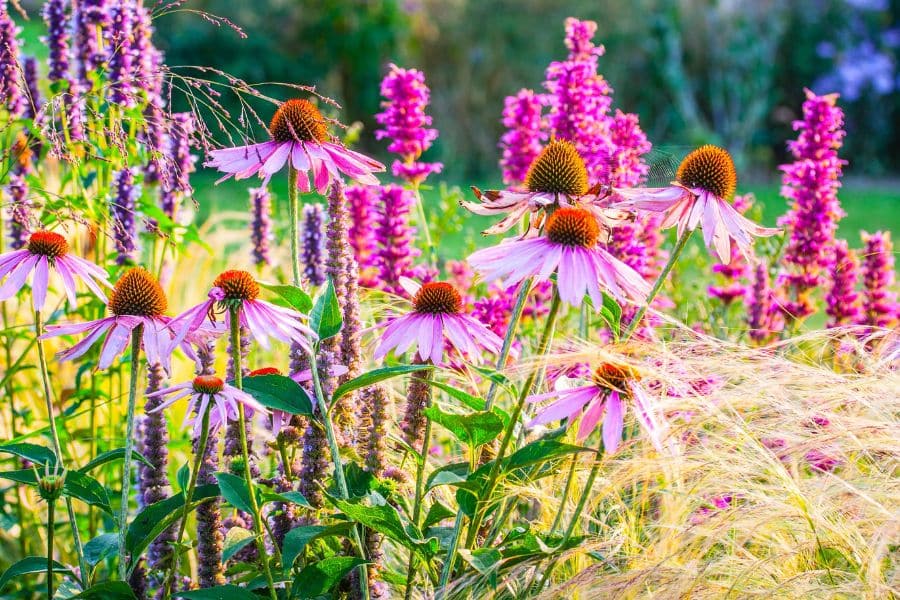
12 Perennials That Will Fill Your Garden With Color
Whether you have a sprawling yard or a small patch to work with, these nine perennial beauties will keep your garden looking colorful from spring right through to fall.
Echinacea (Coneflower)
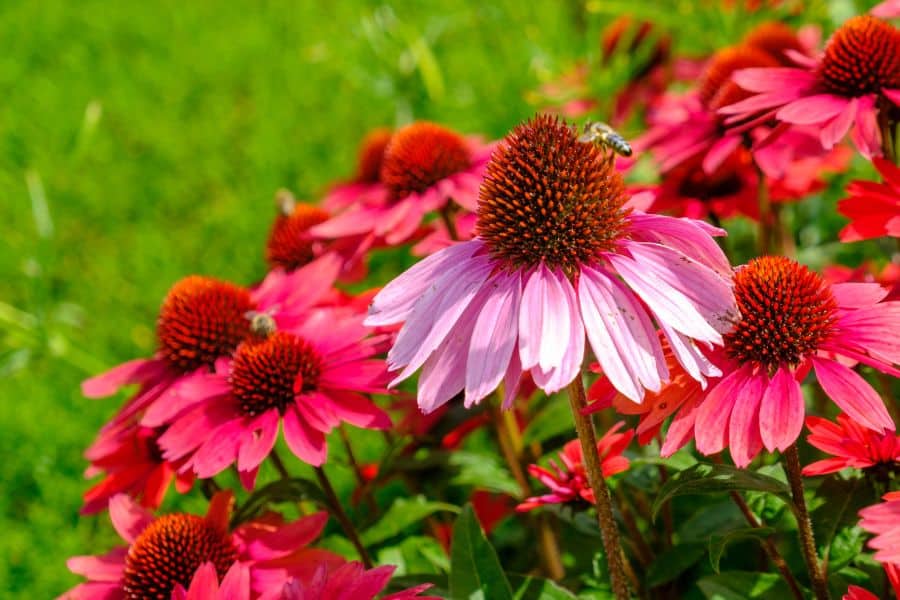
Think of coneflowers as the social butterflies of the garden. Literally. Bees, butterflies, and hummingbirds cannot get enough of them.
These daisy-like flowers bloom from midsummer to fall in shades of purple, pink, orange, yellow, and white. They reach around 2 to 4 feet tall, so they make a real statement in a border. What makes them even better is that they self-seed. Leave the seed heads standing over winter, and you might find new plants popping up in unexpected spots the following year.
They thrive in full sun and well-drained soil and, once established, handle drought without any fuss. Hardy in Zones 3 to 9.
Rudbeckia (Black-Eyed Susan)
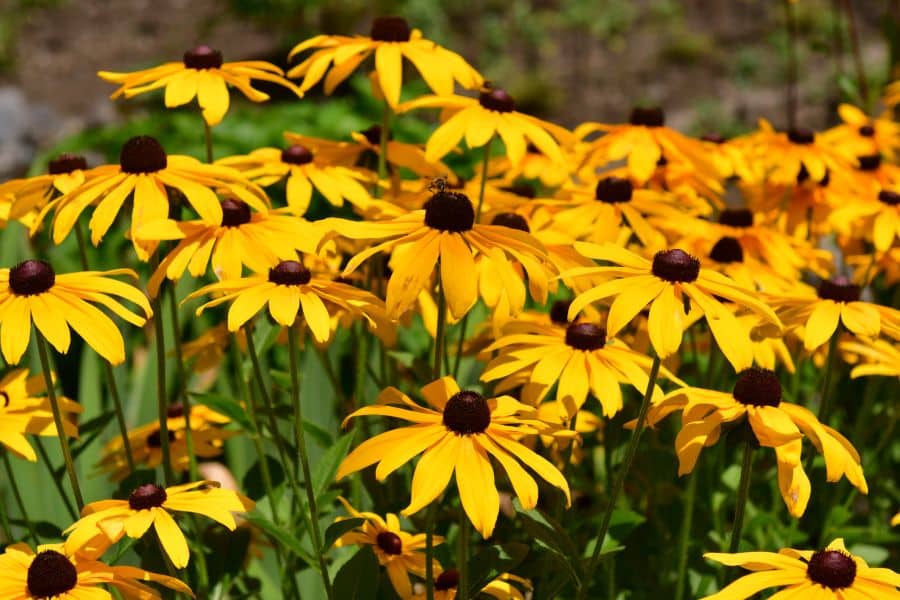
If you want cheerful, Rudbeckia delivers it in spades. Those golden yellow petals surrounding a dark center are immediately recognizable and almost impossible not to smile at.
They bloom from midsummer right through to fall, which is exactly when a lot of other plants are starting to look tired. They grow to around 2 feet tall and spread happily, making them perfect for filling gaps in a border.
Because they’re native to North America, they’re naturally tough. Drought resistant, pest resistant, and remarkably unfussy about soil.
A tip worth knowing: Rudbeckia tends to self-sow in new spots around your yard. Keep an eye out for seedlings and move them where you need color most.
Salvia (Perennial Sage)
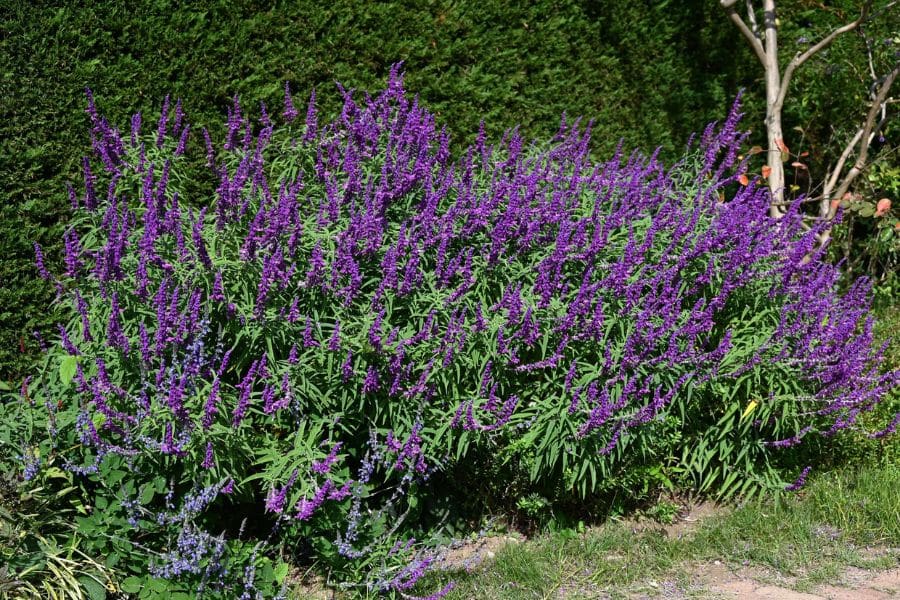
Salvia has long spikes of blue, purple, or red flowers that shoot up from late spring and, if you cut them back by a third after the first flush, they’ll put on a second show later in the summer.
They love full sun, handle dry conditions without complaint, and do a brilliant job of attracting pollinators. The foliage is aromatic too, which is a bonus if you’re brushing past them on a warm day.
For cooler climates, look for varieties like May Night or Caradonna. If you’re gardening in a warmer climate, Hot Lips is a showstopper.
Daylilies (Hemerocallis)
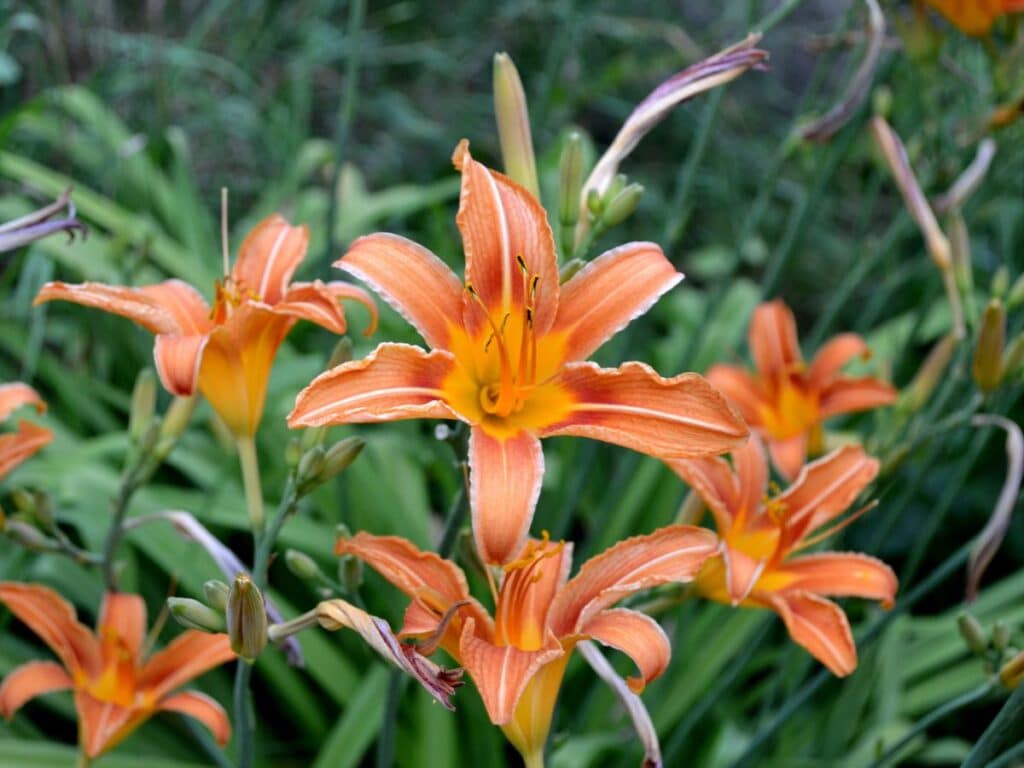
The name tells you everything. Each individual flower lasts just one day. But it’s not a problem because daylilies produce so many buds that the whole plant stays in bloom for weeks. They’re nature’s version of a relay race.
Colors range from soft pastels to deep burgundy to bright orange and yellow, so there’s something for every garden scheme. They grow in full sun or light shade, aren’t particularly fussy about soil, and multiply over time, giving you more plants to spread around without spending a penny.
Lavender (Lavandula)
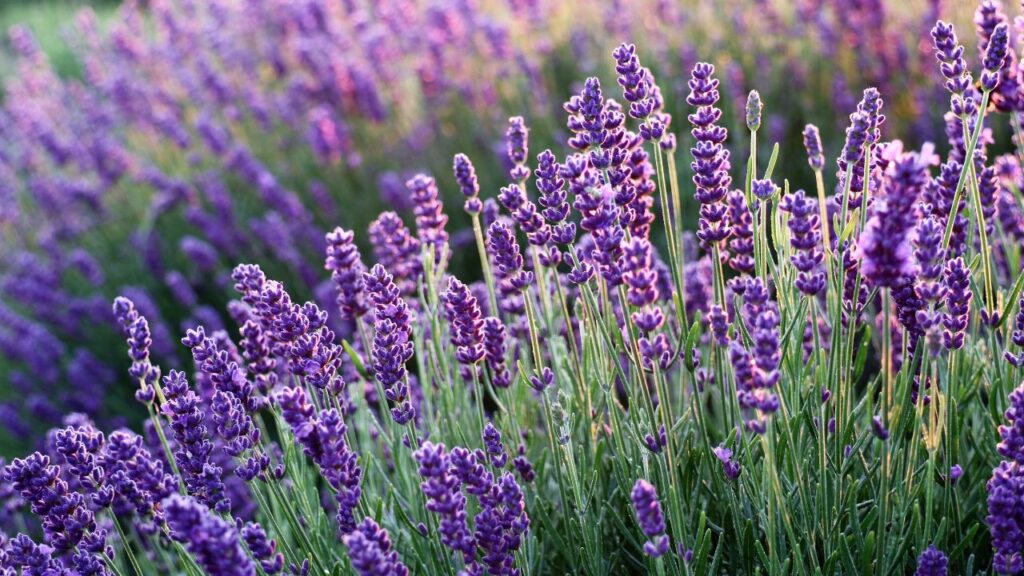
I have loads of lavender in my garden because I love the smell, especially when they’ve had the sun on them all day. That scent is hard to beat, and the silver-green foliage looks good all year round, even when it’s not in bloom.
Lavender flowers from early to midsummer in shades of purple, lilac, and white, and if you cut it back after flowering, it often produces a second flush in late summer. Bees absolutely love it.
It needs full sun and well-drained soil, and it hates sitting in wet ground over winter. If you’re in a cold climate, Hidcote and Munstead are the hardiest varieties to go for.
Coreopsis (Tickseed)
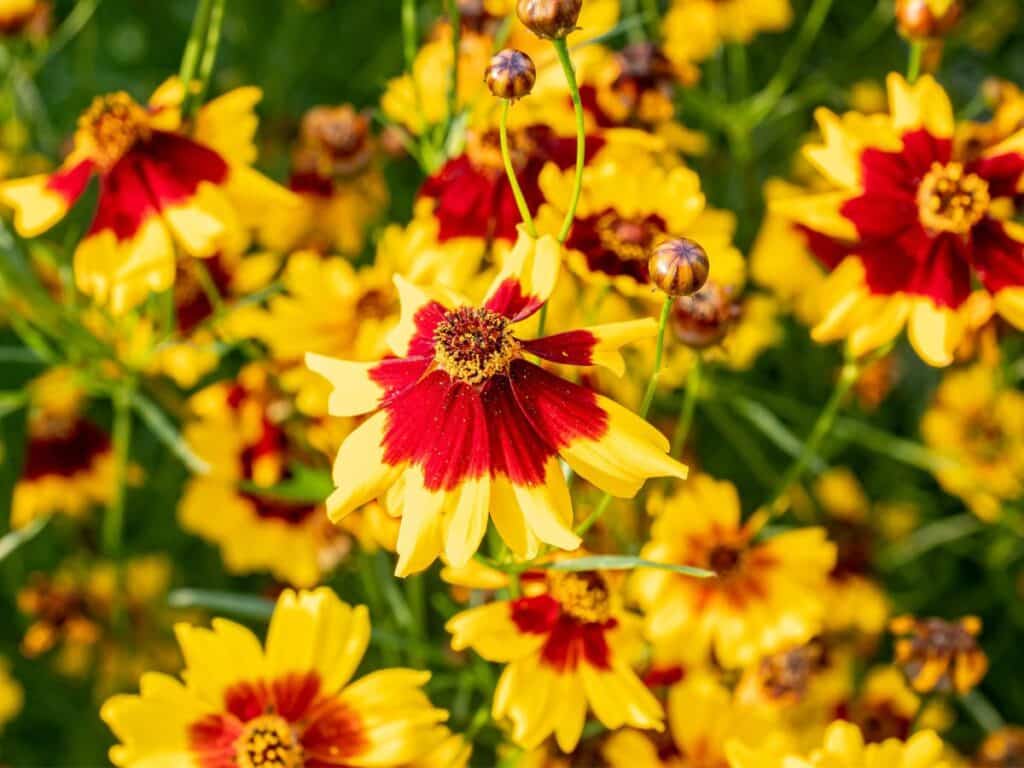
Coreopsis is one of those plants that always makes me smile. These bright, daisy-like flowers in yellow, gold, orange, and pink bloom from early summer all the way through to fall, one of the longest flowering seasons of any perennial.
They grow to around 1 to 2 feet tall and do brilliantly in full sun and well-drained soil. Once established, they’re extremely drought tolerant, making them a smart choice if you’d rather spend your summer enjoying your garden than watering it.
They’re also a magnet for pollinators throughout the season.
Garden Phlox (Phlox paniculata)
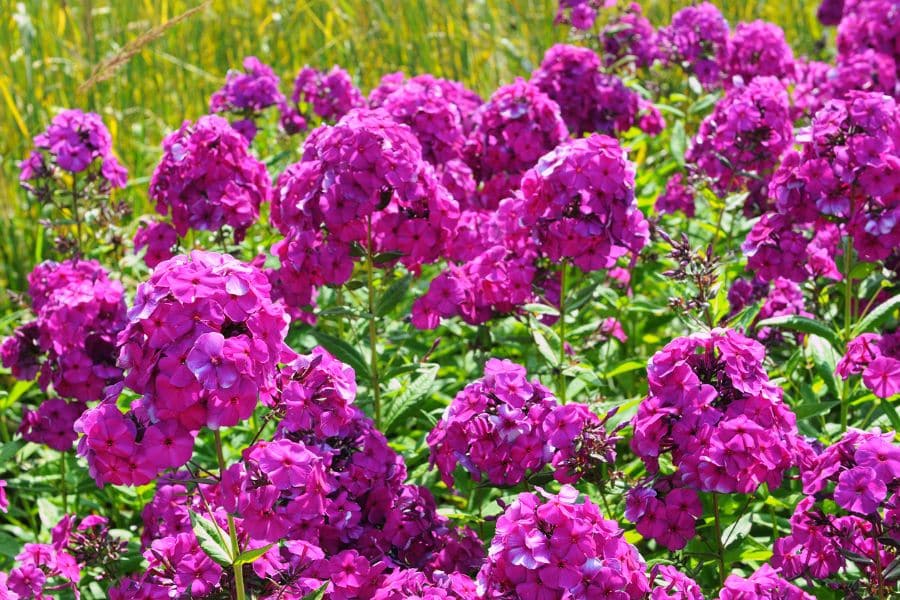
Garden phlox brings something that many perennials don’t: fragrance. Those big, fluffy clusters of flowers in pink, white, purple, and red smell wonderful on a summer evening, and they bloom from midsummer through to early fall.
They grow to around 2 to 4 feet tall, which makes them useful at the back of a border, where they add real height and drama. They prefer full sun but will tolerate a little afternoon shade, particularly in hotter climates.
One thing to know: good air circulation helps prevent powdery mildew, so give them a bit of space. Modern varieties like David (white) and Robert Poore (purple) have been bred for better mildew resistance.
Sedum (Stonecrop)
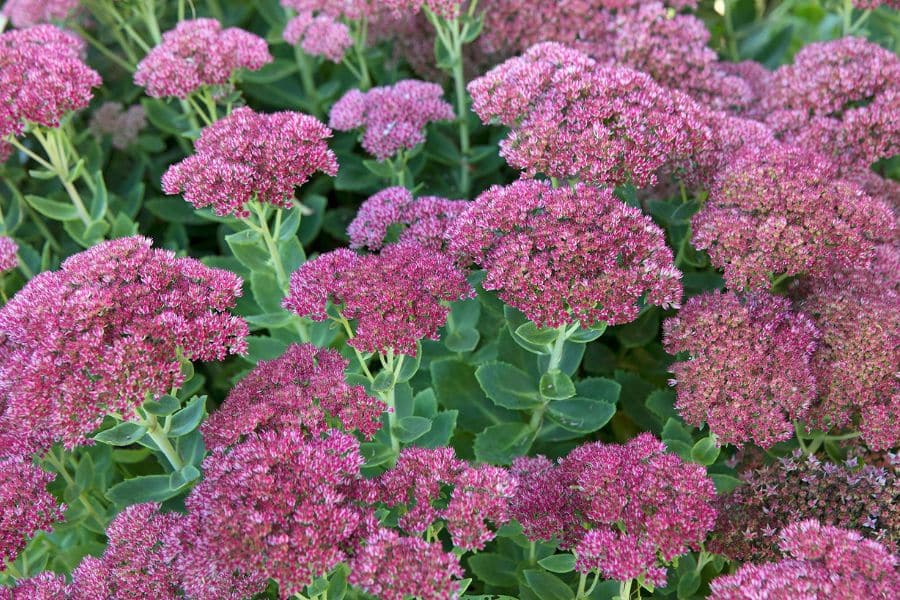
Sedum is the perennial for people who have accidentally killed other perennials. It’s almost indestructible. I say almost because there always seems to be an exception to the rule, even with the hardiest of plants.
The low-growing varieties work beautifully as ground cover, while taller types like Autumn Joy put on a proper show with large, flat-topped flower clusters that open pink and deepen to copper and bronze by fall. Those seed heads look beautiful even into winter if you leave them standing.
They thrive in full sun, love dry, well-drained soil, and couldn’t care less about drought. The flowers attract butterflies and bees right through the season.
Autumn Joy is probably the most well-known variety, and for good reason. It’s reliable, gorgeous, and earns its place in almost any garden.
Bearded Iris
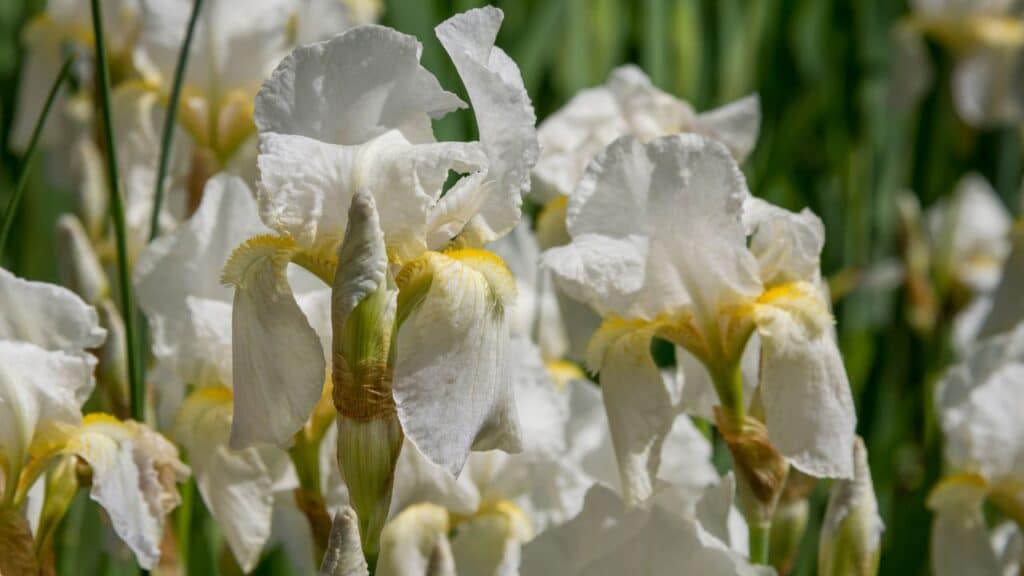
Bearded irises are the show-offs of the perennial world, and they know it. The flowers are extraordinary, ruffled and silky in almost every color you can imagine: deep purple, pale yellow, white, burnt orange, bi-colors that shouldn’t work but absolutely do.
They bloom in late spring to early summer on tall, elegant stems and make stunning cut flowers for the house. After they finish blooming, the sword-like foliage stays tidy and architectural throughout the rest of the season.
They grow from rhizomes, not bulbs, and those rhizomes need to sit near the soil surface where the sun can warm them. Plant them too deep, and they won’t flower. They want full sun and well-drained soil, and they prefer to be divided every three to four years to keep blooming well.
Plant a mix of early, mid, and late-season varieties, and you can extend the show for several weeks.
Bee Balm (Monarda)
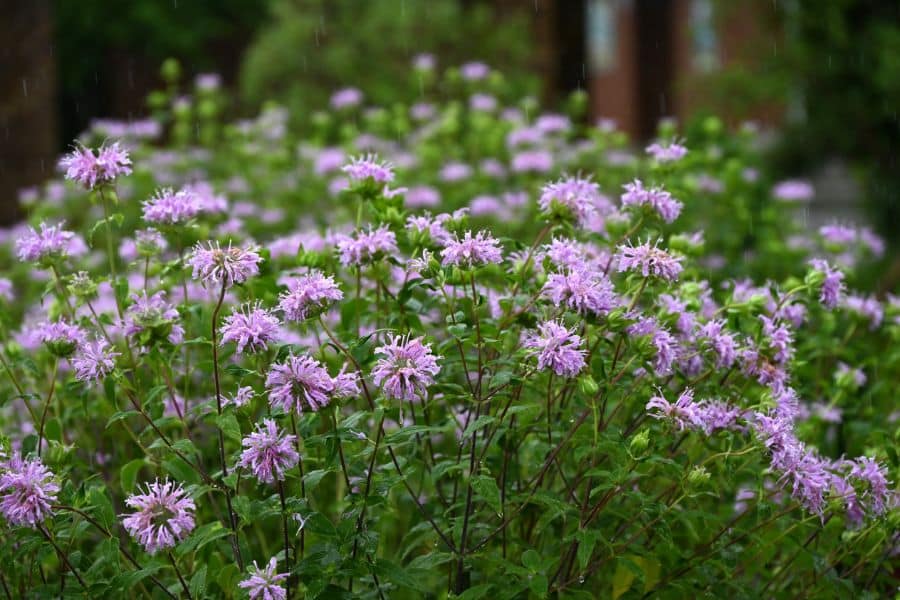
Bee balm is one of those plants that spreads through underground rhizomes, which means it fills out your border year after year without you doing much of anything.
The flowers are wild-looking and wonderful, coming in red, pink, purple, and white, and they bloom from midsummer onward. Hummingbirds go absolutely crazy for them. So do bees and butterflies, which is a good thing if you want your garden buzzing with life.
Give it a sunny spot, divide the clumps every few years when it gets too enthusiastic, and that’s about all it asks of you.
Goldenrod (Solidago)
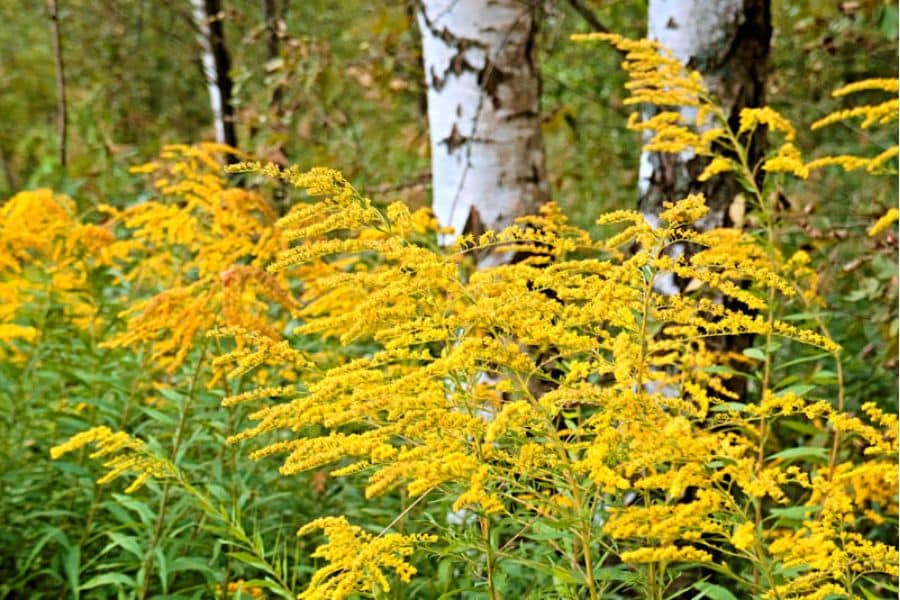
Goldenrod gets a bad reputation it doesn’t deserve. A lot of people blame it for hay fever, but the real culprit is ragweed, which blooms at the same time. Goldenrod is actually one of the most valuable plants you can have in a garden.
It blooms in late summer and fall with tall, arching plumes of bright golden yellow, right when most other plants are starting to wind down. That makes it genuinely useful for keeping color going in the garden right through to the end of the season.
It spreads through both rhizomes and self-seeding, thrives in full sun, handles poor soil without complaint, and is virtually indestructible once established. It’s also a magnet for pollinators looking for late-season nectar.
Catmint (Nepeta)

Catmint is so easy to work with, with soft gray-green foliage, long spikes of lavender-blue flowers, and a flowering season that stretches from late spring through summer with almost no effort on your part. Cut it back by about half after the first flush of flowers fades, and it will rebloom reliably.
It’s cold hardy, tolerates most soils, rarely needs fertilizing, and handles dry conditions without complaint. It also happens to be deer resistant, which is worth knowing if that’s a problem in your yard, which it is in ours, as we get a lot of deer in our region, and they have a tendency to wander into the garden.
Plant it along a path or at the front of a border where you can brush past it and release that light, minty fragrance.
Disclaimer: This article is for general information only and is not professional advice. It may contain affiliate links. Please see our full Editorial Policy for details.

Kylie Lang is a nationally syndicated travel journalist with bylines on the Associated Press Wire & more, a lifestyle writer, and the founder and editor of Your Lifestyle Library (yourlifestylelibrary.com). She holds a BA (Honours) in History from the University of Kent and is a member of the British Guild of Travel Writers.