
When you’re young, you feel invincible, like nothing can really happen to you. Your whole life stretches ahead of you, seemingly endless, and you don’t worry about things like how much longer you have to live. I mean, why would you?
It’s not until you hit your 50s and 60s that you start to give it a little thought. Hopefully not too much, as you should still have a lot of life to look forward to. But it definitely crosses your mind, I know it does mine, and I fit in that exact age bracket.
Scientists have spent decades studying what separates the people who thrive in their 60s, 70s, and beyond from those who don’t. What they’ve found is fascinating. And the best part? These are all things you can track yourself and do something about if they aren’t giving you the figures you want.
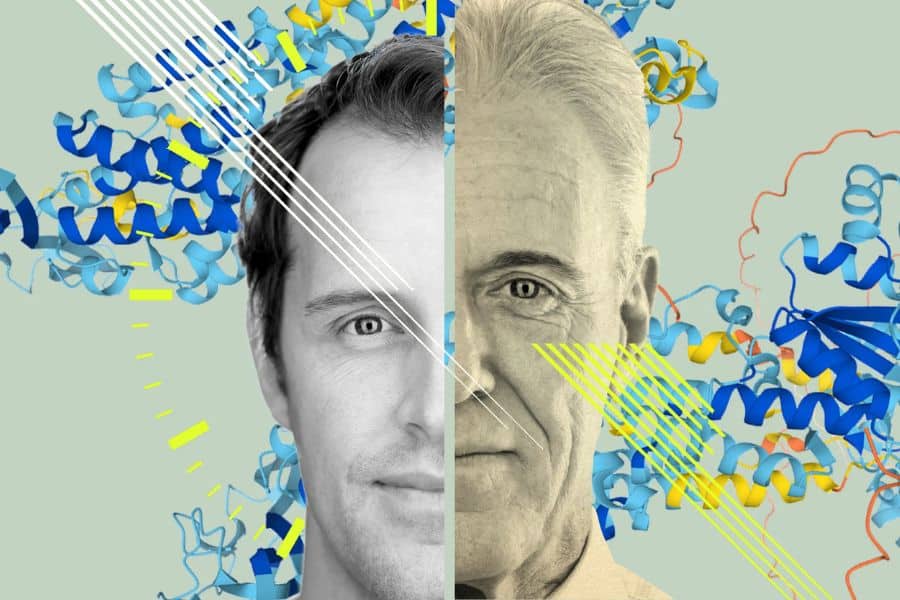
9 Scientific Indicators That Can Predict How Long You Will Live
Here are nine scientifically backed indicators of longevity and, more importantly, what you can actually do about each one, to ensure you live a long and healthy life.
So let’s see if you can work out how many extra years you need to live longer.
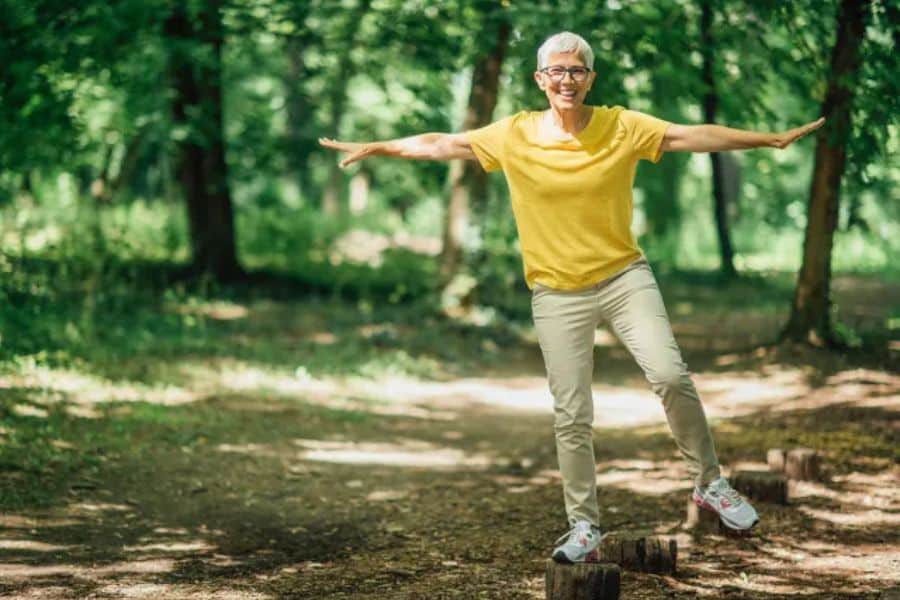
The 10-Second Balance Test
A 2022 study followed over 1,700 adults aged 51 to 75 and found that those who could not hold a single-leg balance for 10 seconds had an 84% higher risk of death from any cause over the following decade, compared to those who could.
The researchers described it as a simple, quick test that provides meaningful information about a person’s risk profile.
Why it matters
Balance is a window into your neuromuscular system, your inner ear, your proprioception, and your coordination. It also predicts fall risk, which remains one of the leading causes of serious injury and health decline in people over 60.
What to do
- Stand near a wall or sturdy chair for safety.
- Lift one foot a few inches off the ground, and time how long you can hold it with eyes open
- Work up to 10 seconds on each side.
Yoga, tai chi, and single-leg strength exercises like step-ups and single-leg deadlifts all improve balance over time.
Resting Heart Rate
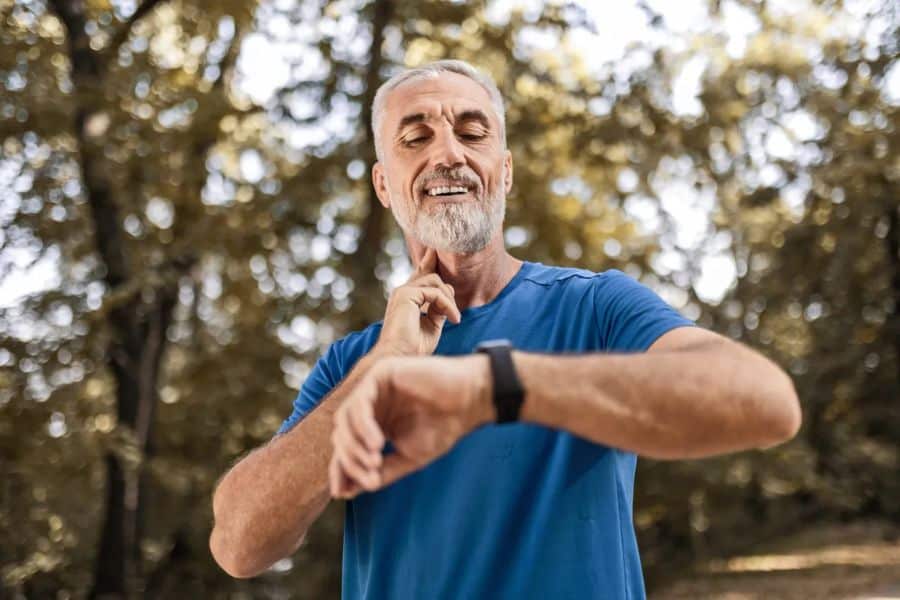
A large Norwegian study followed over 29,000 adults and found that a higher resting heart rate was independently associated with a greater risk of death, even after accounting for physical activity and other health factors.
Those with a resting heart rate above 90 beats per minute had roughly triple the cardiovascular mortality risk compared to those with a rate below 50.
Why it matters
Your resting heart rate reflects how efficiently your heart is working. A lower resting heart rate generally means the heart is strong, doesn’t have to work as hard to pump blood, and has more reserve capacity. It’s also a useful personal tracking tool: a sudden unexplained rise can be an early signal that something is off.
What to do
Regular aerobic exercise is the most effective way to lower resting heart rate over time. Aim for at least 150 minutes a week of moderate intensity activity. Stress management, good sleep, and reducing alcohol intake also contribute.
Measure yours first thing in the morning before you get up, ideally over several days to get an accurate average. A healthy resting rate for most adults sits between 60 and 80 beats per minute.
Waist to Height Ratio
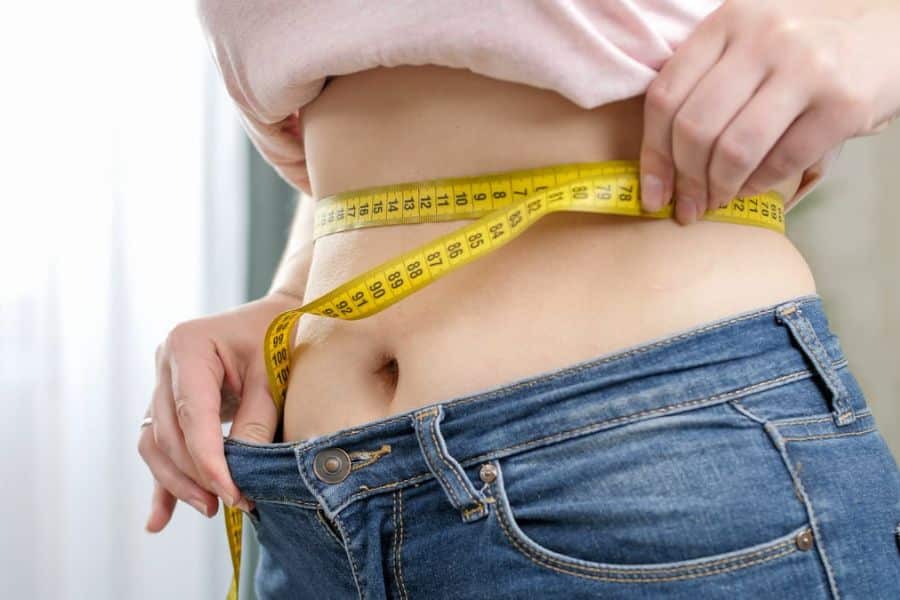
Body mass index has long been used as a health marker, but research increasingly suggests it misses something important: where fat is stored. A meta-analysis covering over 300,000 adults found that waist-to-height ratio was a better predictor of cardiovascular disease, diabetes, and mortality than BMI alone.
The researchers proposed a simple rule: keep your waist circumference below half your height.
Why it matters
Excess fat carried around the abdomen, particularly visceral fat that wraps around the organs, is metabolically active in ways that subcutaneous fat is not. It produces inflammatory compounds, disrupts insulin signaling, and strains the cardiovascular system.
What to do
Measure your waist at the midpoint between your lowest rib and the top of your hip bone, then divide by your height, both in the same unit. The target is a ratio below 0.5.
Reducing refined carbohydrates, increasing protein, managing stress, prioritizing sleep, and regular exercise, particularly strength training combined with cardio, are all proven to reduce abdominal fat.
Leg Power
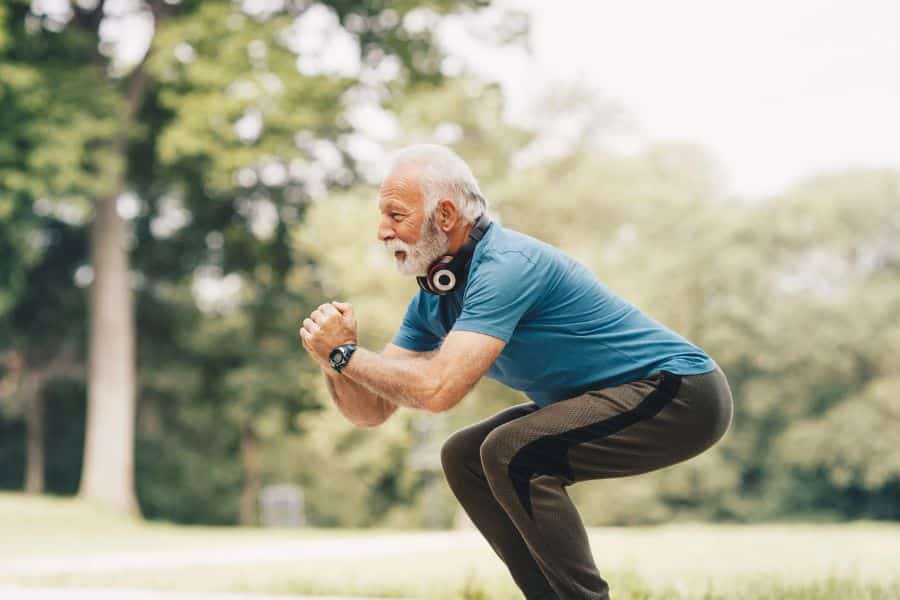
A study followed nearly 200 pairs of female twins over a decade and found that leg power at midlife was one of the strongest predictors of cognitive function and overall health ten years later.
Stronger-legged twins consistently outperformed their weaker counterparts on measures of memory, processing speed, and biological aging.
Why it matters
Leg muscles are the largest in the body. They play a major role in metabolism, circulation, and hormone regulation. Loss of lower-body strength, a process called sarcopenia, accelerates significantly after 60 if it isn’t actively countered.
It’s also closely linked to fall risk, loss of independence, and all-cause mortality.
What to do
Squats, lunges, step-ups, and leg presses are all effective. So is simply walking on inclines or taking stairs consistently. Aim to train your lower body at least twice a week with enough resistance to challenge the muscles.
Getting enough protein, around 1.2 to 1.6 grams per kilogram of body weight daily, supports muscle maintenance and growth.
Walking Speed
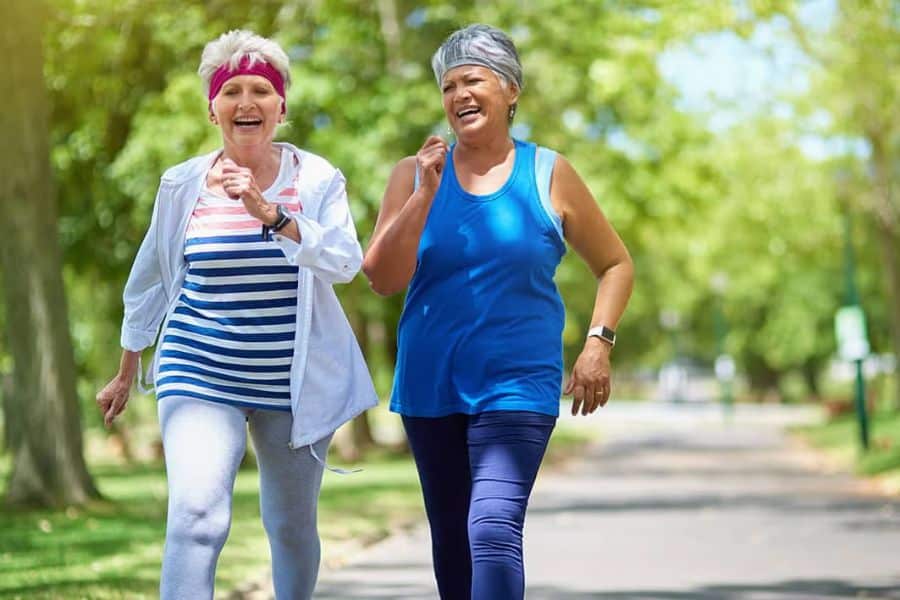
A landmark meta-analysis, pooling data from 9 studies and over 34,000 older adults, found that walking speed was a strong and consistent predictor of survival. At age 75, predicted 10-year survival ranged from 19% to 87% in men and 35% to 91% in women, depending on gait speed alone.
Researchers have since called walking speed the “sixth vital sign” because it reflects the combined health of your cardiovascular, respiratory, nervous, and musculoskeletal systems in one simple measurement.
Why it matters
A slowing gait signals that multiple systems are under strain. It’s also closely linked to cognitive decline, increased risk of falls, and loss of independence.
What to do
Time yourself walking 6 meters (about 20 feet) at your usual pace. A speed above 1.0 meters per second suggests healthier aging. To improve it, focus on cardiovascular fitness, lower body strength, and balance. Brisk daily walks, even short ones, have measurable benefits over time.
Sense of Smell
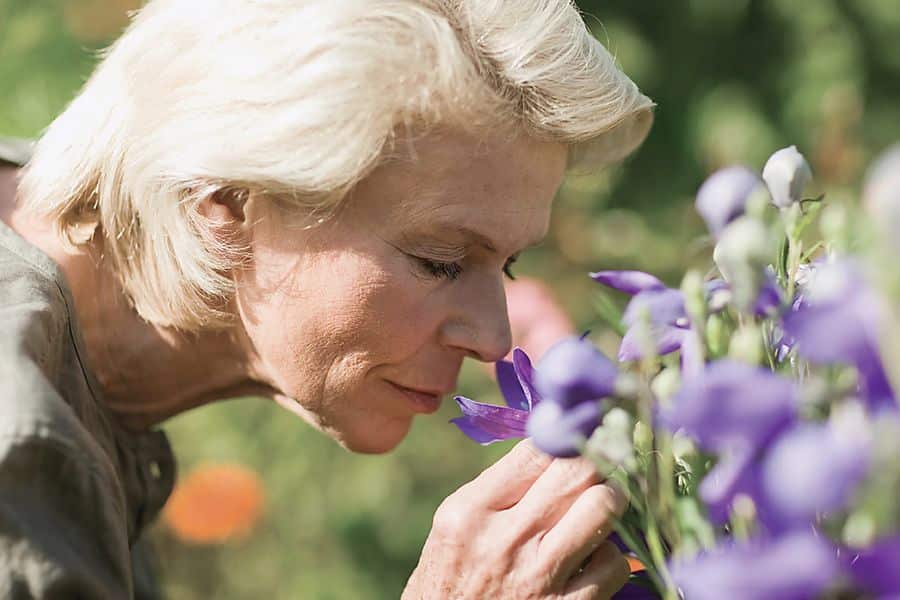
A study followed over 3,000 adults aged 57 to 85 and found that those with a poor sense of smell were significantly more likely to die within five years than those with a normal sense of smell.
The association was stronger than many established health markers, including heart failure, lung disease, and cancer.
Why it matters
The olfactory system is directly connected to the brain’s memory and emotional centers and shares neural pathways with regions involved in immune function.
A declining sense of smell can signal neurological changes, including early-stage Parkinson’s disease and Alzheimer’s disease, before other symptoms appear. It can also reflect overall physiological resilience.
What to do
If you’ve noticed your sense of smell has declined, mention it to your doctor. It’s worth investigating rather than dismissing. Smell training, which involves regularly sniffing four distinct scents such as rose, lemon, clove, and eucalyptus, has shown promise in research for stimulating regeneration of the olfactory nerves.
Avoiding smoking and managing nasal inflammation also helps preserve olfactory function.
Push-Up Capacity
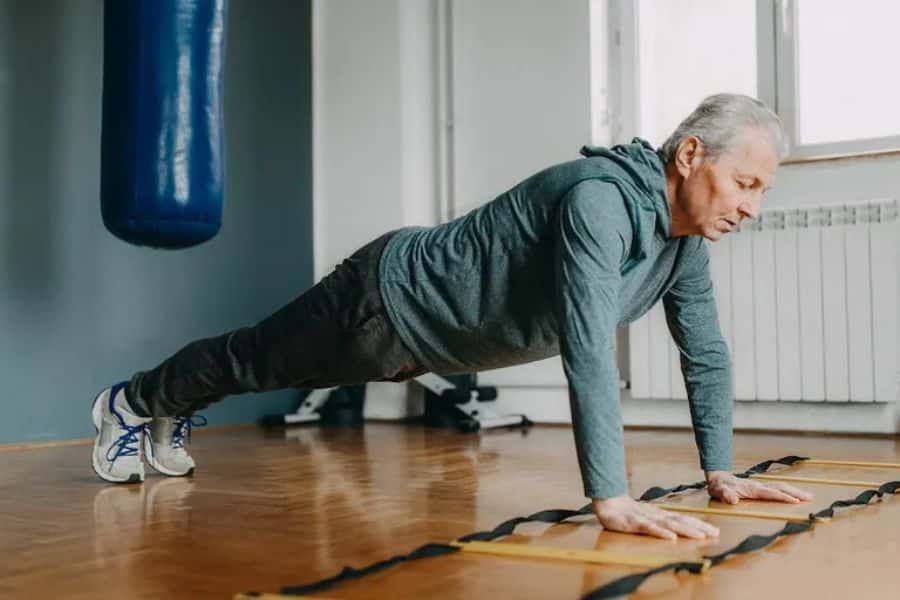
A study followed over 1,100 male firefighters for a decade and found that those who could complete more than 40 push-ups had a 96% lower risk of cardiovascular events compared to those who could complete fewer than 10.
While the study focused on men, the underlying mechanism, upper body muscular endurance as a proxy for cardiovascular fitness and functional strength, applies broadly.
Why it matters
Push-up capacity tests multiple things at once: chest, shoulder, and arm strength, core stability, and the endurance of your cardiovascular system under sustained effort. It’s a functional measure that reflects how well your body handles real physical demands.
What to do
Start where you are. Wall push-ups or incline push-ups on a sturdy surface are an excellent entry point if floor push-ups feel out of reach right now. Work on consistency rather than volume.
Two or three sessions a week, building gradually over months, will produce real gains. Pair upper body training with adequate protein intake to support muscle development.
Purpose in Life
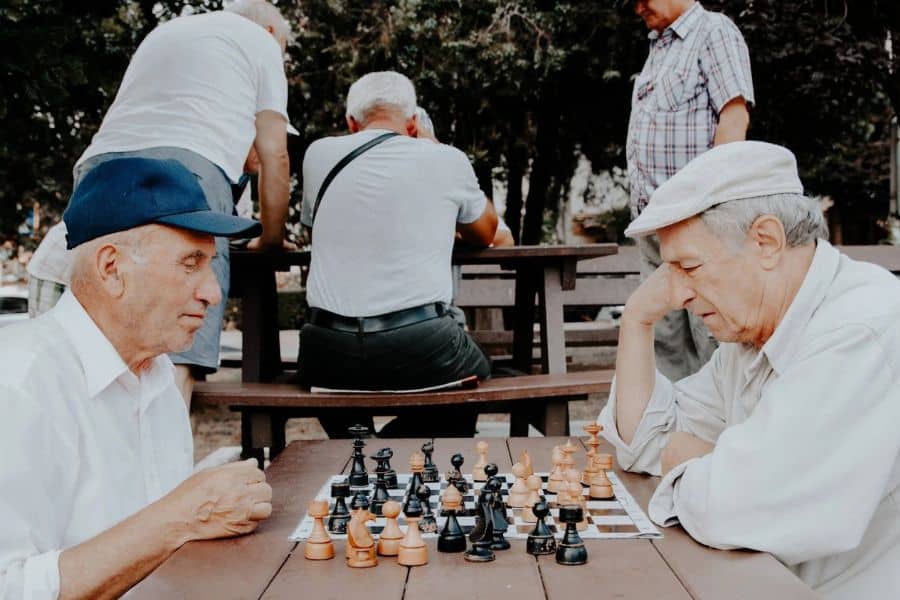
A study followed over 6,000 adults for 14 years and found that those with a stronger sense of purpose lived significantly longer than those who felt their lives lacked direction. The effect held regardless of age, retirement status, or health at the start of the study.
Why it matters
Purpose appears to influence survival through multiple pathways. People with a strong sense of direction tend to sleep better, exercise more consistently, maintain healthier habits, and recover from illness more effectively. It also appears to buffer against the damaging effects of chronic stress.
What to do
Volunteering, mentoring, learning something new, creating something, or deepening relationships can all provide a sense of purpose. If you’re not sure what yours is right now, that’s ok. Talking to a therapist or life coach can help you reconnect with what really matters to you.
Social Connection
What the research says
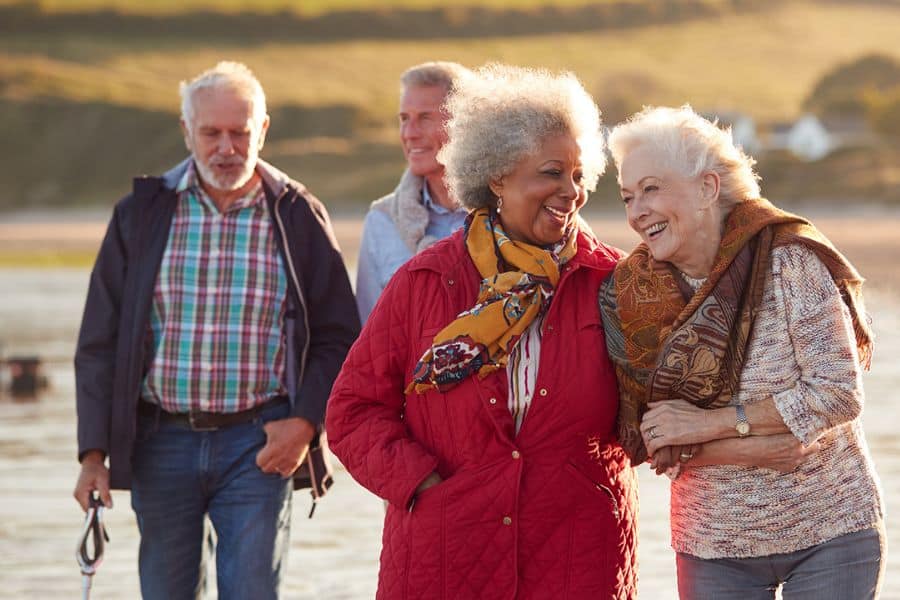
Loneliness is now classified as a serious public health concern. A major meta-analysis, drawing on 148 studies and over 308,000 participants, found that strong social relationships were associated with a 50% higher likelihood of survival.
The researchers concluded that the effect of social isolation on mortality is comparable to smoking 15 cigarettes a day.
Why it matters
Social connection reduces cortisol levels, supports immune function, and appears to protect the brain against cognitive decline. It also keeps people accountable and motivated to take care of themselves.
What to do
Quality matters more than quantity. Regular, meaningful contact with a few close people is more protective than a large but shallow social network. If isolation has crept in, which it often does post-retirement, consider joining a class, a club, a walking group, or a volunteer organization.
Even regular phone calls with people you care about make a difference.
Disclaimer: This article is for informational purposes only and is not a substitute for professional medical advice. Please consult your healthcare provider before making changes to your exercise routine or if you have concerns about any of the health indicators discussed.