
Take it from someone who has moved countless times and sold several houses, including the big one over to France. There is an art to preparing your home for sale. But it’s one that’s easy to learn, and the value it adds is huge.
Not everyone can see past clutter, wallpaper they don’t like, color schemes that aren’t to their taste, or carpets when they’d prefer wooden floors.
As an ex-event designer, staging homes is right up my street. The same tricks apply to your house as they do to a ballroom you’re trying to dress. Even the ugliest of ballrooms can be turned into a swan with a few simple touches, if you know what to do and what to look for.
A buyer walking through your front door is no different from a guest walking into a function. They decide how they feel in the first few seconds, long before they’ve read a single detail.
It’s tempting to want to overhaul your entire home when you put it up for sale. Don’t. There are some rooms that are non-negotiable, and others you really don’t need to bother with. Knowing the difference is what saves you money and earns you more.
Why Staging Pays You Back Twice Over
Staging a home is one of the few things you can spend money on before a sale and expect to get back with interest. The National Association of Realtors found that most sellers’ agents believe staging raises the offer, some by as much as 6 to 10 percent, and 83 percent said it helped buyers picture the place as their own home.
And that’s what you have to remember. You’re not decorating for yourself, but helping a stranger imagine their life in your walls. I had the same lesson to learn with events. It wasn’t about what I liked; it was what my client wanted.
So what do those figures look like in house price terms? Well, say you’ve got a $600,000 home, and you spend $2,000 getting it ready. A modest 5 percent lift on the sale price is an extra $30,000 in your pocket. That’s a decent return on your investment.
Then there’s time. Staged homes sell quicker, spending anywhere from 33 to 73 percent less time on the market. A fast sale isn’t just satisfying. It means fewer viewings to tidy up for, and a lot less stress on the whole family.
Now picture the other version. The house that sits. Week after week, no offers, until eventually you cave and drop the price. That first reduction on an unstaged home is usually $5,000 to $10,000, and it stings far more than any staging invoice ever would.
And if you just don’t feel confident in doing it yourself, the average professional staging job costs somewhere around $1,500, though you can do a huge amount yourself for a fraction of that.
The Rooms That Actually Matter
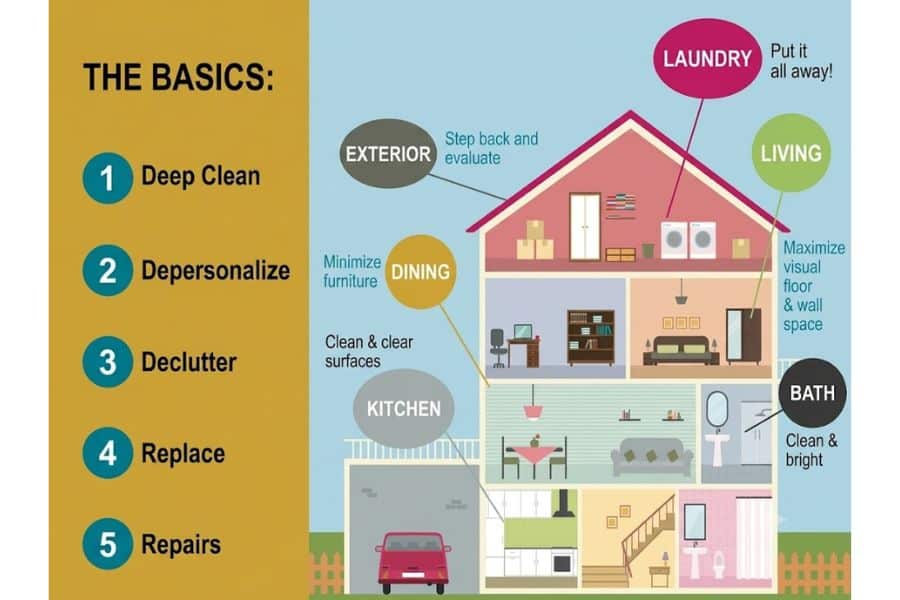
Not every room needs a makeover, and the proof is in the reports we see from the real estate agents. There are three rooms that need your attention.
The Living Room
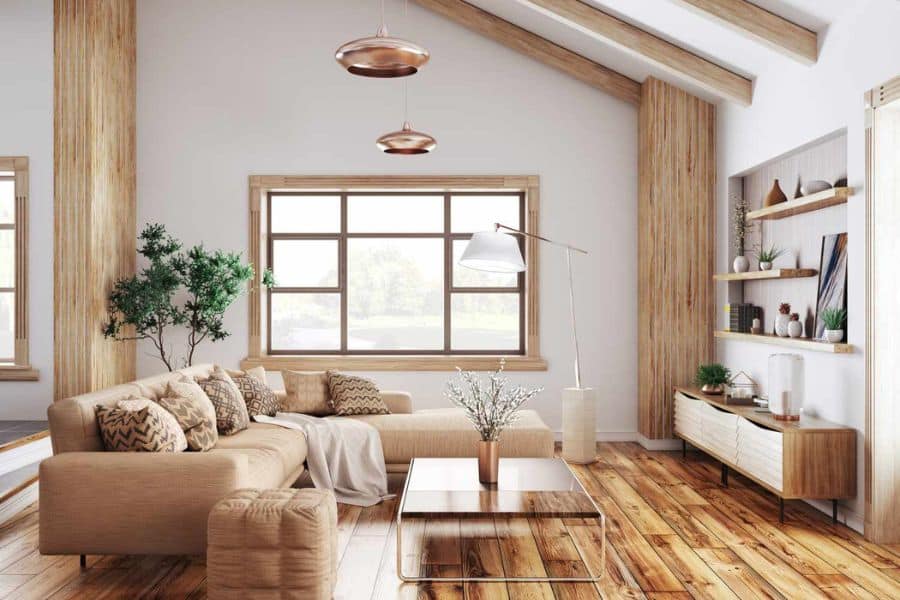
This is the anchor, and it’s the one buyers rank most important. The single biggest mistake I see is too much furniture. A room crammed with a big sofa, two armchairs, a coffee table, a side table, and a bookcase reads as small and busy, even when it isn’t.
Take half of it out, and I mean it, half. Put the excess in storage or the garage. A room with room to breathe always looks bigger than the same room stuffed full.
Pull the remaining furniture in slightly to make a cozy, obvious seating arrangement. Clear the surfaces so the clutter is gone.
If you have a small room, consider investing in a decent-sized mirror, as it reflects light, making a room instantly look and feel bigger than it actually is.
The Kitchen
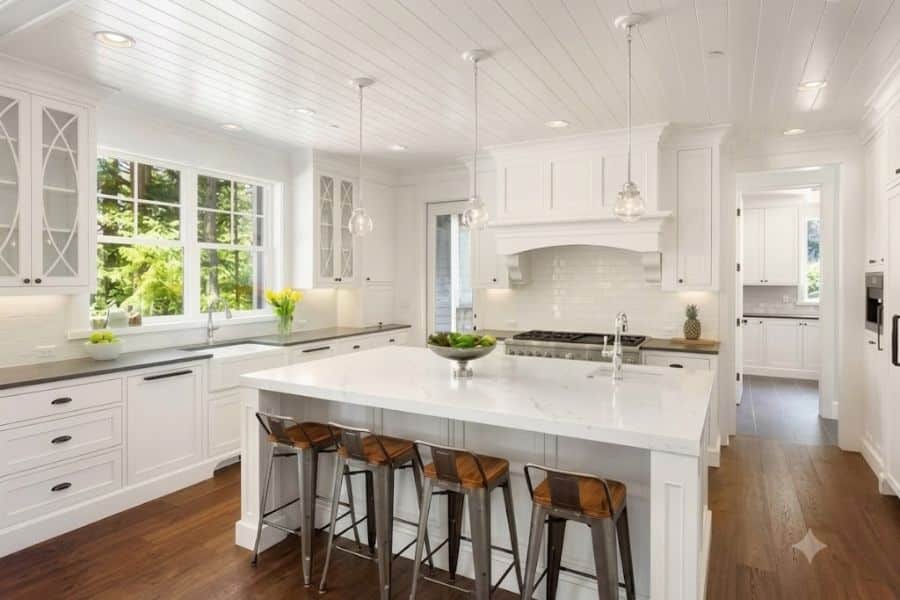
The kitchen sells the house, as the old saying goes, and it’s true. We all know it’s the heart of the home. But you don’t need a new one to make an impression. What you need is bare countertops.
Clear everything off: the toaster, the kettle, the block of knives, the pile of post you’ve been meaning to sort. Leave one attractive thing out, a bowl of lemons or a single plant, and nothing else.
Cluttered counters whisper to a buyer that there isn’t enough storage, and that’s the last thing you want them thinking.
Give the cabinet fronts a proper wipe, and if the handles are tired and dated, new ones cost very little and make an old kitchen look ten years younger.
The Primary Bedroom
People want the main bedroom to feel like a retreat, a place to escape to at the end of the day. Strip out anything that breaks that spell. The exercise bike doubling as a clothes horse, the spare chest of drawers, the box of paperwork in the corner. All of it, gone.
Then dress the bed properly. Crisp, plain bedding in a calm neutral color does more for a bedroom than anything else you can buy, and a fresh set costs almost nothing. Don’t inflict your color scheme on your buyers. Allow them to see their own bedding in there.
Hotels have this down to a fine art. There’s a reason they use white bedding.
The Rooms To Leave Well Alone
Some rooms simply aren’t worth the effort or the money. Spare bedrooms, guest bathrooms, the basement, the garage, the utility room. These need to be clean and tidy, and that’s it. Nobody is deciding to buy a house because the second spare room has lovely cushions.
Give them a good clean, clear the clutter, open the curtains, and move on. Pouring your budget into a room the buyer barely glances at is money you’ll never see again.
The one job worth doing everywhere, even in the rooms you’re otherwise skipping, is a coat of neutral paint if the walls are marked or a bold color. It’s cheap, and it wipes years and other people’s taste off a room in an afternoon.
The Hacks Worth Knowing
As with most things, there are always some simple and easy hacks you can use that make a big difference.
Declutter ruthlessly
I cannot stress this one enough. Before anything else, take out everything you don’t need on show. A house should look lived in, not full. If you’re moving anyway, start packing early. Box up the ornaments, the extra books, the surplus everything. An emptier house photographs better and sells faster.
Depersonalize
Take down the family photos, the children’s certificates, and the fridge magnets from every holiday you’ve ever had. A buyer needs to imagine themselves living there, and it’s very hard to do that while your wedding photo and your kids’ school photos are hanging on every wall.
Let the light in
Open every curtain and blind. Clean the windows inside and out; it makes a bigger difference than you’d believe. Swap any harsh, cold bulbs for warm white ones. Cold, blue-white light makes a room feel like a dentist’s waiting room. Warm light makes it feel like home.
Use mirrors
A well-placed mirror bounces light around and makes a small or dark room feel twice the size. It’s the oldest trick in the book and the one I mentioned earlier, because it works.
Mind the smell
We’ve all heard the tips about baking cookies or bread before people come to view your home. Well, you don’t need to go that far, unless you want to, of course.
The problem is that we all tend to go nose-blind to our own homes, so you really can’t tell what yours smells like. The worst offenders are the pets that live in your home. We don’t smell our wonderful pooches or the cat litter tray, but other people walking into your house for the first time do.
Air it out properly before every viewing. Skip the overpowering plug-ins; they make people wonder what you’re trying to cover up. Fresh air and maybe some coffee on is plenty.
Don’t Forget the Front Door
First impressions start at the curb, not the hallway. If the outside looks unloved, the buyer has already made up their mind by the time they reach the doorbell.
You don’t need to relandscape. A tidy path, a swept step, a clean front door, and a couple of pots of hardy, low-maintenance plants will do it.
A fresh coat of paint on the front door is one of the highest-return jobs going for the money. If you want the entrance to really work, a few budget-friendly touches around the porch make the whole place feel cared for before anyone’s even stepped inside.
What Buyers Want To See in 2026
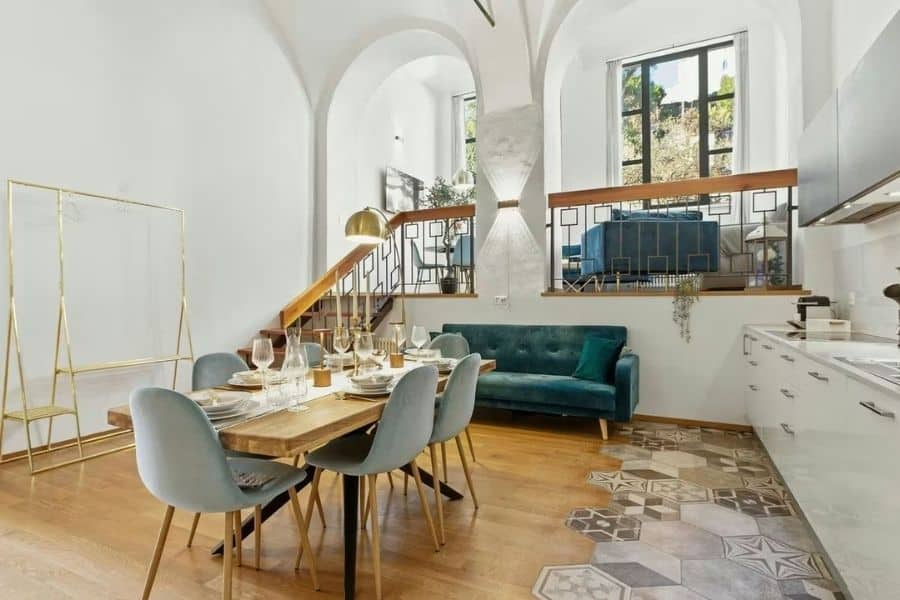
Tastes have shifted, and if you stage a house the way everyone did ten years ago, you’ll get it wrong. The cold grey everything of the 2010s is done. Grey walls, grey sofa, grey gravel out front. Buyers walking through in 2026 want warmth, and they can feel the difference the moment they step inside.
The palette to reach for is soft and warm. Creams, oatmeal, greige, a touch of olive or muted blue. These shades photograph beautifully, and that matters more than ever, because most buyers have seen your house on a screen long before they see your front door.
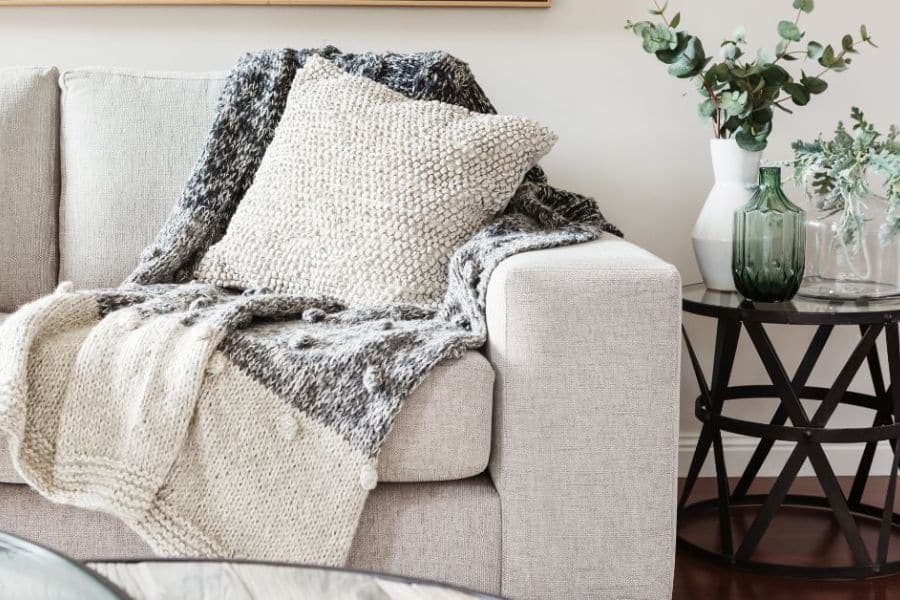
Texture is the other big one. Natural materials, a bit of wood, some linen, a woven basket or two. It’s the difference between a room that looks staged and one that feels like somewhere you’d want to curl up. Warm, soft lighting does the same job. Harsh and bright reads as clinical.
And buyers want rooms that work. A little home office nook, a reading corner, a clear spot for something. It all helps a buyer picture how they’d actually live there. The trend is softened minimalism, but it really just means calm and tidy without being cold. Uncluttered, but with a bit of soul.
Virtual Staging or the Real Thing?
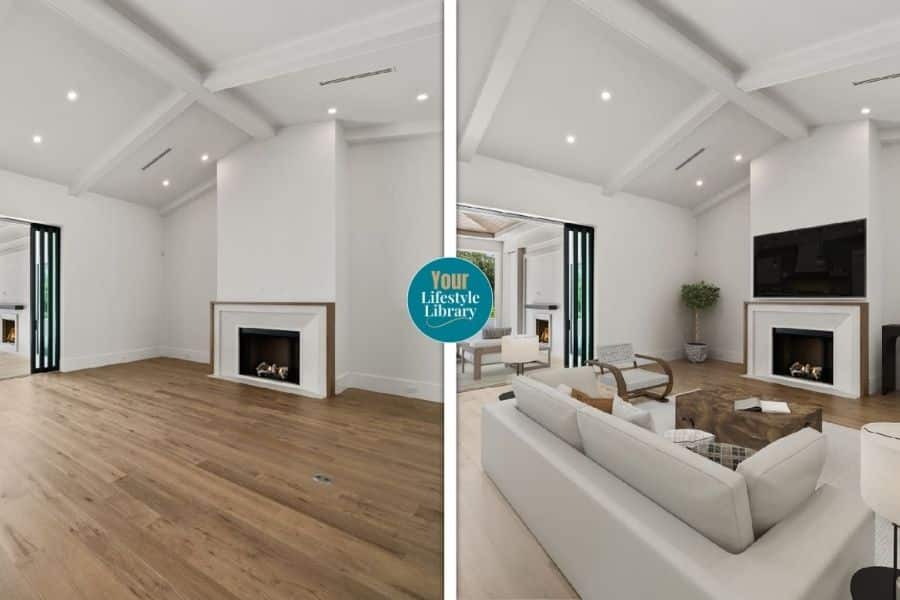
How many times have you seen those apps advertised that, at the click of a button, redecorate a room in your home just by uploading a photo? Well, that is now an option for when you’re selling your home.
Physical staging is the traditional way, with real furniture brought in and arranged. It works on all the senses, because a buyer can sit on the sofa and feel the room. It’s still the gold standard for higher-end homes, and most buyers’ agents reckon it does the best job of helping people picture living there. The catch is the cost.
Enter virtual staging. You send off photos of your empty rooms, and they come back furnished digitally, usually for somewhere between $20 and $70 a picture. It’s fast, often turned around in a day, and it’s a fraction of the price. For an empty house, or one you’ve already moved out of, it’s brilliant for making the online listing pop.
But, and this is the big but, tread carefully with it. If your photos show a cozy, furnished lounge and the buyer walks in to bare floorboards and echoey rooms, that gap can do more harm than good. Nobody likes feeling they’ve been sold a version that doesn’t exist.
My advice is to use virtual staging to draw people in, but never let it promise something the real house can’t deliver. For many sellers, the sweet spot is a bit of both. Real furniture in the rooms that matter, and virtual for the empties.
Spend Where It Pays, Save Where It Doesn’t
The whole point of staging is that it’s an investment, not a spending spree. So be a bit frugal about where the money actually goes. Put your effort and your cash into the living room, the kitchen, the main bedroom, and the front of the house. Keep everything else clean and neutral. Do most of it yourself.
Get that balance right, and you really can turn a modest outlay into a bigger sale price and a quicker one at that. Even the ugliest ballroom can be a swan. Your house can too.
Disclaimer: The content in this article is for informational purposes only and is not intended as financial, investment, or tax advice. Always consult a qualified financial advisor or tax professional before making decisions about your money, investments, or retirement planning.

Kylie Lang is a nationally syndicated travel journalist with bylines on the Associated Press Wire & more, a lifestyle writer, and the founder and editor of Your Lifestyle Library (yourlifestylelibrary.com). She holds a BA (Honours) in History from the University of Kent and is a member of the British Guild of Travel Writers.