
You’re retired and now have the time to go traveling, but what about the funds? How do you get to visit all the places you’d love to go without spending a fortune and draining your retirement fund?
You start creating your travel bucket list. A week in Tuscany. A month exploring New Zealand. A few weeks in the south of France. And then you start jotting down the costs. That’s where the dream starts to look expensive.
By the time you’ve paid for flights, accommodation in a half-decent hotel or holiday cottage, rented a car, and then set aside money for enjoying your vacation, it’s all adding up a bit too quickly. But there is another way. One that means you don’t have to pay for any accommodation, and you get to see the world on a budget.
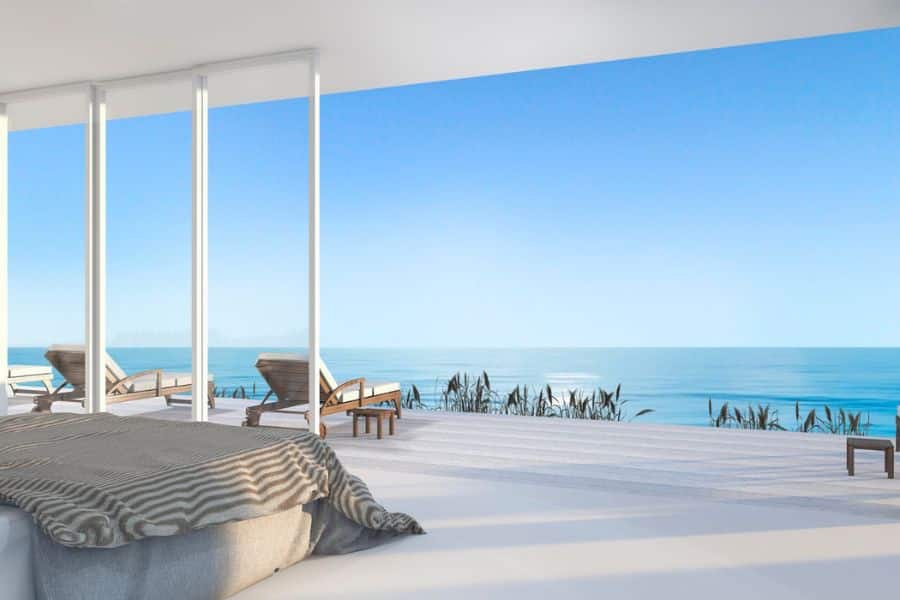
How to See the World on a Budget With Free Accommodation
There’s a smarter way to do this. Two of them, actually. The first is house swapping, and it’s arguably the most brilliant travel hack available to anyone who owns their own home.
The second is house and pet sitting, which works brilliantly for those who want more flexibility or don’t want to open their home to strangers. Between the two, you can travel more, spend less, and live like a local instead of a tourist.
How House Swapping Works for Retirees
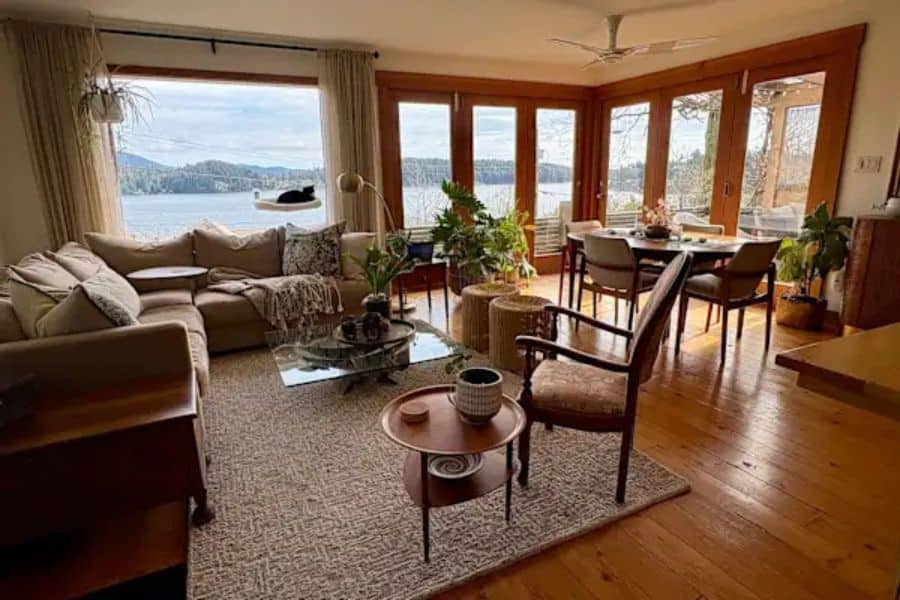
The idea is incredibly simple, and if you’ve ever watched the movie The Holiday, you’ll know exactly what I’m talking about. You and another homeowner agree to stay in each other’s homes while you travel. You stay in theirs, they stay in yours, and nobody pays anybody a penny for accommodation. The only cost involved is a small annual membership to the platform that connects you.
That’s it. A fully furnished home, a fully stocked kitchen, a comfortable bed, and all the other luxuries you normally enjoy, in a destination that might otherwise cost you $150 to $300 a night. Paid for by nothing more than the home you already own.
Most platforms operate in one of two ways. The first is a simultaneous swap, where both parties travel at the same time. You’re in their Paris apartment while they’re in your home in Florida.
The second is a non-simultaneous swap, where timing doesn’t need to match. You host them in April, they host you in October. Some platforms use a points system to make this work, where you earn credits by hosting and spend them on stays elsewhere.
Why It’s Made for Retirees
House swapping has been around since the 1950s, and its most loyal users have always been retirees. The reason is simple. It rewards flexibility, and flexible time is exactly what retirement offers.
Simultaneous swaps are easiest to arrange when both parties can be available at the same time. Working families are tied to school holidays and annual leave. Retirees can travel mid-September, or for six weeks in spring, or whenever the weather suits them. That flexibility makes you a far more attractive swap partner.
There’s also the question of pace. House swapping naturally encourages slow travel. You’re not checking in and out of hotels every three days. You’re settling into a neighborhood, shopping at the local market, and discovering the nearby restaurants and cafes. It’s a completely different way of experiencing a place, and for many retirees, it’s the kind of travel they’ve always wanted to do but never had the time for.
And the savings are significant. Even one or two swaps a year, each lasting one to two weeks, can easily save $2,000 to $4,000 in accommodation costs alone. For retirees managing a fixed income, that’s the difference between one trip a year and three.
How to Get Started
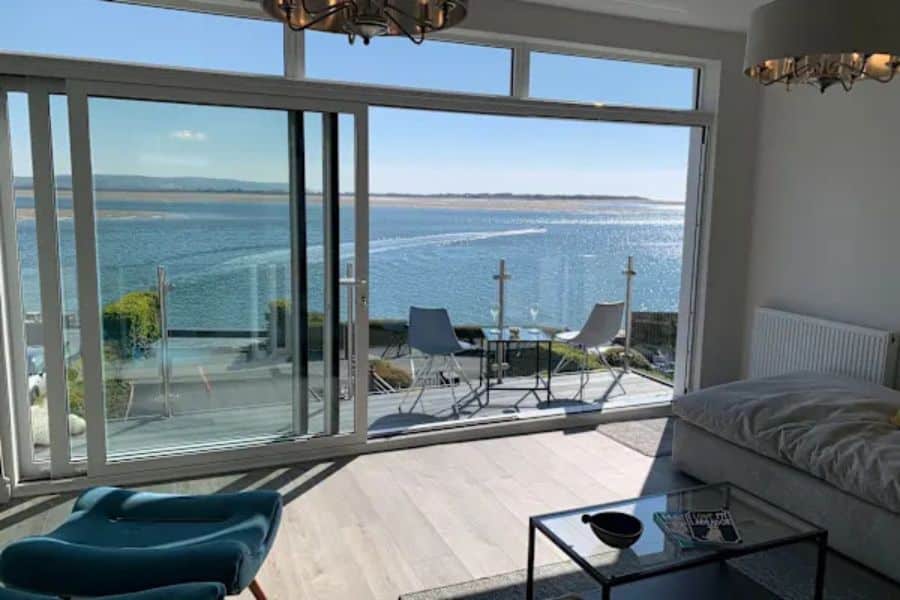
First things first, you don’t need a grand property or a huge home. Members on every platform range from studio apartments in city centers to rural farmhouses with acres of land. What matters is that your home is well-described, well-photographed, and welcoming.
The first step is creating a detailed, honest listing. Good photos make an enormous difference. Natural light, tidy rooms, and a few shots of the neighborhood or garden all help. Write a warm description of your home and your area, including things to do, restaurants you love, and what makes your neighborhood worth visiting.
Once your listing is live, you can either browse for homes you’d like to swap with and send a request, or wait for incoming requests from people interested in your home. Most experienced swappers do both.
Communication before a swap is key. A video call with your swap partner lets both sides ask questions, build trust, and iron out any practical details before you hand over your keys. Most platforms provide a standard exchange agreement to confirm the dates, any ground rules, and car arrangements if relevant.
The Best Platforms for House Swapping

Home Exchange
HomeExchange is the largest platform in the world with over 150,000 member homes across 145 countries. Annual membership costs $235 and covers unlimited exchanges for the year. Its GuestPoints system is a standout feature, letting you earn points by hosting and spend them on stays anywhere in the network, even when you can’t arrange a direct simultaneous swap.
If you want maximum choice and global reach, this is the place to start.
HomeLink
HomeLink is one of the originals, founded in 1953, and has built a reputation particularly strong among retirees for its personal, community-driven approach. Annual membership runs around $169 and includes unlimited exchanges and access to local representatives who can help you arrange and coordinate swaps.
No points system, just a straightforward “you stay in mine, I’ll stay in yours” model that many people find more intuitive. A free 30-day trial is available.
Intervac
Intervac is the other pioneer, dating back to 1953, with over 13,000 listings across 80 countries. Membership costs around $115 per year with multi-year options available. It’s particularly strong in Europe and runs on a direct swap model with no points system.
A 21-day free trial lets you explore the listings before committing. For European travel, especially, it’s worth serious consideration.
The One Thing Worth Knowing Before You Start
House swapping requires a certain mindset. You are letting a stranger into your home, and that sits comfortably with some people and not with others at all. If the idea makes you uneasy, it may not be the right fit, and that’s completely fine.
For those who are comfortable with it, a few simple steps make the whole thing easier. Make sure your home insurance covers third-party stays, as not all standard policies do. Put anything truly irreplaceable somewhere secure. Leave clear instructions about appliances, WiFi, parking, and bins.
Most experienced swappers say their properties come back in the same condition they left them, often better.
House Sitting: The Alternative If You’d Rather Not Open Your Home

If house swapping appeals but you’re not quite ready to hand over your own home, house and pet sitting is the natural alternative.
The exchange works differently here. A homeowner needs to travel and has pets that need to be looked after. You step in, stay in their home for free, care for their animals, and keep the property ticking over while they’re away.
No money changes hands between you and the homeowner. You pay only a small annual membership fee to the platform.
Typical responsibilities include feeding and walking pets, keeping the home tidy and secure, and watering plants. In return, you get a fully furnished home, often with a kitchen, laundry, and WiFi, for free.
The best platform to start with is TrustedHousesitters, the largest globally, with over 10,000 active listings. Sitter memberships start from $129 per year.
For a budget option, MindMyHouse costs just $29 per year, and HouseCarers charges $50 with free listings for homeowners. All three have global reach and allow you to browse before committing.
House sitting works particularly well for retirees who miss having animals around, enjoy a slower pace of travel, and want the flexibility to try different locations without the logistics of coordinating a mutual swap.
Two Ways to Travel, One Big Saving
Whether you go the house swap route or the house sitting route, the principle is the same. Your accommodation, the biggest single travel expense after flights, drops to near zero.
For retirees on a fixed income who still want to see the world properly, that changes everything. A real home in a real neighborhood beats a hotel room every time.
Pick the approach that suits you, create a profile, and start browsing. You might be surprised how quickly your travel plans start to look possible again.