
I don’t think anyone can say they look forward to aging. I remember the day I spotted my first gray hair; I was devastated. Now I have too many to count, and I dye my hair to hide them as much as I can.
But unfortunately, some things can’t be glossed over with a packet of hair dye. But there are things you can do to help reverse aging that don’t cost a fortune and are easy to incorporate into your daily routine.
Scientists are constantly discovering new and easy ways to add a good few years onto your life, and I’m always on the lookout for ways to keep my wrinkles at bay. Getting older is inevitable. How fast you age? That part is more in your hands than you might think.
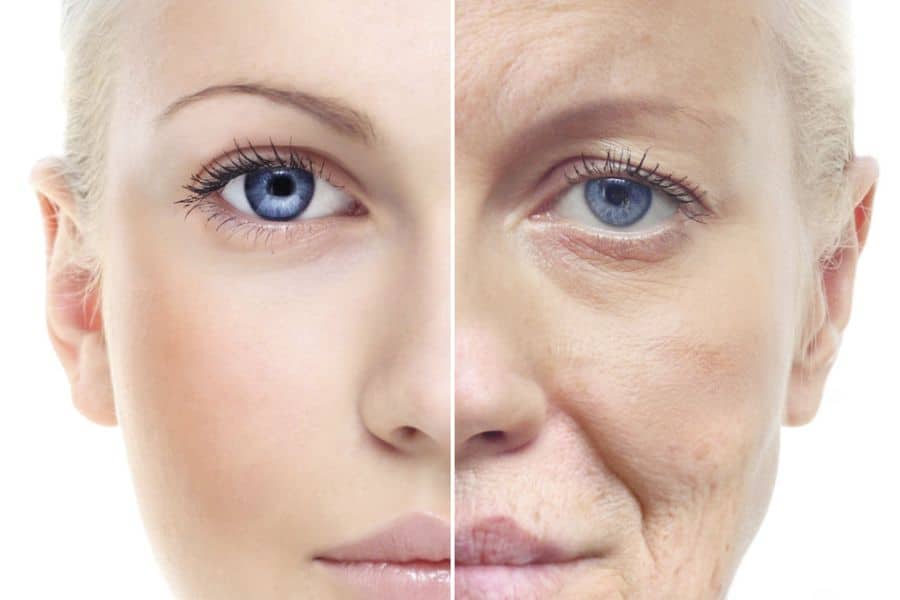
10 Habits to Reverse Aging By 15+ Years
Scientists now measure two types of age. Your chronological age is simply the number of years you’ve been alive. Your biological age is how old your body actually is at a cellular level. And they don’t have to match.
Research shows that the right daily habits can slow your biological clock and, in some cases, reverse it. One study published in the journal Aging found that women following a specific diet and lifestyle program reduced their biological age by nearly 5 years in just 8 weeks, with one participant shaving off over 11 years.
No. 1 Drink Plenty of Water

I am so guilty of not drinking enough water. If I’m not thirsty, I don’t tend to reach for my water bottle. However, most people are walking around mildly dehydrated and don’t even know it. That low-level dehydration shows up on your skin fast. Fine lines look deeper, skin looks dull, and everything sags a little more than it should.
Water keeps your cells functioning properly, helps flush toxins, and supports the kind of skin elasticity that makes you look younger. It’s one of the easiest things you can do, and most of us still don’t do it consistently.
A few simple hydration habits:
- Aim for at least 8 cups of water a day, more if you’re active or in a hot climate
- Add hydrating foods to your meals: cucumbers, watermelon, oranges, and celery all have a high water content
- Use a good moisturizer morning and night to lock hydration into your skin from the outside, too
No. 2 Put on Sunscreen
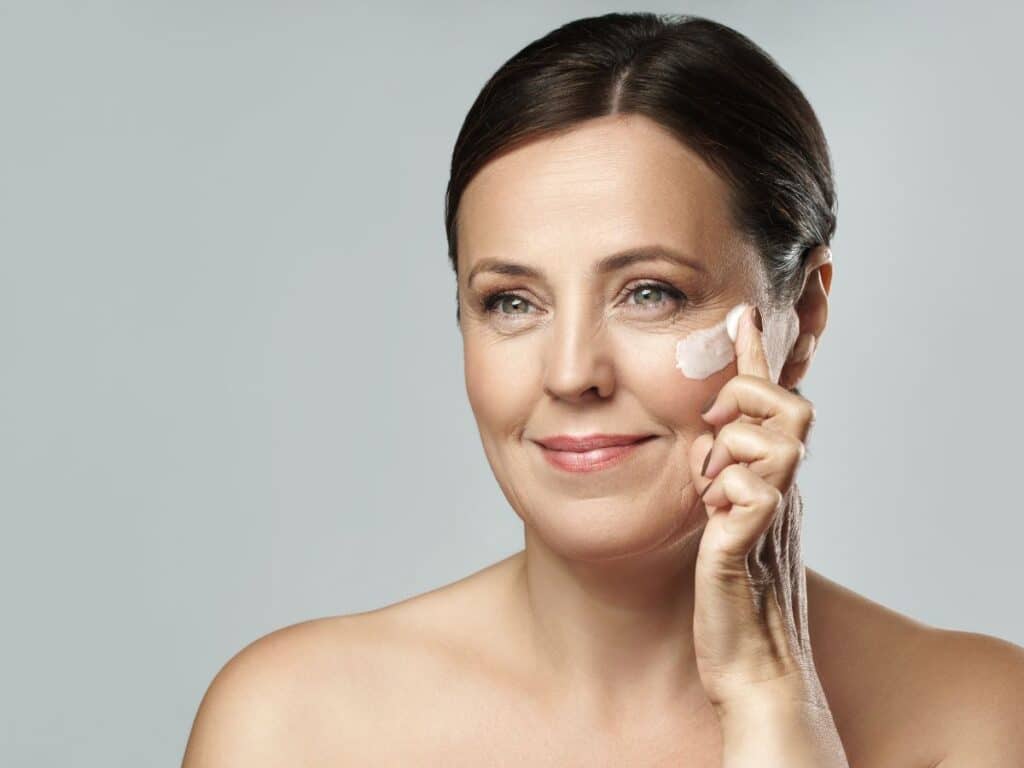
UV damage is one of the biggest drivers of visible aging, full stop. Ultraviolet radiation breaks down collagen and elastin in your skin over time, leading to wrinkles, sagging, and age spots. And it happens whether the sun is blazing or hiding behind clouds.
Daily sunscreen is one of the few anti-aging habits with decades of hard evidence behind it.
- Use SPF 30 or higher every single day, not just at the beach
- Choose a broad-spectrum formula that protects against both UVA and UVB rays
- Don’t forget your neck, the backs of your hands, and your ears. These areas age visibly and are almost always skipped
No. 3 Rethink What’s on Your Plate
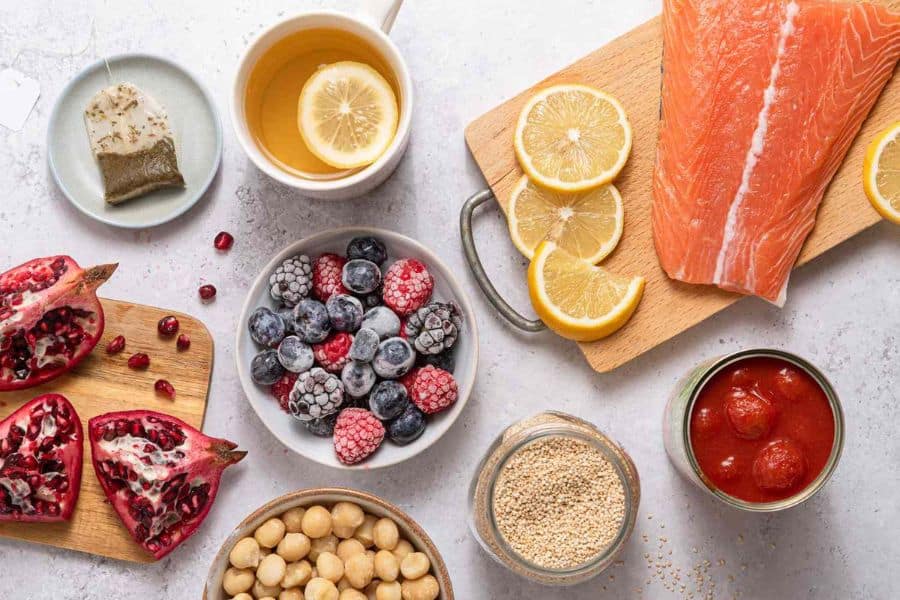
What you eat directly affects how your cells age. A 2024 study found that women who consumed more antioxidant-rich foods had measurably younger biological ages than those eating diets high in added sugar.
These are the anti-aging foods that can make a big difference:
- Berries: blueberries, strawberries, and raspberries are packed with antioxidants that reduce oxidative stress, a major driver of cellular aging
- Leafy greens: spinach and kale provide vitamins A, C, and K, all of which support skin repair and immune function
- Fatty fish: salmon, mackerel, and sardines are high in omega-3s, which reduce inflammation and help maintain skin elasticity
- Nuts and seeds: almonds, walnuts, and flaxseeds are rich in vitamin E, which protects skin from free radical damage
- Avocados: full of healthy fats that hydrate skin and help protect it from UV-related damage
No. 4 Give Nature a Helping Hand With Vitamins
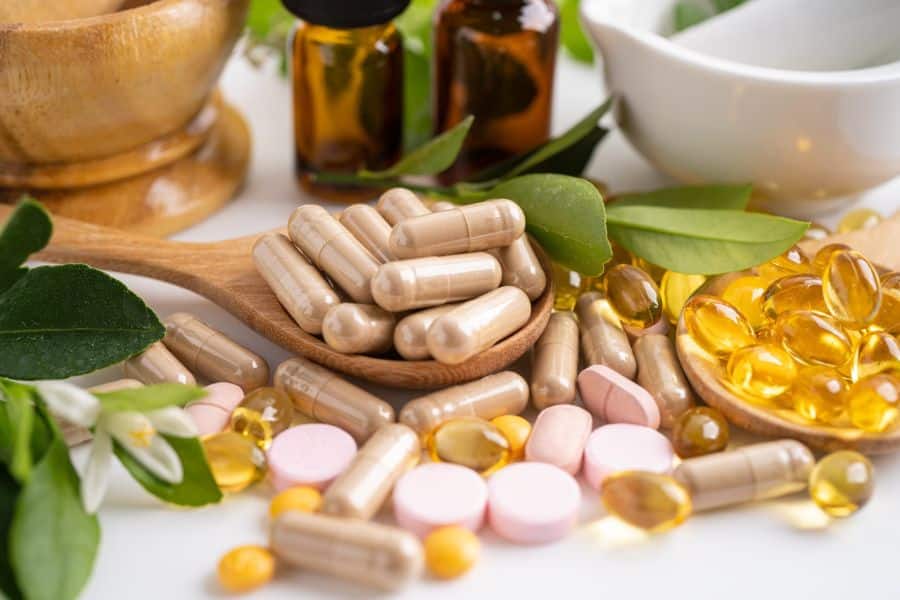
Even a solid diet leaves gaps. It’s difficult to hit every micronutrient target through food alone, particularly as absorption rates change with age. A good multivitamin helps cover the shortfall.
When choosing one, look for these specifically:
- Vitamin C: supports collagen production and helps reduce the appearance of fine lines. Look for at least 500mg
- Vitamin D: absorption from sunlight decreases as you get older, and deficiency is extremely common. Essential for bone health, immune function, and mood
- Biotin: a B-vitamin that supports hair and nail strength, both of which tend to thin with age
- CoQ10: an antioxidant that supports cellular energy production and may help reduce the appearance of fine lines
No. 5 Put Down the Phone Earlier

Screens are aging your skin. Blue light, the kind emitted by phones, laptops, and TVs, can penetrate deeper into the skin than UV rays and has been linked to the breakdown of collagen and the formation of age spots with prolonged exposure. It also disrupts sleep, which compounds the damage.
A few practical changes make a big difference:
- Set a screen time limit for leisure use; 2 to 3 hours a day is a reasonable target
- Use blue light blocking glasses in the evening, or switch your devices to night mode after dark
- Try the 20-20-20 rule: every 20 minutes, look at something 20 feet away for 20 seconds. It reduces eye strain and gives your brain a break
No. 6 Make Sleep a Priority

This one is never a problem for me as I’ve always needed a lot of sleep. But I hadn’t realized that your skin does most of its repair work while you sleep. Collagen is produced, damaged cells are replaced, and inflammation is brought down. Shortchange your sleep, and all of that gets interrupted.
The Aging journal study mentioned earlier included sleep as a core part of the lifestyle program, which reduced biological age by an average of nearly 5 years over 8 weeks.
- Aim for 7 to 9 hours of quality sleep each night
- Keep a consistent bedtime, even on weekends. Irregular sleep patterns are harder on your body than most people realize
- Cut caffeine off by early afternoon
- Keep your bedroom cool and as dark as possible
No. 7 Maintain a Social Life
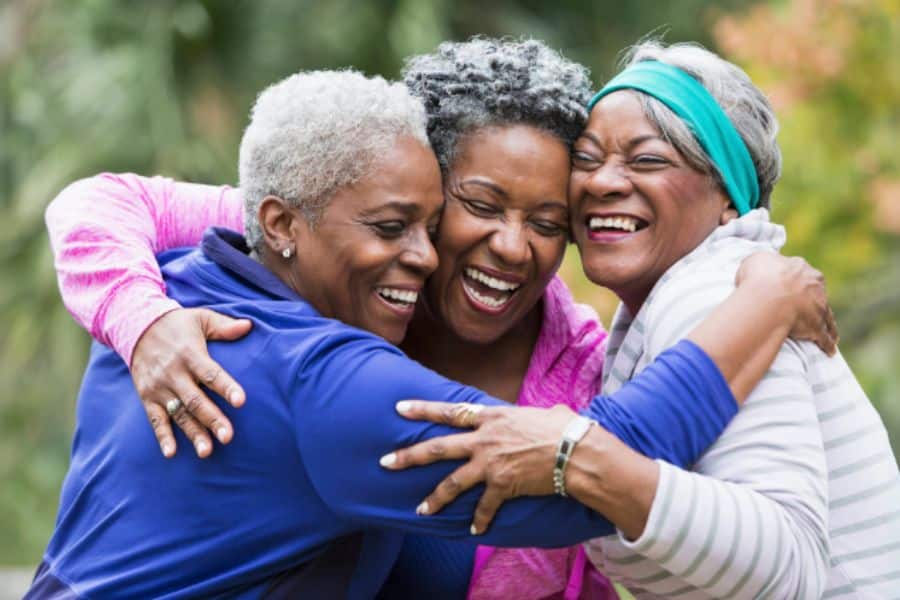
Strong social connections are linked to slower biological aging, better immune function, lower inflammation, and longer life. Loneliness, on the other hand, has measurable physical effects on the body, including accelerated cellular aging.
This doesn’t mean you need a packed social calendar; it just means staying connected is important.
- Make time for regular contact with people you care about; even a phone call counts
- Join a class, club, or group built around something you enjoy. New connections form naturally around shared interests
- Volunteering is one of the most effective ways to build a sense of purpose and community at the same time
No. 8 Quit Smoking & Alcohol

Smoking and heavy drinking accelerate biological aging through completely different but equally damaging pathways. Smoking restricts blood flow to the skin, reducing its ability to repair itself and depleting oxygen. The result is dull, prematurely lined skin and measurably faster cellular aging. Alcohol is a diuretic that dehydrates the body, disrupts sleep, and drives inflammation.
If you smoke:
- Talk to your doctor about cessation support. Nicotine replacement, medication, and counseling all have strong evidence behind them, and the skin begins recovering relatively quickly after quitting
If you drink:
- Current guidance suggests no more than one drink per day for women as the upper limit for moderate consumption
- Building in alcohol-free days each week gives your body time to recover and helps reset the habit
No. 9 Add Essential Oils to Your Routine
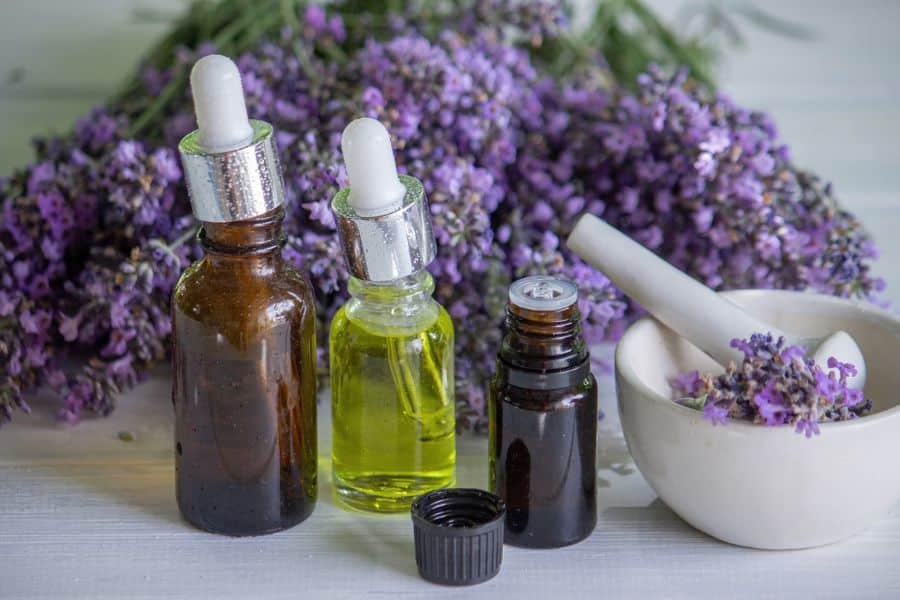
Essential oils have a long history of use in skincare, and they smell amazing, so what’s not to love?
- Lavender oil: has anti-inflammatory properties that can calm irritated skin and support a more even complexion
- Rosehip oil: naturally rich in vitamin C and essential fatty acids, it helps brighten skin, reduce pigmentation, and improve texture. It’s one of the most popular face oils for good reason
- Frankincense oil: used for centuries for skin regeneration, it may help reduce the appearance of fine lines and scars
Always dilute essential oils in a carrier oil, such as jojoba or sweet almond, before applying to the skin.
No. 10 Keep Your Brain Working
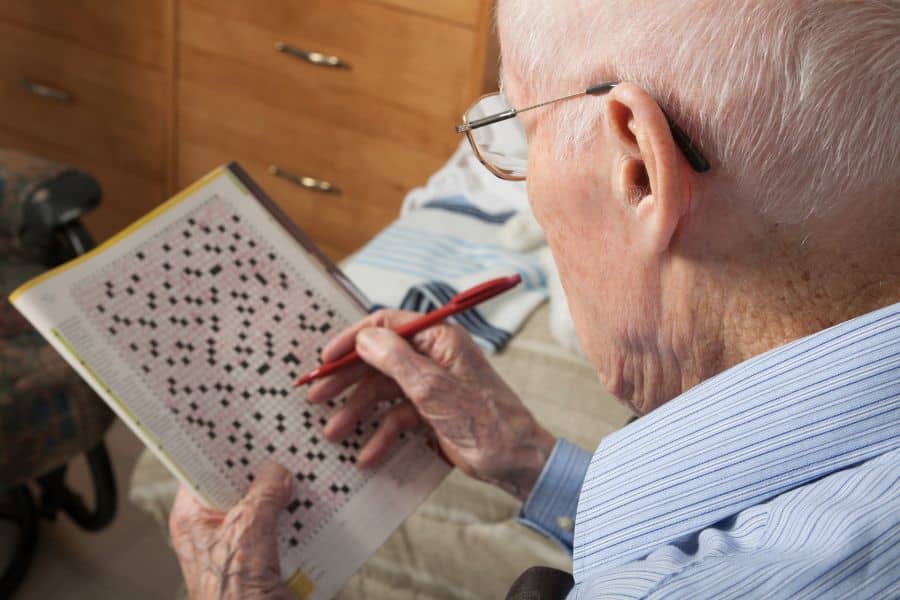
My dad did Sudoku puzzles pretty much up until the day he died, and my mom is an avid reader and is as sharp as a tack. Cognitive health and physical aging are more connected than most people realize.
Mental stagnation accelerates decline across multiple body systems, while active, engaged brains tend to age more slowly overall. A 2025 study found that people with biologically younger brains had a significantly lower risk of Alzheimer’s disease and up to 56% lower mortality risk over a 15-year period.
The brain responds to a challenge the same way muscles do. Use it, and it stays stronger for longer.
- Do something that genuinely challenges your brain regularly: puzzles, crosswords, strategy games, or learning a new skill
- Pick up a new hobby that requires focus and practice, whether that’s a language, an instrument, or a craft
- Read broadly. Exposure to new ideas and perspectives keeps neural pathways active in ways passive entertainment doesn’t
Disclaimer: The health and wellness content in this article is for informational purposes only and is not a substitute for professional medical advice, diagnosis, or treatment. Always consult your healthcare provider before making changes to your diet, supplement routine, or lifestyle, particularly if you have an existing health condition or are taking medication.