
I’ve just returned from a fabulous week in Greece, but I didn’t go to any of the typical tourist hotspots like Athens or Santorini. Having been to Greece before, I knew I wanted somewhere quiet, not a tourist trap, and a place where I could experience the real Greece.
Ever since watching Mamma Mia, I’ve loved the idea of visiting the mythical birthplace of Aphrodite, the Greek goddess of love, who’s said to have risen from the sea foam just off the island’s shore.
When I looked for Aphrodite, I found an island called Kythira, a real hidden gem opposite the south-eastern tip of the Peloponnese peninsula. And from there, a gorgeous Greek village, Avlemonas, with a handful of houses, one horseshoe bay of clear water, three tavernas, and almost nobody in them, even in high season.

Why Athens Isn’t a Dreamy Greek Escape
Athens pulled in more than 8 million international visitors in 2025, and that’s before you count the day-trippers off the cruise ships coming in through Piraeus.
Now I’m not for one second saying that Athens isn’t a great city; you should see it at least once in your lifetime. The Parthenon is something you don’t want to miss, but be warned, the queues are insane.
Santorini and Mykonos aren’t the dreamy escape either. Santorini alone is on track to see around 3.5 million visitors this year on an island roughly the size of Manhattan.
Kythira is technically part of the Ionian island group even though it’s nowhere near the rest of them, and it’s where the Greeks themselves go on vacation.
The island had roughly 130,000 arrivals in 2024, spread across the whole summer. Compare that to Santorini’s 3.5 million, and you can see why the beaches are empty.
The Aphrodite Connection
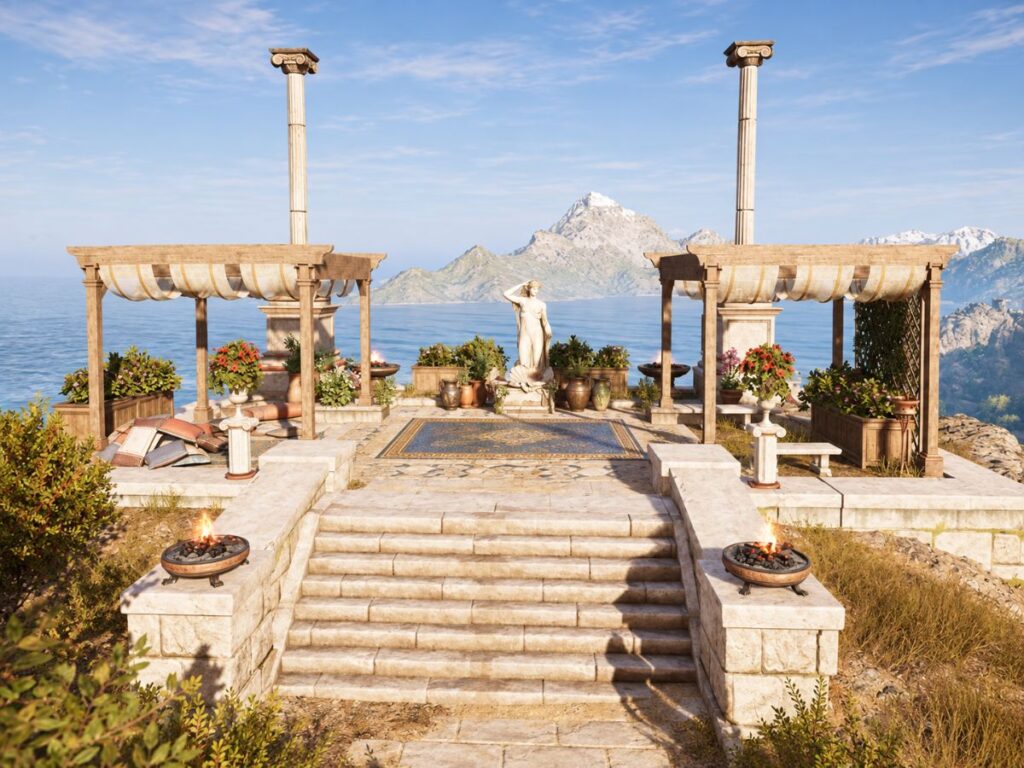
This whole trip began with me wanting to get as close to the mythical Aphrodite as I could. You can visit the stretch of water where the story places it: a beach called Paralia Paleopoli, also known as the Baths of Helen, Kythira’s biggest beach, a short drive west of Avlemonas.
It’s a mix of sand and pebbles, with warm, clear water that’s easy to swim in and good for snorkeling. There’s a beach bar, loungers to rent, and enough space that even in high season you can find a patch to yourself without much trouble.
If you want the postcard beach day with a side of mythology, this is where you’d have it.
It also gives you a sense of why Kythira has always had a quiet pull on Greek travelers. They believe in the mythology, and I have to admit, I started to as well after spending time there.
Where is Avlemonas?
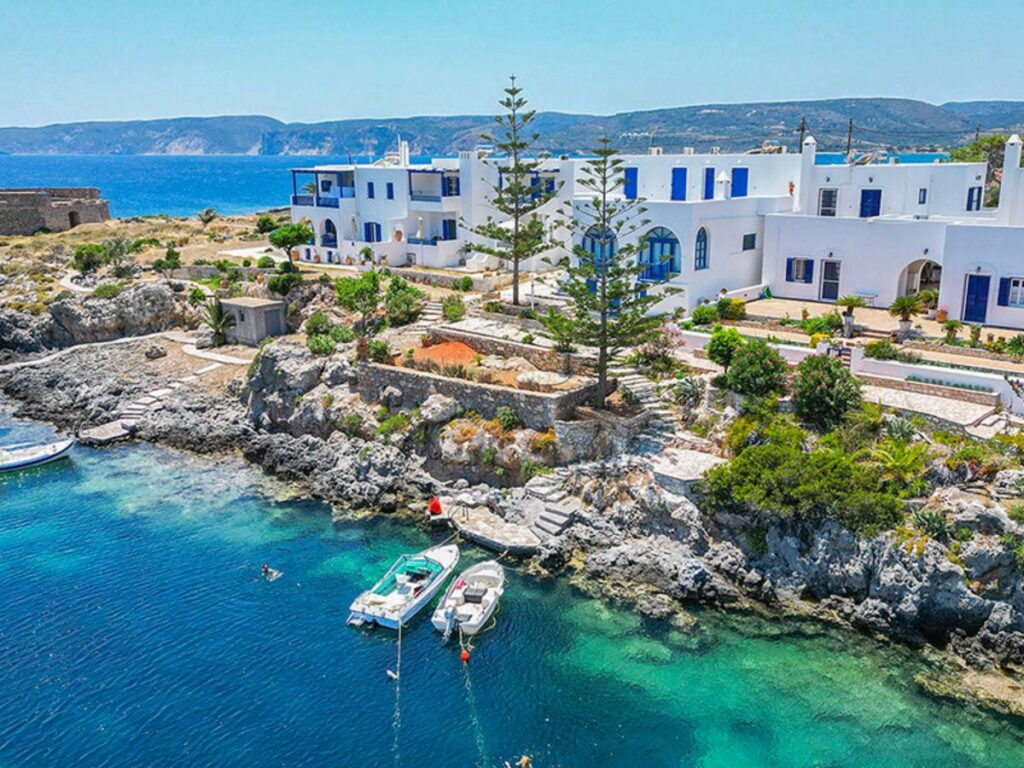
Avlemonas sits on the east coast of Kythira, tucked into a rocky inlet that was used as a lookout point back when pirates roamed the shores. There’s a small Venetian fort from 1725 still standing at the end of the village, half-crumbled, and you can walk up to it in about 4 minutes from the harbor.
Getting there takes a bit of doing, which is, I guess, why it’s still relatively undiscovered. You fly into Athens, then either catch a domestic flight to Kythira (about 50 minutes with Sky Express or Olympic Air) or drive the 4-and-a-bit hours through the Peloponnese to the port of Neapoli and take the ferry across.
The ferry takes about an hour and 15 minutes and runs a few times a day in summer, less often the rest of the year. Check Ferryhopper for current schedules because they shift with the season. It feels like the boat that takes people to the fictional Kalokairi in the Mamma Mia movies.
Once you’re on Kythira, you need a rental car. There’s a bus, but it runs on Greek island time, which is to say, when it feels like it. A small rental car in shoulder season runs about 30 to 40 euros a day.
The Village
Avlemonas is small Greek village, with traditional whitewashed houses, blue shutters, a couple of narrow lanes, a chapel, and a horseshoe of natural stone pools people can swim off of directly. The water is that particular Ionian blue that photographs never quite capture, and because the swimming spots are cut into the rock rather than being a sandy beach, the water is so clear you can see fish moving around your feet in 10 feet of water.
You can walk the whole village in about 6 minutes. Boats bob in the little harbor, mostly small painted ones that still go out, and the tavernas set their tables right on the water so close that spray hits them in a swell.
Accommodation is small guesthouses and rented rooms, mostly run by families who’ve owned the buildings for generations. In shoulder season, prices are about 60 to 90 euros a night for a double room with a sea view, which is a bargain for what you’re getting. In August, it roughly doubles, but even then you’re paying half what a mediocre Santorini room costs, without the huge crowds.
The Beaches
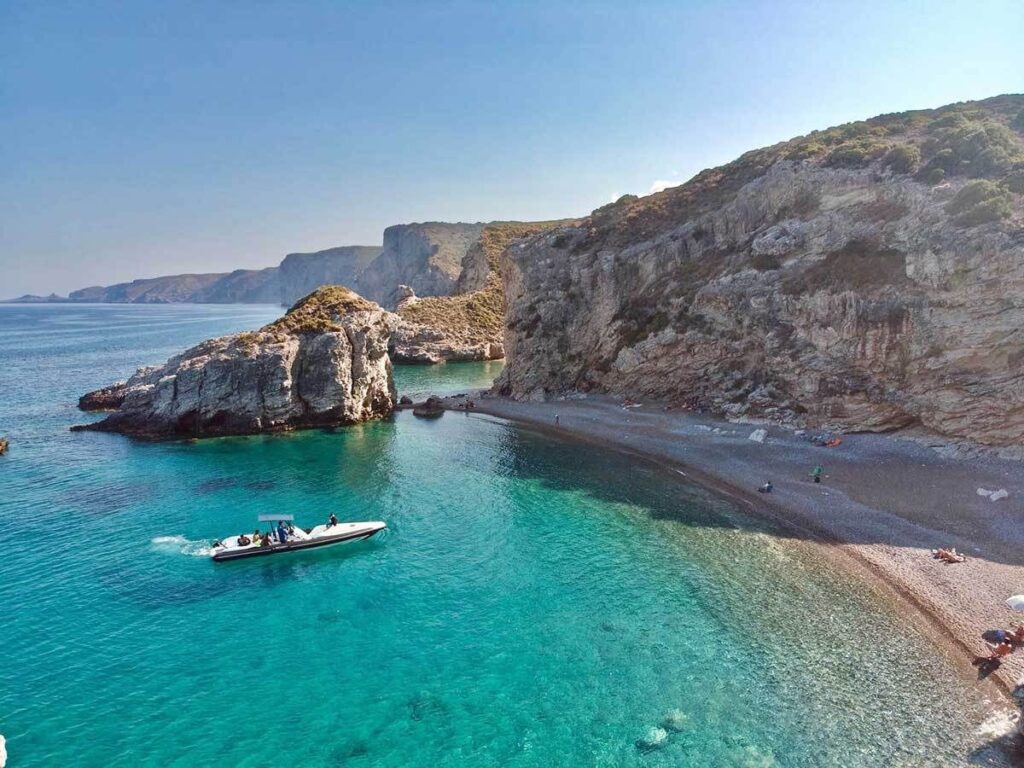
Kaladi is the beach most people who’ve been to Kythira will tell you about. It’s about a 10-minute drive from Avlemonas, down a dirt track and then 158 steps down a cliff to reach it. It’s the climb back up that’s the killer.
Three connected pebbled coves, deep clear water for swimming, and no facilities of any kind. Bring your own water and food, and take your trash back up. In shoulder season you’ll share it with maybe a dozen other people.
A little further round the coast is Fyri Ammos, red-sand and deep, with more visitors. Bring a towel; the water is bracing in high summer and cold the rest of the year.
The real find is Kalamitsi, a tiny cove down the eastern side of the island, but there are no signs, so you really need to know about it to find it or know it’s there.
The Food
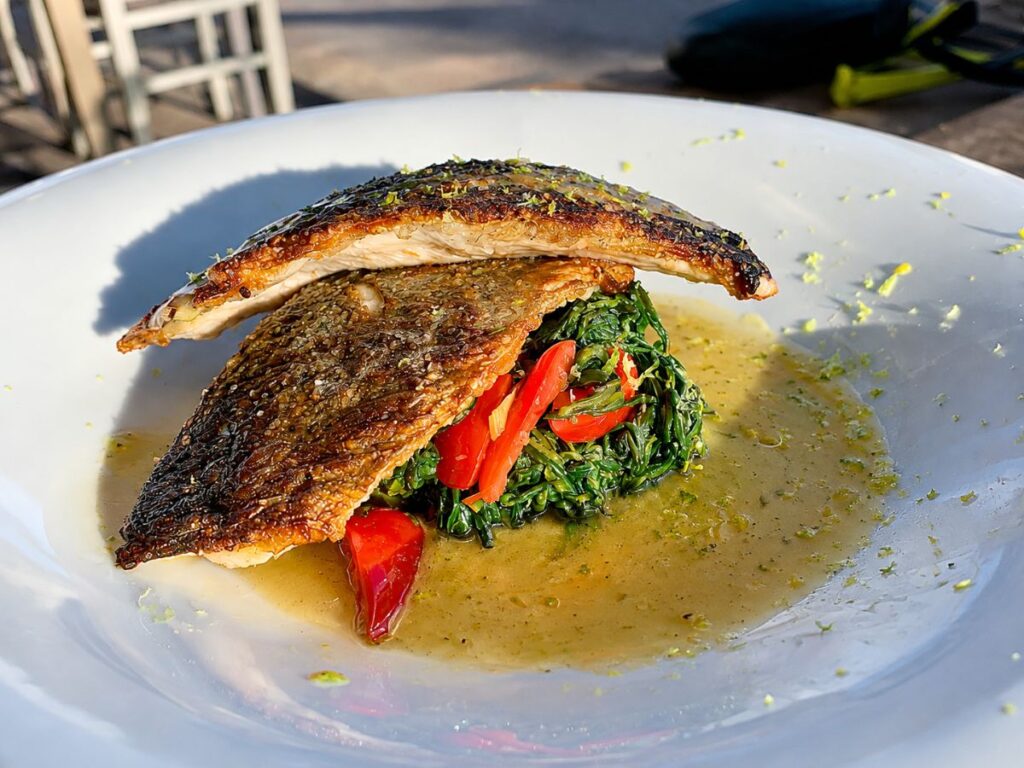
There are about 5 tavernas in Avlemonas, and they’re all good. Sotiris was my favorite as it’s right on the water, but I also loved Psomoladea with its green door.
Fresh fish is sold by the kilo, priced daily on a chalkboard, and you can pick the one you want from the ice.
Beyond seafood, look for fatourada (a local spiced spirit made with cinnamon and cloves that Kythira is known for), thyme honey from the island’s beekeepers, and ladopita, a local flatbread with olive oil.
The honey is worth taking home; Kythira’s dry, herby hillsides produce some of the best in Greece, and a 500g jar direct from a producer costs about 12 euros.
A day here starts with a morning swim, a long lunch of fried zucchini balls and grilled fish, sleeping off the wine, another swim around 5 pm as the sun starts to set into the sea, and eating again around 9. It’s absolute bliss.
When to Go and What It Costs
Right now, in September, is one of the best times to go. The sea is still warm from a summer of heating up, the crowds have thinned out because European families are back at school, and daytime highs sit in the mid-70s to low 80s Fahrenheit.
May and early June are the other windows: wildflowers are still out across the island, the sea is a bit colder but swimmable, and prices are at their lowest.
July and August are the busy months by Kythira standards, but you can still find a quiet beach, unlike the main tourist resorts.
Avoid the middle two weeks of August if you can, because that’s when Athenians take their vacation, and every guesthouse doubles its rate. September through mid-October is the ideal.
Top Tip: Avlemonas has no ATMs; ATMs are in Chora, Livadi, and Potamos. Take euros in cash from the mainland or from the larger town of Chora before you settle in. The tavernas mostly take cards now, but better safe than sorry. You don’t want to be washing up to pay for your meal.
Disclaimer: This article is for general information only and is not professional advice. It may contain affiliate links. Please see our full Editorial Policy for details.
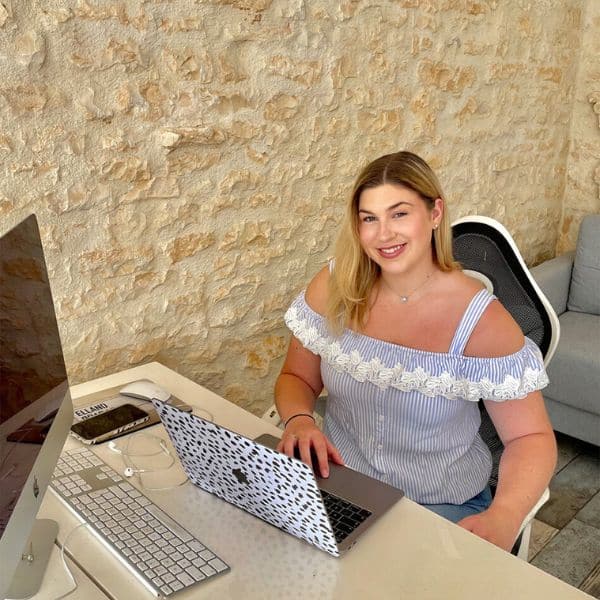
Summer Williams is a lifestyle writer and social media manager and a writer and editor of Your Lifestyle Library (yourlifestylelibrary.com). She holds a BA (Honours) in Journalism from Sheffield Hallam University. She also creates content under her brand Summer Elizabeth Creative.