
Breaking news today in The Times newspaper highlights some scary figures about the popular weight-loss jabs Wegovy and Mounjaro. I know plenty of people who use them, and I get it; it’s tempting as we all want to lose weight.
However, for me, it’s not something I’d ever try as I’m pretty strict about what I will and won’t put into my body. So I haven’t tried it personally, but one of my close friends has been using it on and off for over a year with varying degrees of success.
So what is all the fuss about, and should we be worried about the continued use of weight-loss aids like this?
What The Times Actually Reported
The Times used figures from the Medicines and Healthcare Products Regulatory Agency, the UK body that logs suspected side effects through what’s called the Yellow Card scheme.
Patients, families, and medical professionals can all file a report if they suspect a medicine caused harm.
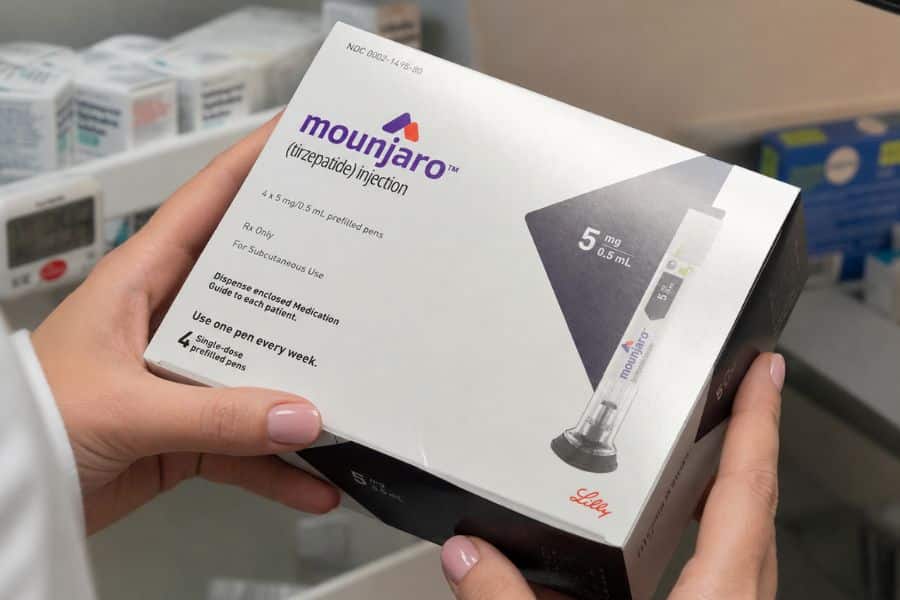
The three drugs in the spotlight are all GLP-1 receptor agonists: tirzepatide (Mounjaro), semaglutide (Wegovy and Ozempic when prescribed for diabetes), and liraglutide (Saxenda).
The numbers, as reported: more than 100,000 adverse reaction reports for tirzepatide, roughly 10,000 of them classed as serious, with 98 deaths potentially linked.
For semaglutide, around 44,000 reports, 4,800 serious, 37 deaths. For liraglutide, about 3,000 reports, 734 serious, 18 with a fatal outcome.
Eli Lilly, the maker of Mounjaro, said global sales of the drug had doubled this year, and it’s thought around 1.6 million people in the UK are now on some form of weight-loss injection.
Two specific cases prompted the analysis. A coroner in Norfolk is examining whether the death of Caroline Savage, 73, could be linked to Mounjaro. She died in October 2024 after increasing her dose, and her family says the abdominal pain she reported before being discharged from hospital was written off as a side effect.
A coroner for Devon and Plymouth has also opened an inquest into the death of Paula Owen, 66, who died on July 23, with the coroner stating a GLP-1 agonist had contributed. Both cases are being investigated, and neither has concluded.
Why a Yellow Card Report Isn’t a Confirmed Case
This is the bit that gets flattened in the headlines, and it changes the whole shape of the story. A Yellow Card report is a suspicion, not a verdict. Anyone can file one.
If someone’s mother dies while on Mounjaro and the family wonders whether the drug played a part, that goes into the pile, whether or not the drug had anything to do with it.
The MHRA itself is clear that a fatal outcome reported through the scheme doesn’t mean the medicine caused the death, and it might be down to an underlying or undiagnosed condition.
So when you see “98 deaths potentially linked to tirzepatide”, what you’re looking at is 98 cases where someone, a relative, a GP, a hospital doctor, thought the drug might have contributed.
Some of those will turn out to be down to the medication. Some won’t. Working out which is which is exactly the job the MHRA and coroners are doing right now, and it takes time.
Context helps here. Around 1.6 million people in the UK are on these drugs (MHRA / UCL research (via Pharmacy Biz)). The base rate of death from any cause in a population that size, over the course of a year, runs well into the thousands, and the population using these jabs skews older, heavier, and more likely to have other health issues that raise their risk in the first place.
That doesn’t make the reports meaningless; it makes them the start of an investigation, not the end of one. The Yellow Card scheme exists precisely so that patterns can be spotted early, which is the system working, not the system failing.
The Side Effects That Are Real and Well Documented
None of this means the jabs are risk-free. The common side effects are well established: nausea, vomiting, constipation, diarrhea, reflux, and a general feeling of being unwell, especially in the first weeks and after a dose increase.
Most people find these settle. Some don’t, and stop taking the drug because of it.
Pancreatitis, inflammation of the pancreas, is a known risk, and the abdominal pain it causes can look very similar to the ordinary gut side effects, which is part of why the Norfolk case is being examined so carefully.
Gallbladder problems and gallstones show up more often in people losing weight quickly on GLP-1 drugs. There have been reports of bowel obstruction, particularly in people already prone to slow gut motility.
A 2024 study in JAMA Ophthalmology found a higher rate of a rare eye condition, called NAION, which can cause sudden vision loss, among patients prescribed semaglutide compared with those on other diabetes medications. The absolute numbers were still small, but the signal was real enough to be worth flagging.
There’s also the question of muscle mass. Rapid weight loss on these drugs can strip out lean tissue as well as fat if protein intake and resistance work don’t keep up, and for people over 60 that has consequences for bone strength, balance, and how well you cope with an ordinary illness a year or two down the line.
The drugs work by suppressing appetite so effectively that some people end up eating a fraction of what their body actually needs, which is a problem in itself.
The Missing Piece More Worrying Than the Headline
Where I do get uneasy is the way people are getting hold of these drugs. When they’re prescribed properly by a GP or a specialist weight management clinic, there’s a conversation about your medical history, your other medications, your weight, and what happens if the common side effects become less common.
There’s follow-up, dose titration, and someone to call when the abdominal pain doesn’t feel right. Through an online service that wants a photo, a BMI, and your card details, you aren’t getting that conversation, and you certainly aren’t getting the follow-up.
The drugs are extraordinary, and they’re also serious. The friends I know who’ve done well on them have been the ones who treated the injection as one part of a bigger change: eating more protein, walking more, lifting a bit of weight, and consulting their doctor.
The ones I’d worry about are the people using them as a quick fix through the cheapest online route they can find, without anyone checking in, and without any plan for what happens when they stop. Because the weight tends to come back, often fast, unless the eating and movement habits have shifted alongside the medication.
The two women whose deaths triggered the Times analysis were both older, both on Mounjaro, and in one case symptoms were reportedly attributed to side effects when they may have been something more.
Disclaimer: The content in this article is for informational purposes only and is not intended to replace professional medical advice, diagnosis, or treatment. Always consult your doctor, physical therapist, or healthcare provider before starting a new exercise program, particularly if you have existing joint, cardiovascular, or balance conditions.

Kylie Lang is a nationally syndicated travel journalist with bylines on the Associated Press Wire & more, a lifestyle writer, and the founder and editor of Your Lifestyle Library (yourlifestylelibrary.com). She holds a BA (Honours) in History from the University of Kent and is a member of the British Guild of Travel Writers.