
By early August, most of us have written off sowing anything new. The whole yard has that slightly frazzled look of a garden that’s done its bit and would quite like a lie-down. Starting seeds in August feels a bit like turning up to a party as everyone’s finding their coats.
But there’s a useful window in the last two weeks of August when the soil is still warm, the days are still long enough, and a handful of fast crops will happily germinate and give you something to actually eat before the frosts arrive.
I only cottoned onto this a few years ago. So if you’ve been assuming the growing season is basically over, it isn’t. You just need to know what will actually work in the time you’ve got left.
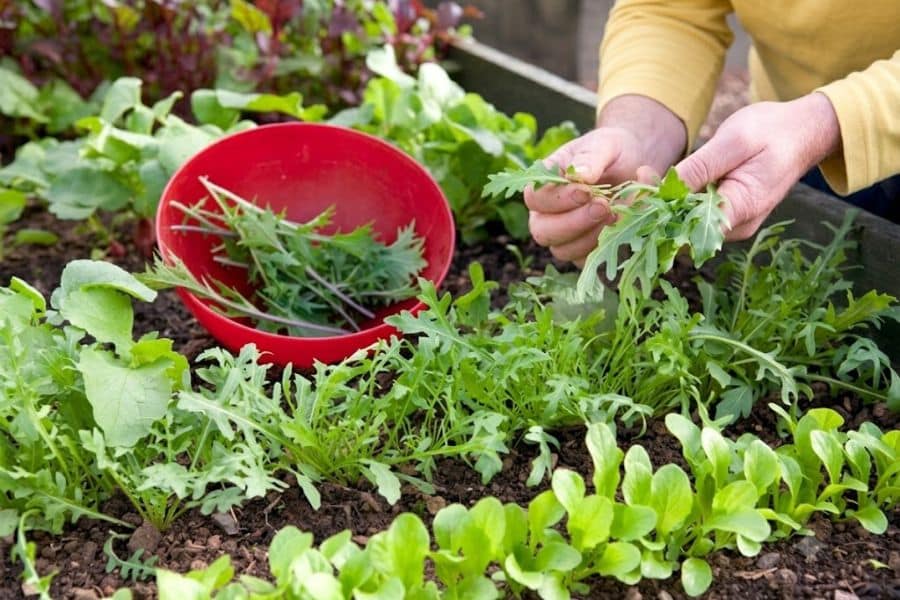
Why Late August Is Better Than It Looks
The thing that changes everything in late summer is soil temperature. Seeds germinate faster in warm soil than they do in the cool damp of spring, so a spinach seed that took 2 weeks to show its face in March will pop up in 5 or 6 days now.
The other bit of good news is that a lot of the crops that struggle in high summer heat, the ones that bolt the second the mercury climbs, actually prefer this end of the year. Spinach, lettuce, arugula, and cilantro all do better as the days start to cool.
You’re working with the season, not against it, which is a nice change from trying to keep basil alive in an 85-degree heatwave.
The Fast Crops That Actually Work in Late August
I’ve tried planting a variety of things in August over the years, and this is the shortlist that reliably delivers. Sow these in the last 2 weeks of August, and you’ll be picking through October and, with a bit of fleece, into the colder months.
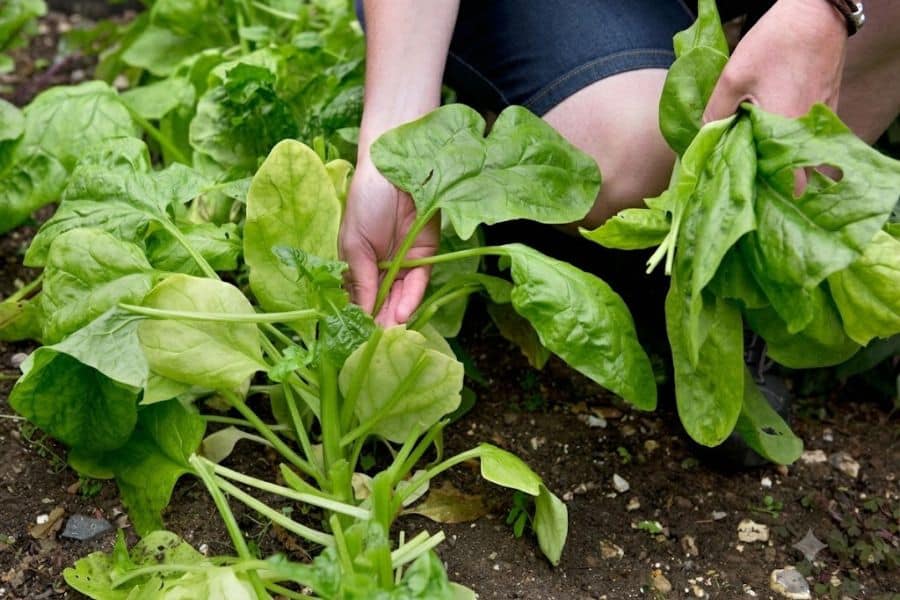
- Spinach. This is the one I’d push you toward first. It germinates fast in warm soil, doesn’t mind the cool nights that are coming, and you can start picking baby leaves in about 4 weeks. I like a variety called Giant Winter because it’ll keep going long after the tender summer stuff has thrown in the towel.
- Winter lettuce. Look for varieties described as winter-hardy or cold-tolerant, things like Winter Density, Arctic King, or Rouge d’Hiver. These are bred for exactly this window, and they’ll form loose heads through fall and sit through mild frosts without complaining. Cut-and-come-again works well, so you get several pickings from one sowing.
- Arugula. Ready in 4 weeks flat, and it prefers cooler weather anyway. It’ll go into overdrive at this time of year in a way it never quite does in July.
- Radishes. If you want almost instant gratification, sow radishes, which give you 4 weeks from seed to plate. French Breakfast is my go-to because they’re pretty and they don’t get woody as fast as some of the round ones.
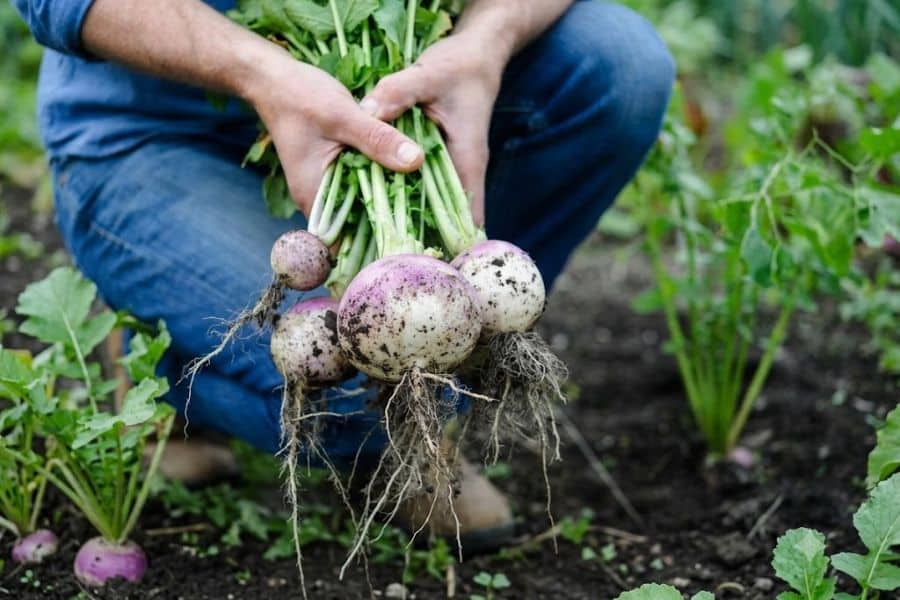
- Turnips. Yes, turnips. Sown now, they’ll give you tender young roots by October, and the tops are edible too if you’re the sort of person who likes wilted greens with garlic. Try a variety called Purple Top Milan for something small and sweet rather than the enormous woody ones you might be picturing.
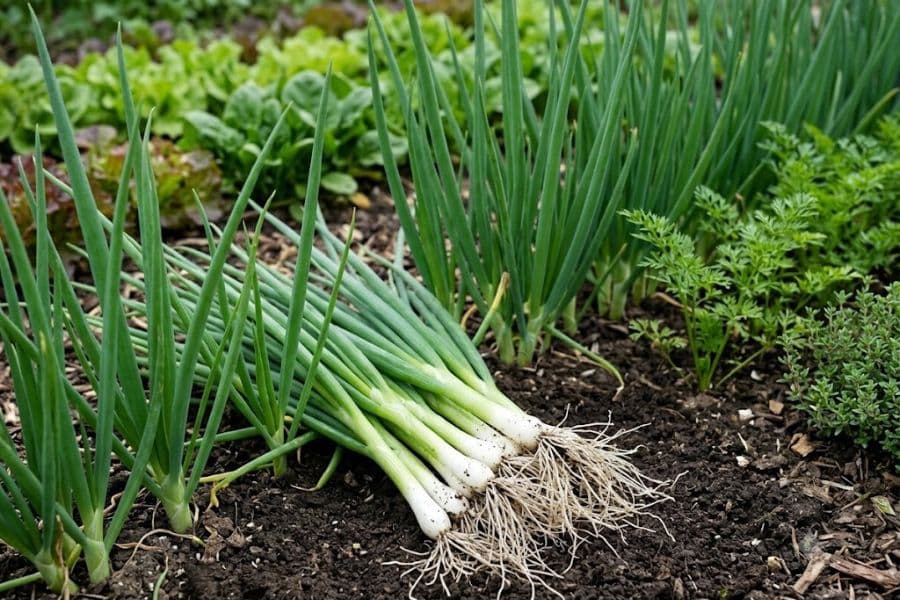
- Spring onions. These take 8 to 10 weeks, so they’re at the longer end of the window, but they’ll sit happily through fall, and you can pull them as you need them. They also don’t seem to care about a light frost, which is a nice quality in a vegetable.
- Asian greens like pak choi, mizuna, and mustard leaves. These are all fast (some ready in 3 to 4 weeks), they love the cooler end of the year, and they add a bit of interest to salads and stir-fries when the summer stuff has finished. Mizuna in particular is one of those plants that just keeps going.
How to Actually Sow Them So They Flourish
The soil in August is usually bone dry, which is the main thing that trips people up. If you scatter seeds on parched, cracked ground and hope for the best, you’ll get nothing. So water the bed thoroughly the day before you sow, then again just before, and let it soak in properly rather than running off the top.
Sow in short rows or little patches rather than trying to plant a whole bed at once. Successional sowing, which is a fancy way of saying sow a bit now and a bit more in 10 days, means you’ll have staggered harvests rather than one enormous glut of arugula that you can’t get through.
I sow a row of spinach, wait a couple of weeks, sow another, and so on until mid-September.
Cover the seeds lightly, water again with a fine rose on the watering can so you don’t wash them out of place, and then, and this is the bit I always used to forget, keep them damp for the first week or so.
August soil dries out quickly, especially if it’s warm and breezy, and seeds that dry out mid-germination are dead. A quick daily check with a watering can does the job. Once they’re up and away, they need much less fussing over.
Realistic Expectations for What You’ll Actually Get
I’ll be honest, you’re not going to fill a freezer with what you sow in late August. This isn’t a huge harvest. Think of it as bonus vegetables rather than a full harvest.
What you will get, if the weather cooperates and the slugs don’t have a field day (a big if, I’ll admit), is enough salad leaves for regular picking through September and October, a decent showing of radishes and turnips in early fall, and spinach and Asian greens that can carry you into November and beyond.
The spring onions will still be there when you’re picking through the winter debris in January, which always feels like a small win.
Some things will fail, and that’s fine. I sowed a whole row of cilantro one August that got demolished by slugs in about 4 nights, and another year my arugula bolted almost immediately because we had a hot September and I hadn’t watered enough.
Gardening in the shoulder seasons is a bit of a gamble, but the seeds are cheap, and the effort is small, so it’s worth having a go even if half of it goes wrong.
A Few Bits of Kit That Make It Easier
You don’t need much for this, which is part of why I like it. A rake, a watering can, a packet of seeds, and a bit of space where something has finished. Pull out the tired old lettuce or the last of the peas, fork the soil over, and you’re basically ready to go.
A piece of horticultural fleece is the one thing I’d suggest picking up if you don’t already have some. Drape it over the bed on cold nights from mid-October onward, and you’ll extend your harvest by weeks. Weigh down the edges with stones or bricks so it doesn’t blow off in the first bit of wind.
If slugs are a problem where you are, and let’s face it, they’re a problem almost everywhere, a ring of crushed eggshells or copper tape around the young seedlings buys you some peace.
Sow More Than You Need
The last bit of advice I’ll offer is to sow more seeds than the packet suggests. Germination rates dip a bit as the season moves on, slugs will take their share, and some of what comes up will just look weedy and refuse to thrive.
If you sow generously and thin out the strongest, you’ll end up with a better crop than if you rationed every seed like it was the last one on earth.
Seed packets are cheap. The packet of spinach on my kitchen windowsill cost me about $3 and has probably 400 seeds in it, and I’ll use maybe half over the whole year. So be generous. Scatter a proper handful, thin them out later, and eat the thinnings in a salad because baby spinach is delicious and you already paid for it.
And don’t wait for the perfect afternoon to do it. The garden doesn’t care whether you turned up in gardening clothes with a plan or in a rush with damp hair. It just wants the seeds in the ground while the soil is still warm.
Disclaimer: This article is for general information only and is not professional advice. It may contain affiliate links. Please see our full Editorial Policy for details.

Kylie Lang is a nationally syndicated travel journalist with bylines on the Associated Press Wire & more, a lifestyle writer, and the founder and editor of Your Lifestyle Library (yourlifestylelibrary.com). She holds a BA (Honours) in History from the University of Kent and is a member of the British Guild of Travel Writers.