
As we get older, what we put into our bodies matters more and more. And being a woman over 50, I’m constantly battling with weight, energy, health, and all those other lovely things that start to bother you as you age. It’s easy to get overwhelmed with all the information out there and the so-called experts.
One minute you’re told to avoid salt at all costs, and the next, you’re told you need to add salt to every meal. So which is it? Can I put salt on my fish and chips, or can’t I?
As a writer, part of my job is research, proper research, not just AI garbage. So, that being the case, I started researching foods you shouldn’t eat over a certain age. And some of what I found surprised me. Yes, there were the usual culprits, but there were a few I never would have thought of.
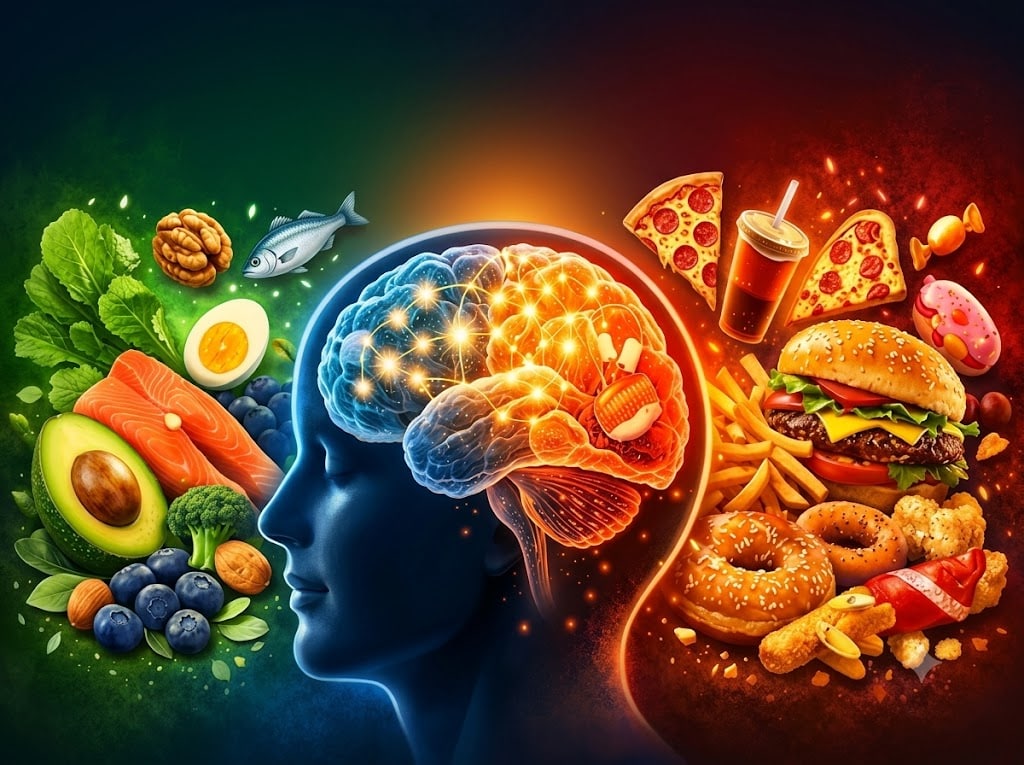
9 Common Foods To Avoid If You’re 50 Or Over
My mom always told me, everything in moderation. So, bear this in mind as you read this list because a little bit of what you fancy does you good. Just be aware not to overindulge in things that could harm you.
Processed Cheese
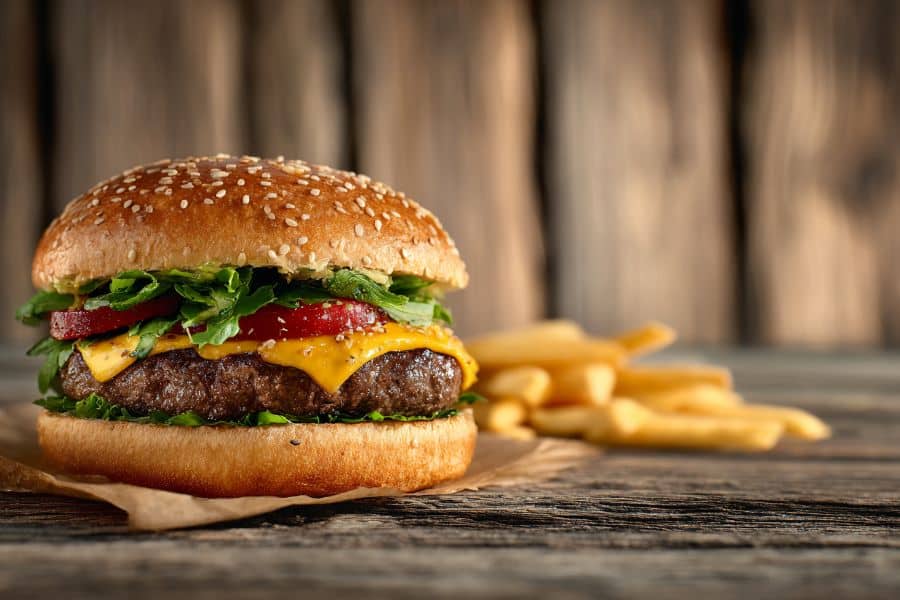
Living in France, it would be an absolute sin to have processed, packaged cheese. SacreBleu! The French are serious about their cheese, so I wouldn’t dare go into the supermarket and buy packet cheese. But that aside, here’s the thing about processed cheese. That individually wrapped American cheese slice, Velveeta, or Cheez Whiz might taste great on a burger, but neurologists are raising some serious red flags about what they could be doing to your brain.
Research published by neurosurgeon Dr. Betsy Grunch found that processed cheeses contain an enzyme called diacetyl, which is used to flavor them and make them creamier and more addictive.
The problem is that diacetyl can pass through the blood-brain barrier and has been linked to the formation of dangerous plaques in the brain, potentially contributing to memory decline and cerebrovascular disease. Interestingly, while some studies suggest natural fermented cheeses like cheddar or camembert might actually support brain health, the heavily processed versions are a completely different story.
Alternatives
Swap to aged cheddar, gruyere, or fresh mozzarella for your sandwiches and snacks. These naturally fermented cheeses skip the additives and may actually benefit your brain
White Bread

Buying daily bread from the boulangerie here in France is a ritual that pretty much every French person I know abides by. I’ve been happy to adopt this one as I love bread. However, the bread here is different: if you go for a white baguette, it’s made with only four ingredients and isn’t bad for you.
But when it comes to white processed bread, the science is pretty clear that it’s not doing your brain any favors. White bread is a refined carbohydrate that’s been stripped of all its beneficial nutrients during processing. A study published in Current Opinion in Clinical Nutrition & Metabolic Care found that diets high in refined carbohydrates, such as white bread, cause rapid spikes and crashes in blood sugar levels, which can lead to brain fog, fatigue, and long-term cognitive decline.
The research shows that these refined carbs may affect the gut-brain axis and trigger inflammation throughout the body, including in the brain. Even more concerning, a study from the Mayo Clinic discovered that people aged 70 and older who ate the most carbohydrates in relation to protein and fat were nearly four times more likely to develop mild cognitive impairment.
Alternatives
Reach for sourdough, whole-grain bread, or sprouted grain options that release energy slowly and keep your blood sugar stable throughout the day.
Canned Soups
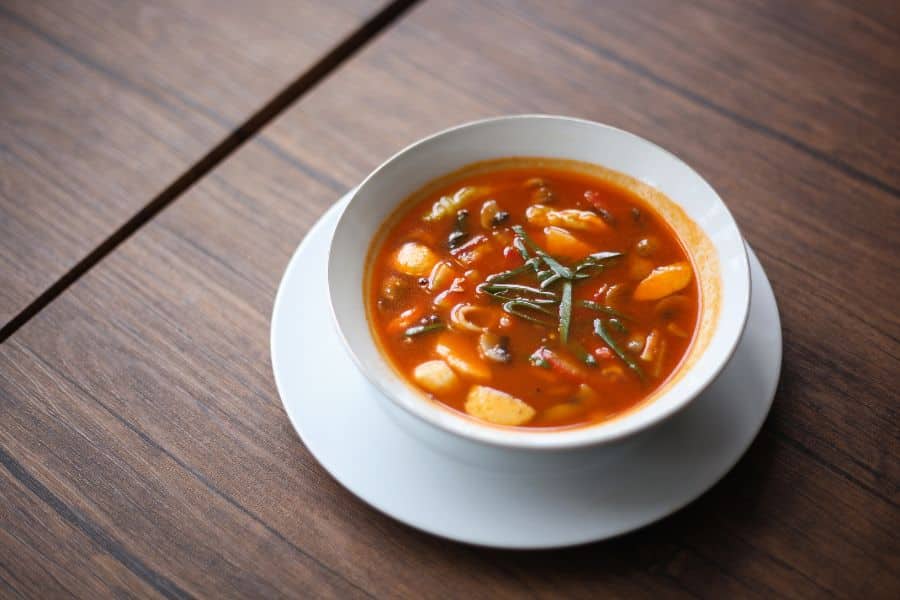
I was surprised at this one. Now, I have to admit, I like making my own soups, but when you don’t have time, canned soup is convenient, especially on days when you can’t be bothered to cook. But here’s what you need to know about what’s lurking in that can.
Most canned soups are absolutely loaded with sodium, and research published in the Journal of the American Medical Directors Association found that excessive dietary salt intake can cause neurotoxicity, reduce cerebral blood flow, and significantly increase dementia risk.
One study that followed participants for over 11 years discovered that compared to people with low salt intake, those with high salt intake had a 330% increased risk of developing cognitive impairment. The sodium in canned soups can raise blood pressure and restrict blood flow to your brain, effects that have been directly linked to impaired attention, memory problems, and increased dementia risk according to research from Weill Cornell Medicine.
Alternatives
Make a big batch of homemade soup on Sunday and freeze portions, or look for low-sodium versions in cartons. Adding fresh herbs instead of salt brings tons of flavor without the brain fog.
Artificial Sweeteners

I always reach for the diet soda when I’m shopping, as I’ve always believed it to be the healthier option, especially when you’re trying to cut calories. Well, turns out those artificial sweeteners might be doing more harm than good, especially to your brain.
Research shows that artificial sweeteners like aspartame, saccharin, and others found in diet drinks and sugar-free foods can alter the gut microbiome and disrupt neurotransmitter balance in your brain.
A comprehensive review published in Healthline’s examination of brain-damaging foods found that in high doses, phenylalanine (a component of aspartame) can cross the blood-brain barrier and disrupt the production of neurotransmitters.
Studies have associated regular consumption of these sweeteners with behavioral, emotional, and cognitive problems. What’s particularly concerning is that aspartame acts as a chemical stressor that can impact the gut-brain axis and increase your brain’s vulnerability to oxidative stress.
Alternatives
If you’re craving something sweet in your coffee or tea, try a small amount of honey or maple syrup, or get used to less sweetness overall. Your taste buds will adjust faster than you think. For sugar-free drinks, swap diet sodas for sparkling water with a splash of fruit juice, or herbal teas that give you flavor without the artificial dose.
Pot Noodles
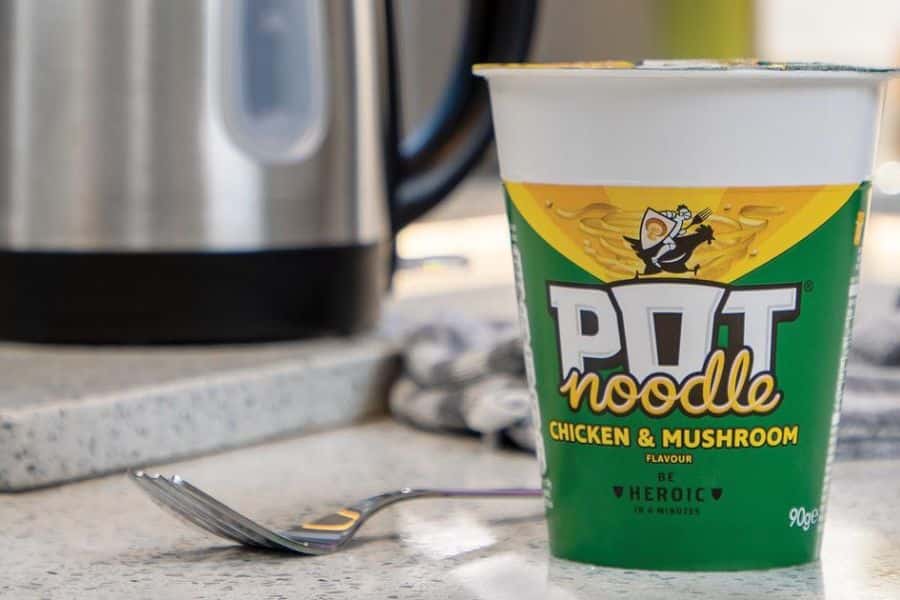
Guilty again. I get these for hubby to take to work as he loves them, but apparently, these aren’t good either. The combination of ingredients in these highly processed meals is basically a perfect storm for your brain.
Pot noodles and similar instant meals are ultra-processed foods that are packed with refined carbohydrates, excessive sodium, unhealthy fats, and virtually no nutritional value. Research analyzing ultra-processed food consumption found that for every 10% increase in ultra-processed foods in your diet, the risk of cognitive issues rises significantly.
A large study published in retirement media outlets discovered that diets with higher proportions of these foods were associated with faster rates of cognitive decline and a greater risk of stroke and impairment. These foods trigger inflammation, impair glucose metabolism, and damage brain structures like the hippocampus, which is crucial for memory formation.
Alternatives
Pack a thermos with homemade soup or last night’s leftovers, or grab a low-sodium cup of miso soup with some whole-grain crackers. If you need something shelf-stable for your desk drawer, try instant oatmeal cups or nut butter packets with whole-grain bread.
Soy Sauce
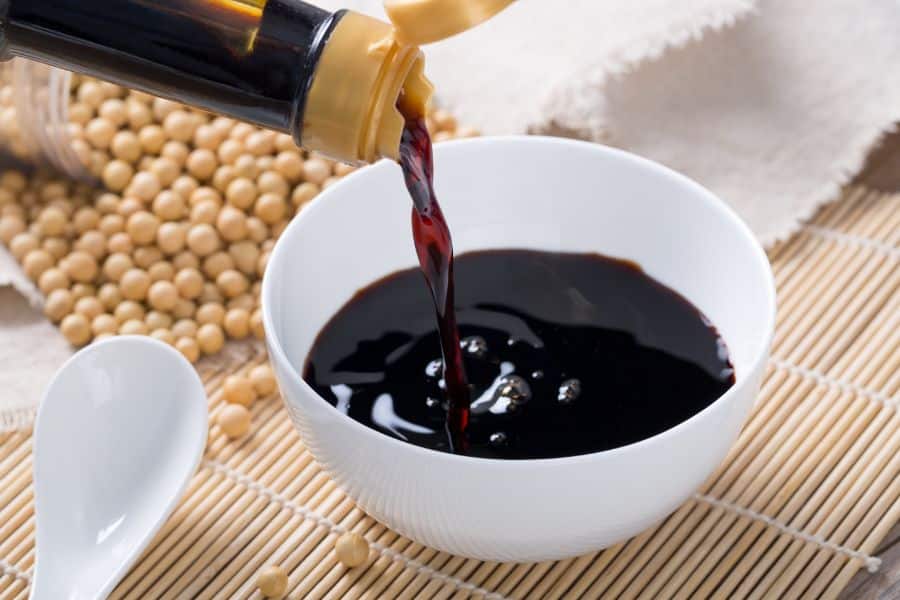
I really wasn’t expecting this one. We have a lot of asian inspired meals, so I use a lot of soy sauce, but it’s all about the sodium content. Just one tablespoon of regular soy sauce can contain over 1,000 milligrams of sodium, which is nearly half the recommended daily limit.
Studies from the National Institutes of Health found that high salt intake causes chemical changes to a protein called tau in the brain. When tau becomes phosphorylated (a chemical change induced by excess salt), it can clump in the brain, and these clumps are linked to dementias like Alzheimer’s disease.
Research published in Nature demonstrated that mice fed high-salt diets had trouble with memory and cognitive tasks, showing increased levels of phosphorylated tau in their brains. The concerning part is that this damage occurs independently of changes in blood pressure, meaning even if you don’t have hypertension, excessive sodium from sources like soy sauce could still be affecting your brain health.
Alternatives
Switch to low-sodium soy sauce or coconut aminos, which taste similar but contain a fraction of the salt. You can also try a squeeze of fresh lemon juice for that savory kick.
Energy Drinks

I’ve never been a fan of energy drinks, although I did try Red Bull when it first came out. It turns out they are full of false promises. They say they’ll boost your mental alertness and help you power through your day, but the reality is they might be doing the opposite in the long run.
These drinks typically contain massive amounts of sugar and caffeine, along with artificial ingredients. While moderate caffeine consumption (up to 400mg daily for healthy adults) has been shown to enhance cognitive performance, excessive caffeine has been linked to increased dementia risk according to research published in Good Housekeeping’s health analysis.
The real problem is the sugar content. Studies show that high sugar intake from beverages can cause inflammation and impair communication between brain cells, leading to decreased cognitive flexibility and poor memory over time. The combination of excessive caffeine, sugar spikes and crashes, and artificial additives creates a cocktail that can impair learning and memory while accelerating brain aging.
Alternatives
If you need an energy boost, try drinking more water throughout the day (dehydration causes fatigue), eating protein-rich snacks like nuts or Greek yogurt for sustained energy, or taking a quick 10-minute walk to get your blood flowing. These give you real energy without the sugar spikes and chemical cocktail.
Margarine

I’ve always hated margarine and can’t stand the taste. Plus, butter in France is unbelievably good with crystallized salad on top. Yum! But for years, margarine was marketed as the healthier alternative to butter. Turns out, that marketing might have been seriously misleading when it comes to brain health.
Margarine is typically made from seed or vegetable oils and often contains trans fats from partially hydrogenated oils. Research has consistently shown that trans fats are incredibly damaging to brain health. According to studies examining foods that harm cognitive function, trans fats increase LDL cholesterol, promote systemic inflammation, and damage blood vessels that supply the brain.
These fats are known to increase the risk of cognitive decline and even brain shrinkage as people age. One study found a strong link between trans fat consumption and a higher risk of Alzheimer’s disease. Even though many products have reduced trans fats in recent years, heavily processed oils and margarine remain linked with poorer memory and neurological outcomes.
Alternatives
Go back to real butter in moderation, or use extra virgin olive oil for cooking and spreading on bread. Your brain will thank you for the quality fats.
Vegetable Oils

This might be the most controversial one on the list, but hear me out. Not all vegetable oils are created equal, and some of the most commonly used ones could be problematic for your brain. Highly processed vegetable oils like soybean, corn, and canola oil are high in omega-6 fatty acids, which can lead to cognitive decline and inflammation when consumed in excess.
Research examining toxic ingredients for brain health found that these processed oils, when consumed in large amounts without adequate omega-3 balance, contribute to inflammation that damages brain cells and affects cognition through oxidative stress.
The problem isn’t necessarily the oils themselves in small amounts, but rather the fact that they’re everywhere in processed foods, creating an imbalance in the omega-6-to-omega-3 ratio that our brains need. Studies suggest this inflammatory response can impair memory and cognitive function over time.
Alternatives
Cook with extra virgin olive oil, avocado oil, or coconut oil instead. These options offer better omega-3-to-omega-6 ratios and don’t trigger the same inflammatory response.
DISCLAIMER
This article is for informational purposes only and should not be considered medical advice. While the information presented is based on scientific research and studies, individual health needs vary significantly. Before making any significant changes to your diet, especially if you have existing health conditions or are taking medications, please consult with your healthcare provider or a registered dietitian. The foods mentioned in this article may affect different people differently, and moderation is key. This content is not intended to diagnose, treat, cure, or prevent any disease.
Disclaimer: This article is for general information only and is not professional advice. It may contain affiliate links. Please see our full Editorial Policy for details.

Kylie Lang is a nationally syndicated travel journalist with bylines on the Associated Press Wire & more, a lifestyle writer, and the founder and editor of Your Lifestyle Library (yourlifestylelibrary.com). She holds a BA (Honours) in History from the University of Kent and is a member of the British Guild of Travel Writers.