
Who says a memorable summer vacation has to cost a fortune?
Right now, a handful of destinations are offering exactly the kind of experience most of us dream about, which is sunshine, history, great food, and warm water, without the jaw-dropping price tag that comes with the big-name hotspots.
Whether you’re craving a beach escape, an ancient city to wander, or something that feeds your soul as well as your senses, these seven places deliver all of that and then some. The best part? Your dollar goes a lot further in each one.
Here are the vacation destinations to go to this summer.
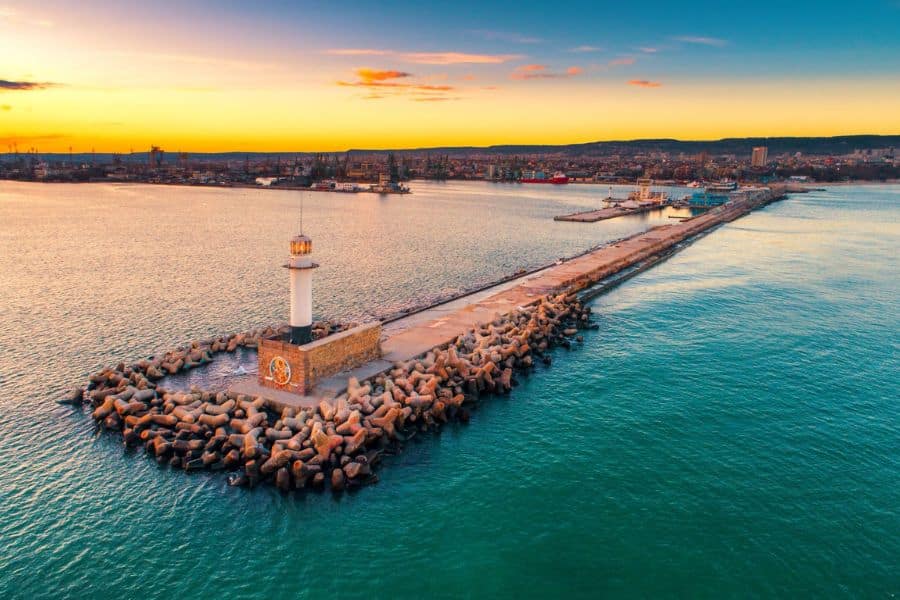
Greece: Thessaloniki
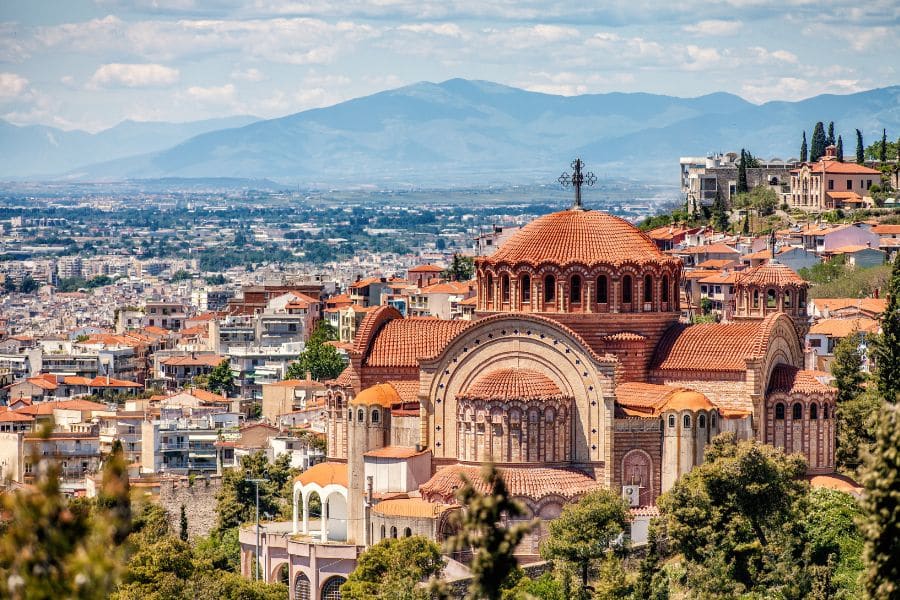
Forget Athens. Thessaloniki is where the Greeks actually go, and once you’ve spent a few days here, you’ll understand why.
This is Greece’s second city, and it has more UNESCO World Heritage Sites than any other European city, with 15 in total, including Byzantine churches with 7th-century mosaics that rival anything you’ll see in Ravenna.
The ancient Arch of Galerius and the iconic White Tower sit alongside a 5km waterfront promenade where locals sip coffee until the sun goes down. And then there’s the food. Thessaloniki is officially Greece’s first UNESCO City of Gastronomy, which basically means it takes its eating very seriously indeed.
Don’t leave without trying bougatsa, a custard-filled pastry invented right here, from one of the old-school bakeries that still makes the filo by hand.
Compared to Athens or the islands, prices are noticeably lower across the board, from accommodation to meals to admission fees.
Top Tips:
- Best Time to Visit: April, May, and June are ideal before peak summer heat arrives. September is also excellent with quieter streets.
- How Long to Spend: Three days comfortably cover the highlights, with a day trip to the Axios Delta nature reserve or nearby Mount Olympus.
- Experiences to Try: Walk the waterfront to the White Tower, explore the Byzantine churches (many are free), wander the Ano Poli upper town on foot, shop the Kapani market, and eat your way through the Ladadika district at night.
- Getting There: Thessaloniki Airport (SKG) has direct flights from many European and US hubs. The airport bus X1 to the city center costs around $2.
Bulgaria: Varna

Bulgaria is still one of Europe’s most underrated beach destinations, and Varna is its crown jewel on the Black Sea coast.
The city has been inhabited since at least the Bronze Age, and the Varna Archaeological Museum holds the proof in spectacular fashion. Inside, you’ll find the Gold of Varna, a collection of jewelry and ceremonial objects dating back to 4600 BC, widely considered the oldest worked gold ever discovered.
The Roman baths in the city center, built in the 2nd century AD, cover over 7,000 square meters and rank as the fourth largest Roman bath complex still standing anywhere in the world. Beyond the history, Varna is simply a fun summer destination.
The beach stretches along a coastal walkway lined with restaurants, bars, and beach clubs, and the Sea Garden, established in 1878, spans eight kilometers of parkland overlooking the water. Prices are exceptionally low by European standards, and the nightlife is lively without being exhausting.
A quick side trip to the Euxinograd Palace, the former royal summer residence surrounded by 800 acres of landscaped gardens, is well worth the effort.
Top Tips:
- Best Time to Visit: May through September for beach weather. June avoids the most intense crowds in July and August.
- How Long to Spend: Two to three days in the city, with extra time if you plan to explore the Golden Sands resort area or Balchik Palace nearby.
- Experiences to Try: Varna Archaeological Museum (don’t miss the Gold of Varna), the Roman baths, the Sea Garden promenade, the Retro Museum for a communist-era time warp, and a Black Sea boat cruise.
- Getting There: Varna Airport is well connected to major European cities by direct flights, many of them low-cost. From Sofia, you can travel by train or bus in around seven to eight hours.
Portugal: Algarve Coast

The Algarve has been Europe’s best-kept beach secret for decades, except it isn’t that secret anymore. But with 100 miles of coastline to choose from, it still has plenty of room for everyone.
This is where the Atlantic meets the Mediterranean in terms of feel. The cliff formations along the central Algarve are some of the most dramatic in the world, and the caves are unlike anything else in Europe.
Lagos, the standout town on the western coast, has a historic old town, some of Portugal’s most scenic beaches within walking distance, and a lively surf culture that gives the whole place an easy, laid-back energy.
The Benagil Sea Cave, accessible only by boat or kayak, has become one of the most photographed places in Portugal, and rightly so. Inland, the 13th-century Moorish castle in Silves is the best-preserved in the Algarve, yet most visitors miss it. It costs almost nothing to get in, and the views from the battlements are excellent.
Prices are roughly 25% lower here than on Spain’s Costa del Sol just across the border, and the food scene, built around fresh Atlantic seafood, is exceptional value.
Top Tips:
- Best Time to Visit: June and early September offer the best balance of sunshine and manageable crowds. July and August are peak season with higher prices and packed beaches.
- How Long to Spend: Four to seven days. A week lets you explore multiple towns without rushing.
- Experiences to Try: Benagil Sea Cave boat tour, the Seven Hanging Valleys coastal hike near Lagoa, exploring Lagos Old Town, Silves Castle, and a boat trip through the Ria Formosa Natural Park from Faro.
- Getting There: Faro International Airport (FAO) is the main hub, served by multiple European budget airlines. Budget carriers from London take under three hours.
Albania: Himarë
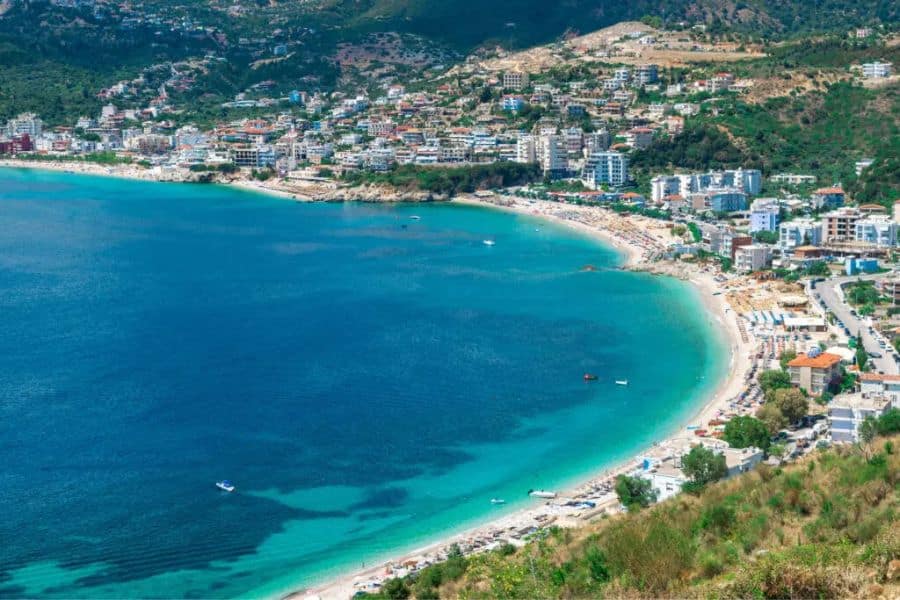
Albania is still the Adriatic’s biggest secret, and Himarë is arguably the best place to base yourself on the entire Albanian Riviera.
It’s a small coastal town at the foot of the Ceraunian Mountains, with some of the clearest water in the Mediterranean. The beaches are predominantly pebble, which is part of why the water stays so extraordinarily clear and blue. Much of the beach is still public here, unlike further south around Ksamil, where beach clubs have taken over almost every inch of sand.
Himarë also has a notable Greek influence. The town has a significant ethnic Greek community, so the food scene leans heavily toward excellent Greek-style tavernas serving fresh fish, good wine, and simple dishes done very well.
Above the new town, the ruins of Himarë Castle date back to the 5th century BC. Climb up at sunset, and the views over the bay are genuinely breathtaking. Porto Palermo Castle, a 19th-century fortress built by the Ottoman ruler Ali Pasha, is a 20-minute drive south and absolutely worth the trip.
At current rates, Albania is one of the least expensive countries in Europe. A full day of beaches, meals, and activities can cost surprisingly little.
Top Tips:
- Best Time to Visit: June and September are the sweet spot. July and August are peak season with higher prices and temperatures regularly hitting 40°C.
- How Long to Spend: Three to five days lets you explore the town’s beaches, take a boat tour to Grama Bay, and take a day trip to nearby Gjipe and Dhermi beaches.
- Experiences to Try: Grama Bay boat tour (accessible only by water), Gjipe Beach hike or jeep ride, sunset at Himarë Castle, Porto Palermo Castle, and the evening xhiro (sunset promenade walk) along the waterfront.
- Getting There: Fly into Tirana (TIA) and take a bus south to Himarë. The journey takes around four to five hours. Buses run regularly and cost very little.
Turkey: Antalya
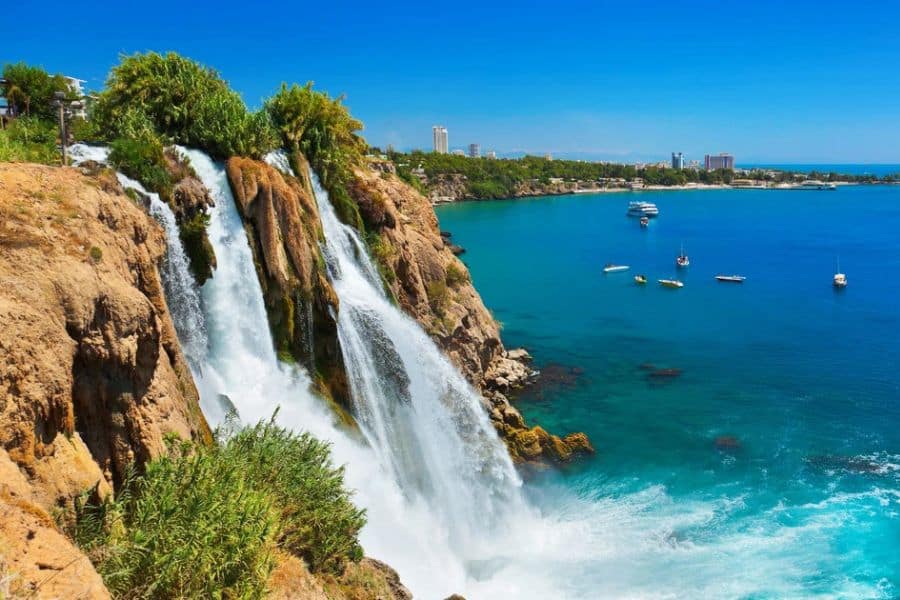
Antalya is where the Turkish Riviera begins, and once you see it, the comparisons to the south of France start making a lot more sense.
The old town of Kaleiçi is one of the best-preserved historic centers in Turkey. Walk through Hadrian’s Gate, a triumphal arch built for the Roman Emperor Hadrian’s visit in 130 AD, and you step into a maze of cobbled streets, Ottoman buildings, and an ancient Roman harbor that has been the heart of the city for 2,000 years. The gate itself is in remarkable condition for something almost 1,900 years old.
Beyond the old town, Antalya is an excellent base for day trips. The ancient ruins of Perge and Aspendos are within easy reach. Aspendos in particular contains one of the best-preserved Roman theaters in the world, with seating for 15,000 people and acoustics good enough that concerts are still held there today. The Düden Waterfalls, free to enter, drop directly into the Mediterranean Sea.
Turkey’s current exchange rate means your dollars go exceptionally far here, making it one of the best-value destinations available to American travelers right now.
Top Tips:
- Best Time to Visit: Late May, June, and September offer excellent weather without peak summer prices and extreme heat. July and August temperatures regularly exceed 35°C.
- How Long to Spend: Four days comfortably cover the city and key day trips.
- Experiences to Try: Walk the Kaleiçi old town, visit Hadrian’s Gate, take a day trip to Aspendos Roman Theatre, explore the Düden Waterfalls, and spend time on Konyaaltı Beach.
- Getting There: Antalya Airport (AYT) is one of Turkey’s busiest international airports with direct flights from many US and European cities. Budget flights from within Europe are widely available.
Montenegro: Kotor Bay

Kotor Bay is a flooded river canyon that, from above, looks exactly like a fjord, and is unlike anywhere else in the Mediterranean region. Kotor’s Old Town is a UNESCO World Heritage Site, a medieval maze of cobbled lanes, crumbling churches, and quiet courtyards where cats outnumber tourists on a slow morning.
The town began as a Roman settlement over 2,000 years ago and passed through the hands of the Byzantines, Venetians, and Ottomans before reaching the present day. The Venetians built the famous city walls, which climb 1,350 steps up the hillside to the fortress of St. John.
The climb is steep, no question, but the view from the top is one of the best you’ll find anywhere on the Adriatic. Start early to beat the heat and cruise-ship crowds, which typically arrive mid-morning.
The small village of Perast, ten miles north along the bay, is worth an afternoon to itself. A boat out to the man-made island of Our Lady of the Rocks, built from sunken ships over centuries, is an experience you won’t want to miss.
Top Tips:
- Best Time to Visit: May, June, and September are the ideal months. High summer is beautiful but crowded and expensive.
- How Long to Spend: Three to five days is right for Kotor and the surrounding bay, with time for day trips to Budva and Perast.
- Experiences to Try: Climb the Kotor Fortress walls early morning, hire a boat to Our Lady of the Rocks in Perast, take a bay boat tour to the Blue Cave, and drive or take a ferry to Budva Old Town.
- Getting There: Fly into Tivat Airport (TIV), the closest, or to Dubrovnik in Croatia, and drive over the border. The Dubrovnik crossing takes around two to three hours, including border control.
India: Rishikesh
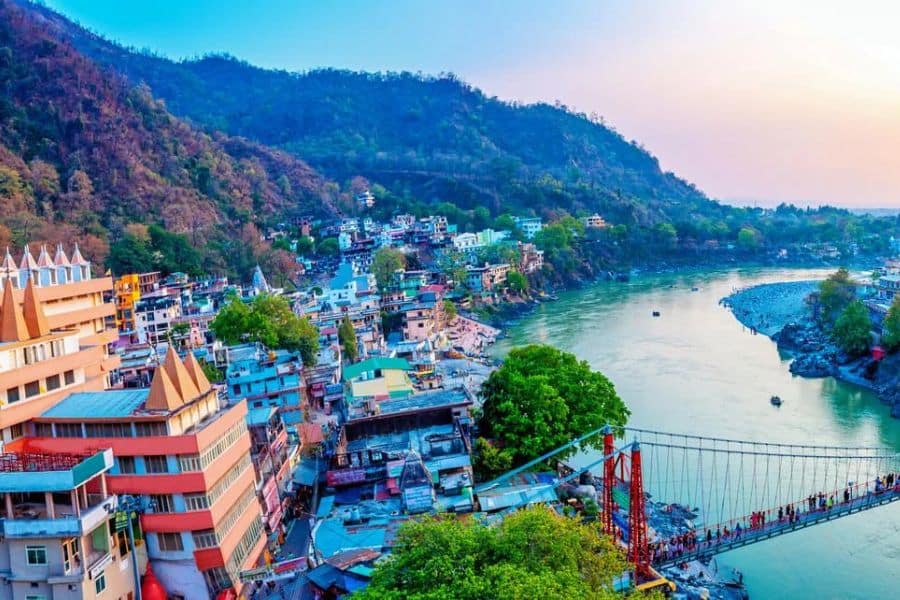
Rishikesh sits at the foot of the Himalayas in northern India, where the Ganges River comes crashing out of the mountains onto the plains. It’s known as the Yoga Capital of the World, but that title doesn’t really capture what it actually feels like to be there.
The ghats along the river fill before dawn with pilgrims and meditators, and the evening Ganga Aarti ceremony at Triveni Ghat, where three rivers meet, is one of the most striking things you can watch anywhere in the world. In 1968, the Beatles came here to study transcendental meditation at the Maharishi Mahesh Yogi’s ashram. They wrote much of the White Album during their stay. The ashram, known as the Beatles Ashram or Chaurasi Kutia, is now open to visitors and covered in extraordinary murals.
For those who want something more active, the Ganges through Rishikesh is one of the best white-water rafting rivers in Asia, with routes ranging from gentle stretches to serious Grade IV rapids.
With current exchange rates, a comfortable week in Rishikesh, including accommodation, meals, and activities, costs a fraction of what you’d spend almost anywhere in Europe.
Top Tips:
- Best Time to Visit: March to May and September to November are ideal for the weather and activities. The monsoon season from July to September brings heavy rain and closes down rafting, but prices drop significantly, and the town is quieter.
- How Long to Spend: Three to five days gives you enough time for yoga, the ghats, the Beatles Ashram, and at least one rafting trip.
- Experiences to Try: Evening Ganga Aarti at Triveni Ghat, the Beatles Ashram at Chaurasi Kutia, white-water rafting on the Ganges (available from late September to June), a yoga class or retreat at one of the established ashrams, and the Neer Garh Waterfall hike.
- Getting There: The nearest airport is Jolly Grant in Dehradun, about 21km from Rishikesh, with daily flights from Delhi, Mumbai, and Bangalore. Alternatively, take a train to Haridwar and then a shared taxi or bus, which takes around 45 minutes.
Disclaimer: This article is for general information only and is not professional advice. It may contain affiliate links. Please see our full Editorial Policy for details.

Kylie Lang is a nationally syndicated travel journalist with bylines on the Associated Press Wire & more, a lifestyle writer, and the founder and editor of Your Lifestyle Library (yourlifestylelibrary.com). She holds a BA (Honours) in History from the University of Kent and is a member of the British Guild of Travel Writers.