
Using old tea bags as fertilizer is a trick my Grandad told me about back in the seventies. He had an allotment, which many men had in those days in Grays, where they lived. The houses there were terraced with tiny backyards not fit for growing much.
But my Grandad had green fingers and could grow pretty much anything anywhere, and it would thrive. He didn’t have access to any of the modern-day fertilizers or pesticides we have today, and probably wouldn’t have used them if he had.
He swore by the old habits that his parents and their parents before had used, and one of them was using used tea bags as fertilizer. My Nana and Grandad loved a cup of tea, so there were plenty of them to go around.
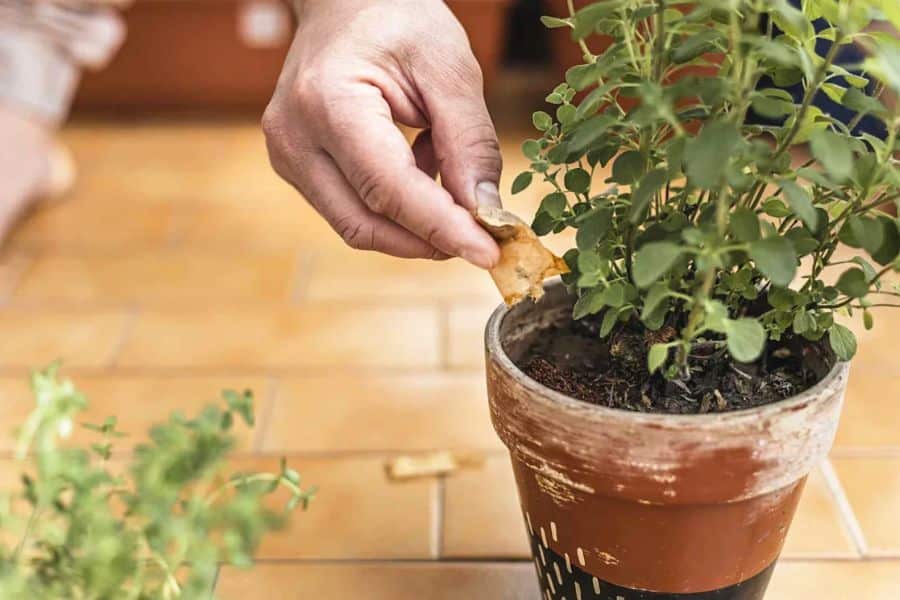
Why Used Tea Bags Work So Well in the Garden
Before we get to the plants, it’s worth understanding what’s actually happening when you bury a tea bag in your soil. Because once you get it, you’ll never throw one away again.
Tea leaves are rich in nitrogen. This is the nutrient your plants need most for leafy, healthy growth. It helps them produce chlorophyll, which is what keeps leaves green and fuels photosynthesis. Shop-bought fertilizers deliver nitrogen too, but often in synthetic forms that wash out of the soil quickly. Tea leaves release it slowly as they break down, feeding roots gently over weeks.
Tea also contains potassium and phosphorus. Potassium strengthens stems and helps plants fight off disease. Phosphorus supports root development. These are three of the most important plant nutrients, and tea bags deliver all of them in one place for free.
Then there’s tannic acid. This compound gives tea its slightly bitter taste, and it does something really useful in the soil. It lowers the pH, making the soil more acidic. For plants that love acidic conditions, this is exactly what they need to absorb nutrients properly. Many gardeners pay good money for acidifying fertilizers to achieve the same result.
Beyond nutrients, used tea bags also improve soil structure. As the organic matter breaks down, it increases moisture retention, improves drainage, and feeds the beneficial microorganisms that keep soil healthy. More worm activity, better aeration, stronger roots.
Top Tip
Make sure your tea bags are made from paper, not synthetic material. Plastic polypropylene bags won’t break down in the soil. If your bag feels smooth and slippery, remove the leaves before using them and discard the bag itself. Paper bags with no staples or strings attached are fine to bury whole.
Also, let used bags cool completely before putting them near plants. Hot bags can shock roots.
9 Plants That Love Used Tea Bags
Tea leaves provide these plants with a natural, slow-release nutrient package that feeds them over time rather than giving them a chemical jolt and making them fade fast.
Roses
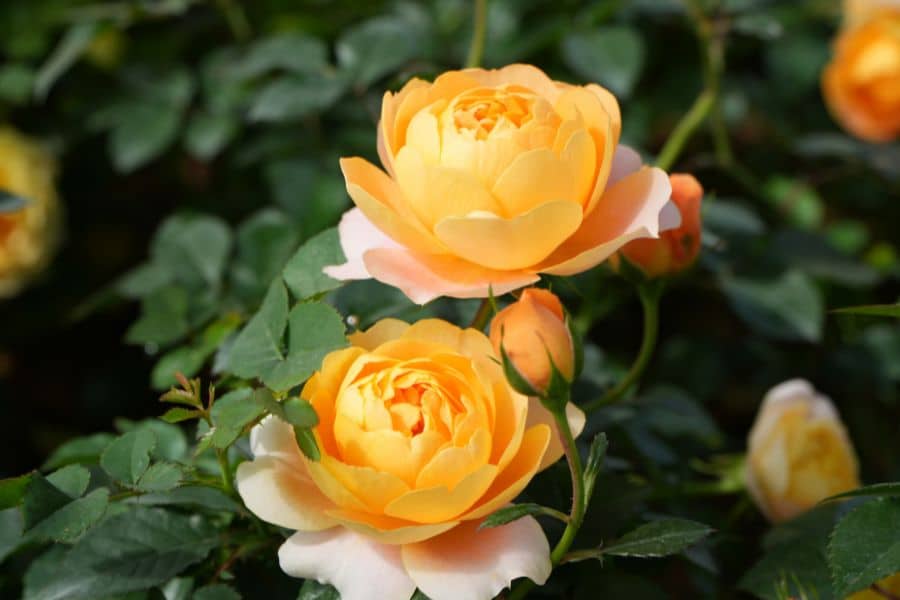
Grandad’s roses were the envy of the allotment, and I remember asking him why he was putting tea bags around his beautiful yellow roses when I was about 7 years old.
Roses thrive in slightly acidic soil with a pH between 6.0 and 6.5. The tannic acid in tea leaves keeps the pH in that sweet spot, especially useful if you’re gardening in alkaline soil. On top of that, nitrogen from the tea leaves promotes strong new growth in spring, which is exactly when roses need it most.
Scatter the loose leaves from used bags around the base of your roses and work them lightly into the soil. Do this once a month throughout the growing season, and your roses will reward you.
My grandad also used to steep used bags in water overnight and use the cooled liquid as a regular watering solution through spring and summer.
Basil
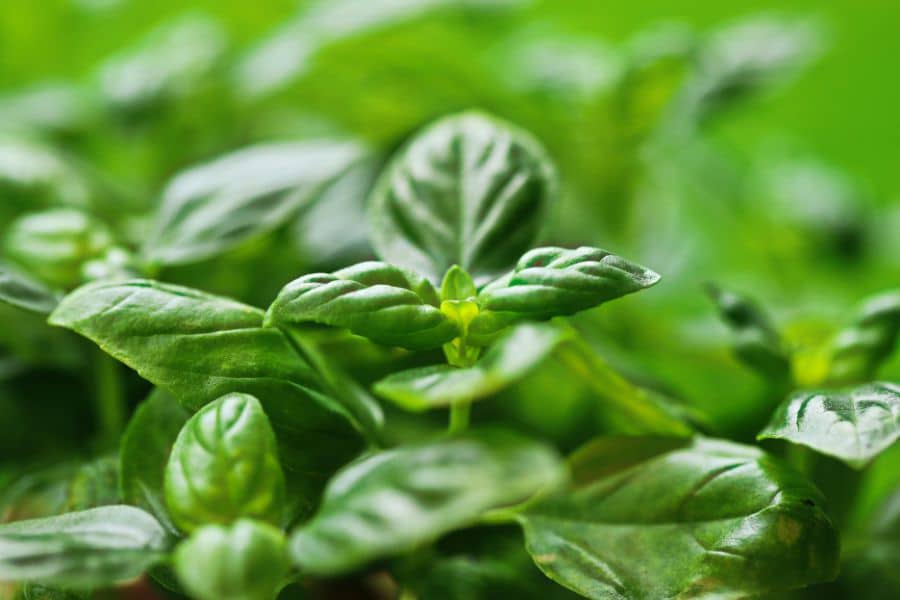
If you grow basil on a sunny windowsill or out in the garden, tea bags are one of the easiest ways to keep it producing leaves all summer.
Basil is a heavy nitrogen feeder. It needs a steady supply to keep producing the aromatic, leafy growth you want for pesto and pasta. When nitrogen runs low, growth slows, leaves turn pale, and the plant starts going to seed faster than you’d like.
Burying a used tea bag shallowly in the soil around your basil, or opening the bag and mixing the leaves into the top inch of soil, provides a slow drip of nitrogen that keeps growth coming. Do this every three to four weeks during the growing season, and you’ll notice the difference.
Don’t overdo it. Too much at once can push the soil too acidic for basil’s liking. A little and often is the right approach.
Parsley
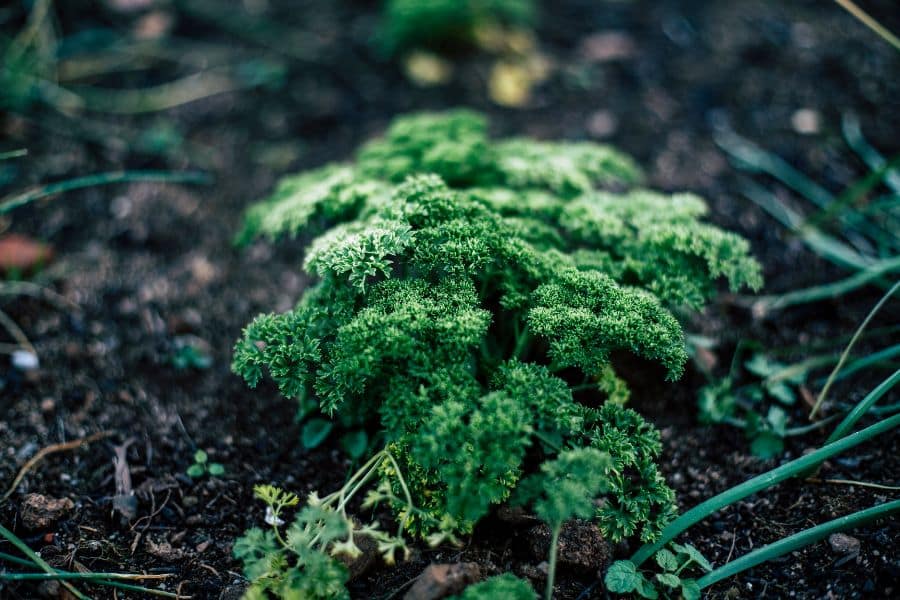
Parsley is a slow grower at the best of times, and it can look a little sorry for itself if the soil isn’t giving it enough of what it needs.
Like basil, parsley benefits most from the nitrogen in used tea leaves, which supports that dense leafy growth. But parsley also has a deeper root system than most herbs, and the improved soil structure from decomposing tea bags helps those roots penetrate more easily and access water more efficiently.
Open your used bags and work the loose leaves into the soil every few weeks through spring and summer. It’s a simple habit that adds up to noticeably stronger plants by midsummer.
Blueberries
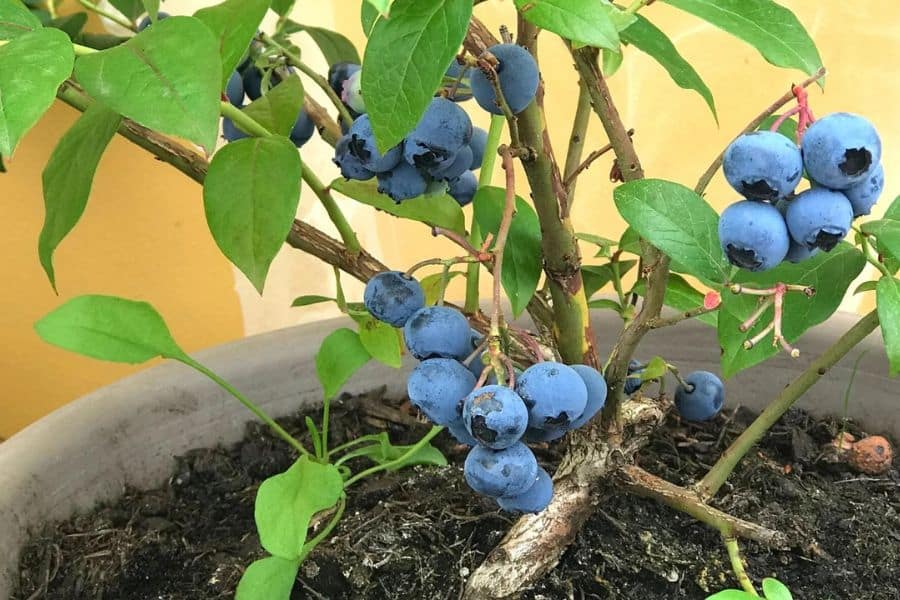
Blueberries are one of the most acid-loving plants you can grow, preferring a soil pH of 4.3 to 5.5. Getting that acidity right is the single biggest challenge for anyone trying to grow them, especially in containers.
Used tea bags break down, the tannic acid they release nudges the pH in exactly the right direction. Combined with the nitrogen boost for leafy growth and potassium for fruit production, it’s hard to think of a plant that benefits more from a weekly tea bag addition.
Tuck used bags into the soil around the base of your blueberry plant, or steep a couple of bags in a watering can overnight, then use that cooled liquid to water your plants once a week. Either method works. The liquid version delivers nutrients straight to the roots a little faster.
Strawberries
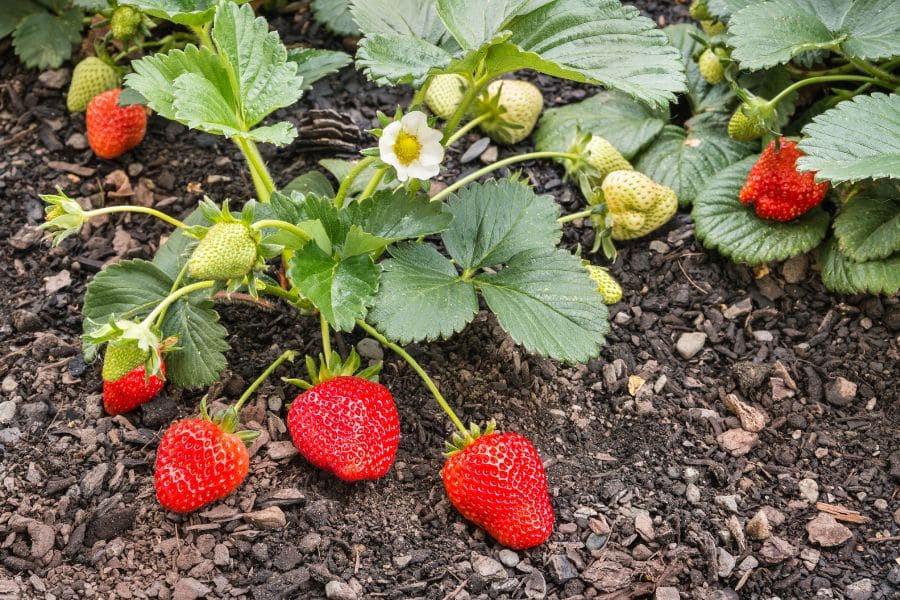
Strawberries need potassium more than almost anything. It’s what drives flower production, fruit development, and the natural sugar content that makes homegrown strawberries taste so much better than shop-bought ones.
Tea bags tick that box nicely. Bury them around the base of your strawberry plants at the start of the season, then again after the first flush of fruiting. The slow release of potassium, combined with the moisture-retaining properties of decomposing organic matter, creates the kind of steady growing conditions strawberries love.
A light, well-draining soil that stays consistently moist is ideal for strawberries, and the organic matter from tea bags helps maintain exactly that balance.
Tomatoes
Tomatoes are greedy plants. They want nutrients consistently throughout the season, and when those nutrients aren’t there, you know about it quickly. Yellowing leaves, poor fruit set, and blossom end rot are all signs of a plant that isn’t getting what it needs from the soil.
Tea bags help in a couple of ways. Early in the season, nitrogen supports vigorous leafy growth and strong stems. As the plant moves into fruiting, it needs less nitrogen and more potassium and phosphorus, both of which are provided by tea leaves. It’s a surprisingly well-timed nutrient profile for a tomato plant’s growth stage.
Bury used bags alongside your plants when you put them in the ground, and add more throughout the season. The decomposition of organic matter also improves soil moisture retention, reducing stress that can cause problems like blossom end rot.
Peppers
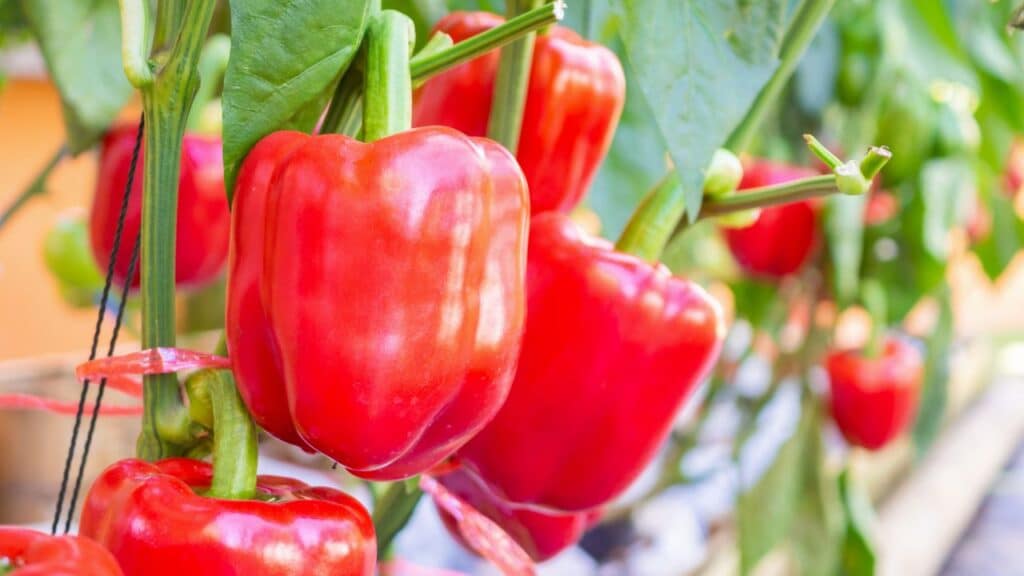
Peppers and tomatoes are close relatives, and they respond to tea bags in much the same way.
They need consistent nitrogen for strong leafy growth early in the season, followed by good potassium levels to support fruit production. Peppers are also slightly more tolerant of acidic soil than some vegetables, which means the pH-lowering effect of tannic acid won’t cause them any trouble.
Work used tea leaves into the soil when planting, and continue adding them throughout the summer. Peppers grown in containers benefit particularly well because the improved moisture retention helps keep potted soil from drying out too fast between waterings.
Azaleas
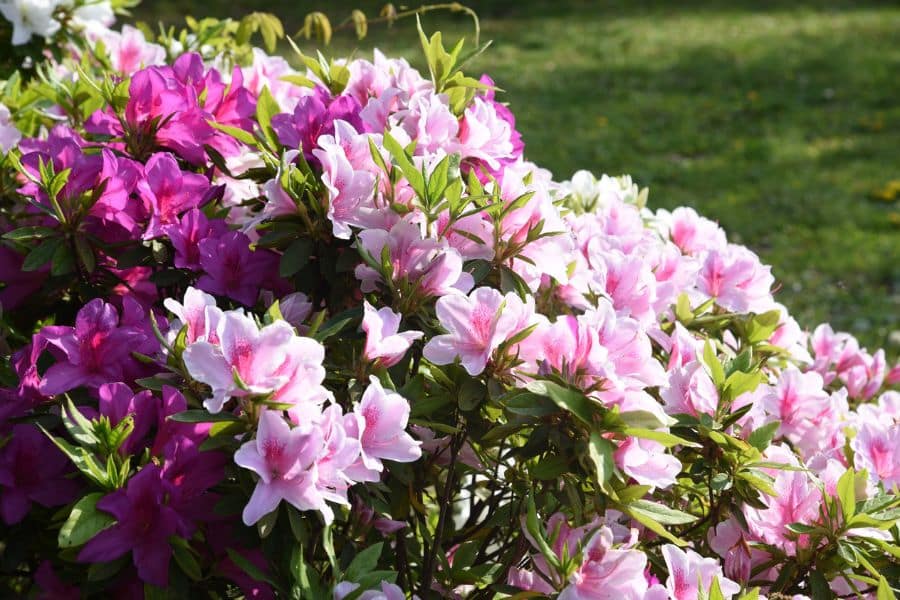
Azaleas are probably the most famous acid-loving plants in any garden, and they are one of the plants that respond best to used tea bags.
They need soil with a pH between 4.5 and 6.0 to absorb nutrients properly. In neutral or alkaline soil, azaleas struggle even if the soil is otherwise fertile because they simply can’t take up what they need. Regular applications of tea bags, either buried around the base or used as a liquid feed, help maintain that acidity naturally and consistently.
The nitrogen in tea leaves also encourages the new growth that produces the most dramatic blooms. If your azalea has been looking a little underwhelming in recent years, consistently low nitrogen is often the reason. A used tea bag every couple of weeks through spring and early summer is a simple, cost-free fix worth trying.
Spinach
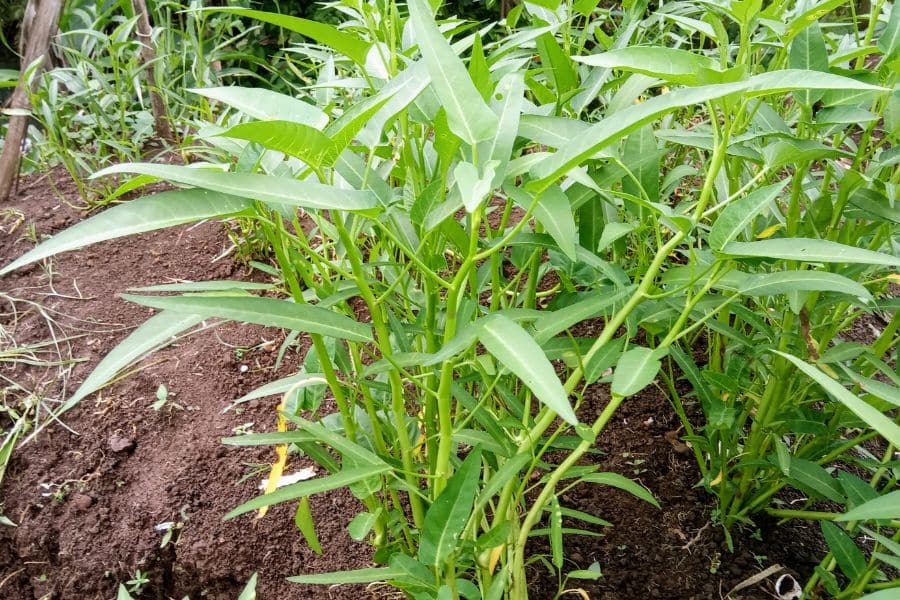
Every time you harvest leaves from a spinach plant, you’re taking nitrogen with you. Without regular replenishment, the plant slows down, leaves get smaller, and the harvest becomes disappointing fast.
Tea bags replace that nitrogen naturally and gently, without the risk of over-fertilizing that comes with concentrated liquid feeds. Work used leaves into the soil every two to three weeks through the growing season, and your spinach will keep producing longer than you’d expect.
The improved soil structure also matters here. Spinach has relatively shallow roots, and soil that retains moisture well without becoming waterlogged is exactly what it needs. Decomposing tea bags helps create exactly that kind of environment.
So next time you make your afternoon brew, don’t throw that bag away. Give it time to cool down, and take it out to the garden, or collect them up for the next day.
Your plants are waiting.