
You know that feeling when you walk past a neighbor’s garden bursting with color and think, “I could never do that”? I used to think the same thing. Every plant I touched seemed to wither within weeks, and I lost interest very quickly. I didn’t think I had what it takes to be a gardener.
Then I moved to rural France and everything changed. I had more time, and a French neighbor with a lot of patience. It was he who taught me that not all flowers need the same sort of care and attention as others.
There are plenty of plants that forgive you when life gets busy, when you forget to water for a few days, or when you’re not quite sure what you’re doing. So, if you’re ready to add some life to your garden without the stress, these twelve flowers are about to become your new best friends.

Daylilies
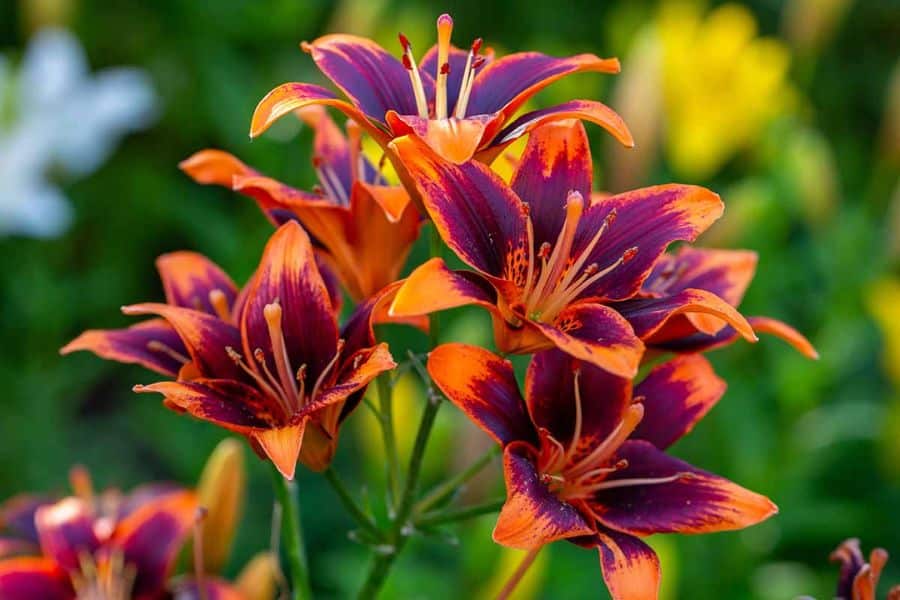
Here’s what I love about daylilies. You plant them once, and they just keep coming back. They’ll grow in almost any soil as long as water can drain through it. Give them sunshine, and they’ll reward you with those gorgeous trumpet-shaped blooms in every shade from pale yellow to deep burgundy.
The best part? After a few years, you can dig up the clumps, divide them, and suddenly you have plenty more plants to fill your garden or give to friends. Water them when it’s really dry, but otherwise they’re happy to take care of themselves. If you’re looking for a starter plant that builds your confidence, this is it.
Marigolds
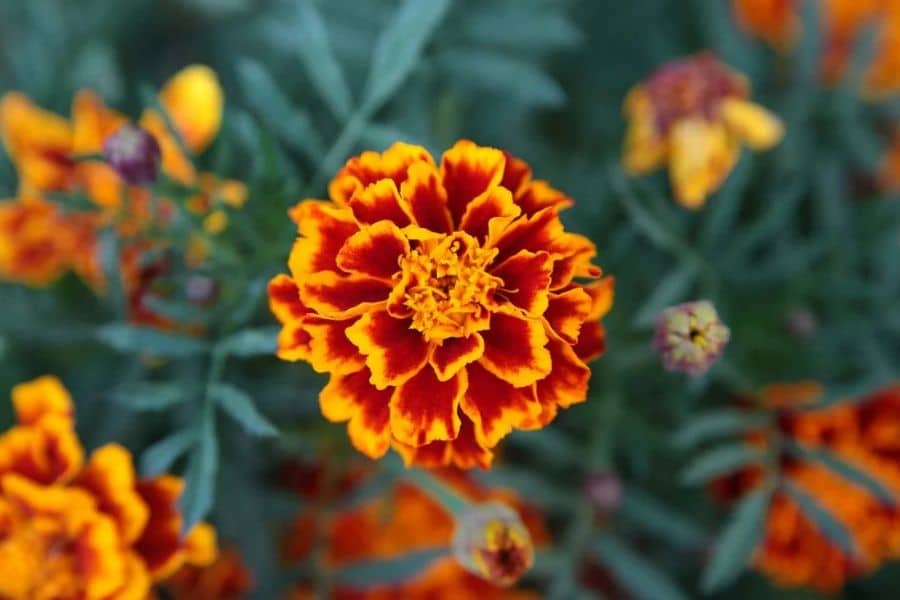
There’s something about marigolds that just makes you smile. Maybe it’s those bold oranges and golds, or the fact that they bloom their hearts out all summer long without asking for much in return.
I started planting these near my vegetables after reading that they help keep pests away. Whether that’s true or just gardening folklore, I’m not sure, but my tomatoes seem happier with marigold neighbors.
You can start them from seed if you’re patient, or grab some transplants from the nursery for instant gratification. They like the sun and don’t want to sit in soggy soil, but that’s about it for their requirements.
They’ll grow anywhere from a foot to five feet tall, depending on the variety you choose. Pop them in pots, line a pathway, or tuck them between other plants. They’re not picky about where they live.
Snapdragons
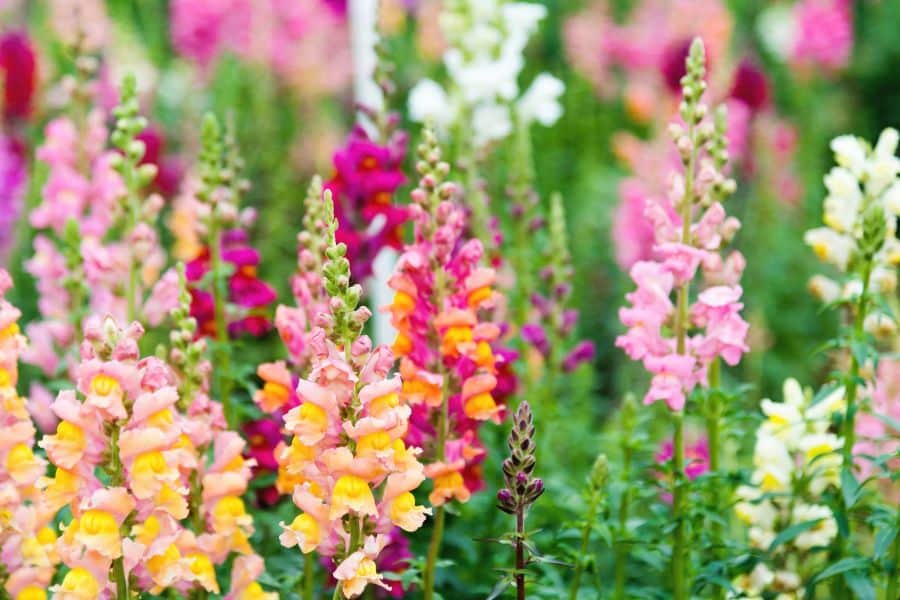
If you want something that doesn’t wither away in the cold, snapdragons are your flower. I plant mine in spring and again in fall because they actually prefer cooler temperatures. The tall spiky blooms come in the prettiest shades of pink, cream, red, and purple, and butterflies can’t resist them.
Kids love pinching the flowers to make them “snap” open and closed like little dragon mouths. Keep cutting off the dead flowers, and more will appear. That’s basically the only maintenance they need, aside from occasional watering. They work beautifully in containers if you don’t have garden beds, which makes them perfect for apartment balconies or small spaces.
Siberian Iris
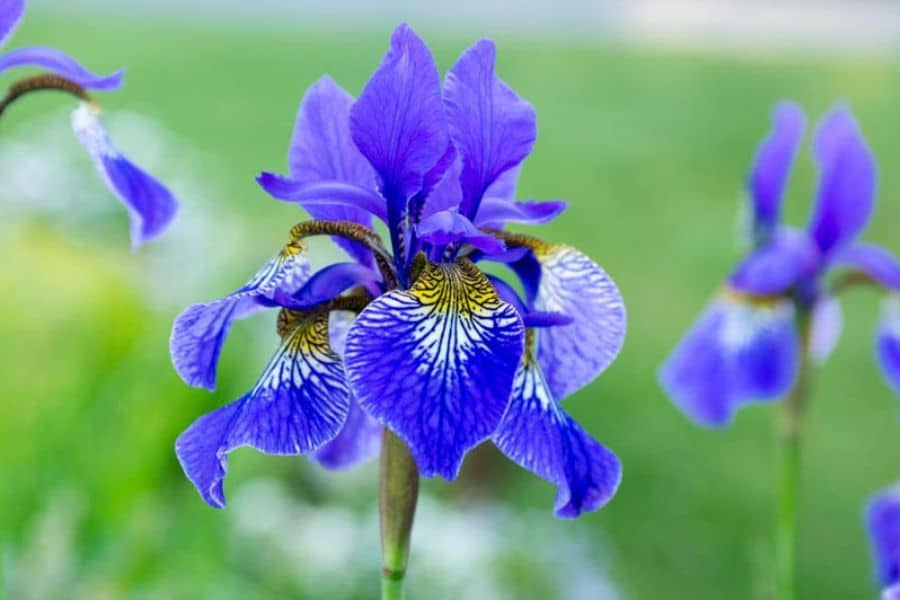
Siberian iris wants to grow, and it’s actually incredibly forgiving. The blooms appear in early summer in shades of purple, blue, and white, and they’re simply stunning. But here’s the secret: once you get them in the ground, they basically raise themselves.
They prefer soil that stays a bit moist and will tolerate some shade, though they bloom better with more sun. Plant the rhizomes in groups, and each year they’ll spread into fuller clumps without any help from you.
I cut the foliage back in late fall to tidy things up, but that’s honestly optional. These plants have given me the look of an experienced gardener without requiring me to actually become one.
Pansies
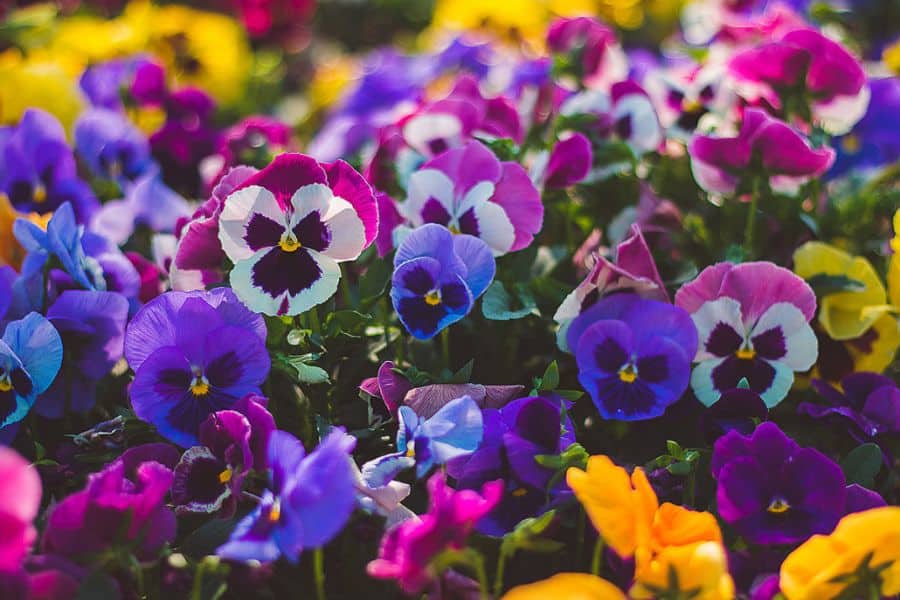
I love pansies, and you see them everywhere in the gardens of my little corner of France. Those little blooms with their distinctive markings always seem to be smiling up at you. I plant them in early spring or fall when the weather is still cool. They can handle a light frost without batting an eye, which means you get color when most other flowers are taking a break.
Pack them close together in a pot or garden bed, and you’ll get this carpet of purple, yellow, white, and everything in between. They need regular watering to keep the soil moist, but they’ll tell you when they’re thirsty by looking a bit droopy.
I like putting them near my front door, where I see them every time I come and go. It’s a small thing, but those cheerful faces never fail to improve my mood on rough days.
Portulaca
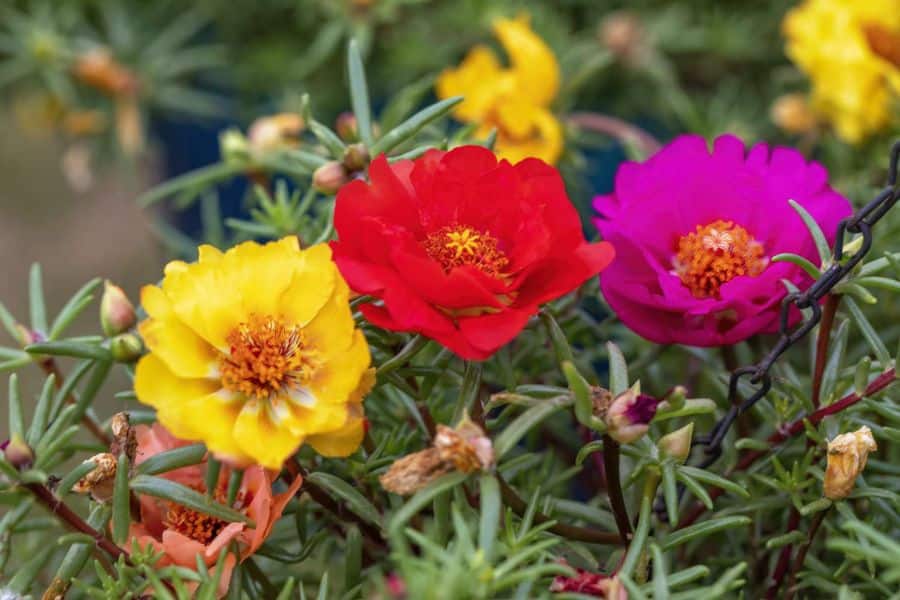
If you have a spot that gets blasted with sun all day and the soil is basically terrible, portulaca is your answer. This is the flower that thrives where others give up.
Sometimes called moss rose, it forms a low-growing mat of succulent leaves, with bright blooms that open in full sun. The colors are incredible: hot pink, orange, red, yellow, all these vibrant shades that just seem to pop out at you.
You can scatter seeds directly where you want them to grow, or plant starts for faster results. Once they’re established, you’ll probably forget they’re there because they need so little attention.
I have a patch growing in what used to be a sad, bare corner of my yard where nothing else would survive. Now it’s the brightest spot in the whole garden, and I barely lift a finger to maintain it.
Daffodils
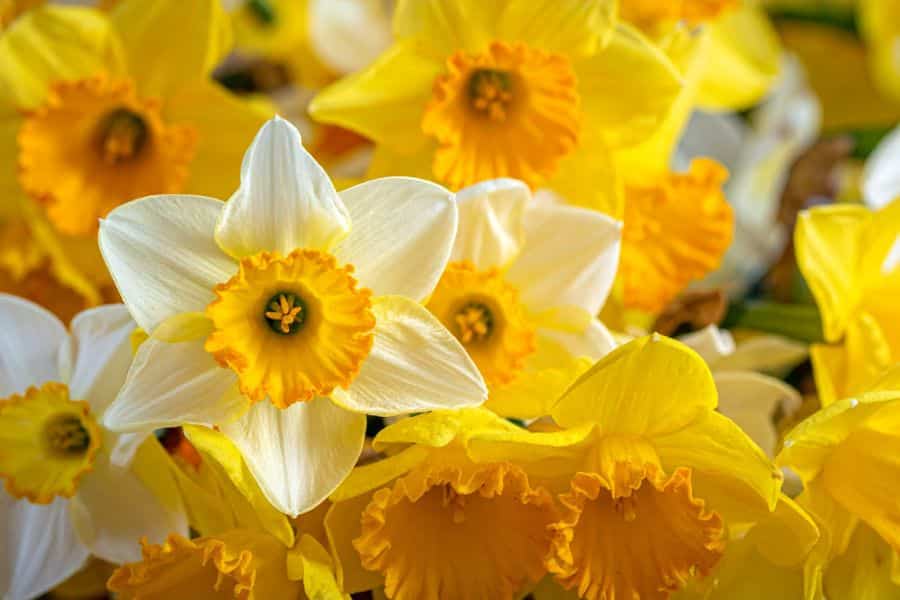
Daffodils signal spring better than any calendar date. When those sunny yellow faces pop up, you know winter is finally losing its grip. You plant the bulbs in the fall, and I usually put them where my tomato plants were, as it’s well-fertilized earth, and both daffodils and tomatoes seem to thrive.
They’ll grow in sun or partial shade and work just as well in pots as they do in garden beds. After they bloom, let the leaves die back naturally, even though they look messy. Those leaves are feeding next year’s flowers, then dig up the bulbs and wrap them in newspaper, ready to plant again.
Begonias
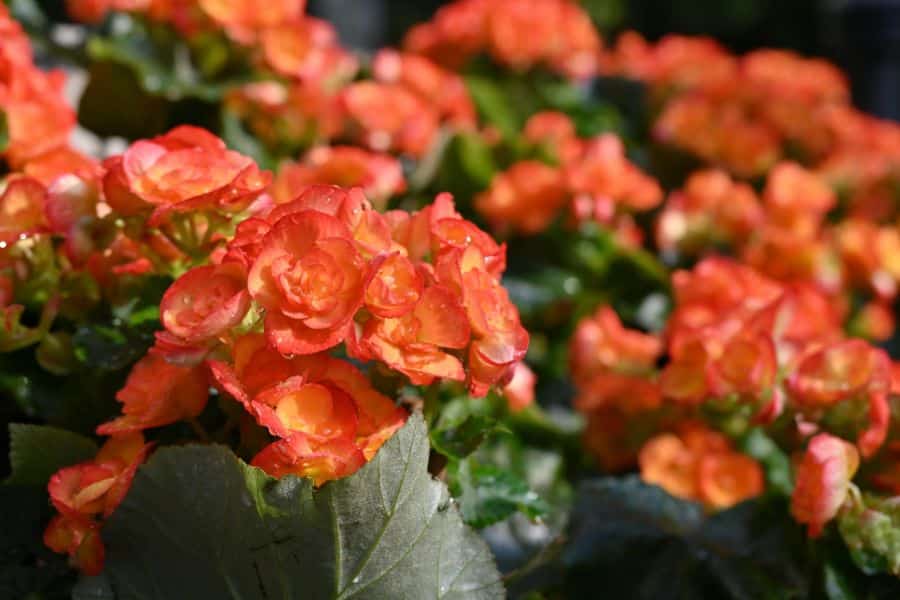
Begonias are wonderfully versatile and a favorite of my mom’s. Sun or shade, hanging baskets or garden beds, they adapt to whatever situation you give them.
I especially love them for those tricky, shady spots where not much else will bloom. The flowers come in reds, pinks, and whites, and they keep producing new blooms throughout the growing season if you remove the spent ones.
The main thing they ask for is consistent moisture. Not waterlogged, just evenly moist. I check them every few days and give them a drink if the soil feels dry. They’re one of those plants that look more high-maintenance than they actually are.
Catmint
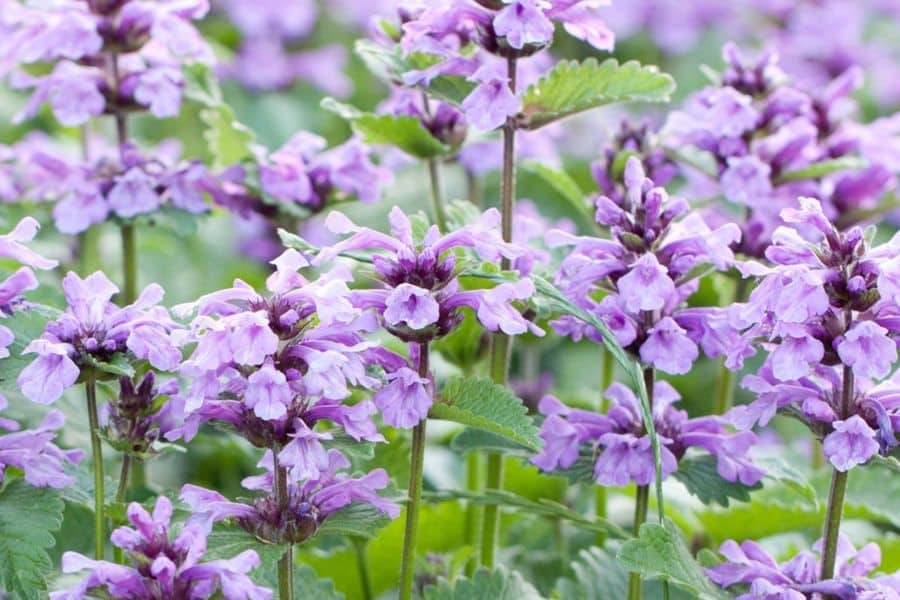
Catmint gives you soft clouds of lavender-blue flowers that pollinators absolutely adore. Bees and butterflies will thank you for planting it. The gray-green foliage looks good even when it’s not blooming, which is more than you can say for a lot of flowers. It works beautifully as an edging plant or tucked into rock gardens.
Once it’s established, it actually prefers less water rather than more. It’s one of those rare plants that punishes you for being too attentive. After the first flush of blooms fades, cut the whole plant back, and it’ll bloom again. Two shows for the price of one, and all it costs you is five minutes with a pair of garden shears.
Calendula
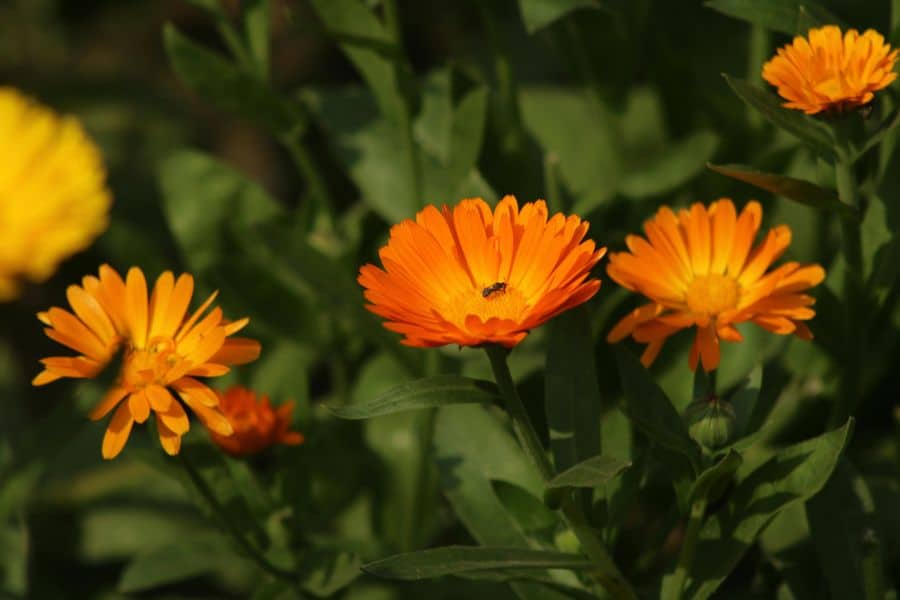
Calendula, or pot marigold, is both pretty and practical. The orange and yellow flowers brighten up the garden while helping keep pests at bay. Scatter the seeds where you want them, and they’ll sprout quickly with barely any encouragement. They’ll grow in full sun or partial shade and handle heat reasonably well.
The blooms keep coming for months if you keep cutting them. Even if you ignore them completely, they’ll still put on a decent show. That’s my kind of flower.
Impatiens
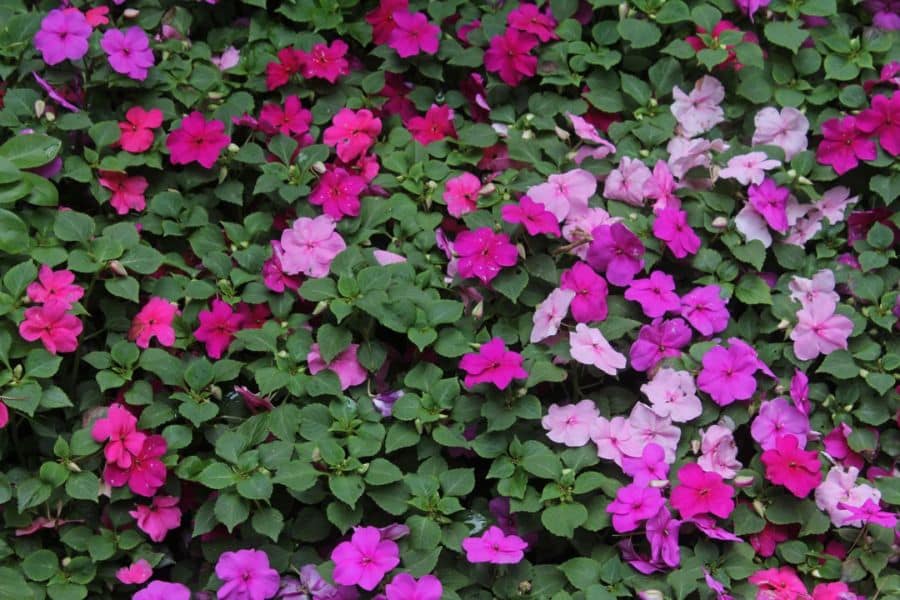
For shady corners that need brightening, impatiens are hard to beat. They bloom in pink, white, red, and purple, bringing color to spots where sun-loving flowers won’t survive. They prefer regular water to some other flowers on this list. When they get too dry, they’ll wilt dramatically to let you know. The good news is they bounce back quickly once you water them, so they’re pretty forgiving about the occasional forgotten watering.
I use them in hanging baskets and along the north side of my house, where almost nothing else will bloom. The continuous flowers from spring through fall make them worth the extra attention to watering.
Add some mulch around them to help the soil stay moist, and you’ll cut your watering duties in half.
Asters
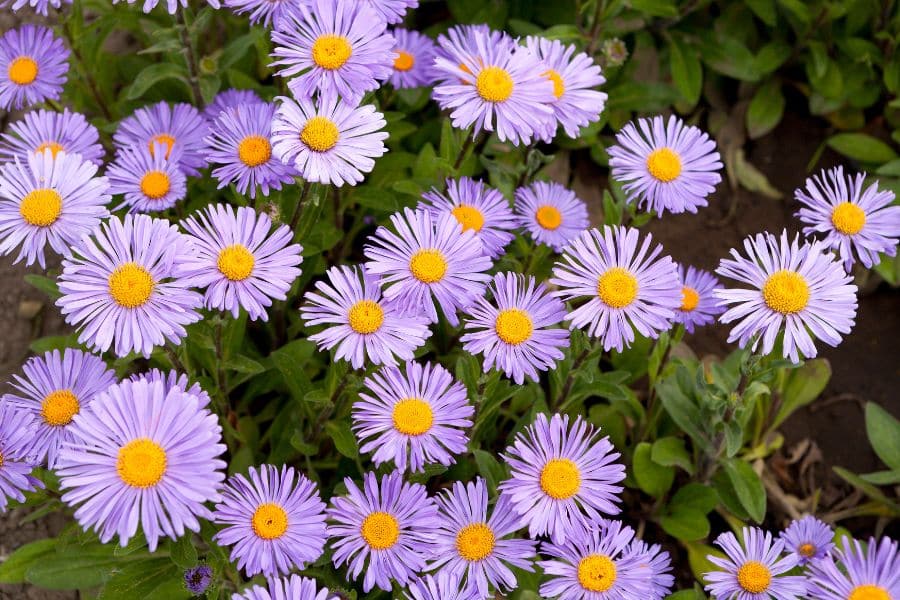
Asters keep your garden going strong into late summer and fall when everything else is starting to look tired. The purple, pink, and lavender blooms appear just when you need them most. Pollinators love them, which means your garden will be buzzing with activity through autumn.
Plant them in sun or partial shade and water during dry spells. In early spring, trim them back to encourage bushier growth, but that’s completely optional.
They come back every year, getting fuller and more impressive. After a few seasons, you can divide them to create more plants or just let them keep expanding into bigger clumps.
Getting Started
The beauty of these twelve flowers is that they want to succeed. They’re genuinely easy to grow, and they’ll reward your minimal efforts with maximum color.
Start with one or two that appeal to you. See how they grow, build your confidence, and before you know it, you might be that neighbor with the garden everyone admires, and you’ll have the secret: you just chose the right plants to begin with.
Sometimes it’s just about putting the right flower in the ground and letting it do what it does best. Before you know it, you’ll be a gardener.