
Who hasn’t fallen into the weight loss trap? I know I have, and I’ve tried many different ways to have that beach-ready body, most of which haven’t worked. But now, thereis a new trend of weight-loss injections, which isn’t just for celebrities; it’s mainstream. Instead of seeking out the latest diet fad, hitting the gym, or simply watching what you eat, people are now choosing to get an injection to fight the fat.
I first heard about it through a friend of mine who has struggled with weight issues all her life. Of course, this isn’t helped by her lifestyle, which is full of takeaways, late nights, no exercise, and alcohol excess. But it’s been an ongoing battle.
I have to say I was shocked when she told me she was having these injections and how much they cost. But there again, is it so very different from the diet pills and fad diets we’ve been subjected to for years? But the bigger question is, do they work, and how long does the weight stay off?
Your Fat Cells Are Keeping Secrets
Here’s something that might make you feel better about every diet that’s ever failed you. In November 2024, researchers published a study that changed everything we thought we knew about weight loss. They discovered that your fat cells have a memory. An actual biological memory that stays locked in at a cellular level.
Even after you’ve lost the weight, even after you’ve dropped two dress sizes and can finally fit into those jeans again, your fat cells remember being bigger. And here’s the kicker: they actively work to get back to that size.
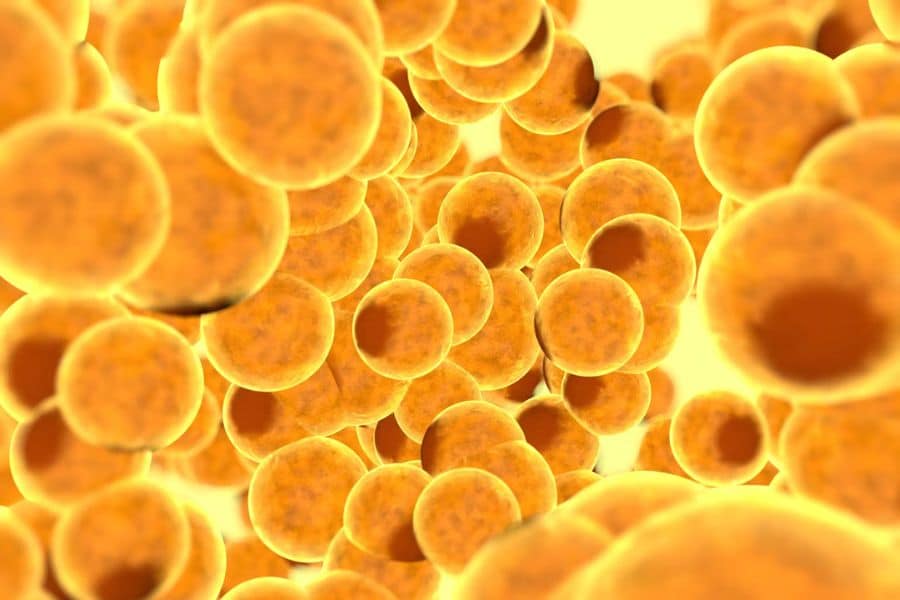
The science behind this is called epigenetic memory, and it’s explained in detail in research published in the journal Nature. Think of it like this: your DNA is the instruction manual for your body, but epigenetics are the sticky notes and highlights that tell your cells which instructions to follow.
When you gain weight, your fat cells get new sticky notes that say, “This is our normal size now.” When you lose weight, those notes don’t disappear. They stick around, waiting.
Researchers at ETH Zurich found that fat cells retain a cellular memory of being larger, which makes them respond faster to high-sugar and high-fat foods. It’s like they’re primed and ready to refill at the first opportunity.
And get this: fat cells live for an average of ten years. That means this memory could be hanging around for a decade after you’ve lost the weight, just waiting for you to let your guard down.
One of the lead researchers, Ferdinand von Meyenn, put it perfectly when he told journalists that this isn’t about a lack of willpower. There’s a real molecular mechanism fighting against weight loss. Your body isn’t betraying you because you’re weak. It’s doing exactly what it’s been programmed to do at the cellular level.
This discovery finally explains why the yo-yo effect is so brutal and why so many of us feel like we’re fighting an impossible battle.
The Injection Reality Check Nobody’s Talking About
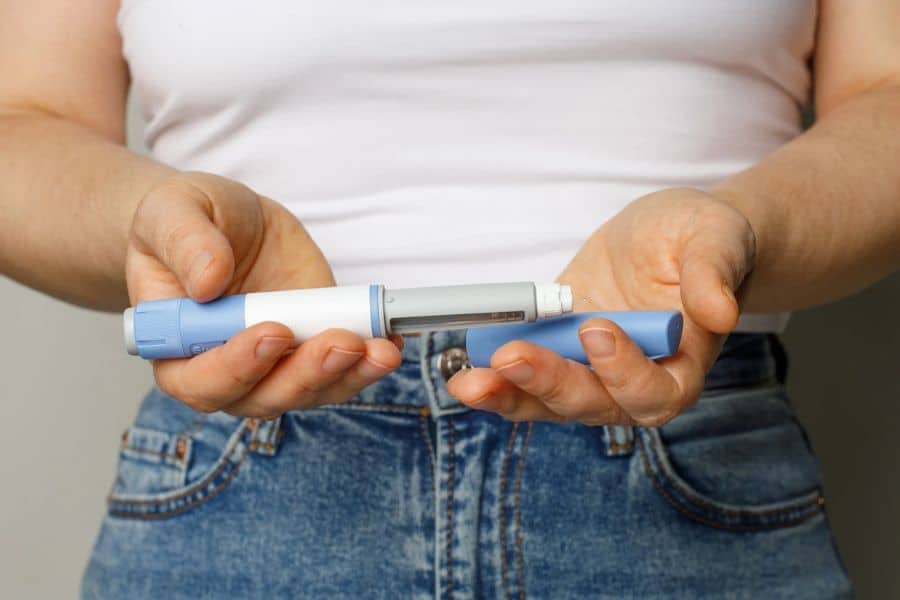
So, back to my friend and those expensive injections. The drugs she’s taking are part of a family called GLP-1 receptor agonists. You’ve probably heard the names: Ozempic, Wegovy, Mounjaro. They’re everywhere right now, and for good reason. They work.
On average, people lose 15 to 20 percent of their body weight, which is significantly more than older weight loss medications ever achieved.
But here’s what they don’t tell you, and what my friend didn’t know when she started.
Research published just this month shows that people who stop taking these drugs regain their weight within about 1.7 years. That’s 18 months. A year and a half. And it’s not a slow, gradual creep. According to a comprehensive analysis published in The BMJ, people coming off weight loss drugs regain weight four times faster than people who lost weight through diet and exercise.
Four times faster.
A clinical trial following people who took semaglutide (the drug in Ozempic and Wegovy) found that, one year after stopping, participants had regained two-thirds of the weight they’d lost. And their cardiometabolic markers, all those good things like cholesterol and blood pressure that had improved, went right back to baseline, too.
But wait, it gets worse. Remember how I said these drugs help you lose 15 to 20 percent of your body weight? Well, here’s the part nobody mentions in the Instagram ads: between 25 and 40 percent of that weight loss is muscle, not fat.
When you’re on these injections, you’re not just losing fat. You’re losing a massive amount of muscle. And muscle is what keeps your metabolism running. It’s your body’s engine. When you lose that much muscle and then stop the medication, you’re left with a slower metabolism, raging hunger hormones, and a body that’s primed to regain weight even faster than before.
Dr. Marc Bessler, a bariatric surgeon at Columbia, explained it perfectly: these medications can lead to significant weight loss, but they generally require lifelong use to maintain results. Stopping the medication often leads to weight regain. As soon as the drug isn’t there, the disease is.
So, my friend? She’s looking at either taking these injections for the rest of her life at $750 a month, or facing the reality that when she stops, the weight will come back faster than it left, and she’ll have less muscle to fight it with.
What Every Diet Gets Wrong
If you think this is just a GLP-1 problem, I have bad news. This is an every-weight-loss-method problem.
Roughly 90 percent of people who lose significant weight eventually regain almost all of it. Whether you’re doing keto, intermittent fasting, counting calories, or going full celery juice cleanse, the odds are stacked against you.

UCLA researchers analyzed 31 long-term diet studies and found that at least one-third to two-thirds of participants regain more weight than they lost within 4 to 5 years. And that might actually be a generous estimate, because many of the studies had terrible follow-up rates. People who gain back large amounts of weight tend not to answer those follow-up questionnaires, shockingly enough.
Here’s what’s happening in your body when you diet. When you lose weight, especially if you lose it quickly, your body thinks you’re starving. It doesn’t know you’re voluntarily restricting calories. It just knows that energy is running low and it needs to do something about it.
So it slams the brakes on your metabolism. Studies on Biggest Loser contestants found they experienced a 30 percent drop in their resting metabolic rate, even though 80 percent of their weight loss was fat. Thirty percent. That means their bodies were burning 30 percent fewer calories just to stay alive, even after accounting for their smaller size.
At the same time, your hunger hormones go absolutely wild. Research shows that after weight loss, appetite increases by 400 to 600 calories per day, while your metabolism only drops by about 200 calories per day. So you’re burning less and craving more, and this state can persist for over a year after the diet ends.
You think you’re sticking to your diet, but portion sizes creep up without you even noticing because the signals controlling your appetite happen in parts of your brain you can’t consciously control. You truly believe you’re eating the same way, but objectively, you’re not.
And here’s the cruelest part: weight regain typically begins around 36 weeks after you finish your diet. You spend months losing weight, you finally hit your goal, and within nine months, it’s already starting to come back.
Researchers at the University of Michigan described it perfectly: gaining significant weight doesn’t just puff up your fat cells. It changes your biology. Your body acts as if that higher weight is your normal weight, defending it like a mother embracing her newborn.
The Hidden Saboteurs
If you think willpower alone can overcome all of this, let’s talk about the other factors working against you that you probably don’t even realize are there.
Sleep, for one. Just one night of bad sleep can send your hunger hormones into chaos. Your ghrelin, the hormone that makes you feel hungry, spikes. Your leptin, the hormone that makes you feel full, drops. Suddenly, you’re ravenous, nothing satisfies you, and you’re too tired to make good decisions or exercise.
And stress. When you’re chronically stressed, your body pumps out cortisol, which tells your body to store fat, especially around your middle. It also makes you crave high-sugar, high-fat comfort foods. It creates this vicious cycle: you feel stressed, your body demands junk food to cope, you eat it, you feel guilty, and your stress increases, starting the whole thing over again.

Then there’s the psychological trap of dieting itself. Most diets are built on restriction and rules. You’re either “on” the diet (being good) or “off” the diet (being bad). There’s no middle ground. So the moment you have one cookie, you feel like a failure, and that triggers what researchers call the “what the hell effect.” You’ve already blown it, so you might as well eat the whole box, right?
And diets never address why you were overeating in the first place. Boredom, loneliness, stress, social pressure, these are the real reasons we eat when we’re not hungry. But diets just tell you what to eat, not how to deal with the emotional and environmental triggers that make you reach for food in the first place.
Even worse, if you started dieting as a teenager, you’ve potentially set yourself up for a lifetime of weight struggles. Research shows that teens who diet are twice as likely to become overweight as teens who don’t, regardless of their starting weight. And each cycle of weight loss and regain, that yo-yo effect, tends to result in losing muscle but regaining fat, which slows your metabolism even further.
The 20 Percent Who Actually Win
But here’s the good news. 20% of people manage to lose weight and keep it off. And researchers have been studying them intensely to figure out what they’re doing differently.
The National Weight Control Registry has been tracking more than 10,000 people who have maintained at least a 30-pound weight loss for at least a year. Some of them lost weight quickly. Others took years. But they all share some common behaviors.
They eat lower-calorie, lower-fat diets. They exercise a lot, like every single day. They weigh themselves regularly and track what they’re eating. Most of them eat breakfast daily, and they maintain a high level of what researchers call “dietary restraint,” which basically means they’re always paying attention.

Now, I’m not going to lie to you. That level of vigilance is not realistic for most people. It requires a level of ongoing attention and effort that most of us can’t maintain while also working, raising families, and living our lives.
But some things from their playbook are achievable.
The biggest one is muscle. You have to build and protect your muscles. Muscle is your metabolic engine, and it burns calories 24 hours a day, even while you’re sleeping. When you lose weight through extreme calorie restriction or drugs without exercising, you lose muscle along with fat, and that’s what tanks your metabolism.
Strength training two to three times a week isn’t optional if you want to keep weight off long term. Bodyweight exercises, such as squats and push-ups, dumbbells, and resistance bands, work. Just move your muscles against resistance regularly.
And protein. Protein is your secret weapon. It’s the most filling macronutrient, which helps you fight those hunger hormones. It also protects your muscles when you’re losing weight. And your body actually burns more calories digesting protein than it does digesting carbs or fat.
But here’s something interesting: exercise accounts for only about 10 percent of weight loss. The real value of exercise is in maintenance. It’s what helps you keep the weight off once you’ve lost it.
The other thing the successful 20 percent do is they ditch the idea of being “on a diet.” They build systems instead, and make their environment work for them. They keep fruit on the counter and put junk food in hard to reach places. They practice mindful eating, paying attention to their food without distractions. They aim for slow, steady weight loss of one to two pounds per week, which protects muscle and is more sustainable.
And critically, they understand that it’s a new way of living, and not the end of the diet. It’s a permanent shift in how you eat and move.
What You Can Actually Do About This
So what does all of this mean for you? Or for my friend with her expensive injections?
If you’re currently taking GLP-1 medications, you need to use this time wisely. Think of it as a window of opportunity. While your appetite is suppressed, you need to build the foundation that will support you when you stop the medication, and you will stop eventually, whether by choice, because you can’t afford it, or your insurance stops covering it.
That means prioritizing strength training, even when you don’t feel like eating. It means establishing a high-protein routine and working on the psychological and emotional reasons you overeat, rather than just suppressing your appetite artificially. Because when that drug stops working, the hunger will come roaring back, but to a body with a slower metabolism from all that muscle loss.
If you’re thinking about starting a diet, understand what you’re getting into. Rapid weight loss might feel good in the moment, but it’s more likely to lead to muscle loss and a metabolic slowdown. Slow and steady really does have better long-term results.
Focus on building rather than restricting. Build muscle, develop habits around protein and whole foods, build a support system, and develop coping mechanisms for stress that don’t involve food.
And if you have kids, for the love of everything, do not put them on diets. The research is clear that dieting in adolescence dramatically increases the risk of weight problems later in life. Focus on healthy habits for the whole family, not on restricting calories for teenagers.
The hardest thing to accept is that prevention is easier than cure. Those researchers who discovered the fat cell memory effect said it plainly: it’s much easier to avoid gaining weight in the first place than to lose it and keep it off. Once those epigenetic changes are locked into your cells, they can last for years, maybe decades.
That’s not meant to be discouraging. It’s meant to be realistic. If you’ve already gained weight, you’re not doomed, but you need to understand that keeping it off will require ongoing effort. It’s not about getting to a goal weight and then going back to your old life. It’s about creating a new normal that you can actually maintain.
Disclaimer:
This article is for informational purposes only and is not a substitute for professional medical advice, diagnosis, or treatment. Always seek the advice of your physician or other qualified health provider with any questions you may have regarding weight management, medications, or any medical condition. Never disregard professional medical advice or delay seeking it because of something you have read in this article.