
I’ll be honest: the first time I went to Italy, I did it all wrong. Venice and Rome in July and Florence in August. I spent more time running from place to place and dodging selfie sticks than actually experiencing anything remotely Italian. I came home exhausted, disappointed, and wondering what all the fuss was about.
Then a friend living in Italy set me straight. She sent me to places I’d never heard of. Villages where the restaurants didn’t have English menus. Coastlines where I could actually hear the waves, and instead of swarms of tourists, Italian families going about their day.
That’s when I fell in love with Italy. The real one. Not the Instagram version, but the country where nonnas still make pasta by hand every Sunday, and where the best meal you’ll ever eat costs twelve euros at a family trattoria that’s been serving the same recipes for four generations.
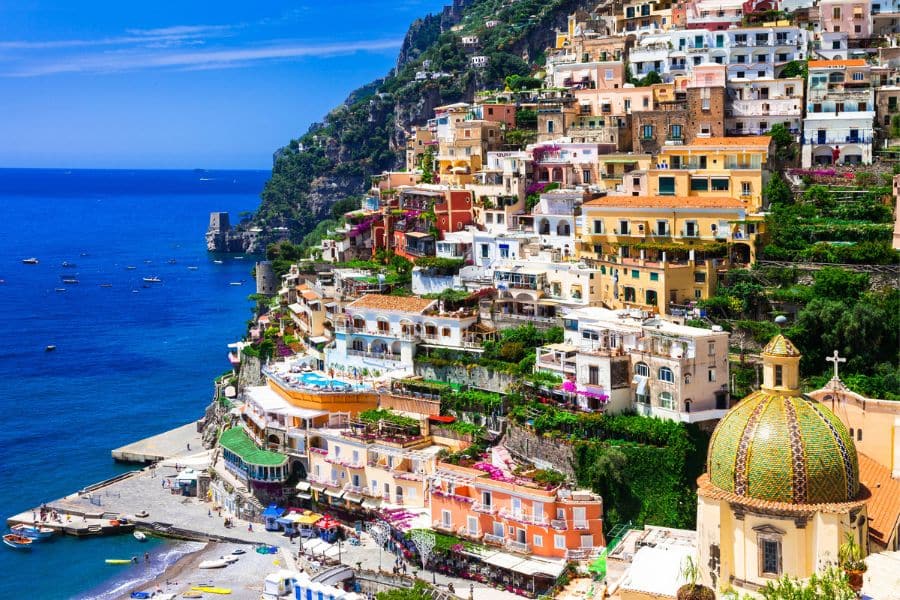
7 Beautiful Italian Regions For Your Bucket List
These seven hidden gems won’t show up on most Italy bucket lists, and that’s exactly why they’re perfect. Fair warning: once you’ve experienced this side of Italy, those famous cities won’t hold the same appeal.
The pace is slower, and the experience is better. Plus, you’ll save on your travel budget as you won’t find the inflated prices you get in places like Positano and Venice.
No. 1 Puglia
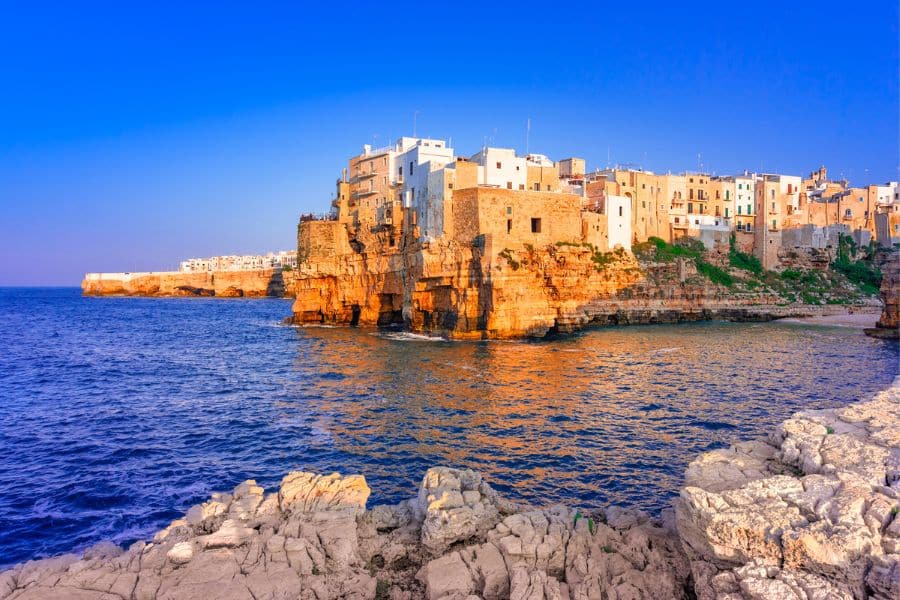
Puglia spent centuries getting invaded by just about everyone who sailed past. Greeks, Romans, Normans, Spanish, and Byzantines all left their mark, which explains why the architecture here looks like nothing else in Italy.
Trulli houses with conical stone roofs dot the countryside around Alberobello, built without mortar so farmers could quickly dismantle them when tax collectors showed up. Baroque churches in Lecce showcase stonework so intricate it looks like lace carved from honey-colored limestone.
And then there are the masserie, fortified farmhouses that double as both agricultural estates and mini-fortresses because when you’re constantly being raided, your farm needs defensive walls.
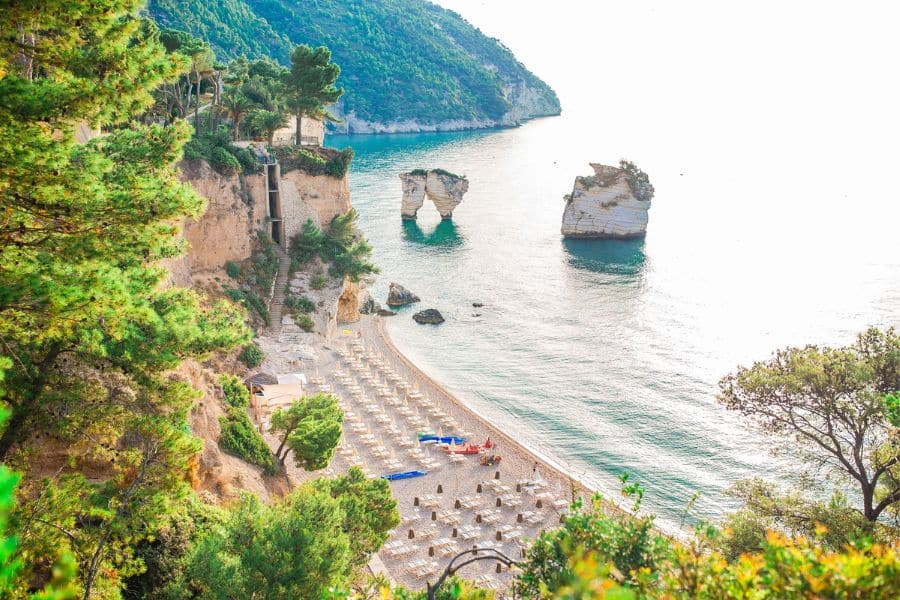
The food here is outstanding. Orecchiette pasta gets made fresh daily, shaped by hand into little ears that catch sauce perfectly. Burrata was invented in Puglia, and eating it here versus anywhere else is like comparing fresh-squeezed orange juice to the carton stuff. The region produces more olive oil than anywhere else in Italy, and the seafood comes straight from the Adriatic.
It’s not known for wine, but Primitivo and Negroamaro reds are exceptional and cost a fraction of what you’d pay for comparable quality up north. The Itria Valley produces excellent whites, and nearly every masseria offers wine tastings that feel more like sitting with friends than formal tours.

Where to Stay
Lecce is a good base if you want a proper city with an evening vibe. The Baroque architecture earned it the nickname Florence of the South, though that undersells how unique it actually is. Ostuni, the white city, offers that postcard-perfect hilltop town experience, with genuinely good restaurants and easy access to beaches.
Polignano a Mare perches on limestone cliffs above the Adriatic and has become slightly more discovered, but it’s still manageable outside of August. For something quieter, Martina Franca in the Itria Valley puts you among the trulli and vineyards with a beautiful historic center that empties out after dark.
The nearest major airports are Bari and Brindisi. Bari is larger with more international connections, about an hour north of the main attractions. Brindisi sits closer to Lecce and the southern coast. Either way, you’ll need a car. Public transportation exists, but runs on schedules that assume you have infinite patience.
No. 2 Abruzzo

Romans built their summer villas here to escape the heat, which tells you something about the climate and landscape. The region sits between the Apennine mountains and the Adriatic Sea, giving you snowy peaks and beach towns within an hour of each other.
The Gran Sasso massif dominates the interior, with peaks pushing past 9,000 feet. Medieval villages cling to hillsides like they’re trying not to slide off, stone houses stacked tight with narrow alleys designed for donkeys, not cars.

For centuries, shepherds moved their flocks from the mountains down to Puglia’s plains each winter, following ancient trails called tratturi that are still visible today. This transhumance culture shaped everything from the architecture to the food. Those stone houses were built to withstand mountain winters, and the cuisine revolves around lamb, pecorino cheese, and hearty pasta dishes that fuel people doing hard physical work.
Sulmona sits in a valley surrounded by mountains and produces confetti, the sugar-coated almonds Italians give at weddings and celebrations. The town perfected the art over centuries, and shops here arrange them into elaborate floral bouquets.
Arrosticini are the local obsession. Skewers of lamb grilled over wood coals, eaten standing up at outdoor grills called fornacelle, usually accompanied by local Montepulciano d’Abruzzo wine. Every village has its own strong opinions about the correct way to prepare them. The ceramics tradition in Castelli goes back to the Renaissance. Artisan families still hand-paint majolica pottery using techniques passed down through generations.

Where to Stay
Sulmona gives you that valley location with mountain access and a genuine lived-in feel. Pescara on the coast works if you want beach proximity and better transport connections, though it’s more modern and less atmospheric.
Scanno, high in the mountains around a heart-shaped lake, offers complete immersion in traditional Abruzzo life, but you’re committing to winding mountain roads and limited dining options.
Pescara has the region’s main airport with connections to other Italian cities and some European destinations. Rome’s Fiumicino airport is about two hours away by car and offers far more international flights if you’re coming from outside Europe.
No. 3 Campania

Most people think Campania begins and ends with the Amalfi Coast and Pompeii, which means they miss the entire region. The Romans made Campania their playground, building villas along the Bay of Naples and soaking in thermal springs at Baiae. The volcanic soil from Mount Vesuvius created some of the most fertile land in Italy, which is why tomatoes here taste so good.
The Greeks arrived first, founding Naples in the 8th century BC, and their influence still shows in the street layout and the intensity of daily life. Later, the Spanish ruled for centuries, leaving behind a theatrical approach to architecture and a love of elaborate religious festivals that turn entire towns into open-air stages.
The historic center of Naples is a UNESCO World Heritage site where laundry hangs between buildings, and Vespas navigate streets barely wide enough for pedestrians. Pizza was invented here, and eating it here will ruin any other pizza for life. The crust has that perfect char and chew that comes from wood-fired ovens that have been in the same families for generations.

The Cilento Coast runs south of Amalfi and remains relatively undiscovered. Greek temples at Paestum sit in fields surrounded by buffalo farms producing mozzarella. The beaches stretch for miles without the crowds or prices of their famous neighbor to the north. Medieval villages like Castellabate and Acciaroli dot the coastline, where fishing boats still pull in daily catches and restaurants serve whatever came in that morning.
Caserta gets overlooked despite having a royal palace that rivals Versailles. The Bourbons built it in the 18th century as their answer to the French court, complete with formal gardens, fountains, and enough rooms to get genuinely lost. The town itself doesn’t offer much beyond the palace, but the surrounding countryside has vineyards producing Falerno, a wine the Romans considered their finest.
The island of Ischia sits in the Bay of Naples and has been a thermal spa destination since Roman times. Hot springs bubble up everywhere, creating natural pools and spa facilities where you can soak in mineral-rich water while looking out at the Mediterranean. Unlike Capri, which has become a see-and-be-seen destination, Ischia maintains a more relaxed atmosphere where Italians actually vacation.

Where to Stay
Naples works as your base for exploring the region. The city has excellent public transport, and you’re within striking distance of most attractions. Salerno, at the southern end of the Amalfi Coast, gives you better access to Cilento and Paestum without Naples’ intensity. For something quieter, base yourself in one of the Cilento coastal towns like Santa Maria di Castellabate.
Naples International Airport handles most traffic with connections throughout Europe. Rome is an hour north by train if you need more flight options.
No. 4 Castelfranco Veneto

The Venetian Republic built this town in the 12th century as a military outpost, literally a fortified castle in the middle of farmland. The medieval walls still circle the historic center, red brick ramparts with turrets that you can walk along for views across the Veneto plains.
Inside those walls, arcaded streets and frescoed buildings create a miniature version of Venice without canals or crowds. The town produced Giorgione, one of the Renaissance masters whose work influenced Titian, and his birthplace sits tucked behind the duomo.
This is farming country. The flatlands surrounding Castelfranco produce radicchio, the bitter red lettuce that’s a Veneto obsession. In winter, markets overflow with different varieties, each town claiming theirs is superior.
Risotto al radicchio appears on every menu, the bitterness balanced by cream and Parmigiano. White asparagus from nearby Bassano del Grappa shows up in spring, fat spears served with hard-boiled eggs and olive oil.
The town sits at the intersection of three rivers, which meant trade and prosperity during the Republic’s reign. Merchants built palaces along the main streets, and those buildings now house shops, cafes, and the occasional bank.

Tuesday and Saturday markets take over the piazza, local farmers selling vegetables, cheese, and cured meats alongside clothing vendors and household goods. It’s a working market where residents actually shop, not a tourist attraction pretending to be authentic.
Prosecco is produced just north, in the hills around Valdobbiadene and Conegliano. The rolling vineyards earned UNESCO World Heritage status in 2019, but unlike Tuscany’s wine regions, this area hasn’t yet been overrun.
Small producers offer tastings in their cellars, pouring Prosecco Superiore that bears no resemblance to the mass-produced bottles flooding supermarket shelves. The hills also produce excellent red wines from local grape varieties that rarely leave the region.
Villa Emo, designed by Palladio in the 16th century, is about 20 minutes outside town. It’s one of his smaller works but perfectly proportioned, with frescoes by Giovanni Battista Zelotti covering the interior walls. Unlike the more famous Palladian villas that charge admission and restrict access, Emo is smaller and more intimate.

Where to Stay
The town itself works best as a base for exploring the Veneto, avoiding Venice’s tourist infrastructure. Treviso sits 20 minutes south with canals, frescoed buildings, and restaurants serving exceptional food at reasonable prices. Bassano del Grappa, to the north, has a covered wooden bridge designed by Palladio and produces grappa that actually tastes good. Padua and its Giotto frescoes are 40 minutes away.
Venice’s Marco Polo Airport is the closest international option, about 45 minutes by car. Treviso has a smaller airport that budget airlines use, even closer at 20 minutes. Trains connect Castelfranco to Venice, Padua, and other Veneto cities, though having a car opens up the countryside and villa visits.
No. 5 Marche

This region sits wedged between the Apennines and the Adriatic, running along Italy’s eastern coast south of Emilia-Romagna. The name comes from medieval border territories, march lands that marked the frontier between different powers. Rolling hills covered in sunflower fields and wheat drop down to beaches that stretch for miles.
Renaissance dukes ruled small city-states here, building palaces and supporting artists who created work that never left the region. Urbino produced Raphael and became a UNESCO World Heritage site. The historic center climbs a steep hill, with narrow brick streets and virtually no tourists except for Italian school groups.
The food leans heavily on truffles, both black and white varieties that grow in the interior hills. Truffle festivals happen throughout autumn, and restaurants serve them shaved over pasta, eggs, and meat dishes without the markup you’d pay in Tuscany or Piedmont.
The region’s signature pasta is vincisgrassi, a lasagna made with chicken liver ragù that predates the Bolognese version. Brodetto, fish stew, varies from town to town along the coast, each claiming the definitive recipe while arguing that their neighbors do it wrong.

Verdicchio wine comes from the hills around Jesi and Matelica, a crisp white that pairs perfectly with seafood. The region also produces excellent reds from Montepulciano and Sangiovese grapes, sold at prices that seem like mistakes until you realize nobody outside Italy knows about Marche wines. Vineyards here are small family operations where the winemaker probably also farms the land and might invite you to stay for lunch.
The Frasassi Caves extend for miles underground, massive caverns filled with stalactites and stalagmites that took millions of years to form. The main cave is large enough to fit the Milan Cathedral inside it. Guided tours take you through sections lit dramatically, though the real impact comes from standing in that darkness and feeling how small you are.
Where to Stay
Ancona serves as the regional capital and main port, with ferries leaving for Greece and Croatia. The city has a beautiful harbor backed by hills, though it’s more functional than picturesque.
Urbino gives you that Renaissance atmosphere with excellent restaurants and a university that keeps the town young. Ascoli Piceno in the south has one of Italy’s most beautiful piazzas, Piazza del Popolo, surrounded by porticos and travertine buildings that glow golden at sunset. The town is famous for olive ascolane, fried stuffed olives that are addictive and rarely found outside the region.
For coastal access, Senigallia or Fano offer beaches without resort development. Both towns have historic centers worth exploring and serve as good bases for day trips inland.
Ancona has the region’s main airport with limited connections. Most international visitors fly into Bologna, about 90 minutes north, or Rome, two hours southwest. Trains run along the coast connecting the major towns, but exploring the interior requires a car.
No. 6 Umbria

The only landlocked region in central Italy, Umbria, spent centuries as the countryside everyone passed through on their way to somewhere more important. Rome sits to the south, Florence to the north, and the main roads between them cut straight through these hills.
That geographic position meant constant warfare during the Middle Ages, with city-states fighting each other and various popes, emperors, and condottieri sweeping through whenever they needed troops or money. The hilltop towns you see today were built for defense, walls and watchtowers designed to spot approaching armies.
Saint Francis was born in Assisi in 1182, and his decision to reject wealth and embrace poverty reshaped Christianity. The basilica built in his honor draws pilgrims from around the world, but the rest of Umbria maintains a quieter spiritual atmosphere.
Black truffles grow throughout the region, particularly around Norcia and Spoleto. The town of Norcia became so famous for pork butchery that the word norcineria came to mean delicatessen across Italy. Salami, prosciutto, and wild boar products here set the standard. Lentils from Castelluccio grow at high altitude on the Piano Grande, a vast plateau that turns into a wildflower explosion each spring. These small brown lentils have protected status and a nutty flavor that makes you understand why Italians care so much about ingredient provenance.

Orvieto sits on a volcanic plateau with cliffs dropping straight down on all sides. The Etruscans built here first, carving caves and tunnels into the soft tufa stone that still honeycombs the rock underneath the modern town.
The cathedral took three centuries to build, and its facade features mosaics and carvings that rival anything in Florence. Underground tours take you through the cave system where residents stored wine, raised pigeons, and hid during sieges.
Perugia serves as the regional capital, with a university dating to 1308. The historic center sits on a hilltop reached by escalators that tunnel through medieval foundations. Chocolate production became a major industry here, and the city hosts an annual chocolate festival each October that takes over the streets. Perugina, the company that makes Baci chocolates, started here in 1907.
Lake Trasimeno spreads across the landscape west of Perugia, Italy’s fourth largest lake, with three islands and fishing villages that feel suspended in the 1960s. Hannibal defeated the Romans here in 217 BC, trapping their army between the lake and surrounding hills in one of history’s great tactical victories. These days, the lake offers swimming, sailing, and waterfront restaurants serving lake fish that don’t appear on menus elsewhere.
Spello climbs a hillside below Assisi with flower-filled streets and Roman ruins integrated into the medieval town. Every June, residents create elaborate flower carpets for the Corpus Domini festival, covering entire streets with intricate designs made from flower petals. Gubbio to the north maintains its medieval appearance so completely that it regularly hosts historical reenactments and period films.

Where to Stay
Perugia works as a base if you want city amenities and central access to the entire region. Assisi offers that spiritual atmosphere with tourists who tend toward contemplation rather than party groups.
Spoleto combines history with excellent restaurants and summer festivals that bring international performers. For something smaller, Spello or Montefalco put you in wine country surrounded by olive groves.
Perugia has a small airport with limited flights. Rome and Florence airports are both about two hours away by car. Trains connect the major towns, though schedules can be infrequent, and reaching smaller villages requires patience or a rental car.
No. 7 Friuli-Venezia Giulia

The northeastern corner of Italy spent centuries getting passed between empires. Venetians, Austrians, and Habsburgs all controlled this territory at various points, leaving their architectural and cultural fingerprints.
Trieste, the regional capital, looks more like Vienna than Rome with grand coffee houses and Neoclassical buildings lining the harbor. The city was Austria-Hungary’s main port until World War I shifted borders and left it feeling slightly displaced, neither fully Italian nor completely Austrian but something distinct.
The region produces exceptional white wines that oenophiles know about but casual drinkers overlook. The Collio hills along the Slovenian border have volcanic soil and a microclimate perfect for Friulano, Ribolla Gialla, and Malvasia Istriana grapes.
Small family wineries here focus on quality over volume, and many winemakers speak multiple languages because the border has moved so many times that grandparents might have been born in three different countries without ever leaving their village.

Prosciutto di San Daniele rivals Parma’s version but costs less and appears less frequently outside Italy. The town of San Daniele del Friuli has produced cured ham since the Middle Ages using specific pigs, sea salt, and mountain air.
Factories offer tours where you can see hundreds of hams aging in temperature-controlled rooms, and the attached shops sell products you won’t find elsewhere. Frico, a crispy cheese pancake made from Montasio cheese and potatoes, shows up on every traditional menu as either an appetizer or side dish.
The Carso plateau above Trieste is a stark landscape of limestone rock where the Bora wind blows so hard it can knock you over. Caves perforate the plateau, including Grotta Gigante, one of the world’s largest accessible caves with a chamber tall enough to fit a 10-story building. Villages here have that border-region mix of Italian and Slovenian culture, and restaurants serve goulash alongside risotto.
Aquileia was one of the Roman Empire’s largest cities, home to 100,000 people when most of Europe lived in small settlements. Barbarian invasions destroyed it in the 5th century, and the population fled to lagoons that eventually became Venice.

The archaeological site today shows forum ruins, river port remains, and early Christian basilica with floor mosaics that survived 1,600 years. It’s remarkably empty given its historical significance, probably because most tourists never make it this far northeast.
Udine sits in the center of Friuli with a castle on a hill and piazzas designed by Venetian architects. The city feels lived-in rather than preserved, with markets, shops, and residents going about daily business. It’s also the gateway to the Collio wine region and mountain areas to the north. Cividale del Friuli, founded by Julius Caesar and later the Lombard capital, has a medieval center with the Tempietto Longobardo, an 8th-century chapel with Byzantine frescoes and stucco work that defies its small-town location.
The mountains to the north offer hiking, skiing, and villages where people still speak Friulian, a Romance language distinct from Italian. Sauris produces smoked prosciutto at high altitude using beechwood, giving it a completely different flavor profile from San Daniele’s version. The village looks Alpine with wooden chalets and German linguistic influences from centuries of Austrian rule.
Where to Stay
Trieste works as a base if you want a proper city with excellent coffee culture and easy access to Slovenia and Croatia. Udine puts you more centrally for wine touring and mountain access. For something smaller, Cividale del Friuli or one of the Collio wine towns like Cormons gives you countryside immersion with vineyard views.
Trieste Airport serves the region with connections to other Italian cities and some European destinations. Venice’s Marco Polo Airport is about 90 minutes west and offers more international options. Trains connect Trieste and Udine to Venice and other Italian cities, but exploring wine country and mountain villages requires a car.
Disclaimer: This article is for general information only and is not professional advice. It may contain affiliate links. Please see our full Editorial Policy for details.

Kylie Lang is a nationally syndicated travel journalist with bylines on the Associated Press Wire & more, a lifestyle writer, and the founder and editor of Your Lifestyle Library (yourlifestylelibrary.com). She holds a BA (Honours) in History from the University of Kent and is a member of the British Guild of Travel Writers.