
If you live somewhere with extreme weather conditions, it’s important to find plants that can withstand most types of weather. I live in southwest France, and we are known for heavy downpours. When the rain sets in, it doesn’t simply drizzle; it absolutely throws it down.
Over eight years of living here, I’ve learned that some plants are hardy and can cope, while others find it too much and give up. It’s so disappointing when you put time and effort into your garden, only for your plants to drown. So now, rather than picking plants willy-nilly, I do my research.
We also get some scorching summer months, so I need plants that can withstand the sun and rain. It’s not always easy to find them, especially when the descriptions are all in French. However, I’ve now got my “go-to” list of weather-resistant plants that will be fine regardless of the weather.
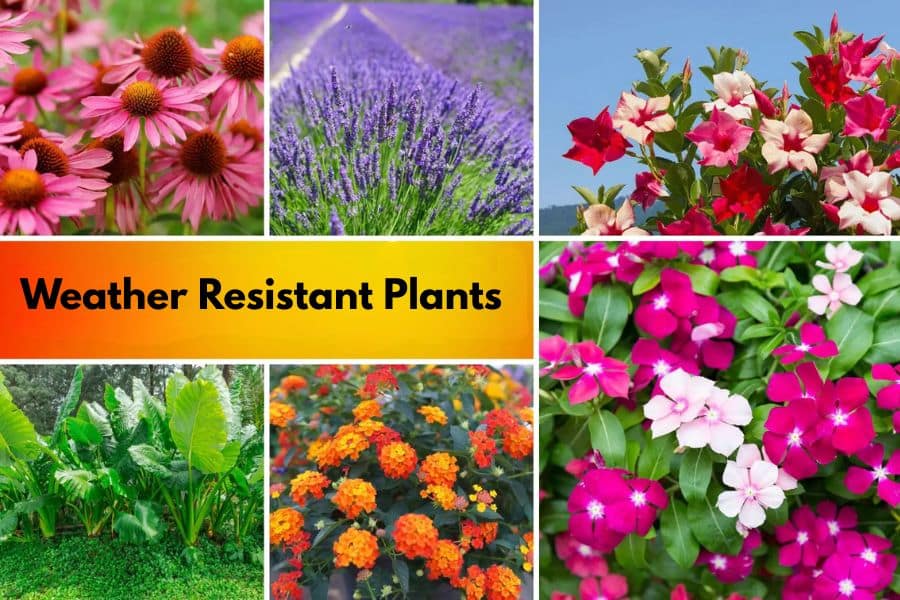
Lavender
Lavender is almost impossible to kill. My garden has survived torrential rain, snow, and droughts, and four years later, my lavender is still going strong. It has spikes of purple, blue, and violet flowers and smells lovely.
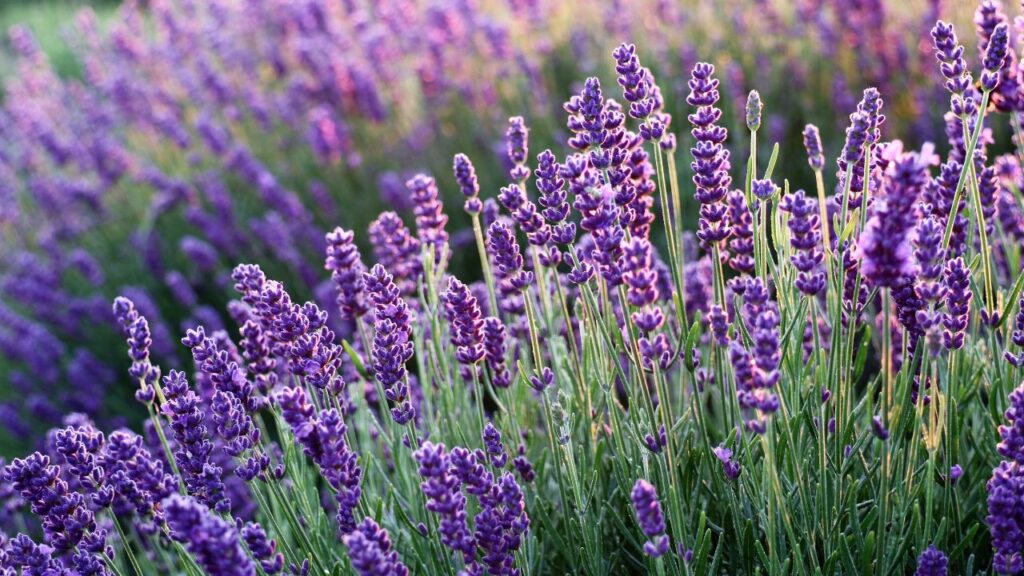
Plus, they attract pollinators such as bees and butterflies. When I was a child, my mum would put lavender in little bags and put them in my closet to make it smell nice.
Geraniums
The first time I bought geraniums, I was in a garden center listening to a woman asking her husband which plants she’d managed to keep alive the previous year. I couldn’t resist, so I approached her and asked if she could help me. I told her I seemed to kill every plant I had ever seen.
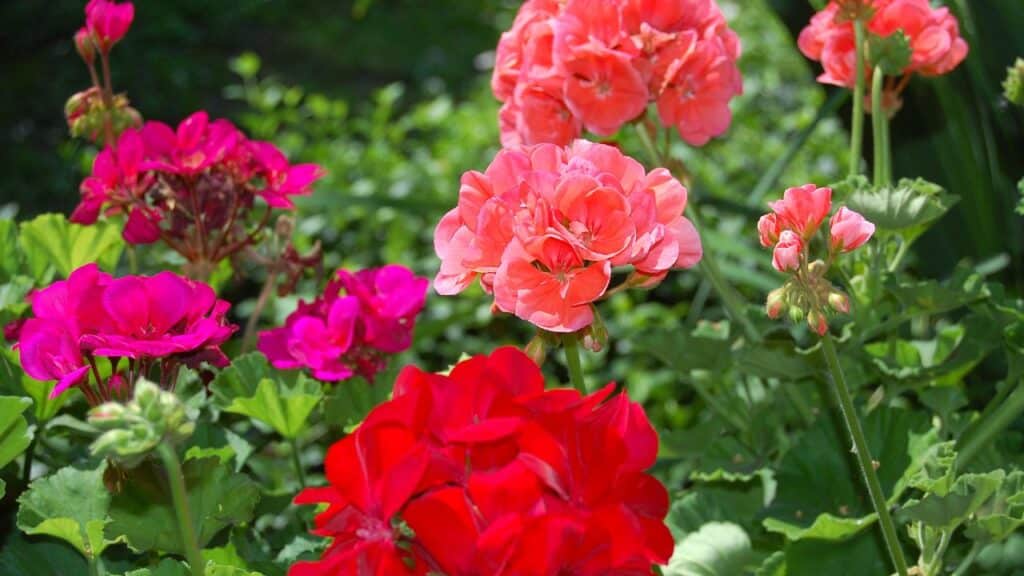
She was so friendly and said geraniums were fantastic plants that would survive anything. Four years later, I have a garden full of them. They take very little maintenance and always look lovely.
Bearded Irises
My French teacher has rows and rows of bearded irises and gave me ten bulbs last year. She told me they needed very little attention and would grow by themselves and spread if I wasn’t careful. Not wanting them all over the garden, I kept them in a raised flower bed, and they’ve done well.
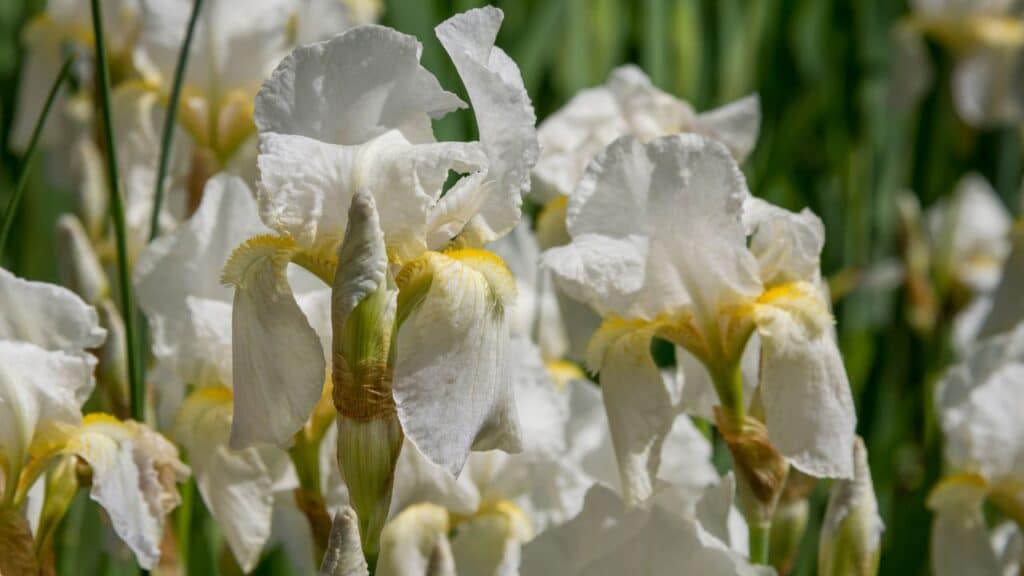
They’re happy in all weather and don’t need to be brought inside during winter.
Bougainvillea
When I first moved to France, my garden had minimal color, and I wanted to fill it with pinks, yellows, reds, and oranges. I remembered having seen Bougainvillea when I was on holiday in Tenerife, so I presumed they could cope with hot summers.
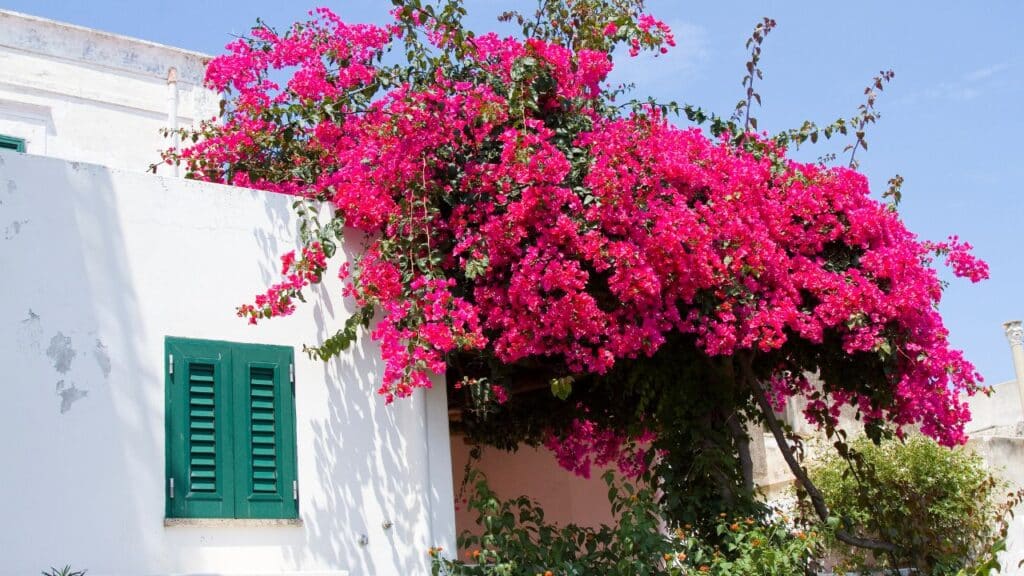
I bought two plants about six years ago and still have them. They’re in large containers, so I can bring them in to protect them in the winter. But they flower beautifully every year and have no issue with heat.
California poppy
The California poppy is beautiful. I’ve seen them in orange, yellow, or red, but I don’t have any in my garden because I’ve not seen them in France. You’ll find them in the deserts and grasslands of California, hence the name, and they adapt well to most climates.
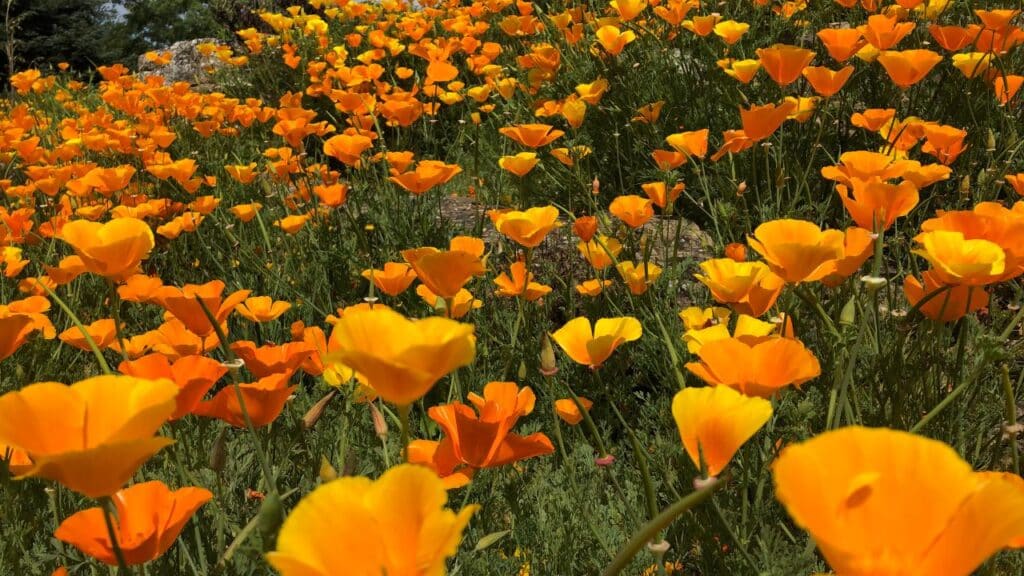
The plant’s seeds have a natural dormancy period that allows them to survive harsh conditions until the proper moisture levels trigger germination.
Coneflower
I love these daisy-like flowers, which tend to spread, covering unsightly areas, and need practically no care. They have upright stems and large, distinctive flower heads in bright pink and purple. They’re good in hot, dry summers and cold winters, making them a perfect choice if you have extreme weather.
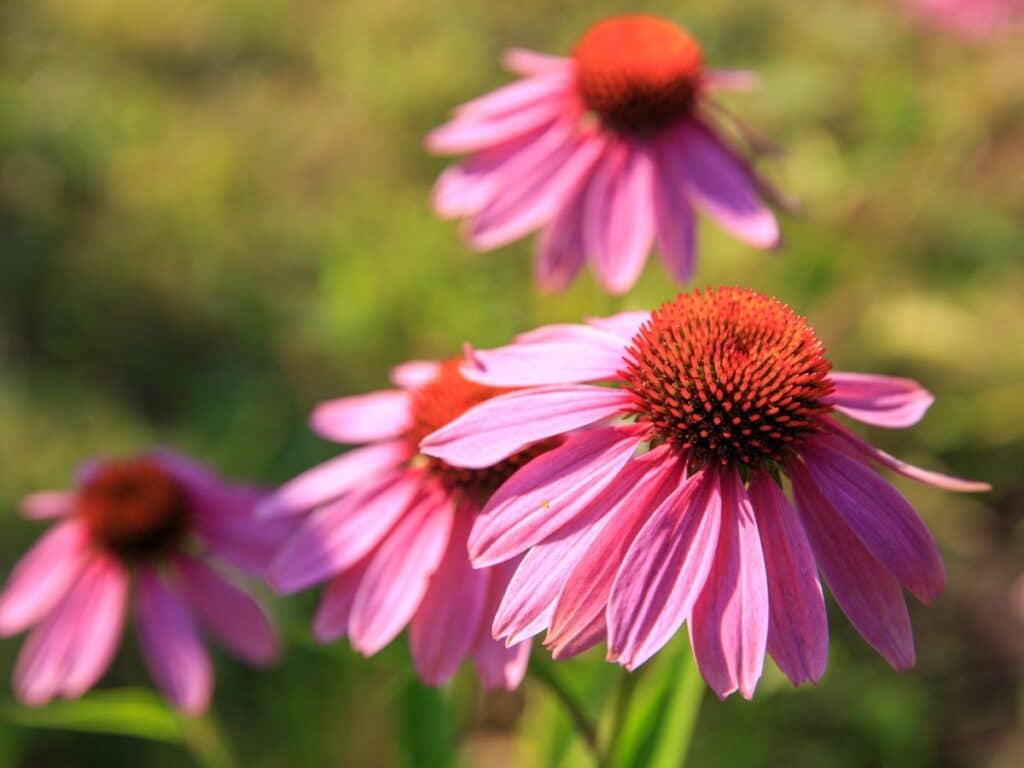
I haven’t tested this, but my neighbor told me they boost the immune system and can help treat colds. I love all the French home remedies.
Marigold
Another resilient plant is the marigold. They’re good for brightening up your garden, are happy in hot, dry weather, and won’t wither in intense heat. They have a strong smell, which acts as a natural pest repellent, deterring common garden pests such as aphids and nematodes.
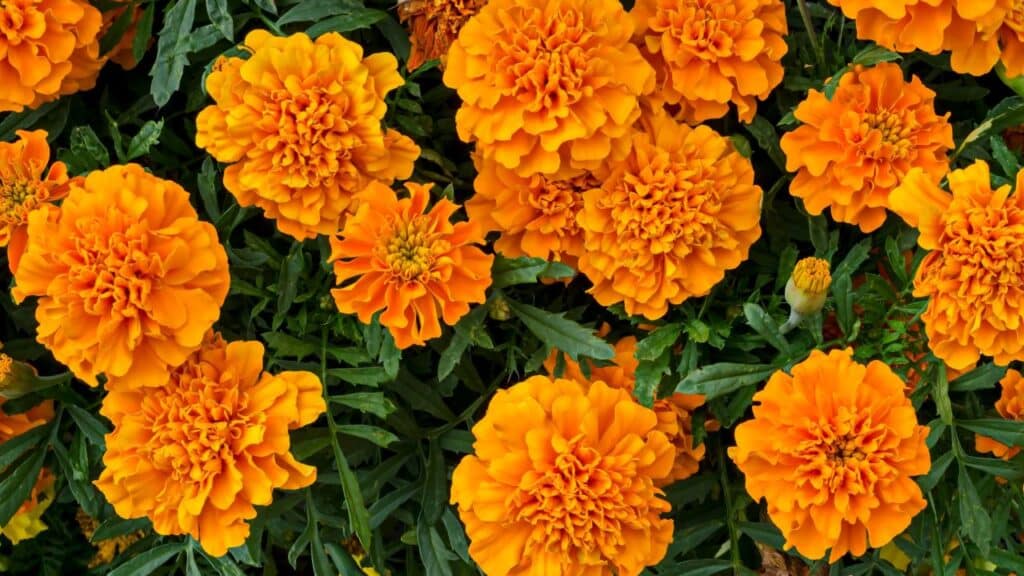
A quick tip I got from my mom is to deadhead them consistently, as then they keep blooming throughout the season.
Agave
I was given two of these plants as a birthday present from a friend who knew my reputation for being unable to keep plants alive. That should give you some idea as to how resilient they are. They are a succulent plant with spiky leaves in colors ranging from green to blue-grey.
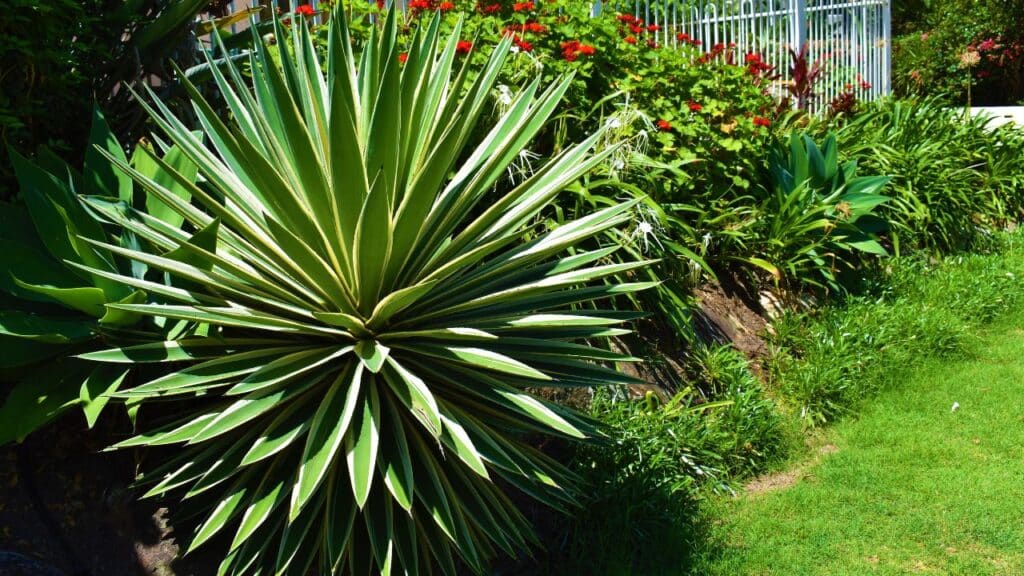
Many species produce a tall flowering spike once in their lifetime, after which the plant typically dies, leaving offsets or “pups” to continue the cycle.
Snapdragon
I love these perennials with their fun name and dragon-shaped blooms. They come in various colors: red, pink, white, yellow, and purple. I have the red variety, and they’re pretty spiky. One of them has reached 3 feet tall.
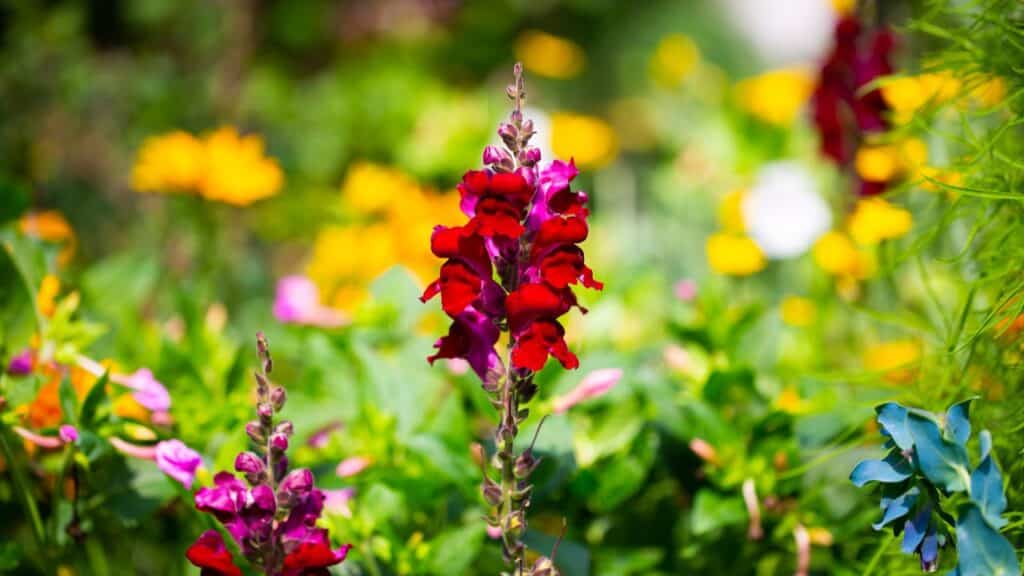
I’ve planted them in a shady garden corner, as they do well in cooler climates and don’t need much light.
Lily of the Valley
Lily of the Valley is another perennial that can withstand the cold. They are very pretty little flowers with big blooms that appear in late Spring. They have a gorgeous scent, which you’ll find in many perfumes.
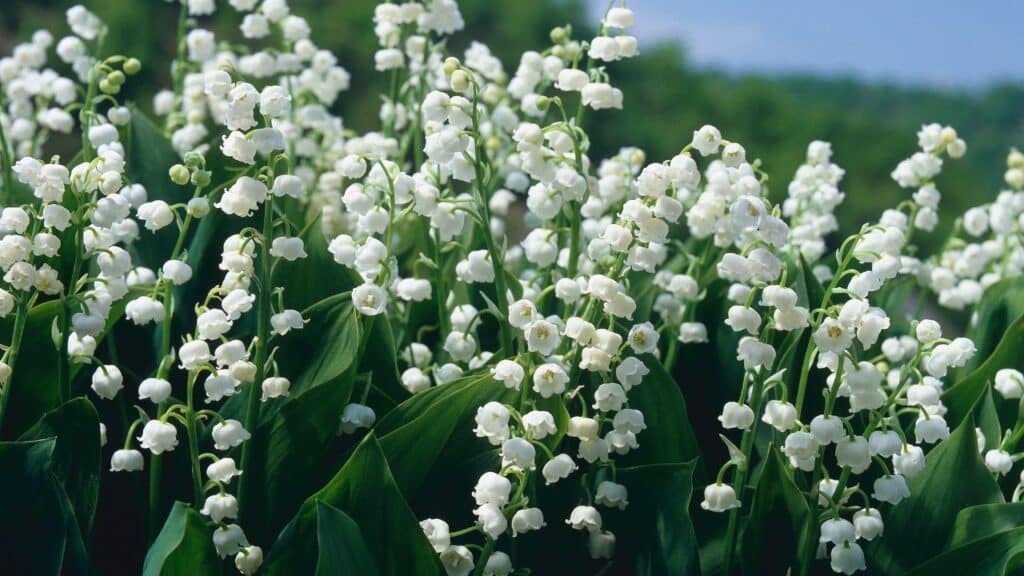
A lovely tradition in France is to give Lily of the Valley as a token of good luck on May 1st, known as “La Fête du Muguet.” This tradition dates back to May 1, 1561, when King Charles IX of France received a Lily of the Valley as a lucky charm and decided to start the custom of presenting the flowers to the ladies of the court every year on this day.
Petunia
Whenever I hear Petunia, I always think of Aunt Petunia in Harry Potter. Luckily, the flower is prettier and nicer than the book’s character. There are so many different varieties and colors ranging from vivid pinks and deep purples to soft whites and striking reds.
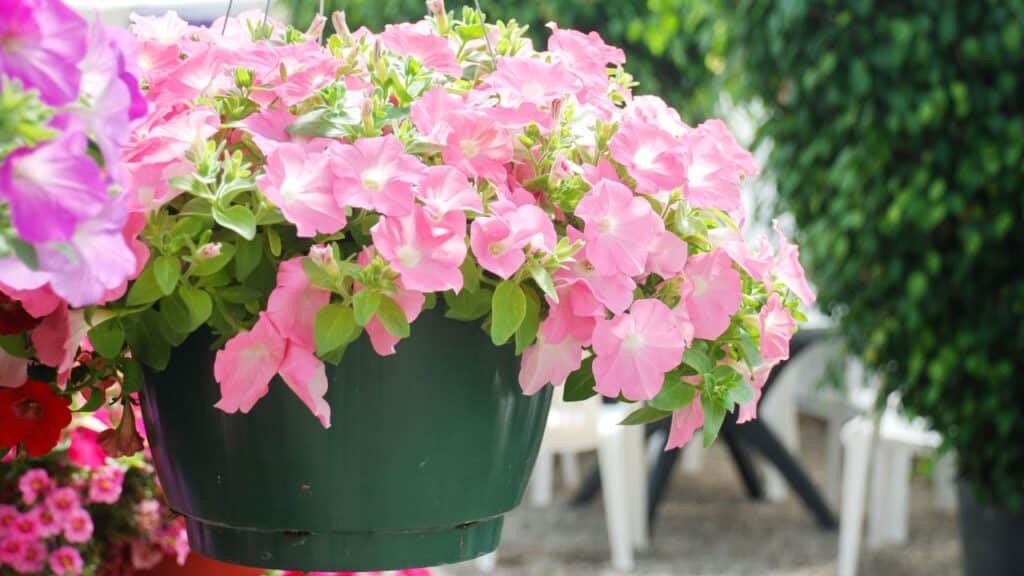
They are versatile and can cope with any weather conditions, although they do like a good six hours of sun each day.
Begonia
Begonias are one of my mom’s favorite flowers; she has about ten pots in her garden. Their blooms are gorgeous and come in a spectacular array of colors, including pink, red, orange, yellow, and white.
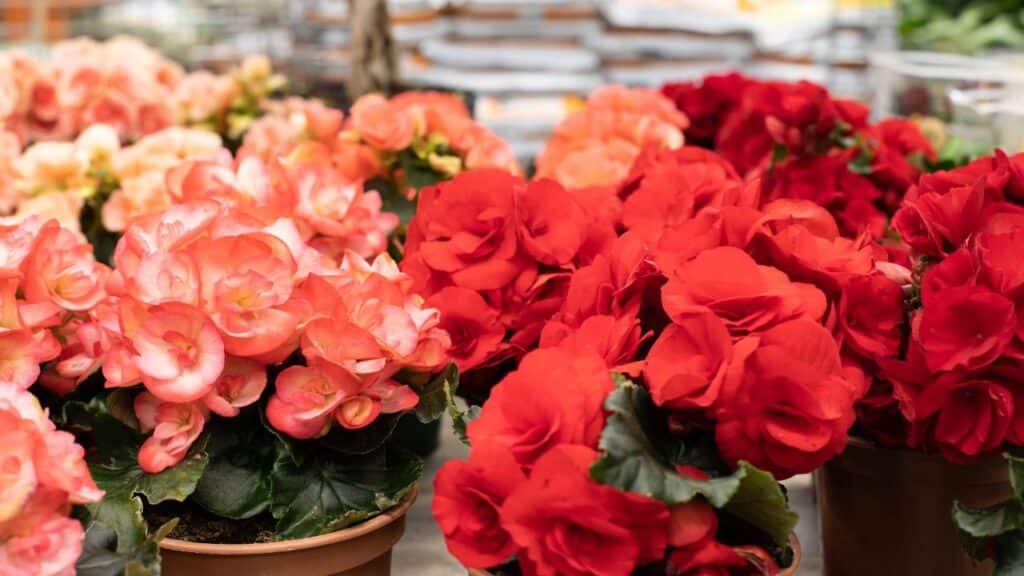
They’re hardy plants that adapt to shade or sunlight. They also do well in containers, so if you don’t have much of a garden, you can pop them on a patio or indoors.