
I’m always on the lookout for travel deals to places that often seem out of reach and have been pleasantly surprised at what I’ve been able to find. I detest the winter months when nothing happens here in rural France, and it feels like the rain never stops. January and February are dismal months, and all I want to do is escape to sunnier climates.
As a gal who loves history, I want more than just gorgeous beaches, although I do love those. I want to discover ancient monuments, temples, and castles, and get off the beaten track to the less touristy destinations. However, I don’t have an unlimited budget, but I also don’t want to end up in a less than desirable hotel either.
So, how do you find amazing experiences that don’t break the bank and are wallet-friendly? Where can you go outside of the US where your dollars go further? These nine countries are proof that you don’t need a big budget to have the vacation of a lifetime.
9 Dreamy Destinations Where Luxury Comes at Half the Price
These nine destinations outside of the US prove you don’t need a five-star budget to enjoy five-star experiences. Each one offers its own mix of history, culture, and scenery, whether that’s ancient temples in Asia, colorful markets in North Africa, or vineyards in southern Europe.
Peru
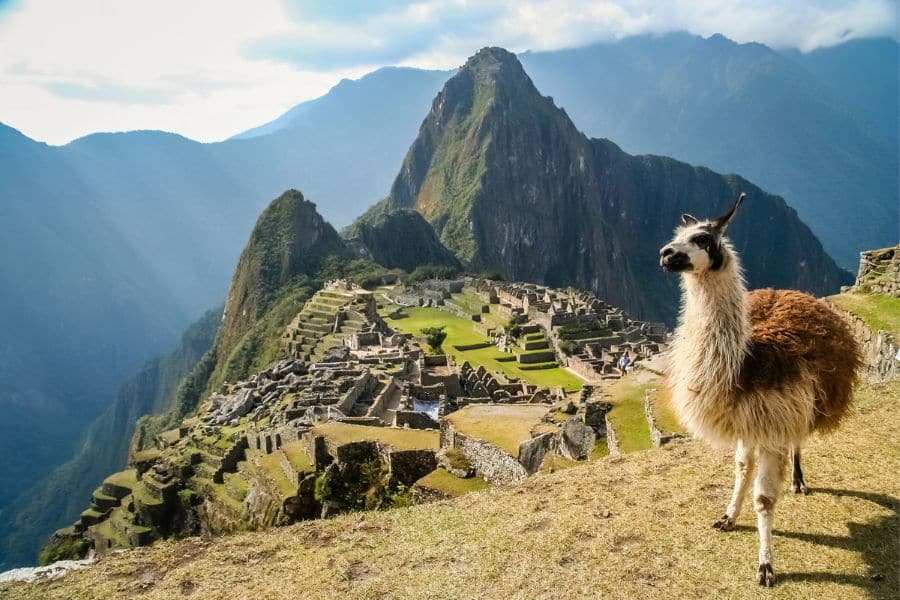
Peru is a country renowned for its dramatic landscapes and ancient civilizations. In the south, Cusco sits high in the Andes as the former capital of the Inca Empire, and nearby is the Sacred Valley, where terraces, villages, and ruins line the mountainsides. From here, many embark on the journey to Machu Picchu, perched high above the clouds and one of the most famous archaeological sites in the world. To the south, Lake Titicaca stretches across the border with Bolivia, dotted with islands where traditional ways of life continue.
The capital, Lima, overlooks the Pacific Ocean and offers a distinctly different experience. Its colonial center mixes with modern districts, and it has become one of South America’s food capitals. In the north, the climate transitions to a tropical one, featuring beaches and jungle, while deeper into the Amazon, river cruises and lodges reveal one of the most biodiverse regions on Earth.
Peru’s traditions are rooted in both indigenous and Spanish heritage. Festivals are frequent, blending Catholic and Andean rituals, often with colorful costumes, music, and dance. In Cusco, Inti Raymi, the Festival of the Sun, is one of the most important celebrations, marking the Inca heritage every June. Markets brim with textiles, alpaca wool clothing, and handmade crafts, keeping centuries-old skills alive.
Food has become one of Peru’s great attractions. Ceviche, a raw fish dish cured in lime juice with chili and onions, is a national favorite, while dishes like lomo saltado mix local ingredients with Asian influences. In the highlands, potatoes and quinoa are the staples, having been cultivated here for thousands of years. Pisco sour, made from Peru’s national spirit, is the drink most associated with the country, but chicha morada, a sweet purple corn drink, is equally popular.
Mid-range hotels typically range from $50 to $100 per night, with higher prices around Cusco and Machu Picchu. Meals in restaurants typically cost $6 to $12 per person, whereas market food is often significantly less. Tours vary widely, from around $50 for guided day trips in the Sacred Valley to $300 or more for multi-day treks to Machu Picchu.
Cambodia
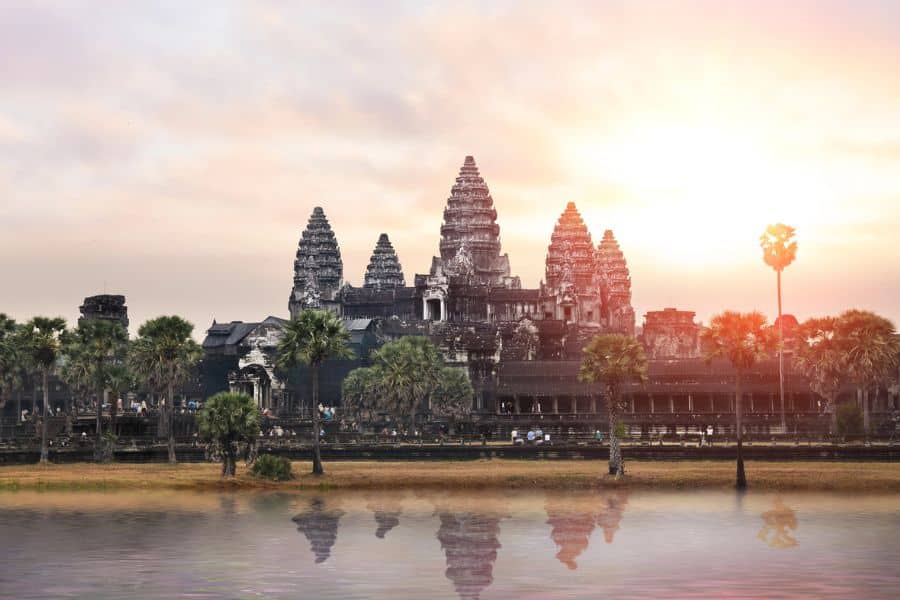
Cambodia is a country where ancient history and everyday life intertwine. The north is home to Siem Reap and the sprawling Angkor Archaeological Park, where hundreds of temples lie scattered through the jungle. Angkor Wat, the largest of them all, rises at sunrise in one of the most breathtaking sights in Asia.
Phnom Penh, the capital, sits on the banks of the Mekong and Tonle Sap rivers with its Royal Palace, bustling markets, and a growing modern skyline. To the south, the pace slows along the coast, where Sihanoukville and the islands beyond offer sandy beaches and warm seas.
The country’s recent past is never far away. The Tuol Sleng Genocide Museum and the Killing Fields near Phnom Penh tell the story of the Khmer Rouge, a tragic chapter in the history of Cambodia.
Tradition shapes daily life. Buddhist temples and orange-robed monks are everywhere, while festivals like the Khmer New Year in April bring families together with ceremonies, games, and water fights. The Water Festival in November celebrates the reversal of the Tonle Sap River’s flow with boat races that fill the capital with energy.
Food is fresh, simple, and flavorful. Amok, a fragrant fish curry steamed in banana leaves, is often described as the national dish of Cambodia. Lok lak, stir-fried beef served with rice and dipping sauce, is another favorite. Rice and noodles form the base of most meals, and tropical fruit, from mangoes to rambutans, is abundant.
Mid-range hotels typically cost between $30 and $70 per night, often featuring pools and convenient central locations. Meals in restaurants typically cost $4 to $8 per person, while street food is often even less. Guided tours of Angkor temples or countryside day trips often range from $25 to $60.
Philippines
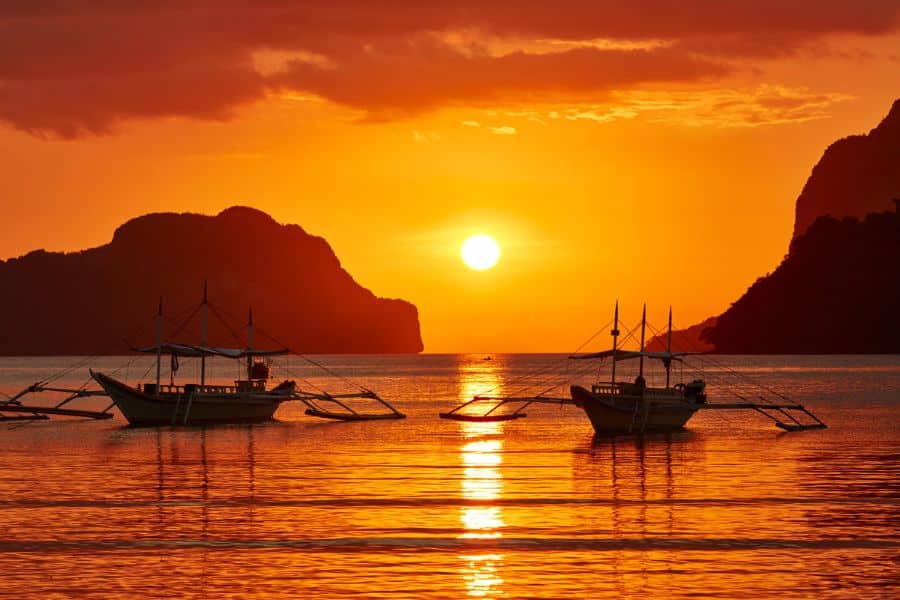
The Philippines is made up of more than 7,000 islands, and each region feels like a world of its own. Luzon, in the north, is home to Manila, a sprawling capital where Spanish churches, modern malls, and lively street life converge. Further north, the rice terraces of Banaue climb the mountainsides in a patchwork of green carved by hand centuries ago.
In the Visayas, islands like Cebu and Bohol offer a unique blend of white-sand beaches, diving, waterfalls, and colonial-era towns. To the south, Palawan is often called the country’s most beautiful region, with limestone cliffs, hidden lagoons, and crystal-clear waters perfect for island-hopping.
The mix of cultures is one of the Philippines’ strengths. Centuries of Spanish influence are evident in the Catholic festivals, baroque churches, and even in the language. In contrast, American influence is reflected in music, fast food, and basketball courts, which are found in almost every town. Traditional Filipino hospitality, though, is at the heart of the experience, with family and community central to daily life.
Food reflects this diversity. Adobo, a dish of meat simmered in vinegar, soy sauce, and garlic, is perhaps the most well-known, while lechon, a whole roasted pig, is often the centerpiece of celebrations. Kare-kare, a rich peanut stew, and sinigang, a sour tamarind soup, are other favorites. Seafood is abundant, from grilled fish on the beaches to kinilaw, a type of ceviche. Halo-halo, a dessert of crushed ice, fruit, and sweet beans topped with ice cream, is the perfect antidote to the tropical heat.
The Philippines is also one of the world’s premier destinations for diving and snorkeling. Tubbataha Reefs and Apo Reef are UNESCO-listed, while whale sharks migrate through waters near Donsol and Cebu. Inland, volcanoes like Mount Mayon and Mount Pinatubo offer dramatic hikes.
Mid-range hotels typically range from $40 to $90 per night, many of which offer pools or beach access. Meals in restaurants typically average $5 to $10 per person, while street food snacks often cost $1 or less. Tours, including island-hopping boat trips, diving excursions, or guided hikes, usually range from $30 to $80.
Vietnam
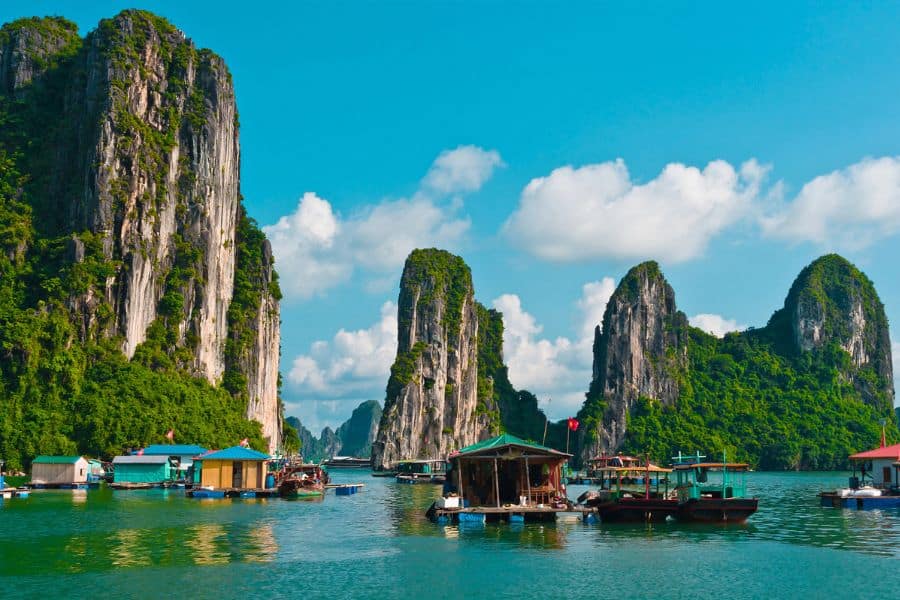
Vietnam stretches over a thousand miles from north to south, and the landscapes shift dramatically as you travel. In the north, Hanoi mixes French colonial architecture with buzzing streets where life spills onto the sidewalks. Beyond the city, you’ll find terraced rice fields in Sapa and the misty karst peaks of Ha Long Bay.
Central Vietnam feels different again, with imperial history in Hue and the lantern-lit riverbanks of Hoi An. The south is hotter, greener, and faster-paced, with Ho Chi Minh City driving the country’s economic engine and the Mekong Delta offering a maze of rivers and floating markets.
Tradition and modern life sit side by side. The Lunar New Year, known as Tet, is the biggest celebration of the year, when families gather, businesses pause, and the streets fill with flowers, red decorations, and special foods meant to bring good fortune. You’ll see influences of Buddhism and Confucianism in pagodas and temples, while in rural areas, ancestor worship is still central to daily life.
Food is one of Vietnam’s greatest joys. Pho is the most famous dish, but each region has its own specialties. In Hanoi, you’ll find bun cha, a dish consisting of grilled pork, noodles, and herbs. Central Vietnam leans spicier, with dishes like cao lau in Hoi An made from noodles unique to the region.
The south loves its sweetness, often adding sugar or coconut milk, and you’ll taste it in everything from iced coffee to curries. Street food culture is strong everywhere, and pulling up a plastic stool for a quick bite is part of the experience.
Vietnam is also known for its coffee. Grown in the Central Highlands, it’s often brewed strong and mixed with condensed milk or even whisked with egg yolk for a thick, custard-like drink. Pair that with a morning in a local café, and you’ll understand why coffee is more than just a drink here — it’s a ritual.
Traveling through Vietnam gives you a sense of constant contrast. One day you might be walking through centuries-old citadels, the next sailing between limestone cliffs, and the next navigating canals lined with floating homes. It’s a country that changes as quickly as the scenery outside your train window.
Mid-range hotels typically range from $40 to $80 per night, often offering extras such as rooftop pools or river views. A sit-down meal with drinks averages around $8 to $12 per person, while street food favorites like banh mi or pho often cost just a couple of dollars. Private tours, such as cruising Ha Long Bay, exploring the Cu Chi Tunnels, or visiting the Mekong Delta, often cost under $75.
Portugal
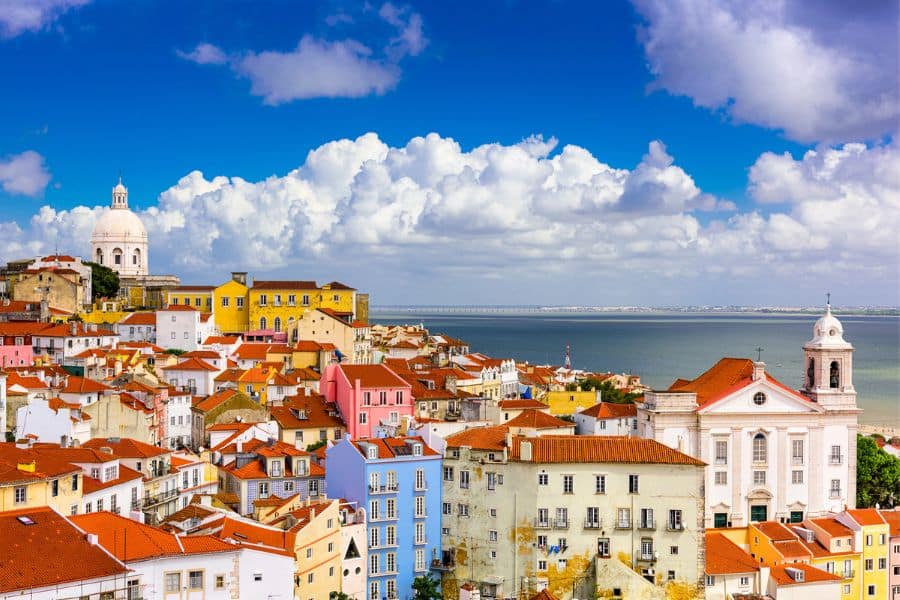
Although traveling to Europe isn’t cheap, once you get there, places like Portugal are surprisingly affordable, and it’s an easy country to drive around. You have that wonderful mix of beach life, shopping, and history.
The north has a cooler climate, green valleys, and the Douro River winding through terraced vineyards. Porto is also situated here, famous for its port wine cellars, where barrels have aged for generations.
Head south and the landscapes shift. Lisbon stretches along the Tagus River with neighborhoods layered in tiles, while the Algarve delivers sun, golden cliffs, and fishing towns that thrive on the Atlantic.
Tradition runs deep. In Alfama, Lisbon’s oldest district, fado singers continue to tell stories of longing and love in intimate taverns. Each town seems to have its own festival, whether it’s fireworks for São João in Porto or a summer celebration with sardines grilled right on the street. Markets bustle with locals buying salted cod, olives, and rounds of queijo da Serra, a soft sheep’s cheese that’s been made the same way for centuries.
Food is a highlight everywhere. Expect dishes built around the sea: octopus rice, clams in garlic sauce, or the ever-present bacalhau cooked in more ways than you can count. For sweets, the pastel de nata is iconic, but every region has its specialty, from almond cakes in the Algarve to sponge-like pão de ló in the north. Wine is just as varied, from the bold reds of the Alentejo to the crisp Vinho Verde poured chilled on summer afternoons.
Mid-range hotels or family-run guesthouses usually range from $70 to $120 a night. A full meal with wine typically costs between $15 and $25 per person. Guided tours, whether exploring Sintra’s palaces or cruising the Douro River, are generally under $100.
Indonesia
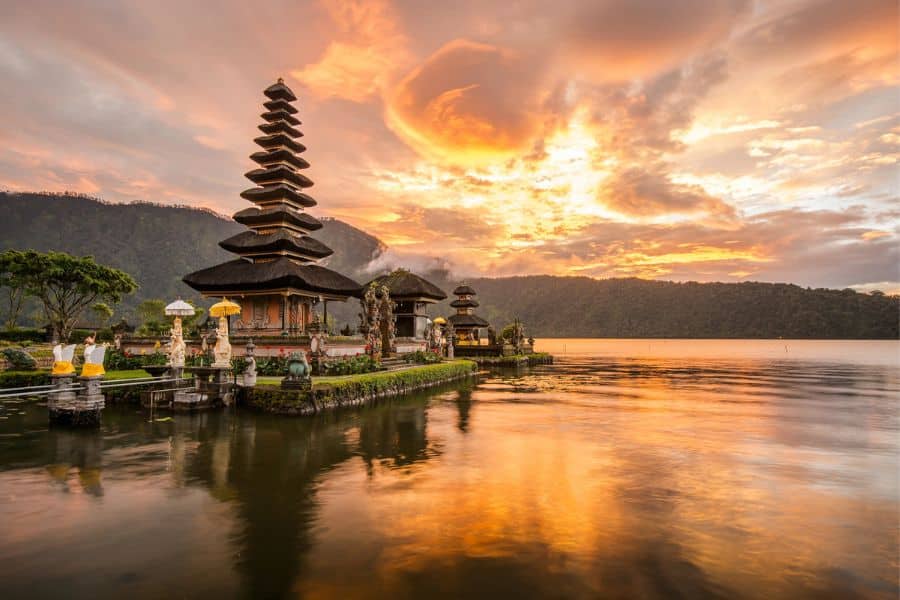
Indonesia is a country of thousands of islands, each offering something different. Bali may be the most famous, with its beaches, temples, and rice terraces, but it’s only one small piece of the story. Java is home to the capital, Jakarta, and also to Yogyakarta, where you can explore Borobudur and Prambanan, two of the most impressive temple complexes in Southeast Asia. Head further east and you’ll find Komodo National Park, where the famous dragons roam, and Flores, where volcanoes rise dramatically above turquoise seas.
The culture is just as varied as the landscape. Hindu traditions shape daily life in Bali, while on Java, centuries of Islamic influence are seen in mosques and markets. Dance, music, and storytelling remain important everywhere, from gamelan orchestras to shadow puppetry that has entertained audiences for generations. Festivals are frequent, marking everything from religious ceremonies to rice harvests.
Food is bold and diverse, often built around rice, noodles, and spices. Nasi goreng, one of my absolute favorites, is the national dish, a flavorful fried rice topped with an egg. Satay skewers, served with peanut sauce, are popular across the islands, while rendang, a slow-cooked beef curry rich in coconut and spices, is especially beloved in Sumatra. In coastal areas, fresh fish and seafood dominate, often grilled and served with fiery sambal.
Mid-range hotels typically range from $50 to $90 per night, often featuring pools and tropical gardens. Meals at sit-down restaurants range from $5 to $10 per person, while street food can be even less expensive. Private tours, such as guided treks up Mount Batur or boat trips through Komodo National Park, typically range from $50 to $100.
Morocco
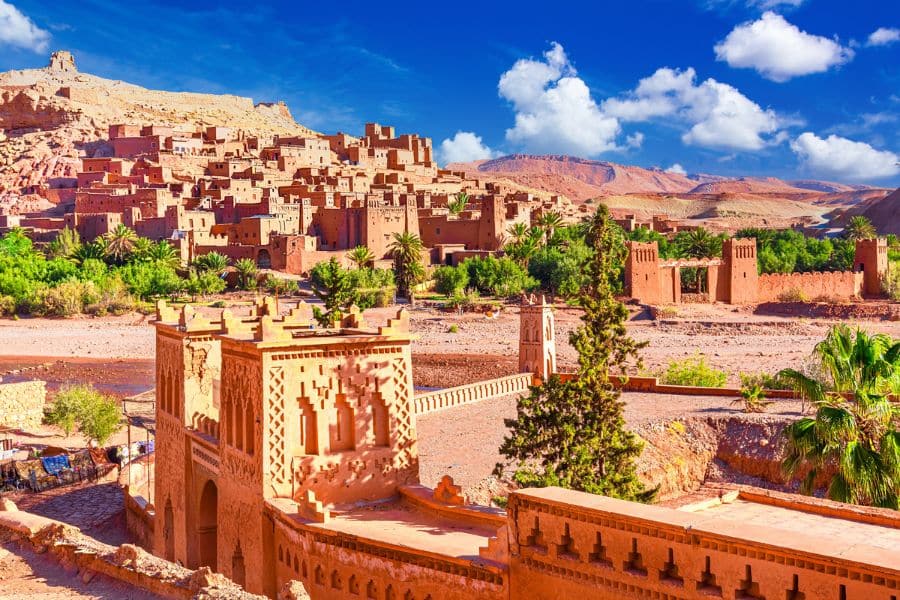
Morocco sits at the crossroads of Africa, Europe, and the Middle East, and you feel that blend everywhere you go. In the north, Tangier overlooks the Strait of Gibraltar, while Chefchaouen is known for its blue-washed streets set against the backdrop of the Rif Mountains. Further south, Marrakesh bursts with energy in its medina, where narrow lanes lead to spice stalls, leather workshops, and hidden courtyards.
Travel east and you reach the Sahara, where camel caravans move across endless dunes before the desert gives way to mountain passes and Berber villages in the Atlas.
Tradition runs deep in Moroccan daily life. In the medinas, artisans still weave carpets, shape pottery, and hammer brass by hand. Mint tea is a gesture of hospitality poured high into small glasses to create a frothy top. Call to prayer sounds from the mosques five times a day, a rhythm that shapes both city streets and quiet villages.
Food is rich, slow-cooked, and layered with a variety of spices. Tagine is perhaps the most iconic dish, braised in earthenware with combinations of lamb, chicken, vegetables, olives, and preserved lemons. Couscous often appears on Fridays, the holy day of the week, served with stewed vegetables and meat. Sweet pastilla, filled with pigeon or chicken and dusted with cinnamon and sugar, is another specialty. Street snacks like msemen, a flaky flatbread, or grilled brochettes are a staple of everyday life.
Wine is also produced in Morocco, although mint tea remains the national drink. In the coastal city of Essaouira, seafood is the star, while in Fes and Marrakesh, centuries-old recipes are still passed down in family-run kitchens.
Mid-range hotels or traditional riads typically range from $60 to $100 per night, often located in beautifully restored buildings with inner courtyards. Meals in restaurants typically average $8 to $15 per person, while street food can cost as little as a few dollars. Guided day tours, whether hiking in the Atlas Mountains, exploring the medinas, or riding into the Sahara, typically range from $40 to $90.
Sri Lanka
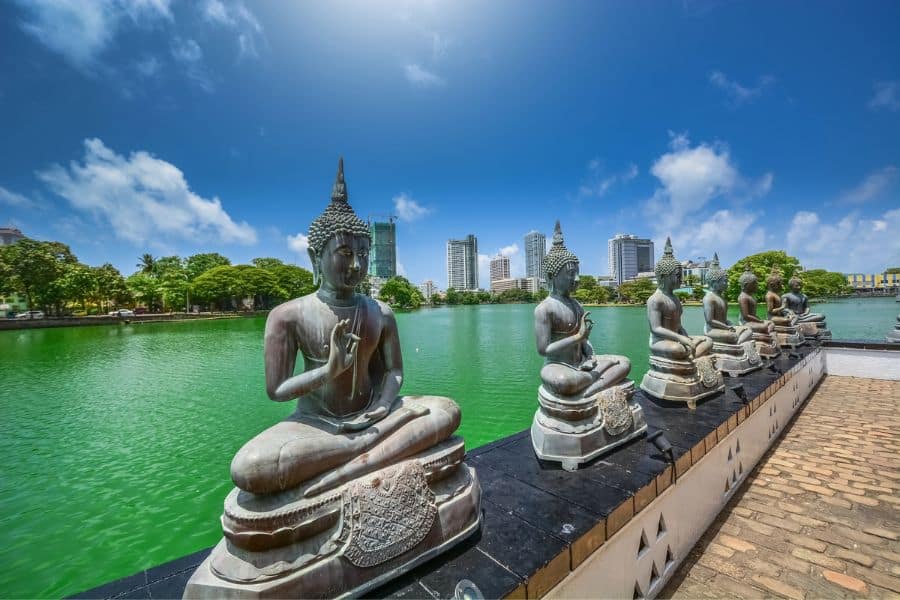
Sri Lanka may be small, but it feels incredibly diverse. In the north, Jaffna exhibits a strong Tamil influence, characterized by colorful Hindu temples. At the same time, the central highlands are cooler, featuring tea plantations and colonial-era hill stations such as Nuwara Eliya.
The south offers golden beaches and wildlife-rich national parks, and further inland, you’ll find the ancient cities of Anuradhapura and Polonnaruwa with their monumental ruins. The cultural triangle, with Sigiriya’s rock fortress rising above the jungle, is one of the country’s most unforgettable sights.
Religion and tradition are part of daily life. Buddhism is central, with temples, stupas, and shrines found across the island, while Hindu, Christian, and Muslim communities also celebrate their own festivals. In Kandy, the Esala Perahera festival takes over the streets each summer, with dancers, drummers, and elephants parading in honor of the Sacred Tooth Relic.
Food in Sri Lanka is fiery, fragrant, and varied. Rice and curry are the staples, but expect several small dishes rather than one large plate: vegetables, lentils, pickles, and spicy sambols served alongside chicken, fish, or beef. Hoppers, bowl-shaped pancakes, are popular for breakfast, often with an egg cooked in the center. Coastal towns serve fresh seafood curries, while the highlands are known for tea. Visiting a tea estate and sipping a cup where it’s grown is an essential experience.
Wildlife is another highlight. Yala National Park is famous for its leopard population, while elephants are a common sight in parks like Minneriya. Off the coast, blue whales migrate seasonally, making the waters near Mirissa a hotspot for whale-watching.
Mid-range hotels and guesthouses typically cost $40 to $80 per night, often situated in lush gardens or with ocean views. Meals in restaurants typically average $5 to $10 per person, while street food snacks cost only $1 or $2. Guided tours, including safaris, cultural excursions, or day trips to sites like Sigiriya, often range from $40 to $90.
Thailand

Thailand draws people in with its mix of lively cities, golden temples, and tropical beaches. In the north, Chiang Mai is surrounded by mountains and dotted with hundreds of temples, while nearby Chiang Rai is home to the striking White Temple, an artwork as much as a place of worship.
Central Thailand is home to Bangkok, a city of contrasts where glittering palaces and bustling markets coexist alongside modern malls and rooftop bars. The south is all about the coastline, from the limestone cliffs of Krabi to the islands of Phuket, Koh Samui, and Koh Phi Phi.
Buddhism shapes much of Thai culture. Monks in saffron robes collecting alms are a common sight in the mornings, and festivals mark the passage of the year. Songkran, the Thai New Year in April, turns into a countrywide water fight, while Loy Krathong in November sees thousands of floating lanterns released onto rivers and lakes.
Food is an experience in itself. Thai cuisine balances sweet, sour, salty, and spicy in every dish. Pad Thai and green curry are global favorites, but regional specialties shine just as brightly. In the north, you’ll find khao soi, a fragrant curry noodle soup. The south favors spicier dishes and abundant seafood, while street food is everywhere, from skewers of grilled chicken to mango sticky rice.
Markets and night bazaars are part of the fabric of Thai life. They’re not only places to eat and shop but also to socialize. Floating markets near Bangkok add another dimension, where boats piled with fruit, flowers, and hot dishes paddle up to your side.
Mid-range hotels typically cost between $40 and $80 per night, often featuring pools or beachfront locations. Meals in restaurants average $5 to $12 per person, while street food dishes are often just a couple of dollars. Tours, such as island-hopping boat trips, cooking classes, or guided temple visits, typically range from $30 to $80.