
Tell me if any of this sounds familiar. You walk into a room and forget why you went in there. You lose a word mid-sentence. You spend three minutes looking for your glasses, only to find them on your head.
You know the word you’re looking for, but it just won’t come to mind. It’s beyond frustrating, and you feel as though you’re losing your mind. And as we reach a certain age, it happens with startling regularity.
But like with many things related to health, the sooner we start taking notice, the more we can do about it. What you put on your plate has a measurable effect on how well your brain functions. Neurologists have identified a handful of foods that stop memory loss and consistently appear in research on cognitive decline and dementia prevention.

9 Foods That Stop Memory Loss & Fight Dementia
These are everyday ingredients you can buy at any grocery store, and the science behind them proves they help with memory loss.
Walnuts
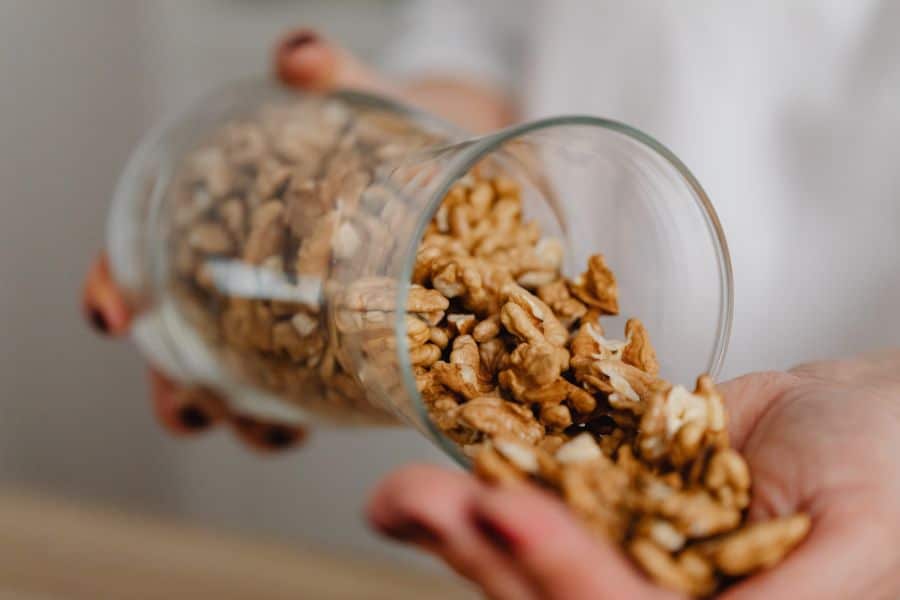
I’ve always thought that walnuts look like tiny brains, which feels appropriate given what they can do for yours.
Research found that the polyphenolic compounds in walnuts reduce oxidative damage and neuroinflammation, two processes that researchers believe contribute significantly to the development of Alzheimer’s disease.
The same research found that walnut extract can inhibit the formation of amyloid beta fibrils, the protein clusters that accumulate in the brains of people with Alzheimer’s disease.
A small handful a day is all it takes. Four or five walnuts on top of your morning oatmeal, tossed into a salad, or eaten straight from the bag as a snack. If you bake, they work beautifully in banana bread, muffins, or brownies.
Turmeric

I swear by turmeric for so many things. It’s a powerful herb that helps with so many things, including sciatica, which I’ve suffered with for a while now. If you have ever wondered why rates of Alzheimer’s disease are significantly lower in India than in many Western countries, turmeric is part of the conversation.
The active compound in turmeric is curcumin, and it has been studied extensively for its effects on brain health. A trial from UCLA found that daily consumption of a bioavailable form of curcumin improved memory and mood in adults aged 50 to 90 with mild memory complaints. Brain scans also showed decreased levels of amyloid and tau deposits in regions associated with memory and emotion.
Plain turmeric powder does not absorb particularly well on its own. Pairing it with black pepper and a fat source, such as olive oil or coconut milk, significantly increases the amount of curcumin your body actually uses.
Add turmeric to scrambled eggs or an omelet in the morning. Stir it into soups, lentil dishes, and rice while they cook, but don’t forget the black pepper. You can also do what I do and get the tablets and take them daily; it’s easy, and I make it part of my daily routine.
Salmon and Mackerel
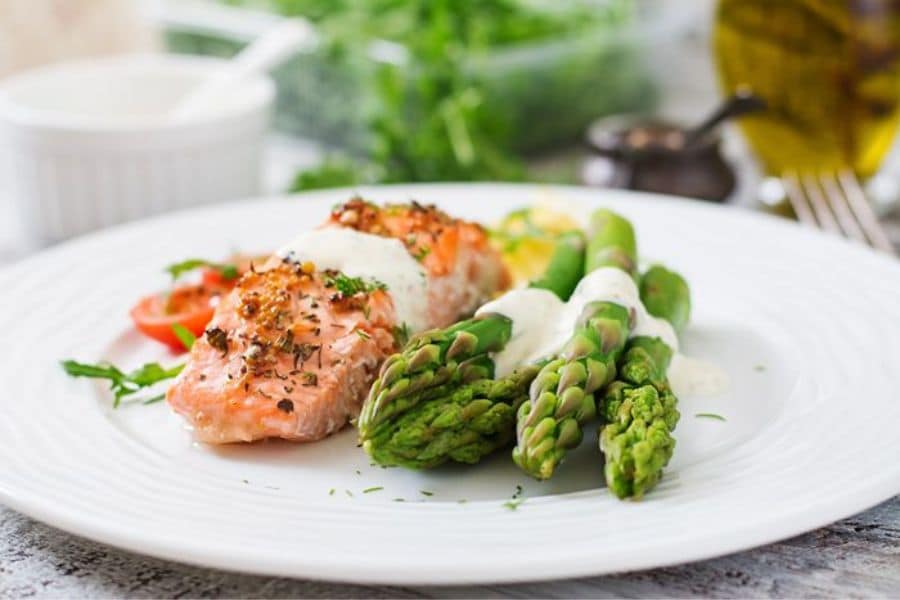
Your brain is roughly 60% fat, and a significant portion of that fat is DHA, a long-chain omega-3 fatty acid found almost exclusively in oily fish.
A large meta-analysis found that supplementation with DHA in people with mild cognitive impairment showed a benefit on cognitive decline. The same review noted that in people with clinical coronary artery disease, adequate EPA and DHA daily intake effectively slowed cognitive aging by 2.5 years.
Salmon and mackerel are among the richest dietary sources of both DHA and EPA, and most neurologists recommend eating oily fish at least twice a week.
Salmon is possibly the most versatile fish in any kitchen. Pan-fry it until the skin goes crisp and serve it over wilted spinach or roasted sweet potato, or bake a fillet with a little olive oil, lemon, and garlic.
Smoked mackerel fillets from a packet are one of the most affordable, convenient, and nutrient-dense foods you can keep in your fridge. Flake them over a salad, mash them onto toast with a squeeze of lemon and some black pepper, or stir them through warm potato salad.
Spinach
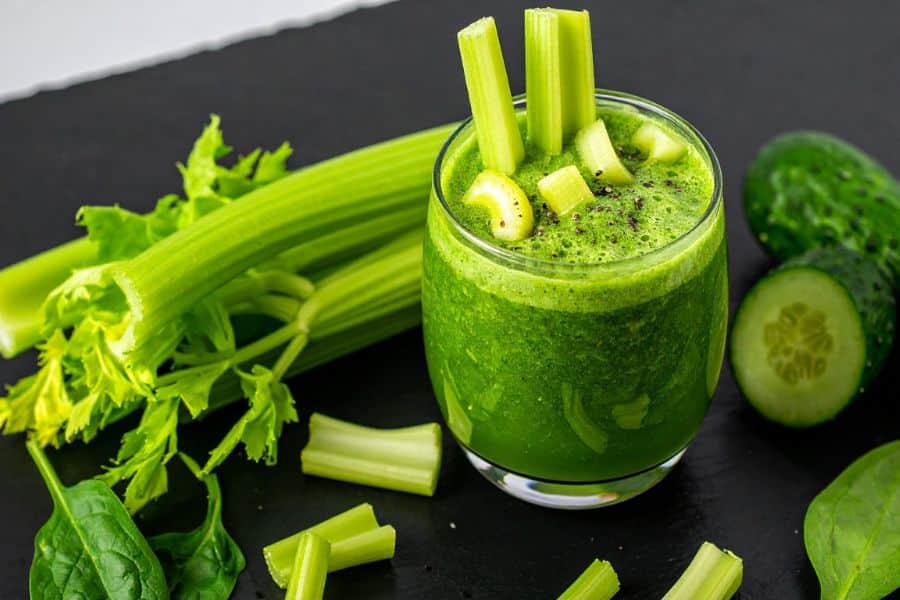
The Rush University Memory and Aging Project, which followed nearly 1,000 older adults for almost 5 years, produced one of the most cited findings in nutritional neuroscience.
The study found that people who ate approximately 1 serving of green leafy vegetables per day had a rate of cognitive decline equivalent to that of people 11 years younger than those who ate little or none.
Spinach was one of the key vegetables studied. It is packed with folate, lutein, vitamin K, and nitrate, each of which has been individually associated with slower rates of brain aging.
Blend a big handful with banana, frozen mango, and a little milk or yogurt, and it disappears completely.
Cook it, and it wilts down to almost nothing, which means half a cup of cooked spinach takes about two minutes and a pan.
Stir it through scrambled eggs or an omelet at the last minute.
Add a handful to soups, stews, and curries right before you serve them.
Extra Virgin Olive Oil
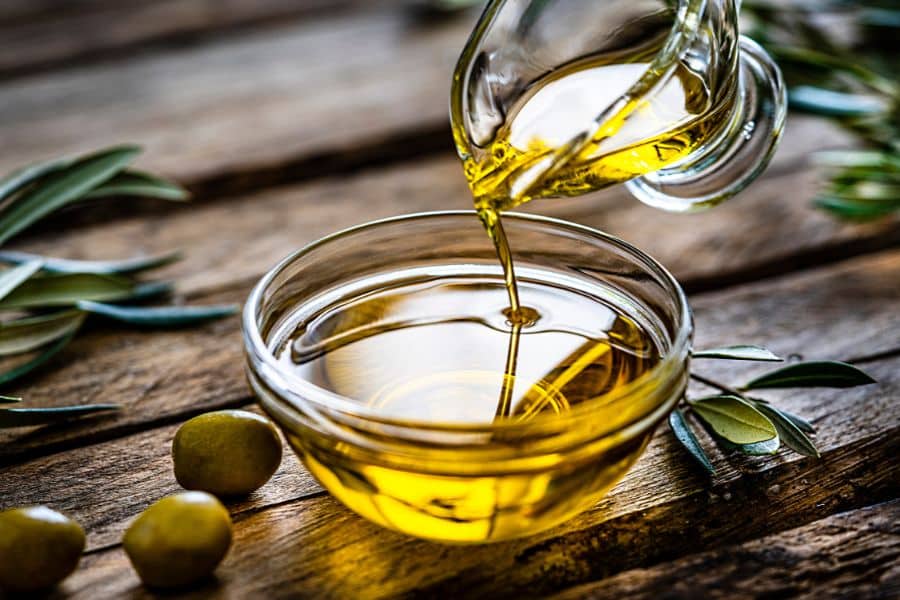
There is a reason neurologists are enthusiastic about the Mediterranean diet, and a large part of it comes back to one bottle on your kitchen counter.
Research followed over 92,000 participants for 28 years and found that consuming at least 7 grams of olive oil per day was associated with a 28% lower risk of death from dementia, regardless of overall diet quality.
A separate trial found that daily consumption of extra virgin olive oil for six months in people with mild cognitive impairment enhanced brain functional connectivity, reduced blood-brain barrier permeability, and improved memory.
The polyphenols in extra virgin olive oil are what make the difference. Refined olive oil does not carry the same benefits.
Make it your go-to for salad dressings. A basic combination of extra virgin olive oil, lemon juice, Dijon mustard, and a little honey takes about 30 seconds and is better than anything from a bottle.
Blueberries
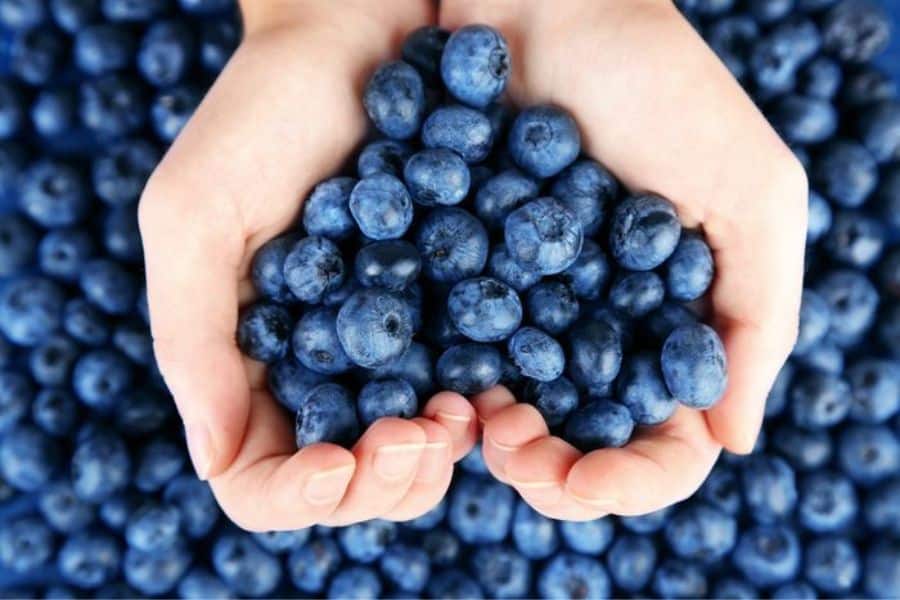
Blueberries are small, but mighty. A trial specifically studied adults aged 50 to 65 who were at elevated risk for future dementia. The group that received daily blueberry supplementation showed significant improvements in memory encoding and word retrieval, and also reported reduced difficulty with memory in their everyday lives.
What makes blueberries particularly interesting for this age group is that their benefits appear to emerge in midlife, before any serious cognitive decline has set in. The anthocyanins in blueberries reduce oxidative stress and neuroinflammation, and research suggests they may help slow the processes that lead to neurodegeneration years down the line.
Frozen blueberries are just as nutritious as fresh, and considerably cheaper. I usually have them on my morning oatmeal during the colder months and pop them into a smoothie for breakfast in the summer.
Broccoli

Broccoli contains a compound called sulforaphane, which helps neuroprotection and the prevention of cognitive decline.
It is also one of the best plant-based sources of vitamin K, a key nutrient associated with slower cognitive aging in leafy greens and cruciferous vegetables alike.
A high consumption of cruciferous vegetables, including broccoli and cauliflower, is the strongest dietary predictor of slower cognitive decline in older women.
The worst thing you can do with broccoli is overcook it, as it loses all its nutrients. Roast it instead. Toss the florets in olive oil, salt, and a little garlic, spread them on a baking sheet, and cook at 400 degrees for about 20 minutes, until the edges go dark and slightly crispy. It is a completely different vegetable.
Steam it lightly and toss it with lemon juice, olive oil, and a handful of toasted almonds.
Add raw florets to grain bowls or chop them finely and fold them through pasta with olive oil and parmesan.
Chickpeas

Chickpeas are packed with nutrients that are good for the brain. They are a significant source of choline, which the body uses to produce acetylcholine, a neurotransmitter essential for memory and learning. Lower levels of acetylcholine are consistently found in people with Alzheimer’s disease, and most people over 50 are not getting enough choline from their diet.
Chickpeas are also rich in B vitamins, particularly folate, which works to lower levels of homocysteine in the blood. Elevated homocysteine is associated with increased risk of cognitive decline and has been found at higher levels in people with Alzheimer’s.
They are the staple of many curries, but they’re also good roasted and added to a salad. Blend them with olive oil, lemon, garlic, and tahini to make hummus from scratch.
Avocado
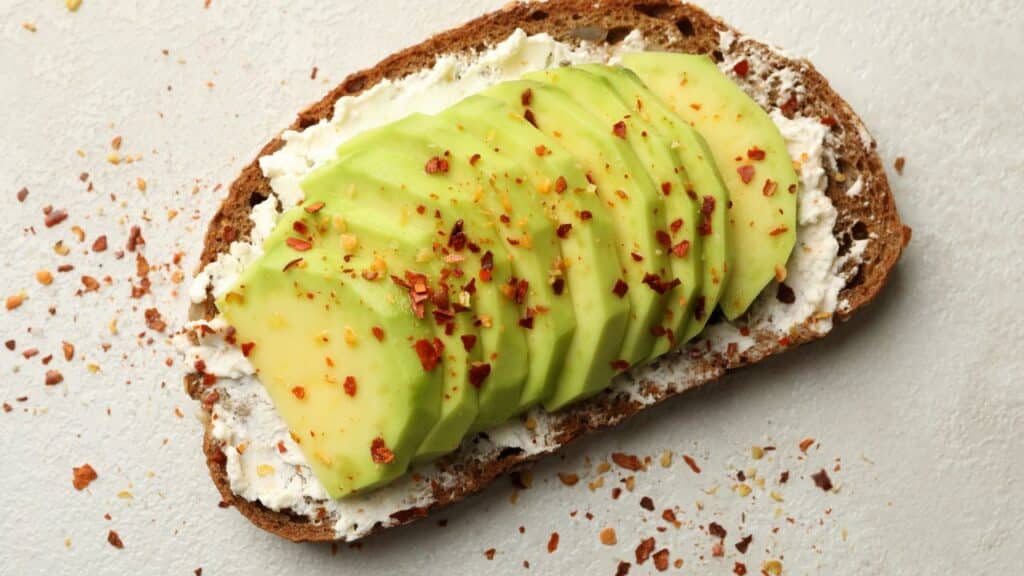
Avocado is one of the richest sources of lutein in any fruit, and lutein has been found to accumulate in the brain and eyes, where it acts as a protective antioxidant.
A study found that eating one avocado a day for six months improved cognitive performance in healthy older adults, particularly in attention and processing speed.
Avocados are also high in monounsaturated fats, which help support healthy blood flow to the brain, and in vitamin E, a fat-soluble antioxidant that has been linked to reduced risk of cognitive decline.
Avocado toast is an easy option. Sliced with eggs in the morning, or mashed with lime and a little chili on literally anything. Dice it into a simple salsa with tomato, red onion, lime juice, and cilantro.
There is no single food that will guarantee protection against dementia, and anyone telling you otherwise is not being straight with you. But the research is consistent enough that neurologists take these foods seriously, and the pattern that keeps emerging points to the same conclusion.
Disclaimer: This information is for educational purposes only and is not intended to replace professional medical advice. Please speak with your healthcare provider before making significant changes to your diet, particularly if you have an existing health condition.