
I’m fairly new to gardening. Before moving to France, I had a gardener, as I really couldn’t be bothered to look after my previous garden, as I had no real interest. But something about living in the French countryside changed me. That and having nothing to do over Covid.
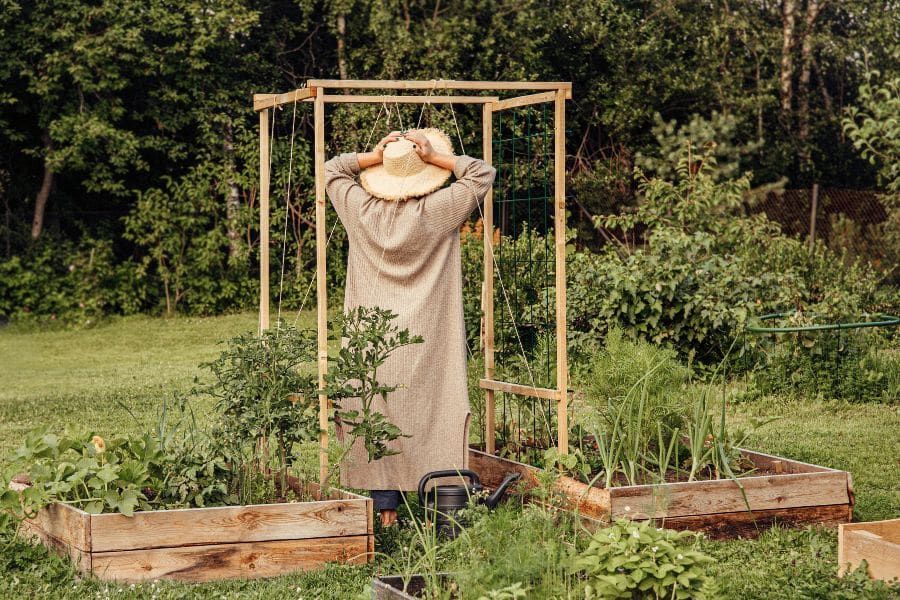
I went from being completely indifferent to absolutely obsessed. Now, I’ve built two rockeries, three dry stone walls for my raised beds, and I have a thriving potager, or veggie patch, for those not versed in French gardening.
My garden is now my happy place, and I love spending time in it, weeding, planting, and creating new spaces for my plants. However, I’ve also gone through a fair amount of frustration when, no matter how hard I tried, my plants failed. I’ve made all the usual mistakes and some of the unusual ones too, and it’s cost me a pretty penny in the process.
So below you’ll find nine of the big mistakes I made while learning how to be a little more green-fingered.
9 Expensive Gardening Mistakes to Avoid
Mistake #1: Cramped Beds
One of the first mistakes I made was planting too close together. I thought I was being efficient by cramming as much as I could into one bed, but all I created was a mini jungle that quickly turned against me. Plants pressed up against each other hold on to dampness, and that’s when problems like mildew and rot show up uninvited.
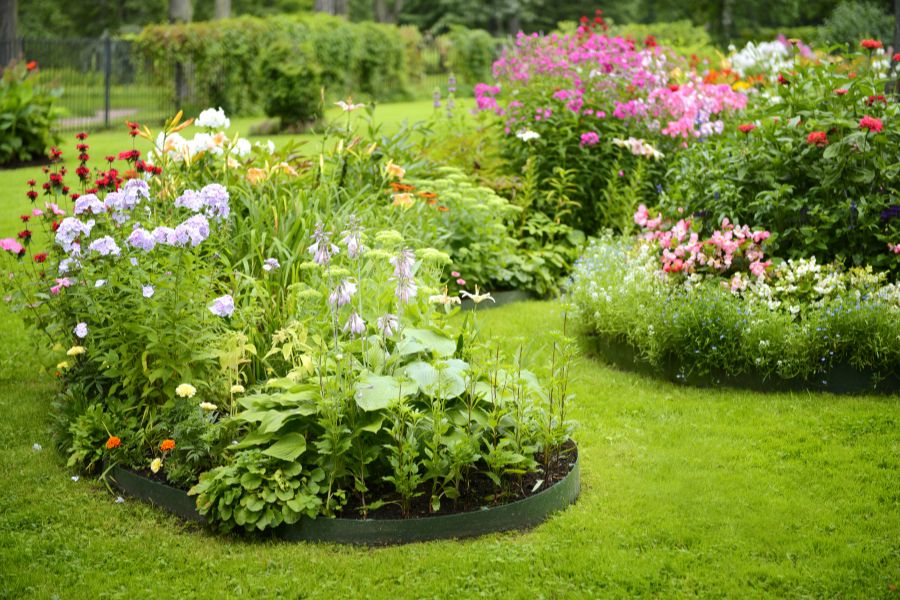
When leaves don’t have space to dry out, diseases can travel from one plant to the next almost overnight. Giving your plants more breathing room makes all the difference. Air can move around freely, rainwater doesn’t sit on the leaves, and the plants grow stronger because they’re not battling each other for nutrients. Think of it like giving them their own personal bubble.
Kylie’s Top Tip
Measure out space before you plant, leaving a good foot or more between veggies, depending on what you’re growing. The payoff is bigger, healthier crops and far fewer headaches down the line.
Mistake #2: Drowning Your Plants
Where I am in France, we get very hot and dry summers, but come November, we get rain the likes of which you’ve never seen before. It comes down in sheets and often sets in for the entire day. It’s how we have such lush and green land. Luckily, it only does this for a couple of months of the year.
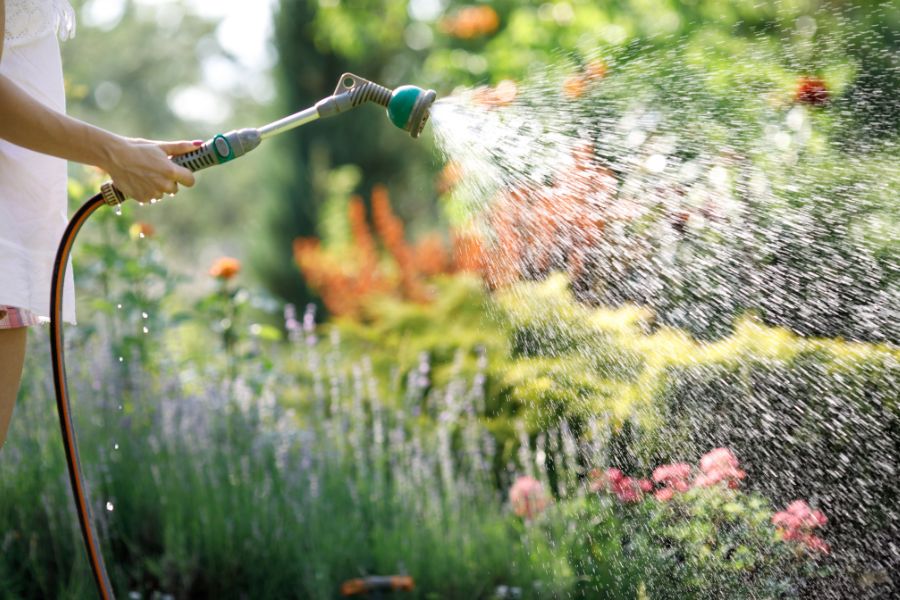
This means I need to be very careful with my watering, neither too much nor too little. Roots need air as much as they need moisture, and when the soil stays soggy, they suffocate. That’s when rot and fungal problems set in, and once they do, there’s rarely a way back.
I’ve lost more plants than I’d like to admit because of overwatering. The signs are easy to miss at first, but yellowing leaves, soft stems, and a smell you can’t ignore are all clues that your plant has had one drink too many. Replacing them gets expensive, and nothing is more disheartening than realizing you did it to yourself.
Kylie’s Top Tip
Before you even think about picking up the watering can, stick your finger about two inches into the soil. If it feels dry, go ahead and water thoroughly. If it still feels damp, step away. This one small thing has saved me a lot of money and even more frustration.
Mistake #3: Neglecting the Soil
Neglecting the soil was one of my biggest mistakes as a newbie gardener. I thought tossing in some fertilizer now and then was enough. The truth is, adding fertilizer without knowing what your soil actually needs is a bit like choosing a bottle of wine without reading the label. Sometimes you get something that tastes divine, and other times you’ll be drinking alcoholic vinegar.
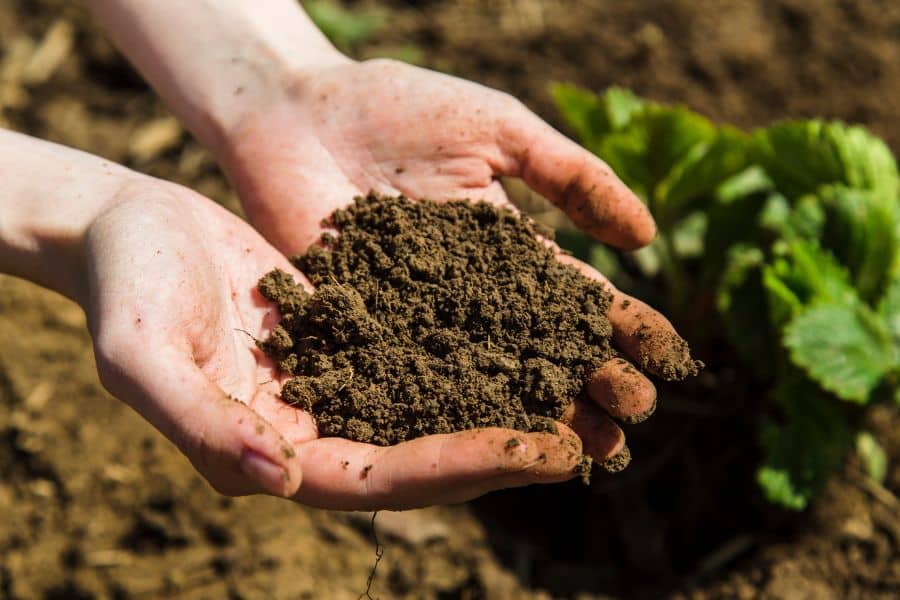
Soil is the true backbone of a garden. If it’s too heavy with clay, water struggles to drain. If it’s sandy, everything dries out too quickly. Compacted soil doesn’t give roots room to grow. Each type needs a different fix, whether that’s compost, organic matter, or a bit of aeration. I didn’t realize this early on, and I wasted both money and energy trying to fix problems with guesswork.
Kylie’s Top Tip
Spend a little on a simple soil test before you plant. It will tell you exactly what your garden is craving, from pH adjustments to extra organic matter. Pair that with compost and mulching, and you’ll build the kind of rich, living soil that keeps plants healthy and thriving year after year.
Mistake #4: The Pest Problem
We certainly get our fair share of pests here in rural France, and it seems to be different ones each year. It’s incredible how quickly one small issue can snowball and wipe out weeks of work.

What I’ve learned is that prevention is far easier than cure. Good spacing, companion planting, and keeping things tidy go a long way toward keeping pests at bay. I’ve also found that gentle fixes, such as neem oil or insecticidal soap, really help in the early stages. But the best habit I’ve built is simply walking through the garden once a week, checking under leaves and around new growth. Ten minutes with a keen eye has saved me countless plants.
Kylie’s Top Tip
Don’t wait until a problem takes over. If something looks off and keeps spreading, get advice quickly. A professional opinion early on can save you money and keep your garden from becoming a complete replanting project.
Mistake #5: Planting Out of Season
Spring arrives early in southwest France, and we often have beautiful weather in early February. It’s so tempting on that first sunny day to go running outside with trays of seedlings, thinking you’re ahead of the game. But you’re not. More often than not, you’re setting your plants up for failure.
Young plants don’t cope well with cold nights, and I’ve had more than a few end up yellow, stunted, or simply gone after a late frost. Even the ones that limped along never produced as well as they should have.
Then there’s the opposite problem. I’ve also been guilty of waiting too long, especially when life got busy and I was traveling. By the time I got around to planting, the soil had already warmed, but my growing window had shrunk. Some crops just didn’t have enough time to mature before the season turned, which meant smaller harvests and a lot of wasted effort.
Kylie’s Top Tip
Learn your local frost dates and use them as a guide. I wait at least a week or two after the last frost before planting tender crops like tomatoes or peppers. Cooler crops such as lettuce and peas can go in earlier. If you’re eager to get a head start, use tools like row covers or cold frames for extra protection. And remember, planting too late is just as frustrating as planting too early, so keep an eye on the calendar to give your plants the best chance to thrive.
Mistake #6: Choosing the Wrong Spot
When I first started gardening, I was guilty of buying plants because they looked beautiful at the garden center, without giving much thought to where they’d actually go. It didn’t take long to realize that a sun-loving plant stuck in shade will never thrive, no matter how much attention it gets. The same goes for shade lovers in full sun. They just shrivel up and fade away.

Moving them later is stressful for the plant, costly for the gardener, and often unsuccessful. Replacing them over and over adds up quickly, and it’s frustrating when the problem could have been avoided from the start.
Kylie’s Top Tip
Before you buy, take a few minutes to understand your garden’s conditions. Notice how much sunlight different areas get, check what kind of soil you’re working with, and always read the plant tag. A little planning makes sure each plant goes where it belongs, saving you money and giving you a healthier, happier garden.
Mistake #7: Tiny Pots, Big Problems
Little pots filled with herbs and vegetables may look neat and tidy on the patio, but they dry out quickly in warm weather. When I used to use them, I found myself watering every day, sometimes twice, just to keep them alive. The moment I skipped a day, especially if I was busy or away, the plants let me know about it.
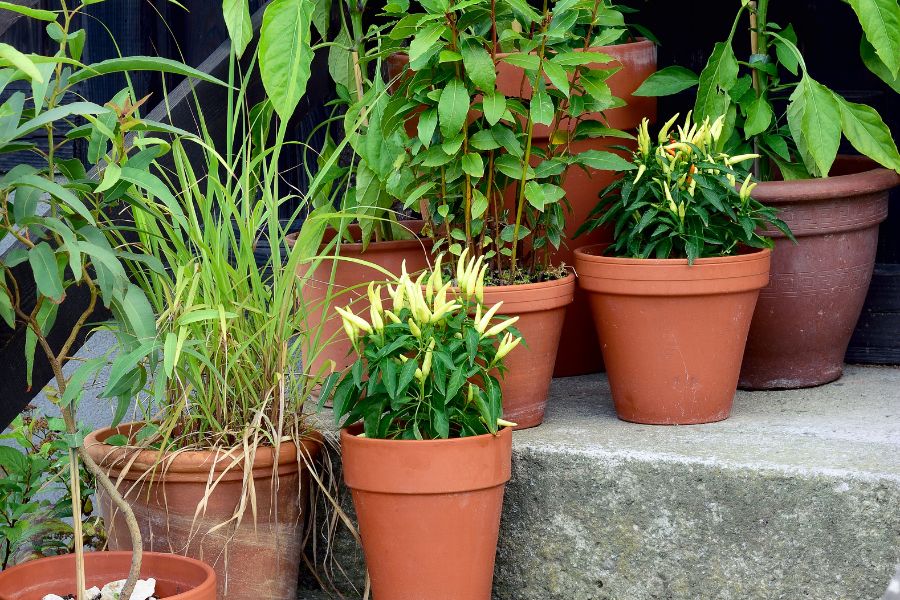
Small pots also mean cramped roots and stressed plants. The constant cycle of drying out and then being drenched doesn’t do them any favors, and I ended up replacing more than I’d like to admit. It was an expensive way to learn that size really does matter when it comes to containers.
Kylie’s Top Tip
Choose bigger pots from the start. I go for at least 12 inches across for herbs, 16 to 18 inches for vegetables, and over 20 inches for anything that’s going to fruit. Larger containers hold more water and nutrients, which means less daily care and much healthier plants in the long run.
Mistake #8: Problematic Pruning
Pruning used to terrify me. I’d either snip too little and end up with a messy shrub, or I’d get carried away and remove so much that the plant sulked for seasons. More than once, I’ve pruned at the wrong time and lost out on flowers completely. It’s disheartening to wait all year for blooms that never show up because of one poorly timed cut.

One thing my mom told me was that different plants need different approaches. Spring-flowering shrubs like lilacs should be pruned right after they bloom, while summer bloomers prefer a trim in late winter. Fruit trees do best when pruned during dormancy. The right tools make a big difference, too. Sharp pruners and loppers help keep cuts clean and encourage healthy new growth instead of ragged stems.
Kylie’s Top Tip
Take a little time to learn when and how each plant should be pruned. It may feel like extra effort in the beginning, but it saves years of frustration and avoids costly replacements. Once you get the hang of it, pruning feels less like guesswork and more like giving your plants the fresh start they need.
Mistake #9: Store-Bought Herbs
It’s very tempting to grab some of the herbs in pots you see at the grocery store. The hard part is done as they’re already grown, and you don’t need to bother with seeds. Big mistake, huge! (Sorry, couldn’t resist that Pretty Woman quote). Don’t do it. Don’t be tempted. I know they look healthy enough on the shelf, but within weeks, most of them will be limp, struggling, or gone altogether.

These plants are grown for a quick sale, not for lasting success. They’re usually root-bound, stressed from travel, and used to pampered greenhouse conditions that your windowsill or garden can’t replicate.
For the price of one supermarket pot, you can buy a packet of seeds that keeps producing fresh herbs season after season. Basil, cilantro, dill, and parsley sprout in no time, and hardy herbs like thyme, chives, and oregano establish far better from seed than they ever did from store-bought plants.
Kylie’s Top Tip
Skip the grocery store herbs and start from seed instead. It’s cheaper, more rewarding, and you’ll have a steady supply of fresh herbs for months rather than weeks. A little patience at the beginning gives you healthier plants that actually last.
Disclaimer: This article is for general information only and is not professional advice. It may contain affiliate links. Please see our full Editorial Policy for details.

Kylie Lang is a nationally syndicated travel journalist with bylines on the Associated Press Wire & more, a lifestyle writer, and the founder and editor of Your Lifestyle Library (yourlifestylelibrary.com). She holds a BA (Honours) in History from the University of Kent and is a member of the British Guild of Travel Writers.