
You’ve planned your European trip to perfection, and everything is going smoothly, that is, until you get to Berlin. Believe it or not, this major European city has an unfortunate dislike of US credit Cards. It’s an issue you won’t find in other major cities.
In fact, travel to Paris, Barcelona, or London, and you’ll have no problem. But it’s not just Berlin, it’s Germany as a whole and a handful of other lesser-known cities. Forget tap and go, you’ll be heading for the nearest ATM and hoping it will let you withdraw the amount you need.
So what can you do if your US credit cards don’t work in this European city, and how do you overcome this little problem so it doesn’t spoil your vacation?

The Problem: Germany Runs on Cash
In 2023, 51% of all transactions in Germany were still made with cash. Can you imagine? Compare that with the Netherlands, where only 17% of payments are in cash, and Sweden, where it’s down to 10%. Germany is practically a cash island in an increasingly digital Europe.
This isn’t improving as fast as you’d think, either. While some countries saw major shifts during COVID, where cash was avoided at all costs, Germany bounced right back to its cash habits once restrictions eased.
Where Your US Cards Will Fail

Your credit cards will work fine at big chain hotels and major tourist attractions. But here’s where you’ll hit problems:
Berlin’s public transit ticket machines are notorious for rejecting US credit cards. Many accept only chip-and-PIN cards that default to PIN entry for purchases, not the chip-and-signature cards most Americans carry. Even if your card technically has PIN capability for ATMs, it probably defaults to signature for purchases, which means these machines will reject it.
Taxis often prefer cash or charge you a surcharge for card payments. Some add 2.5% extra if you insist on using plastic.
Small restaurants and cafes take cash only. That cute neighborhood spot locals recommended? Cash. The bakery where you want your morning coffee and croissant? Cash. Street food vendors selling currywurst or döner kebabs? Definitely cash.
Markets and smaller shops frequently have “cash only” signs posted right at the entrance. This includes the weekly markets, Christmas markets, and many independent retailers.
Even some accommodations, particularly smaller guesthouses and family-run places, only accept cash for payment.
The Cultural Reasons
Germans carry an average of 100 euros in cash at all times. It’s deeply rooted in German culture around privacy, financial control, and historical memory.

Many Germans feel they control their finances better when using physical money. They can see exactly what they’re spending. There’s also a strong cultural distrust of carrying debt. Credit cards in Germany aren’t used the way Americans use them. Only about one third of Germans even own a credit card.
Instead, Germans use Girocards, which are debit cards that pull money directly from your bank account. These work everywhere in Germany, but they’re part of a different payment system than Visa and Mastercard credit cards.
The preference for cash also relates to privacy concerns. Germans value financial privacy highly, and cash transactions leave no digital trail. Historical experiences with hyperinflation, economic crashes, and even surveillance under East Germany have shaped attitudes about money that persist today.
For small businesses, accepting credit cards means paying merchant fees that eat into already thin profit margins. Cash is free. A bakery selling items for one or two euros doesn’t want to lose percentage points to payment processors.
Which Cards Cause the Most Problems
US credit cards that default to chip and signature will give you the most trouble. These work for purchases where you hand the card to a person, but automated machines like transit ticket kiosks often reject them outright.
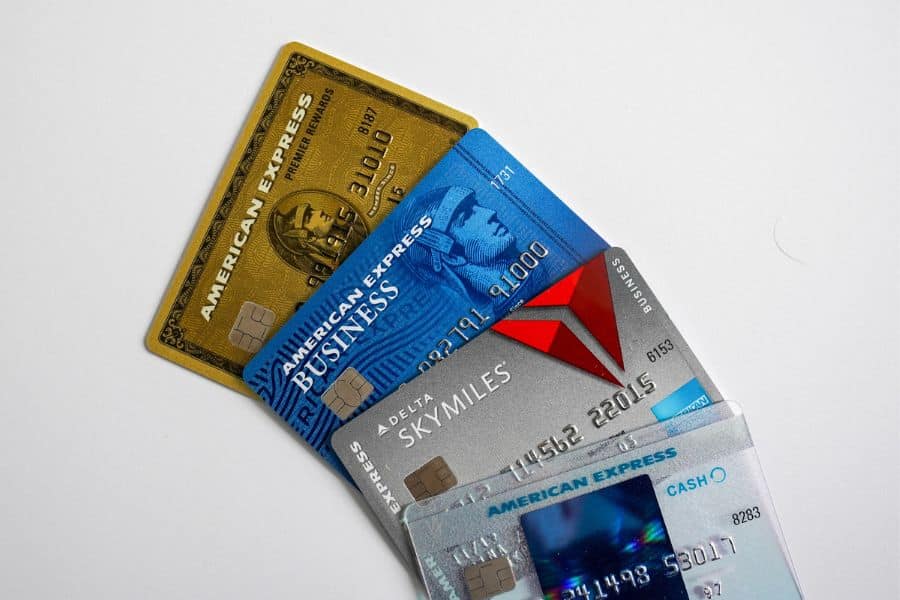
True chip and PIN cards (where you always enter a PIN for purchases, not just ATM withdrawals) work better. But many US banks still issue chip and signature cards as standard.
Debit cards from US banks work more reliably in German ATMs than credit cards do in payment terminals. However, you’ll pay foreign transaction fees unless you have a specific travel-friendly card.
Some travelers report that certain US credit cards work fine everywhere in Berlin, while others in their group couldn’t use theirs at the same locations. It’s inconsistent enough that you can’t rely on your cards as your only payment method.
Other European Countries With Similar Issues
Austria has a cash culture almost as strong as Germany’s. In 2024, over 60% of in-store transactions in Austria were still cash-based. The Austrian chancellor has even suggested cash should be a constitutional right.
Italy sees over 60% of transactions done in cash, particularly outside major tourist centers like Rome and Florence.
Slovenia and Malta also have high cash usage rates above 60%.
Greece maintains a strong preference for cash, with about 42% of transactions, though this varies significantly between tourist areas and local neighborhoods.
Spain has around 45% cash usage, with many smaller restaurants and shops preferring physical cash.
Portugal uses cash for 47% of transactions, and you’ll find many establishments outside Lisbon that only accept euros.
On the flip side, the Netherlands, Finland, Luxembourg, France, and Belgium have moved heavily toward digital payments. In Amsterdam, you’ll actually struggle to find places that accept cash at all.
What Actually Works in Germany
Cash from ATMs is your most reliable option. Withdraw euros as soon as you land. Keep at least 50 to 100 euros on you at all times, more if you’re planning a full day out.
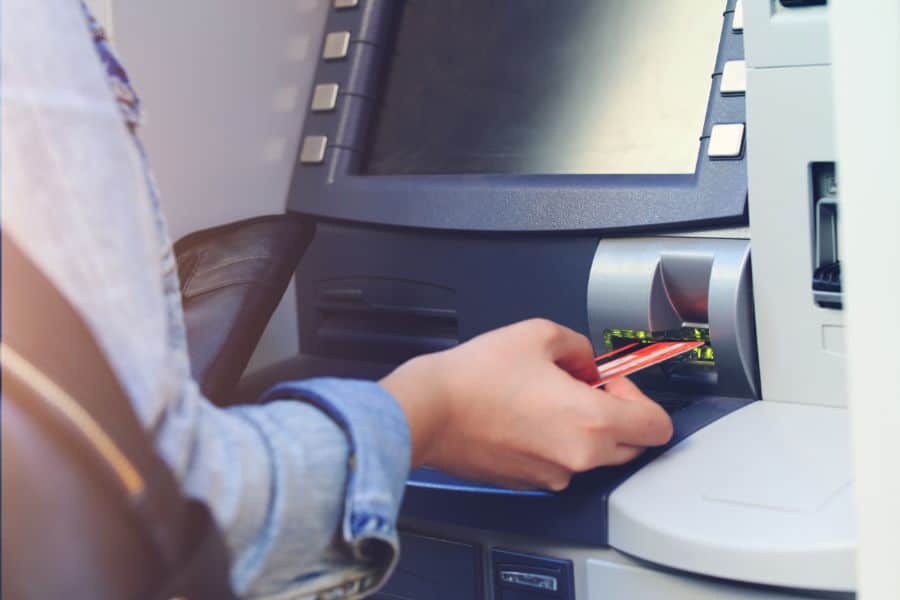
German ATMs generally accept foreign cards, though some smaller regional banks process only German or European cards. Stick to major banks like Deutsche Bank, Commerzbank, or Sparkasse for the most reliable service.
Debit cards work better than credit cards overall. If you have a debit card from your US bank, it will likely work at German ATMs without issue, though you’ll incur withdrawal and foreign transaction fees unless you have a travel-specific account.
Cards work fine for larger purchases. Hotels, museums, major restaurants, and retail chains all accept credit cards without hesitation. Book tours and major expenses on your card before you arrive.
Digital payment apps like Apple Pay and Google Pay work in places that accept contactless payments, which is growing but still not universal. Some travelers report successfully using Google Pay throughout Berlin, while others found it hit or miss.
Practical Solutions for Your Trip
Open a bank account with no foreign transaction fees before you travel. Charles Schwab and some online banks offer debit cards with no ATM fees worldwide and reimburse any fees charged by foreign banks.

Notify your credit card company about your travel dates and destinations. This won’t fix compatibility issues, but it prevents your card from being frozen for suspected fraud.
Download the Deutsche Bahn Navigator app before you arrive. You can buy transit tickets through the app using US credit cards, bypassing the problematic ticket machines entirely. Set up your account and payment method before you land.
Consider getting a credit card with true chip-and-PIN functionality if you travel to Europe regularly. These are becoming more common from US issuers, though they’re still not the default.
Budget your cash carefully. Figure out roughly how much you’ll spend on meals, small purchases, and transport, then withdraw that amount plus a buffer. You don’t want to be caught short on a Sunday when banks are closed.
Keep cash in multiple locations. Don’t carry everything in one wallet in case of pickpocketing or loss.
Ask before you order. Many restaurants have small signs indicating whether they take cards, but it doesn’t hurt to confirm before you sit down and eat a full meal.
Use cards for hotels and major purchases, cash for everything else. This is the safest hybrid approach that won’t leave you stuck.
The Bottom Line
Berlin and Germany operate differently from the rest of Europe when it comes to payments. As an American, your credit cards will sometimes work and other times fail, leaving you frustrated if you don’t prepare properly.
Bring cash. Use ATMs and keep a mix of payment methods available. And, remember to adjust your expectations about how modern and cashless Germany actually is.
The food, history, and culture make Germany worth visiting. Just make sure you can actually pay for your currywurst when you get there.
Disclaimer: This article is for general information only and is not professional advice. It may contain affiliate links. Please see our full Editorial Policy for details.

Kylie Lang is a nationally syndicated travel journalist with bylines on the Associated Press Wire & more, a lifestyle writer, and the founder and editor of Your Lifestyle Library (yourlifestylelibrary.com). She holds a BA (Honours) in History from the University of Kent and is a member of the British Guild of Travel Writers.