
We’d all love to retire early and not be ruled by the alarm clock. Who wouldn’t want to be free to enjoy life, travel the world, and have time to do all the things you’d dreamed about? It sounds like a fairytale, and for many of us it is.
However, it doesn’t have to be like that. Starting your own business after fifty might sound scary, but in reality, it’s not as hard as it seems. Many home businesses allow American retirees to supplement their pensions. There are plenty of opportunities available now that can be done part-time with little to no investment required.

7 Home-Based Businesses for American Retirees
Before we dive into the list, let’s clear something up. You don’t need to be tech-savvy, have a business degree, or work endless hours to earn good money from home. The people making $1,000 a day didn’t stumble on a secret formula; they found something that fits their lifestyle and leaned into it. Whether it’s using skills from their career, turning a hobby into income, or discovering something completely new, the common thread is flexibility.
Yoga Instructor

Teaching yoga is one of the most rewarding ways to stay active, meet people, and earn an impressive income doing something you love. Many retirees find it’s the perfect mix of wellness and flexibility. You can start small by offering online classes from home or hosting sessions in local community centers and parks. Some even travel seasonally, teaching at retreats or resorts.
A friend of mine turned their garage into a yoga studio and then extended it onto the back. She can easily fit eight people in there, and as their property is quite large, they also have a yoga deck for when the weather is good.
To get certified, you’ll need to complete an approved yoga teacher training program through somewhere like the Yoga Alliance. Once you’re certified, you can register as a Yoga Alliance instructor, which adds credibility and helps attract clients. Most programs can be completed in a few months, either online or in person.
Subscription Box Service

This one’s perfect for anyone with a creative streak or a passion they love to share. From gourmet snacks and handmade candles to pet treats or gardening kits, subscription boxes have become a booming business because people love getting surprises in the mail. Retirees often turn their hobbies into curated experiences, sending themed boxes each month filled with things they personally love and recommend.
Getting started doesn’t require a big investment, just a clear niche and reliable suppliers. You can test your idea with a small batch and grow as demand increases. Platforms like Cratejoy make it easy to manage subscriptions, payments, and shipping in one place. The best part is that you can build it entirely from home while creating something that feels personal and brings joy to others.
I actually subscribe to one of these that sends snacks and treats to British Expats living abroad. It was my treat to myself, and a little slice of home wherever I was.
Handmade Crafts

There’s something special about creating with your hands and seeing someone fall in love with what you’ve made. Whether it’s pottery, candles, jewelry, or knitted scarves, handmade products have never been more popular.
Many retirees find joy in turning their hobbies into income, selling on Etsy, Facebook Marketplace, at local markets, or through social media. What starts as a passion project often grows into a small, steady business that brings both purpose and profit.
You don’t need to be an expert to begin; just start with what you enjoy making most. Focus on quality, presentation, and storytelling, because buyers love to know who’s behind the product. A short course in marketing or photography can help polish your online presence, and before long, you’ll have regular customers waiting for your next creation.
Freelance Writing

This one’s close to my heart because it’s what I do, and I can honestly say it’s been one of the most fulfilling decisions of my life. Writing has allowed me to work from anywhere, set my own schedule, and choose projects that genuinely interest me. Whether it’s travel articles, diving into medieval history on my history blog, or writing for other publications, there’s something deeply satisfying about turning words into something meaningful.
If you have strong writing or editing skills, there’s a wide market out there. Many retirees find work with online magazines, content agencies, or self-published authors who need a second pair of eyes. You can start by building a small portfolio on freelance sites like Upwork or Fiverr, or by pitching directly to publications.
What I love most is that every project is a chance to learn something new, and the flexibility means I never have to miss a sunny afternoon in the garden. Plus, with the advent of AI, people want authenticity and not the same old stuff churned out by a machine.
Mobile Pet Grooming

If you love animals and enjoy working with your hands, mobile pet grooming can be a surprisingly lucrative business. Many retirees find it’s a great fit because it combines independence, light physical activity, and plenty of furry company.
The concept is simple: you bring the salon to the client, saving them time and offering pets a more relaxed experience at home. It’s a bit like being a mobile hairdresser. I have a border collie, and she much prefers the experience of being groomed while being in familiar surroundings, so I rely on my mobile pet groomer to come every couple of months.
To get started, you’ll need professional grooming training, which you can complete through a certified program such as the National Dog Groomers Association of America (NDGAA) or International Professional Groomers (IPG). Most courses take a few months and cover grooming techniques, animal safety, and business setup. Once trained, all you need is a reliable van fitted with the right equipment and a few loyal clients to build a word-of-mouth business that keeps you busy on your own terms.
Podcast Editing

The podcast industry has exploded, and behind every great show is someone making sure it sounds professional. That’s where podcast editors come in. It’s an ideal home-based business for retirees who enjoy storytelling, have a good ear for detail, and want flexible work that doesn’t require being on camera. You can start with basic editing, cleaning up audio, adding intro music, and adjusting sound levels, and expand into show notes or content planning once you feel confident.
To learn the ropes, you can take an online course through platforms like Coursera that cover tools such as Audacity or Adobe Audition. Once you’ve built your skills, offer your services to independent podcasters or small business owners who don’t have time to edit their own shows. It’s creative, rewarding work that lets you help others share their voices with the world, all while working from your quiet corner at home.
It’s not hard technically either, as there are so many great platforms out there now to help you. I used to run a podcast in my previous business and did all my own editing, with no experience, and I actually quite enjoyed it. So, if I can do it, anyone can.
Design and sell eBooks

This is one of the most flexible and creative home businesses out there. Whether you love writing, designing, or sharing what you know, eBooks let you turn your expertise into passive income. Retirees are discovering that they already have valuable knowledge to share from recipes, travel tips, life lessons, or how-to guides, and eBooks are a simple way to package it beautifully and sell online.
You can use tools like Canva or Adobe InDesign to design your book, then publish it on platforms such as Amazon Kindle Direct Publishing or Gumroad. The start-up cost is minimal, and once your eBook is live, it can keep earning money long after you’ve finished the work. The key is choosing a topic you care about and writing in your own authentic voice. That’s what connects with readers and keeps them coming back for more.
Disclaimer: The content in this article is for informational purposes only and is not intended as financial, investment, or tax advice. Always consult a qualified financial advisor or tax professional before making decisions about your money, investments, or retirement planning.
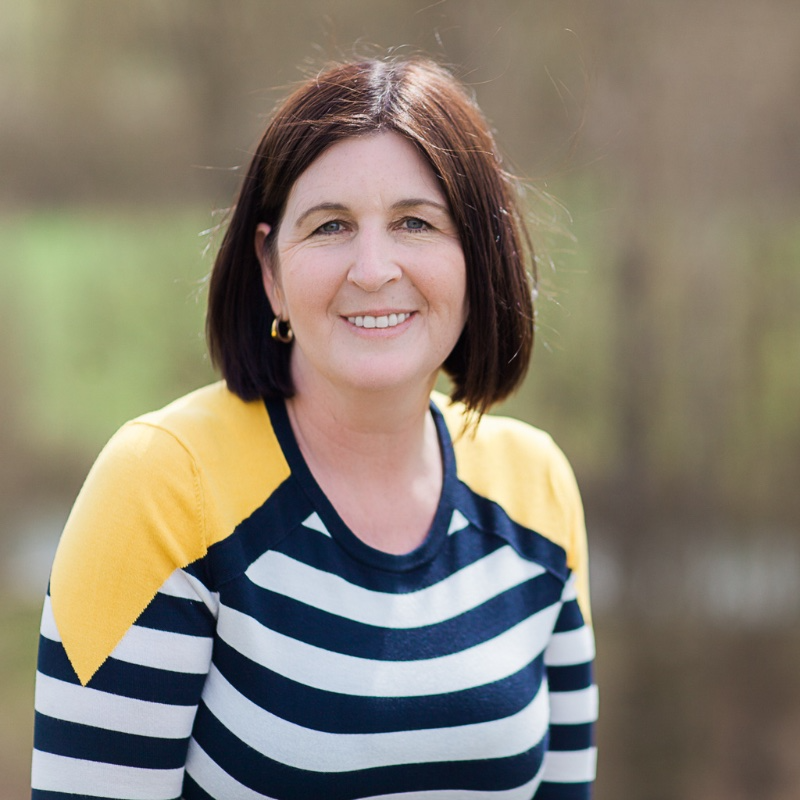
Kylie Lang is a nationally syndicated travel journalist with bylines on the Associated Press Wire & more, a lifestyle writer, and the founder and editor of Your Lifestyle Library (yourlifestylelibrary.com). She holds a BA (Honours) in History from the University of Kent and is a member of the British Guild of Travel Writers.