
I remember only too well what it’s like to live paycheck to paycheck. My daughter is in the same situation right now, where there is too much month left at the end of the money. She has enough to live, just about, but saving for a house deposit is out of the question.
Having been through this myself when she was a young child, I decided to step in and see if I could help her. Even before we started going through her finances, I knew there were a few changes we could make just from conversations we’d had. And these were changes that could really move the needle for her.
She’s now a couple of months into this new way of managing her money, and things are looking good. So much so, I thought it would be helpful to share with you, in case either you or someone you know is in a similar situation to my daughter.

9 Ways to Stop Living Paycheck to Paycheck
If you feel like your money disappears the moment it lands in your account, you are not alone. According to a PNC Bank Financial Wellness report, 67% of American workers say they are living paycheck to paycheck in 2025, up from 63% the year before. Rising housing costs, insurance premiums, creeping inflation, and the return of student loan payments are squeezing household budgets from every direction.
The frustrating part? It often has less to do with how much you earn and more to do with the habits quietly draining your account every month. The good news is that small shifts can make a real difference.
Reduce Credit Card Spending

My daughter has five credit cards, and all of them are maxed out. Her problem was that she was treating it almost like free money. But, of course, as we all know, it isn’t, and it has to get paid back.
Americans collectively owe more than $1.27 trillion in credit card debt, and the average cardholder is carrying a balance of around $6,500. The average interest rate on accounts being charged interest sits at over 22%, which means debt doesn’t just sit there. It grows.
If you’re carrying a balance from month to month, you’re paying for last month’s purchases with this month’s paycheck before you even start.
A few things that help:
- Pay more than the minimum every single month. Even an extra $50 makes a dent.
- Set a rule that you will not add to a card while you still owe money on it.
- Consider a balance transfer to a 0% interest card to freeze the interest while you pay it down.
The goal is to reach a place where your credit card is a tool, not a lifeline. That shift alone changes everything.
Refuse Buy Now Pay Later Offers
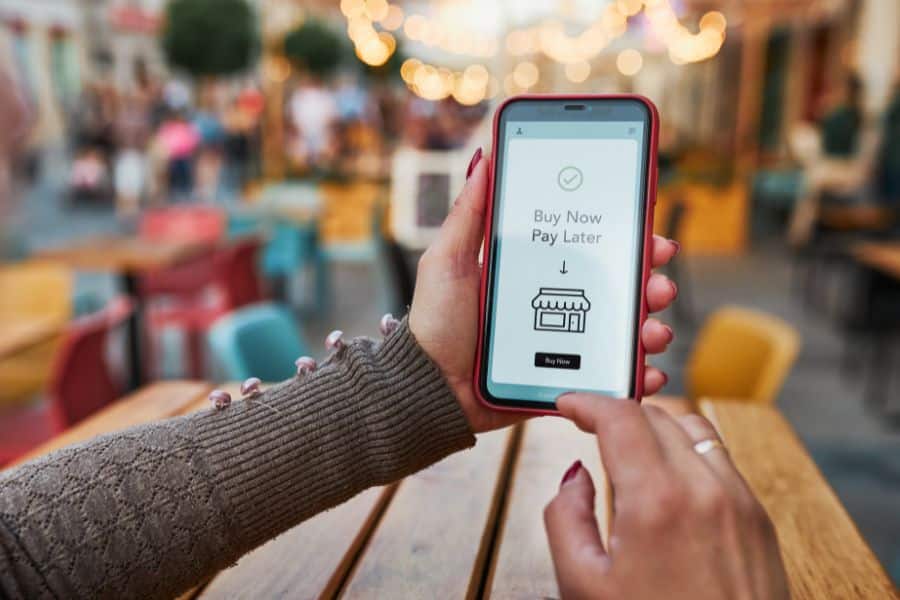
Buy now, pay later sounds harmless. Four small payments, no interest, instant approval. What could go wrong?
Quite a lot, as it turns out. The Consumer Financial Protection Bureau found that 66% of BNPL users are running multiple loans at the same time, and nearly 29% have made a late payment. Late fees add up fast, and before long, you’re juggling four different repayment schedules on things you forgot you bought.
BNPL loans are largely not reported to credit bureaus, so other lenders cannot see the full picture of what you owe. That means it is easy to overextend without realizing it.
The rule to apply is simple. If you cannot afford to pay for something outright today, you cannot afford it. Waiting until you can is not a punishment. It is just good financial sense. It’s what we did growing up. We saved for things we wanted and then bought them. The feeling of pride and excitement was also far greater.
Live Within Your Means

“Lifestyle creep” is the slow, subtle process of spending more as you earn more, until your lifestyle eats up every dollar you make. A pay raise becomes a new car payment. A bonus disappears into a vacation you put on a credit card anyway.
Living within your means does not require cutting everything fun. It requires knowing your actual take-home income and making sure your regular expenses stay comfortably below it.
Ask yourself if your lifestyle is funded by your income or by your credit cards?
If you’re regularly putting groceries, gas, or everyday purchases on a credit card and not paying it off in full each month, that’s a sign your lifestyle is costing more than your income supports. It doesn’t mean you earn too little. It often means the spending has outpaced the paycheck.
A simple rule to test yourself: could you cover one month of your normal expenses from savings alone if your paycheck was delayed? If the answer is no, that’s where to start. Build a small buffer first, even $500, so you’re not one unexpected bill away from going further into debt.
A useful benchmark: try to keep housing at or below 30% of your take-home pay, transportation at around 15%, and leave something for savings every single month, no matter how small.
Pay Yourself a Living Wage

Before you pay anyone else, pay yourself. The concept is simple. Every time money comes in, transfer a set amount immediately into a separate savings account; that is your monthly spending money. This isn’t for bills or groceries, but for living expenses, such as meals out, takeaways, going to the movies, etc. The key is that it happens first, not whatever is left over at the end.
What you will likely find is that you adjust your spending around what is in that separate account. And once it’s gone, it’s gone.
If your employer offers a 401(k) match and you’re not taking the full match, that really is free money sitting on the table. Even starting at 1% and increasing it by 1% every year makes a significant long-term difference.
Audit Your Spending Habits

When did you last actually sit down and look at where your money goes?
Most people have a vague idea but not a real one. They know they spend money on groceries, dining out, and a few subscriptions. What they tend to underestimate is how many small purchases accumulate.
Pull up your last three months of bank and credit card statements. Go through them line by line. Sort your spending into categories and add up each one. The numbers are often a surprise.
You might find you spent $300 last month on food delivery, or that you have five streaming services running at once. You cannot fix what you cannot see. This audit is not about beating yourself up, but getting a clear, honest picture so you can make better choices going forward.
Open Your Bills When They Come In

This one sounds obvious. But a staggering number of people let bills pile up, either physically or digitally, because opening them is too stressful and they’re afraid of what’s inside. My husband does this, so I open all the bills and pay them, so we don’t get into trouble.
The problem is that ignoring a bill doesn’t make it magically go away; it gets a lot worse. Late fees, missed payment marks on your credit file, and interest all kick in while you’re avoiding the envelope.
Make it a habit to open every bill the day it arrives and record the amount and due date. If you are using a paper calendar, write it there. If you prefer your phone, add a reminder. The moment you know what is coming, it stops being scary and starts being manageable.
Setting up autopay for fixed bills like utilities, rent, and insurance is an easy way to stop this from being an issue at all. Just make sure you have enough in your account to cover them when they come out.
Understand the Difference Between Wants and Needs

I learned this from my mom. When I was young, and I’d tell her I just had to have something, she’d always ask do you want it or need it because there is a difference.
A need is something essential, such as housing, food, utilities, transportation to work, and medication. A want is everything else. That does not mean wants are bad. It means they should be a conscious choice, not an automatic one.
The challenge is that modern marketing is specifically designed to blur that line. A newer phone feels like a necessity when your current one works fine. A gym membership feels essential on January 2nd and unused by February.
Before any non-essential purchase, try waiting 48 hours. Give yourself a cooling-off period. It works wonders. Many things you felt urgently drawn to buy on a Tuesday feel completely unnecessary by Thursday. If you still want it after 48 hours and your budget allows, enjoy it without guilt.
Create a Monthly Budget and Stick to It

A budget is not a restriction, more a plan for where your money goes, so you are in control of it rather than constantly wondering where it went.
The most straightforward version of a budget is the 50/30/20 rule. Fifty percent of your take-home pay goes to needs, 30% to wants, and 20% to savings and debt repayment. It isn’t a perfect fit for everyone, but it’s a solid starting point.
Write your budget out at the beginning of every month using the actual amount you expect to take home that month. Include everything, including irregular expenses like car maintenance or birthday gifts, by dividing annual costs by 12 and setting that amount aside monthly.
Then review it at the end of the month. Where did you overspend? Where did you do better than expected? A budget only works if you adjust it based on what is actually happening in your life.
Change Your Money Mindset

This might be the most important one on the list.
Most of us have an inner voice that justifies spending in the moment. You worked hard this week. You deserve it. You only live once. The item is on sale, so it would be silly not to buy it.
Psychologists call this instant gratification, and it is hardwired into the human brain. Shopping releases dopamine, the same feel-good chemical triggered by other pleasurable experiences, such as chocolate or comfort food. The rush is real. So is the regret when the credit card statement arrives.
The shift that changes everything is learning to connect financial decisions to your actual long-term goals rather than short-term feelings. Instead of “I deserve a treat,” try “I deserve to feel secure.” Instead of spending to feel better in the moment, track a savings milestone.
Again, it’s not that you should be denying yourself everything enjoyable. It’s about spending on things that align with what matters to you, rather than whatever the algorithm puts in front of you on a Tuesday afternoon.
Disclaimer: This article is for informational purposes only and does not constitute financial advice. Always consult with a qualified financial advisor before making decisions about your personal finances.